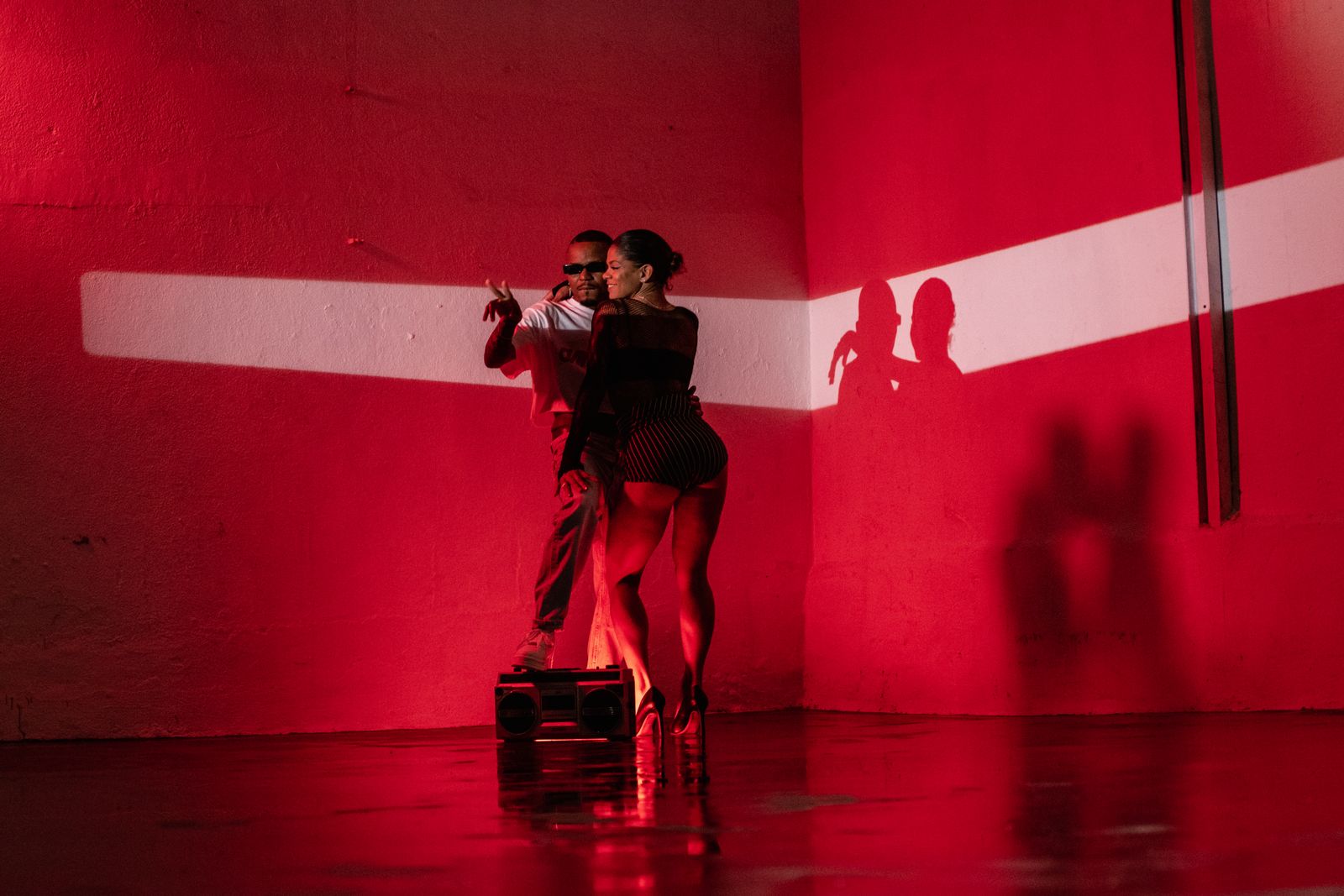
Salsa is one of Zumba’s four mandatory core rhythms, built around fast footwork, hip movement, and syncopated timing borrowed from traditional Latin American salsa dancing. In a Zumba context, the basic salsa step pattern gets simplified and layered with fitness-focused variations, arm movements, squats, and directional changes, so you get the rhythm’s signature feel without needing formal salsa dance training to follow along.
Here’s how salsa functions within a Zumba class, the basic step pattern instructors build from, and how it differs from taking an actual salsa dance lesson.
What Makes Salsa Distinct as a Zumba Rhythm
Salsa’s defining feature is its syncopation, the rhythm doesn’t fall on an even, predictable beat the way merengue does, which gives it a livelier, more intricate feel. This is part of why salsa segments in Zumba often feel more technically demanding than merengue ones, even at a similar overall intensity, the footwork requires more precision to land on the syncopated counts correctly.
The Basic Salsa Step in Zumba
The core salsa pattern used in Zumba is a simplified quick-quick-slow footwork sequence, typically broken into a basic forward-back or side-to-side step, with weight shifting cleanly between feet on each count. Hip movement layers on top of the footwork, following the same timing, which is what gives salsa its signature look. Instructors build on this basic pattern with turns, cross-body movement, and arm styling as a class progresses, but the underlying quick-quick-slow foundation stays consistent throughout.
How Zumba Salsa Differs From a Traditional Salsa Class
A dedicated salsa dance class typically focuses on partner work, precise technique, and often a specific regional style, Cuban, Colombian, or New York salsa each have distinct characteristics. Zumba strips this down considerably: no partner is required, the technical bar is lower, and fitness elements like squats or added cardio bursts get layered into the choreography in ways a traditional salsa class wouldn’t include. The goal in Zumba isn’t to produce a competent salsa dancer for a social dance floor, it’s to use salsa’s rhythm and movement quality as one ingredient in a broader cardio workout.
This means someone who’s spent months in Zumba classes may still find an actual salsa social dance floor unfamiliar, since partner connection and lead-follow technique aren’t part of the Zumba version. That’s a reasonable trade-off given what each format is actually built for.
Why Salsa Segments Feel More Intense
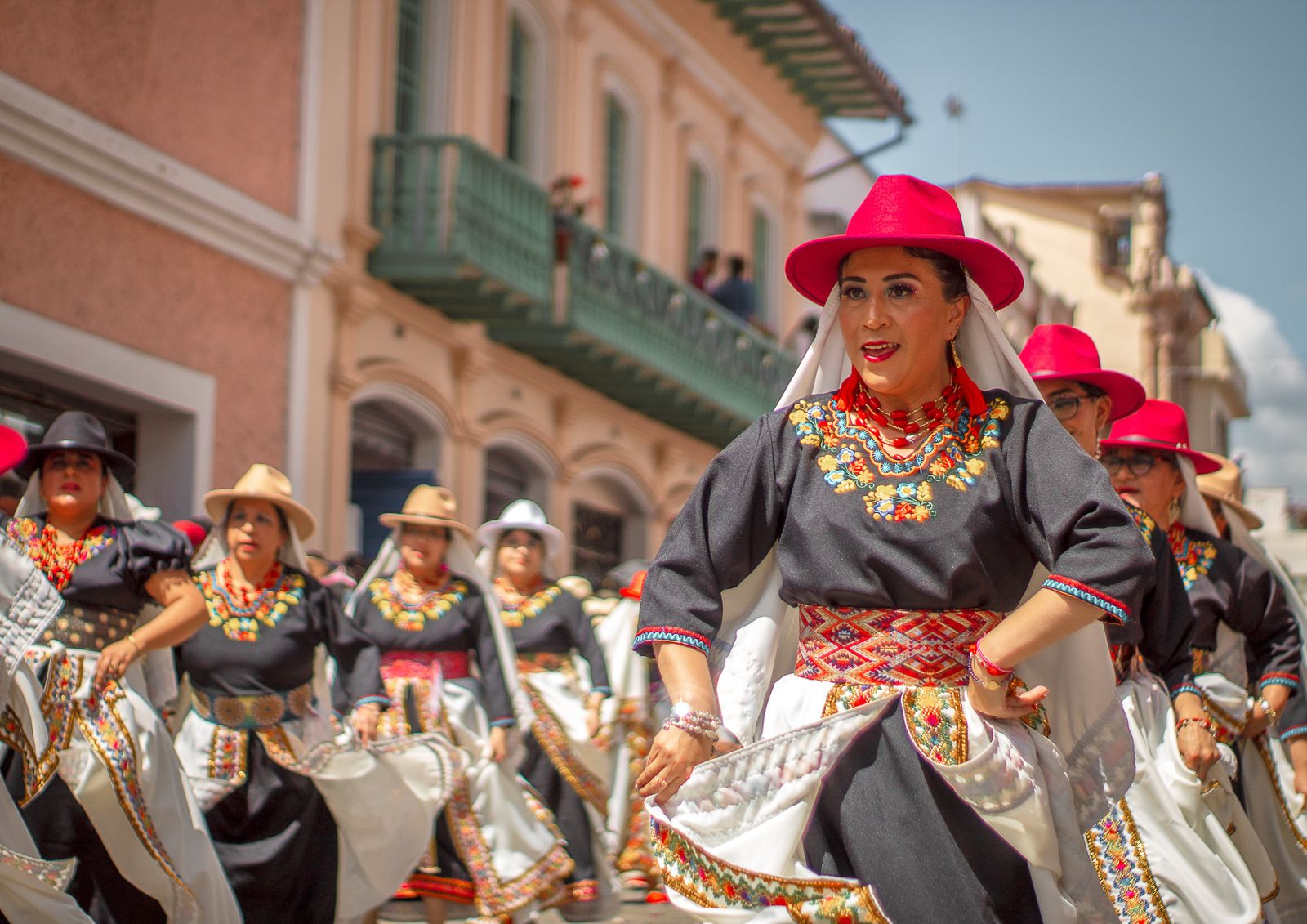
Compared to merengue’s even, marching-friendly beat, salsa’s syncopated timing demands quicker foot placement and more precise weight transfer, which raises the coordination and cardiovascular demand of a salsa segment even at a similar tempo. This is part of why salsa often appears mid-class, after a merengue warm-up has built some momentum, rather than as the very first song, giving your body and coordination a chance to warm into the faster, more technical footwork.
How Salsa Fits Into the Broader Rhythm Structure
Salsa is one of four core rhythms, alongside merengue, reggaeton, and cumbia, that structure a typical Zumba class. Our Zumba rhythms explained guide covers how all four work together across a full class, and where salsa typically fits into that broader arc. It also frequently gets paired with merengue in the same routine, since the two rhythms are historically and musically connected, both emerging from overlapping Latin dance traditions. Our merengue in Zumba guide covers that rhythm specifically.
Tips for Following Salsa Segments as a Beginner
Focus on your feet before worrying about your hips or arms, the footwork is the foundation salsa’s hip movement layers onto, and trying to add styling before the basic step feels natural usually just adds confusion. Watch the instructor’s feet specifically during the first run-through of a new salsa combination, since salsa’s timing is less intuitive than merengue’s steady beat and benefits from a visual reference. Don’t worry about hitting every syncopated accent perfectly on your first attempt, the cardiovascular and coordination benefit comes from consistent practice over several classes, not immediate technical precision.
Salsa in Zumba: Quick Facts
- Origin: Cuban and Puerto Rican dance traditions
- Tempo: Moderate to fast, syncopated rhythm
- Core movement: Side-to-side weight shifts with hip motion
- Role in Zumba: One of the foundational rhythms alongside merengue and reggaeton
Frequently Asked Questions About Salsa in Zumba
Do I need salsa dance experience to follow Zumba’s salsa segments?
No. Zumba simplifies the traditional salsa step pattern and doesn’t require partner work or the technical precision a dedicated salsa class would demand. The rhythm and basic footwork are taught progressively within class, regardless of prior dance background.
Why does salsa feel harder than other Zumba rhythms?
Salsa’s syncopated timing requires quicker, more precise footwork than merengue’s even beat, which raises the coordination demand. This is a normal part of the rhythm rather than a sign you’re doing something wrong, and it typically becomes easier with repeated exposure to the pattern.
Is Zumba’s salsa the same as salsa you’d dance socially?
Not exactly. Zumba’s version strips out partner work and much of the technical precision expected in a traditional salsa class, replacing it with fitness-focused variations and solo choreography. It captures the rhythm and movement feel without the social dance context.
What songs typically feature salsa rhythm in Zumba?
Salsa segments generally use music with a clear, syncopated Latin percussion pattern and a moderately fast tempo. Specific song choices vary widely by instructor and playlist, but the underlying rhythmic structure is what defines a track as suitable for a salsa segment rather than any particular artist or song.
How long does it take to get comfortable with salsa steps in Zumba?
Most people find the basic footwork starts to feel natural within a few classes of consistent exposure, since the pattern repeats across different songs even as the specific choreography changes. Comfort with faster or more styled variations typically builds over a longer period of regular attendance.
Ready to Feel Salsa’s Rhythm for Yourself?
Reading about quick-quick-slow footwork is one thing, feeling it land in your body during a live class is another. Explore FitStrot’s Online Zumba Classes and experience salsa’s energy in your next session.
Curious about the other core rhythms too? Check out our guide to merengue in Zumba, explore the full types of Zumba available, or head to Online Zumba Classes to get started.