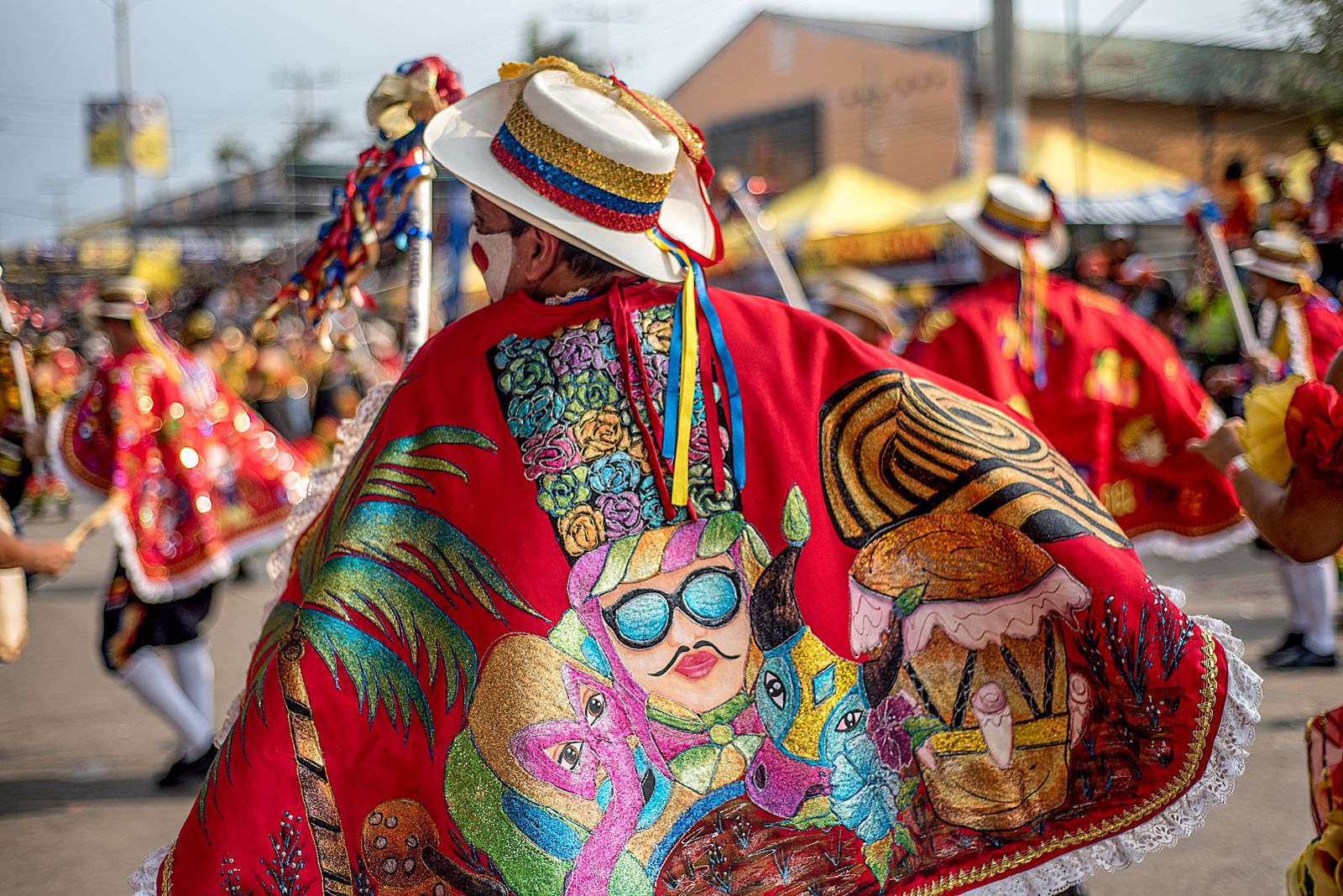
Cumbia is one of Zumba’s four core rhythms, distinguished by a grounded, forward-and-back stepping pattern and a distinctive dragging foot motion tied directly to the dance’s historical origins. Unlike the faster, sharper movement of salsa or reggaeton, cumbia has a more rooted, rhythmic quality, which makes it a natural change of pace within a class, still genuinely energetic, but with a different movement texture than the rhythms around it.
Here’s where cumbia comes from, the basic steps taught in Zumba, and the history behind its signature movement.
Where Cumbia Comes From
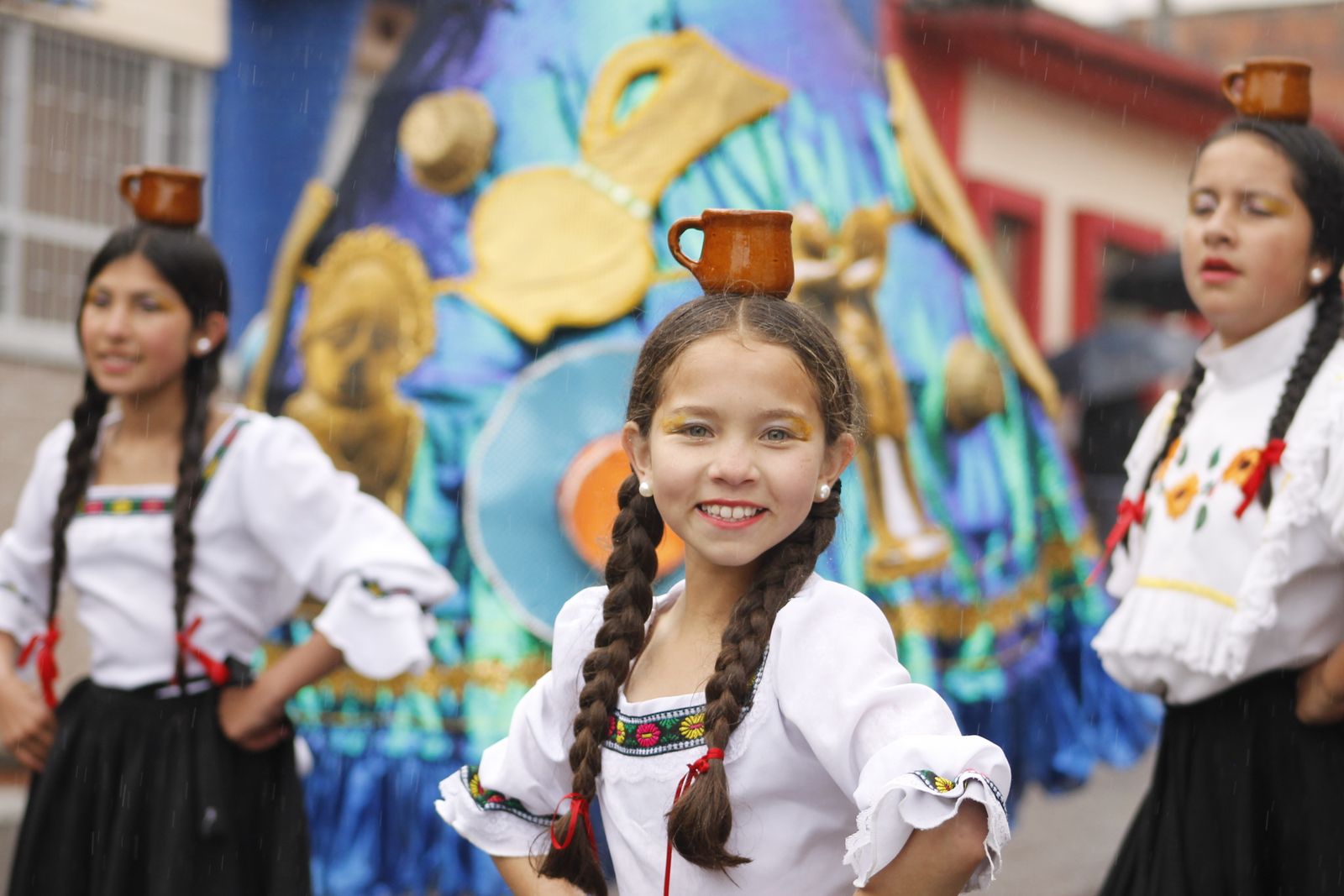
Cumbia originated in Colombia as a fusion of three distinct cultural influences: European colonial melodic structure, largely from Hispanic settlers, African rhythmic and percussive traditions brought by enslaved people, and Indigenous Andean melodic and harmonic elements. That three-way fusion is part of what gives cumbia its distinctive layered sound, and it’s worth noting directly that Zumba’s founder, Beto Pérez, is Colombian, which likely explains cumbia’s prominent place among Zumba’s core rhythms from the format’s earliest days.
The Basic Cumbia Steps Used in Zumba
The cumbia basic forward and back step involves stepping forward with one leg, then back with the same leg, with a middle step from the opposite foot woven in between, hip movement added throughout with hands often resting on the hips. This creates cumbia’s signature rocking, grounded quality, distinct from the more linear side-to-side or in-place movement common in merengue.
The cumbia sleepy leg, sometimes called the candlestick step, starts with one hand on the hip and the other raised overhead like a teapot spout, then moves through a step-together pattern repeated four times to each side. This step in particular showcases cumbia’s rhythmic, rolling quality more than its footwork alone would suggest.
The History Behind Cumbia’s Dragging Foot Motion
One detail that often surprises people learning cumbia for the first time: the dance traditionally involves a dragging foot motion, and the historical explanation tied to this detail traces back to the enslaved people who influenced the dance being chained together at the feet, which shaped the shuffling, dragging step pattern that survives in the dance today. That history turns what might otherwise look like a stylistic quirk into a dance carrying real cultural memory.
How Cumbia Fits Into a Zumba Class
Cumbia’s grounded, rhythmic quality makes it a natural break from the higher-tempo intensity of salsa and reggaeton, giving your body a different kind of challenge, more rooted in hip rhythm and control than in fast footwork or continuous high-energy movement. Our Zumba rhythms explained guide covers how instructors typically sequence cumbia alongside the other three core rhythms across a full class.
It’s also frequently paired or contrasted with reggaeton in the same session, since the two rhythms offer such different movement textures despite both carrying real intensity. Our reggaeton in Zumba guide covers that faster, hip-driven counterpart in detail.
Tips for Getting Comfortable With Cumbia
Focus on the rocking, forward-back weight shift before worrying about arm styling, since cumbia’s foundation is really about how your weight moves through your hips and legs, not a complicated footwork pattern. Let your hips follow the rhythm naturally rather than forcing an exaggerated movement, cumbia’s feel comes from control and groove more than from big, sharp gestures. Don’t mistake cumbia’s slower-feeling groove for a lower-intensity break, sustained hip and core engagement across a full song adds up to real conditioning even without the speed of a reggaeton segment.
Cumbia in Zumba: Quick Facts
- Origin: Colombia
- Tempo: Moderate, steady rhythm
- Core movement: Side shuffle with a slight drag step
- Role in Zumba: Provides a rhythmic, grounding contrast to faster segments
Frequently Asked Questions About Cumbia in Zumba
Where does cumbia originate?
Cumbia originated in Colombia as a fusion of European, African, and Indigenous Andean musical and dance traditions. Zumba’s founder, Beto Pérez, is Colombian, which likely contributed to cumbia’s prominent place among the format’s four core rhythms.
Why does cumbia involve a dragging foot step?
The dragging motion traces back to the dance’s historical roots, tied to enslaved people who influenced the dance being chained together at the feet. It’s a detail that carries real cultural history rather than being a purely stylistic choice.
Is cumbia easier or harder than salsa in Zumba?
Cumbia is generally considered more accessible than salsa, since it lacks salsa’s syncopated timing and instead relies on a grounded, rocking weight shift that’s easier to pick up quickly, though it still requires genuine hip control and rhythm.
What’s the difference between the two basic cumbia steps taught in Zumba?
The forward-and-back step emphasizes a rocking weight shift between the front and back leg with a middle step woven in, while the sleepy leg or candlestick step uses a side-to-side step-together pattern with a distinctive raised-arm styling. Both are foundational, and instructors build variations from each.
Does cumbia provide a good workout compared to faster Zumba rhythms?
Yes. While it feels less frantic than reggaeton or salsa, sustained hip and core engagement through a full cumbia song still delivers real cardiovascular and muscular benefit, it’s a different kind of intensity rather than a lower one.
Ready to Feel Cumbia’s Groove for Yourself?
Cumbia’s rooted, rhythmic quality offers something genuinely different within a Zumba class. Explore FitStrot’s Online Zumba Classes and experience the rhythm firsthand.
Curious about the other core rhythms too? Check out our guide to bachata and dembow in Zumba, explore the full types of Zumba available, or head to Online Zumba Classes to get started.