Most people doing Zumba three to four times a week need at least one full rest day, or a low-intensity active recovery day, between high-intensity sessions. Recovery is where your muscles actually adapt and rebuild after the stress of a class, and skipping it consistently leads to the exact soreness, fatigue, and plateaued progress that make people quit. Rest days aren’t time off from your results, they’re part of how the results happen.
Here’s how to think about recovery frequency, what to do with a rest day, and how to manage the soreness that shows up after a hard class or a long break.
How Many Rest Days Do You Need Between Zumba Classes?
For most people attending three to four Zumba classes weekly, one full rest day between back-to-back intense sessions is a reasonable baseline. If you’re newer to Zumba or returning after a break, spacing sessions out even further, every other day rather than daily, gives your body more room to adapt without accumulating excess soreness.
This isn’t a fixed rule for everyone. Someone doing lower-intensity Zumba Gold classes can typically handle more frequent sessions than someone doing high-impact standard classes several times a week. Listen to how your legs and hips feel the morning after a session: persistent, sharp, or worsening soreness is a signal to add rest, not push through it.
Why Rest Days Actually Matter
Muscle adaptation, the process that makes you stronger and more conditioned over time, doesn’t happen during the workout itself. It happens during the recovery window afterward, when your body repairs the microscopic muscle damage caused by exercise and builds back slightly stronger. Skip that window consistently, and you’re accumulating fatigue and damage faster than your body can repair it, a pattern that eventually shows up as overtraining: persistent soreness, declining performance, and higher injury risk.
This is also directly tied to sleep quality and stress management. Our guide to Zumba and better sleep covers how overtraining specifically disrupts sleep through elevated stress hormones, which then further slows recovery, a cycle that’s easy to fall into if rest days get skipped in favor of daily high-intensity classes.
What Active Recovery Looks Like
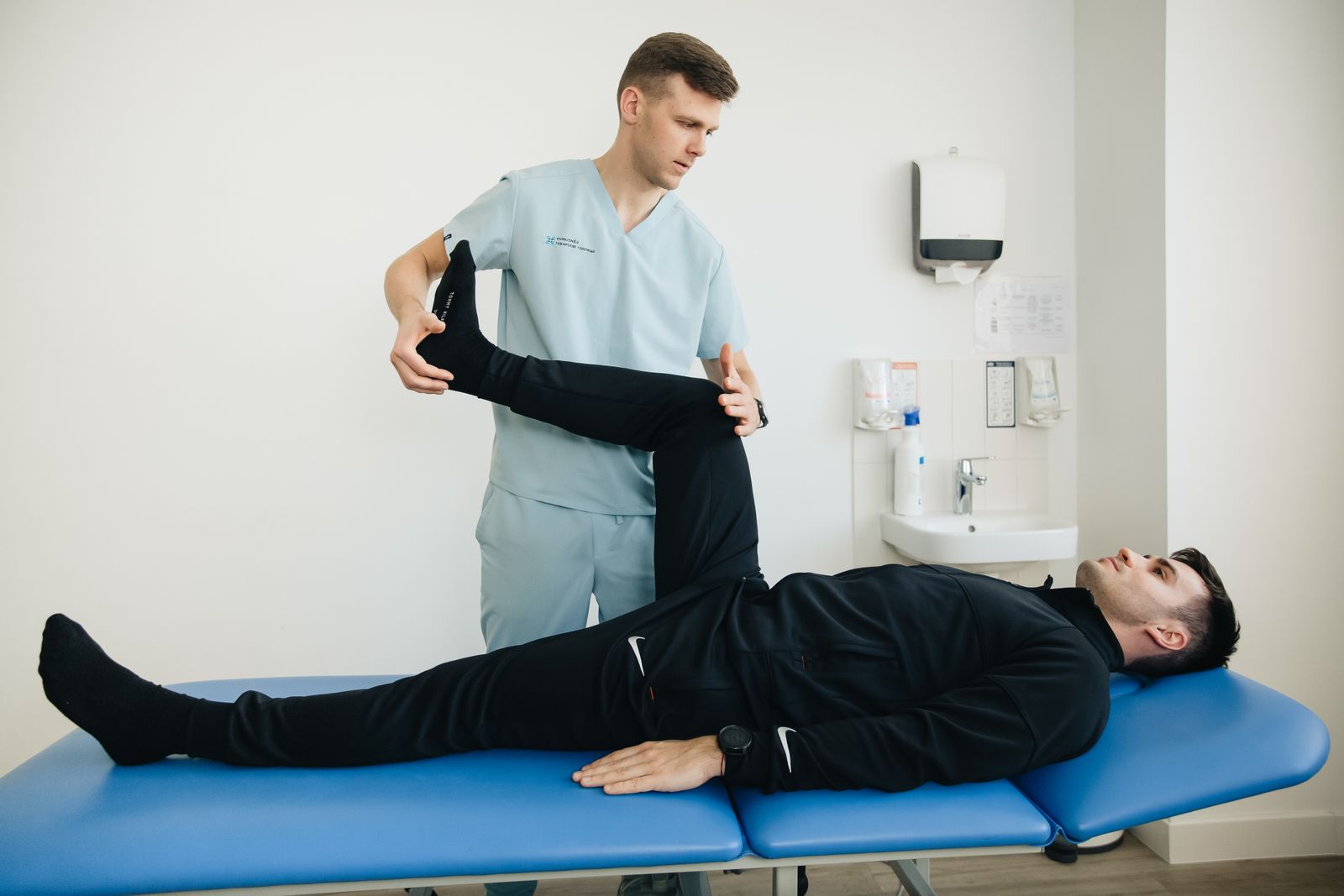
A rest day doesn’t have to mean total inactivity. Active recovery, light movement that promotes blood flow without adding training stress, often helps more than sitting completely still. A relaxed walk, gentle stretching, or a low-impact Zumba Gold session all qualify. The goal is circulation and mobility, not another hard workout.
Post-workout stretching on training days themselves also reduces next-day tightness. Focus on the hip flexors, calves, and lower back, the areas that take the most repetitive load during a typical class.
Managing Soreness After a Hard Class
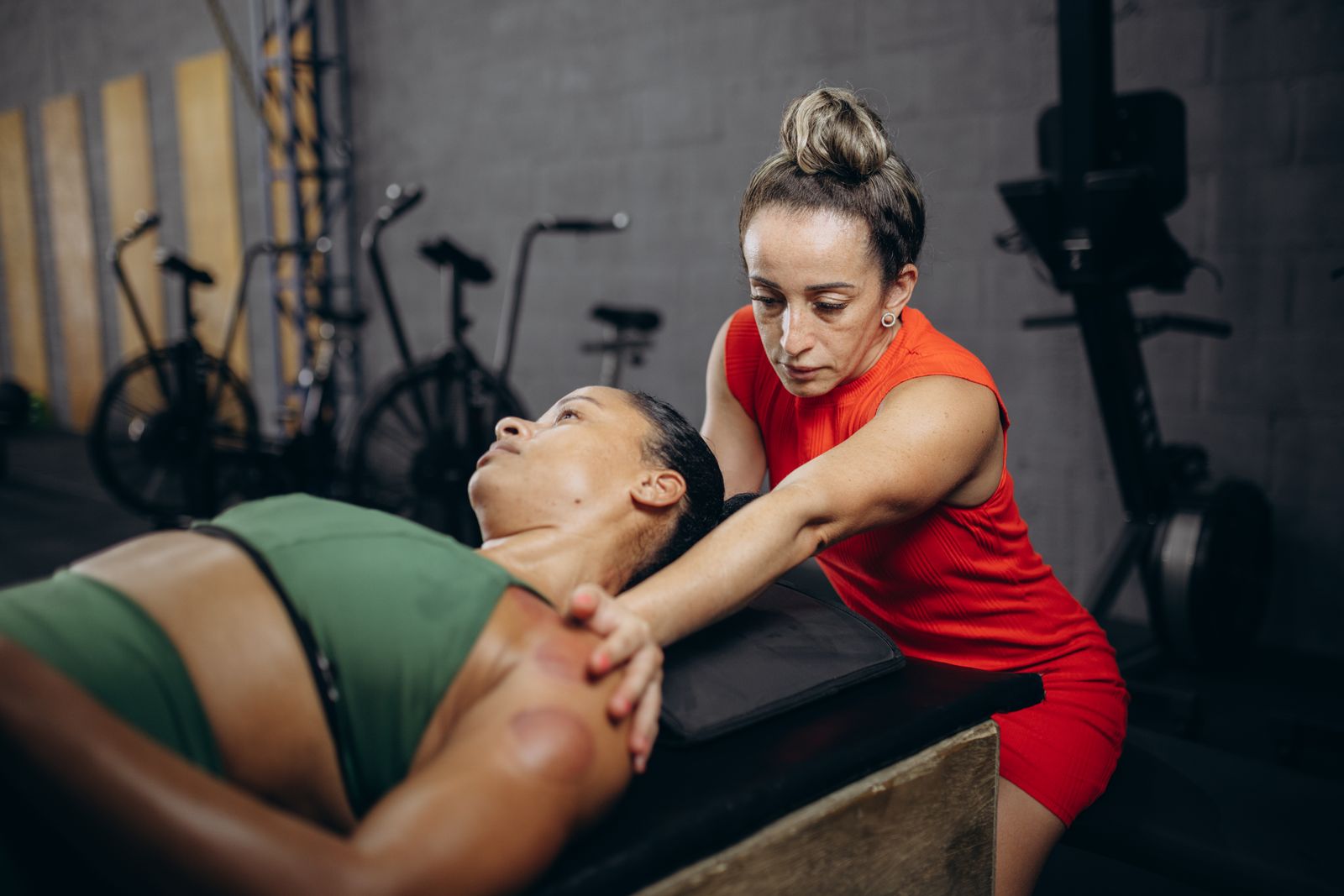
Delayed onset muscle soreness, the tightness and ache that peaks 24 to 48 hours after a workout, is normal, especially after a particularly intense class or a long break from Zumba. A few things help it resolve faster. Gentle movement the next day, rather than complete rest, promotes blood flow to sore muscles and often speeds recovery more than sitting still. Foam rolling releases muscle tension directly and is worth 5 to 10 minutes on your quads, calves, and glutes after a hard session. A warm Epsom salt bath, soaked for 15 to 20 minutes, is a low-effort option some people find genuinely helps with soreness and relaxation. Proper hydration supports the whole recovery process, which our hydration for Zumba guide covers in more detail, since dehydration measurably slows muscle recovery.
Signs You Need More Rest Than You’re Currently Taking
A few patterns suggest your current rest schedule isn’t enough. Soreness that persists past 72 hours rather than resolving within two to three days. Performance that’s declining rather than improving over several weeks of consistent attendance, a sign your body isn’t adapting because it’s not recovering. Sleep that’s getting worse rather than better despite regular exercise, since overtraining disrupts sleep rather than supporting it. Feeling dread rather than motivation before class, which often reflects accumulated physical fatigue rather than a genuine lack of interest.
If any of these show up consistently, adding an extra rest day or two per week, even temporarily, usually resolves them faster than pushing through.
Building Recovery Into a Routine That Sticks
Recovery isn’t separate from consistency, it’s what makes consistency possible. A schedule that respects rest days is far more sustainable long-term than one that burns you out within a month through daily high-intensity sessions.
Recovery Needs Change as You Get Fitter
Someone brand new to Zumba typically needs more recovery time between sessions than someone who’s been training consistently for six months. This isn’t a fixed rule you follow forever, it’s a moving target that shifts as your conditioning improves. In the first few weeks, expect more soreness and possibly needing a rest day after every single session. By month two or three of consistent attendance, most people find they can handle three to four sessions weekly with just one or two rest days, since the muscle damage from each class becomes progressively smaller as your body adapts to the movement patterns.
Reassess every four to six weeks rather than assuming your week-one schedule should stay fixed indefinitely. If you’re recovering faster than expected and rest days feel unnecessary, that’s a legitimate sign to add another class. If soreness is still significant after a month of consistent practice, that’s worth examining rather than pushing through, since it may point to insufficient rest, inadequate nutrition, or a class intensity that’s mismatched to your current fitness level.
What Doesn’t Actually Help Recovery
A few common habits feel productive but don’t meaningfully speed up recovery. Static stretching held for a long time immediately post-class, before your body has cooled down, doesn’t appear to reduce next-day soreness as much as people assume, light movement and gradual cooldown tend to matter more. Ice baths, while popular in some athletic circles, have mixed evidence for general muscle soreness in a recreational fitness context and aren’t necessary for most Zumba-goers. Painkillers taken preemptively before a class to “prevent” soreness mask a signal your body is trying to send you about training load, and relying on them regularly is worth flagging with a doctor rather than treating as a normal part of a fitness routine.
Zumba Recovery Quick Guide
- Recommended rest: At least 1-2 rest days weekly
- Active recovery options: Yoga, walking, light stretching
- Signs you need more rest: Persistent soreness, fatigue, declining performance
- Sleep importance: 7-9 hours nightly supports muscle recovery
Frequently Asked Questions About Zumba Recovery
How many rest days a week do I need with Zumba?
Most people attending three to four classes weekly benefit from at least one full rest day between intense sessions. Beginners or those returning after a break often need more spacing, closer to every other day, until their body adapts to the new activity level.
Is it okay to do Zumba every day?
For most people, daily high-intensity Zumba without any rest increases injury and overtraining risk. Alternating intense sessions with lower-impact formats like Zumba Gold, or building in dedicated rest days, supports better long-term progress than daily maximum-effort classes.
How long does Zumba muscle soreness usually last?
Typical delayed onset muscle soreness peaks around 24 to 48 hours after a class and usually resolves within two to three days with gentle movement, stretching, and adequate hydration. Soreness persisting beyond that window is worth addressing with more rest.
What should I do on a Zumba rest day?
Light activity that promotes blood flow without adding training stress works well: walking, gentle stretching, foam rolling, or a low-impact Zumba Gold session. Complete inactivity isn’t necessary and isn’t always better than gentle movement for recovery.
Can poor recovery cause weight loss to stall?
Yes. Inadequate recovery elevates stress hormones and disrupts sleep, both of which can interfere with weight management independent of how hard you’re training. If progress has stalled despite consistent effort, evaluating your rest schedule is worth doing before adding more workout volume.
Does age affect how much recovery time I need?
Generally, yes. Recovery capacity tends to slow somewhat with age, which means older adults practicing Zumba may benefit from slightly more rest between intense sessions than a younger person doing the identical class. This isn’t a reason to avoid intensity altogether, formats like Zumba Gold are built with this in mind, it’s simply a reason to pay closer attention to your own recovery signals rather than following a generic schedule built for a different age group.
Ready to Build a Routine With Recovery Built In?
A sustainable Zumba routine includes rest days as part of the plan, not an afterthought. Explore FitStrot’s Online Zumba Classes and build a weekly schedule that balances effort with recovery.
Want the complete picture of what Zumba does for your body? Read our full breakdown of Zumba’s health benefits, or explore Online Zumba Classes to find a schedule that fits.