Before Zumba, eat a carbohydrate-forward, low-fat snack or meal 1 to 3 hours ahead, a banana, oatmeal, or avocado toast all work well, since your body needs accessible energy, not something sitting heavy in your stomach during high-intensity choreography. After Zumba, prioritize 15 to 25 grams of protein within 30 to 60 minutes to support muscle recovery, paired with carbohydrates to replenish the glycogen your session burned through. Get the timing and composition right and you’ll notice it directly in your energy during class and how you feel the next day.
Here’s exactly what to eat at each stage, why the timing matters, and specific food combinations that work without requiring a nutritionist’s precision.
What to Eat Before a Zumba Class
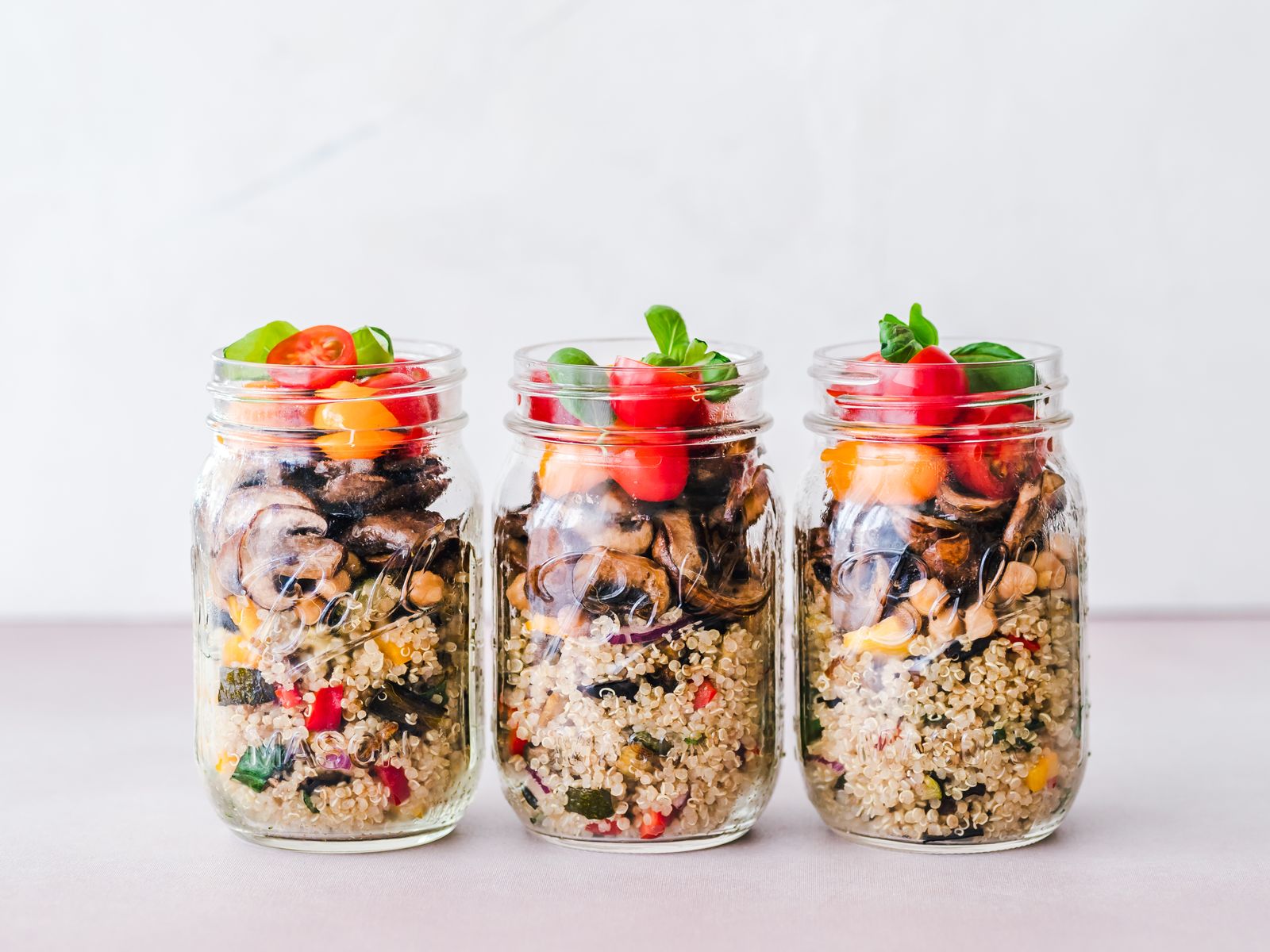
Timing depends on how much time you have. With 1 to 3 hours before class, a full small meal built around complex carbohydrates works best, oatmeal topped with fruit, whole grain toast with avocado, or a small bowl of rice with vegetables. Complex carbs digest slowly and release energy steadily rather than spiking and crashing mid-class.
With only 20 to 30 minutes before class, keep it lighter: a banana, a small handful of dried fruit, or a few crackers. Bananas specifically are useful here, they’re rich in fast-digesting carbohydrate and potassium, which supports muscle function and may help reduce cramping during an intense session.
What to avoid beforehand: high-fat or high-fiber foods close to class time. Both slow digestion, which can leave you feeling sluggish or dealing with stomach discomfort mid-choreography, exactly when you don’t want it.
What to Eat After a Zumba Class
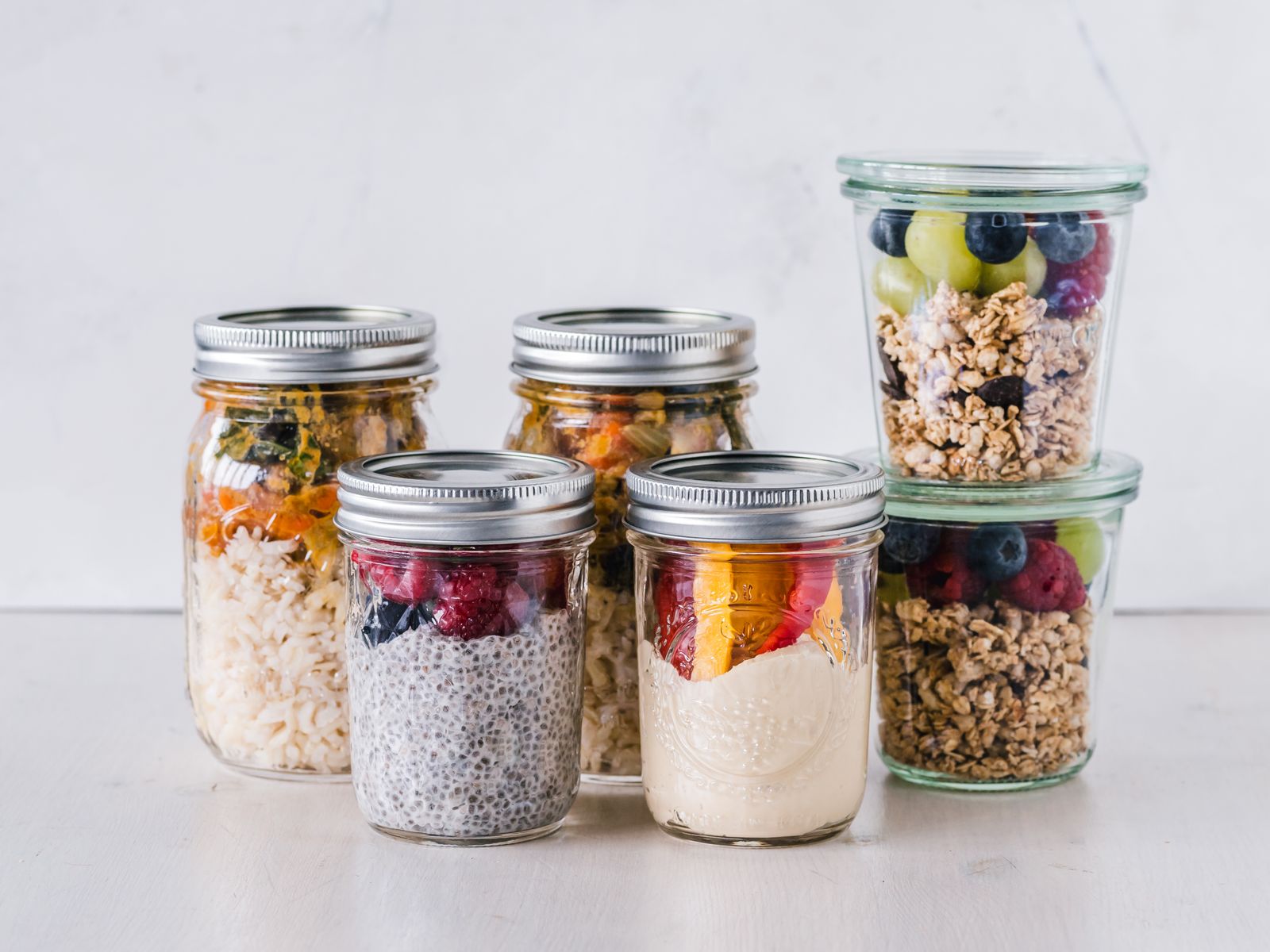
Your post-class window is about repair and replenishment, and it works best within 30 to 60 minutes of finishing. Protein in the 15 to 25 gram range supports the muscle repair process, grilled chicken, fish, tofu, eggs, or a protein shake all get you there efficiently. Carbohydrates alongside that protein replenish the glycogen stores your muscles burned through, white rice, a baked potato, or fruit are straightforward options.
A few combinations that hit both targets at once: a protein smoothie blending fruit, protein powder, and milk or a plant-based alternative. Greek yogurt with granola and berries. A chicken and vegetable stir-fry with rice, if you’re eating a full meal rather than a quick recovery snack.
Why This Timing Actually Matters
The mechanism is straightforward once you understand what a Zumba class actually costs your body. A 45 to 60 minute session burns through stored glycogen, your muscles’ primary fuel source, and causes minor muscle fiber damage from repeated movement, the same process behind any resistance or cardio exercise. Eating carbohydrates afterward starts refilling glycogen stores. Eating protein starts the repair process for the muscle fibers that took the load. Skip both, and you’re asking your body to recover from tomorrow’s class using whatever’s left over from today, which compounds into fatigue over a week of consistent training.
This connects directly to the recovery process more broadly. Our guide to recovery and rest days for Zumba covers the other half of the equation, since nutrition and rest work together, not as substitutes for each other.
Hydration Is Part of the Nutrition Picture Too
Fluid loss through sweat during a Zumba class is significant enough that hydration deserves the same attention as food timing. Water alone often isn’t enough after a particularly long or intense session, since you’re also losing electrolytes through sweat. Our hydration for Zumba guide breaks down exactly how much to drink before, during, and after class, and when a sports drink with electrolytes is worth adding.
Adjusting Nutrition for Different Goals
If weight loss is your primary goal, the same pre and post-workout principles apply, the meal timing supports performance and recovery regardless of your calorie target, but your overall daily intake should sit in a moderate deficit rather than surplus. If muscle definition or strength is a bigger priority, slightly higher protein intake across the day, not just around your workout, supports that goal more directly. If you’re simply trying to sustain energy through a busy week of multiple classes, consistency in eating something before and after every session matters more than optimizing the exact grams.
Common Nutrition Mistakes Around Zumba
Training on a completely empty stomach, especially for morning classes, often backfires with lightheadedness or an early energy crash mid-class, even though it feels like it should support weight loss goals. Overcompensating after class with a much larger meal than the workout actually justifies is another common pattern, especially since Zumba’s fun, high-energy nature can make people feel like they’ve earned an oversized reward meal. Ignoring hydration in favor of only tracking food is a frequent gap, since dehydration affects performance and recovery just as much as nutrition timing does.
Adjusting for Morning, Afternoon, and Evening Classes
Timing your usual meals around class matters as much as what you eat. Morning classes are the trickiest, since most people don’t want a full meal right after waking up but also don’t want to train fully fasted for a long session. A small carbohydrate snack, half a banana or a few crackers, 15 to 20 minutes before an early class usually threads that needle without causing stomach discomfort.
Afternoon classes are the most flexible, since you likely have a normal lunch several hours beforehand that serves as your pre-workout fuel, with just a small top-up snack needed if it’s been more than three hours since eating. Evening classes require more planning around your day’s final meal, eating a regular dinner too close to class risks discomfort, while training on empty after a long day of work often leads to a flatter, less energetic session than the workout deserves.
Do Supplements Matter for Zumba Specifically?
For most recreational Zumba-goers, whole food covers pre and post-workout needs without requiring specialized supplements. A basic multivitamin can help fill dietary gaps for people with inconsistent eating patterns, but it’s not specific to Zumba performance. Protein powder is a convenience tool, not a requirement, useful mainly for people who struggle to hit their post-workout protein target through food alone due to time constraints or appetite right after intense exercise. Creatine and other performance supplements common in strength-training circles have limited specific relevance to a dance cardio format like Zumba, where the primary demands are cardiovascular and coordination-based rather than maximal strength output.
Zumba Nutrition Quick Guide
| Timing | Recommendation |
|---|---|
| Pre-workout (1-2 hrs before) | Light carbs plus protein, e.g. banana with peanut butter |
| During class | Water, small sips as needed |
| Post-workout (within 30-60 min) | Protein plus carbs to support recovery |
Frequently Asked Questions About Zumba Nutrition
What should I eat 30 minutes before Zumba?
Keep it light and fast-digesting: a banana, a small handful of dried fruit, or a few plain crackers. Anything heavier risks stomach discomfort once the high-intensity choreography starts.
Is it bad to do Zumba on an empty stomach?
For most people, yes, especially for longer or more intense classes. Training fasted can lead to lightheadedness, reduced performance, and an early energy crash. If you genuinely prefer fasted training and tolerate it well, a shorter, lower-intensity session is a safer fit than a full high-energy class.
How much protein do I need after Zumba?
15 to 25 grams within 30 to 60 minutes of finishing class is a reasonable target for most people, achievable through a protein shake, Greek yogurt, eggs, or a portion of lean meat or fish.
Can I lose weight and still eat before Zumba?
Yes, and skipping pre-workout food to save calories often backfires by reducing performance and how many calories you actually burn during class. A light, low-calorie pre-workout snack supports better performance without meaningfully undermining a weight loss goal.
What’s the best post-Zumba meal for weight loss?
A combination of lean protein and moderate carbohydrates in appropriate portions, grilled chicken with vegetables and a small serving of rice, or a protein smoothie with fruit, supports recovery without exceeding a moderate calorie deficit.
Do I need to eat differently for a morning Zumba class versus an evening one?
Somewhat, mainly around timing rather than food choice. Morning classes work best with a small, fast-digesting snack shortly beforehand, since a full meal right after waking often feels heavy during high-intensity movement. Evening classes give you more flexibility to rely on your day’s normal meals as pre-workout fuel, provided the last full meal wasn’t eaten too close to class time.
Ready to Fuel Your Next Class Properly?
Getting your nutrition timing right makes every class feel better and helps you recover faster. Explore FitStrot’s Online Zumba Classes and start pairing your sessions with the right fuel.
Want the complete picture of what Zumba does for your body? Read our full breakdown of Zumba’s health benefits, or explore Online Zumba Classes to get started.