Drink 17 to 20 ounces of water 2 to 3 hours before class, another 8 ounces about 20 to 30 minutes beforehand, and 7 to 10 ounces every 10 to 20 minutes during class depending on your sweat rate and intensity. After class, replace roughly 16 to 24 ounces for every pound of body weight lost through sweat. Zumba’s constant movement and elevated heart rate produce a genuinely high sweat rate for a group fitness format, closer to running or cycling than to a casual gym session, which is exactly why hydration deserves more attention than it usually gets.
Here’s how to actually apply these numbers, the signs you’re falling behind on fluids, and when plain water isn’t enough.
How Much Water to Drink Before, During, and After Class
Before class, front-loading matters more than most people realize. Drinking 17 to 20 ounces two to three hours ahead gives your body time to absorb it and reach the bathroom before class starts, rather than sitting uncomfortably heavy in your stomach through the choreography. A smaller top-up, around 8 ounces, 20 to 30 minutes before class rounds this out without adding bulk right before you start moving.
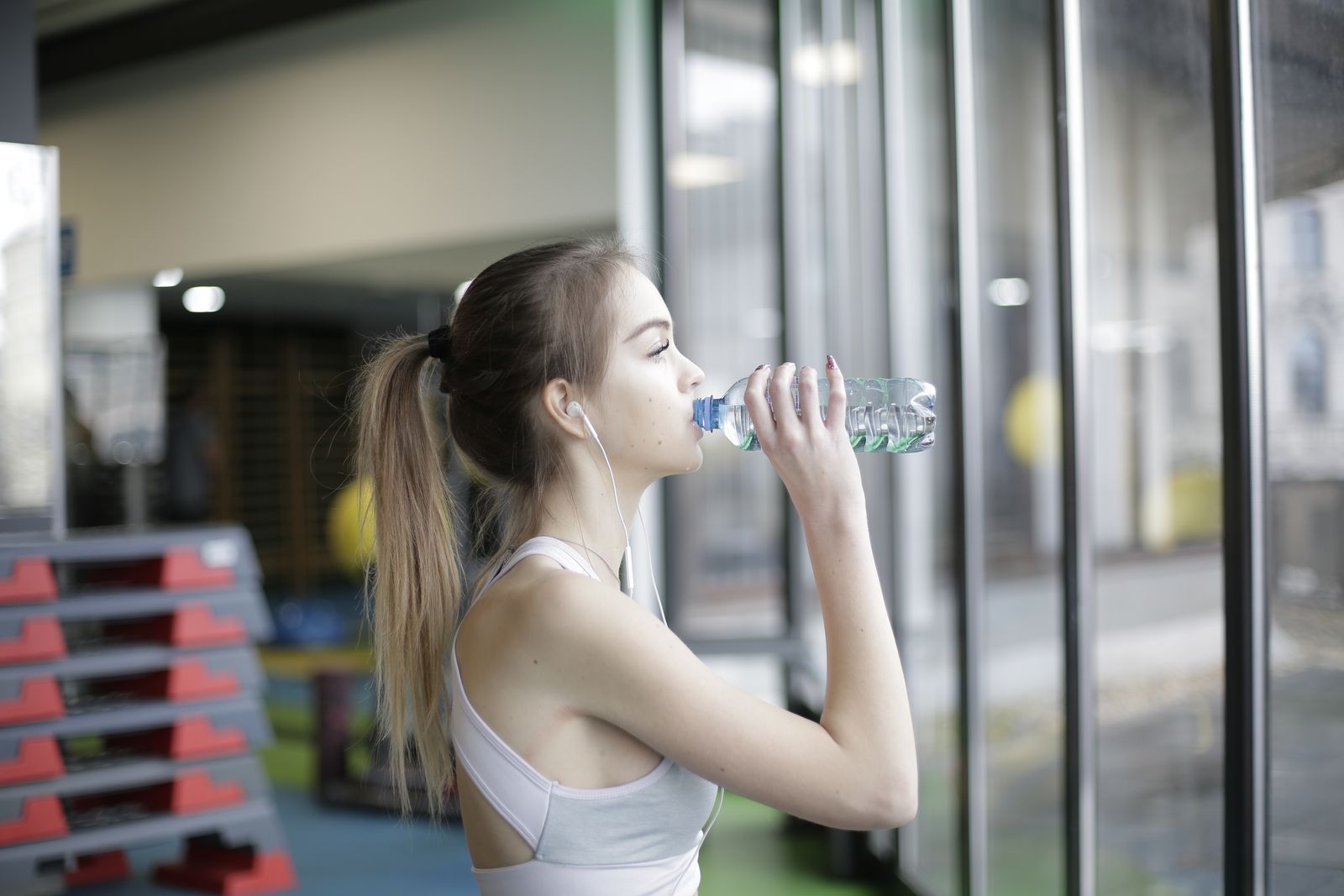
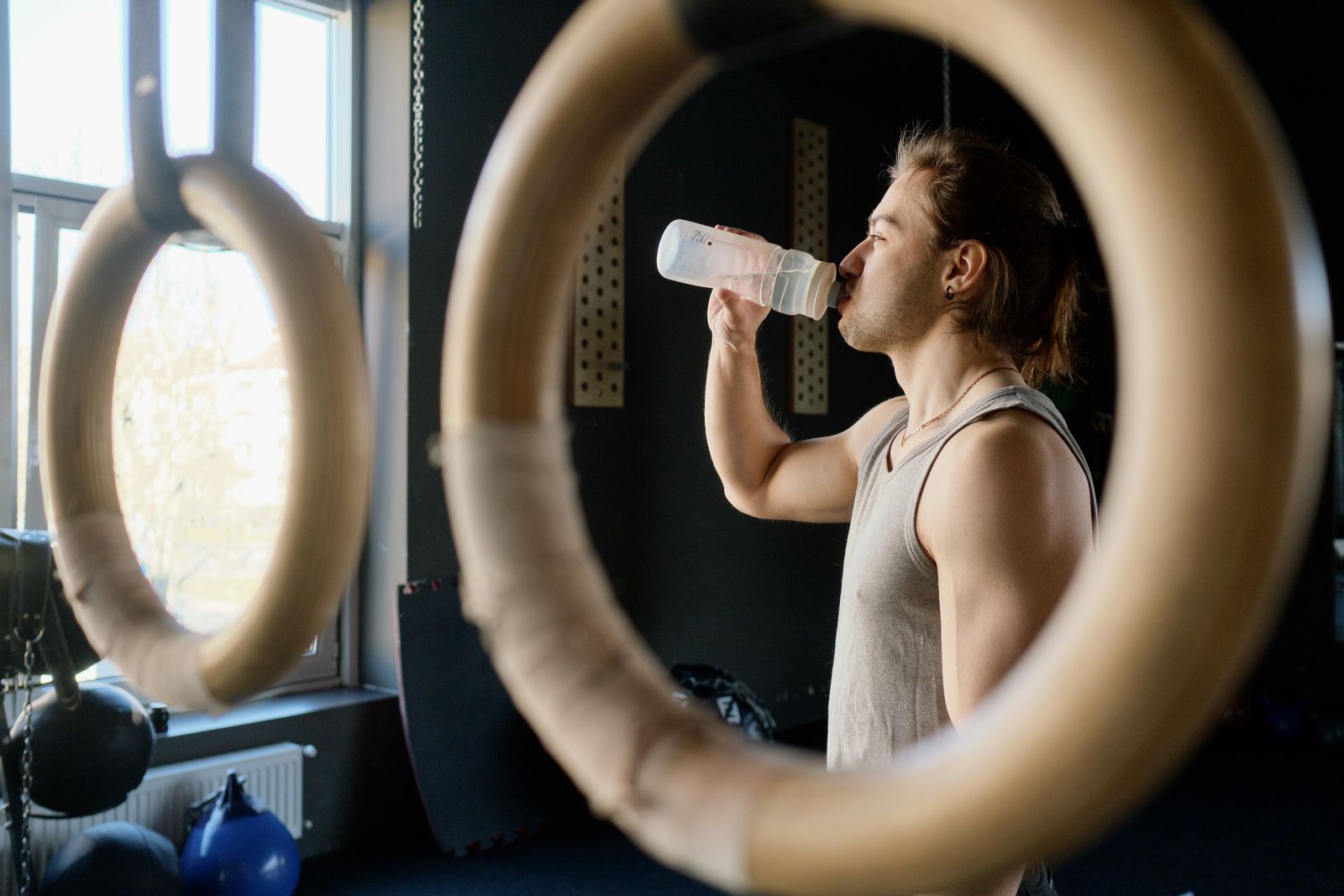
During class, small consistent sips work better than large gulps. Aim for roughly 7 to 10 ounces every 10 to 20 minutes, adjusted for how much you’re sweating and how intense the session is. Keep a water bottle within reach rather than relying on a single break to catch up, since falling behind early is hard to correct mid-class.
After class, the standard guideline is 16 to 24 ounces for every pound of body weight you lost through sweat. If you don’t want to weigh yourself before and after, a simpler proxy works fine: drink until your thirst is fully satisfied, then have a bit more, since thirst tends to lag slightly behind actual fluid need.
Signs You’re Not Drinking Enough
Dehydration during or after exercise shows up in fairly recognizable ways. A dry mouth that persists despite regular sipping. Fatigue that feels disproportionate to the workout’s actual intensity. Dizziness or lightheadedness, particularly when changing direction quickly during choreography. Muscle cramps, especially in the calves, which are a classic sign of both fluid and electrolyte imbalance. Noticeably dark urine after class, one of the more reliable practical indicators of hydration status.
If several of these show up regularly, your current hydration routine likely needs adjustment before your next class rather than after.
When Water Isn’t Enough: Electrolytes and Sports Drinks
Plain water covers most casual or shorter Zumba sessions well. Once a class runs long, over 60 minutes, or is particularly high-intensity with heavy sweating, you’re losing meaningful sodium and other electrolytes alongside water, and replacing water alone can actually dilute your remaining electrolyte balance rather than fixing the problem. In these cases, a sports drink or electrolyte tablet added to water helps restore that balance more effectively than water by itself.
This matters more in hot, humid environments or for people who sweat heavily by nature, both of which increase electrolyte loss beyond what a typical class produces.
Hydration and Recovery Are Connected
Fluid balance affects more than just how you feel during class. Proper hydration supports the muscle repair process that happens after you finish, and dehydration measurably slows that recovery window. Our guide to recovery and rest days for Zumba covers the fuller recovery picture, and hydration is one of the more overlooked pieces of it, often getting far less attention than sleep or nutrition despite playing a similarly direct role.
Nutrition timing works alongside hydration rather than separately from it. Our pre and post-workout nutrition guide covers what to eat around your hydration routine for the fullest recovery benefit.
Practical Hydration Tips for Regular Zumba-Goers
Bring a marked water bottle to track intake without doing math mid-class, many bottles now come with volume markers specifically for this purpose. Start hydrating the day before an intense class rather than only on the day itself, since chronic mild dehydration from the day before compounds into a worse starting point. Weigh yourself before and after a few sessions to calibrate your personal sweat rate, since it varies significantly between individuals and even between different class intensities. Adjust for climate and clothing, a heated studio or heavier workout clothes both increase sweat rate and fluid needs beyond a standard baseline.
How Climate and Studio Conditions Change Your Hydration Needs
A heated or poorly ventilated studio increases sweat rate substantially compared to a climate-controlled room, sometimes dramatically so, which means the same class can demand meaningfully more fluid replacement depending purely on room conditions. Hot, humid outdoor climates have a similar effect if you’re attending an outdoor Zumba session. In both cases, the standard hydration guidelines above should be treated as a floor, not a ceiling, increase your intake if you’re visibly sweating more than usual or training somewhere warmer than a typical air-conditioned gym.
Clothing matters too. Heavier workout clothes or anything that traps heat, common in colder-weather sessions where people overdress, increases sweat rate independent of the room temperature itself. Breathable, moisture-wicking fabric reduces this effect and is worth prioritizing over how an outfit looks.
Common Hydration Mistakes People Make Around Zumba
Waiting until you feel thirsty to start drinking is one of the most common mistakes, since thirst is a lagging indicator that shows up after you’re already somewhat behind on fluid needs. Chugging a large volume of water right before class starts, rather than spreading intake over the preceding hours, often causes stomach discomfort during high-intensity movement rather than solving the hydration problem. Relying entirely on how you feel rather than any tracking at all works for some people but leaves many others chronically under-hydrated without realizing it, since the body adapts to mild chronic dehydration in ways that mask the more obvious warning signs.
Zumba Hydration Quick Guide
| Timing | Recommendation |
|---|---|
| Before class | 16-20 oz water, 1-2 hours prior |
| During class | Small sips every 15-20 minutes |
| After class | 16-24 oz to replace sweat loss |
| Long/intense sessions | Consider electrolyte replacement |
Frequently Asked Questions About Zumba Hydration
How much water should I drink during a Zumba class?
Roughly 7 to 10 ounces every 10 to 20 minutes, adjusted for your individual sweat rate and the class’s intensity. Small, frequent sips work better than trying to catch up with large amounts during a single break.
Do I need a sports drink for Zumba, or is water enough?
Water is generally enough for shorter or lower-intensity sessions. For classes over about 60 minutes, high-intensity formats, or hot and humid conditions, a sports drink or electrolyte addition helps replace the sodium and other electrolytes lost through heavier sweating.
How do I know if I’m dehydrated after Zumba?
Dry mouth, disproportionate fatigue, dizziness, muscle cramps, and noticeably dark urine are the most common signs. If several appear regularly after class, your current hydration routine likely needs adjusting.
Should I drink water right before class starts?
A smaller top-up, around 8 ounces, 20 to 30 minutes before class is reasonable. Front-loading most of your pre-class hydration 2 to 3 hours ahead avoids the discomfort of a full stomach once movement starts.
Can dehydration affect my Zumba performance?
Yes, directly. Even mild dehydration reduces endurance, coordination, and heat tolerance, all of which matter during a fast-paced, choreography-heavy class. Proper hydration is one of the simplest, most controllable factors in how a class actually feels.
Is coconut water a good alternative to sports drinks for Zumba?
It can work reasonably well for moderate-length sessions, since it naturally contains potassium and some electrolytes, though typically less sodium than a dedicated sports drink. For shorter or lower-intensity classes it’s a fine option; for longer, heavy-sweat sessions, a sports drink or electrolyte tablet formulated with more sodium is generally more effective at replacing what’s actually lost.
Ready to Train Properly Hydrated?
Getting hydration right is one of the easiest changes that noticeably improves how every class feels. Explore FitStrot’s Online Zumba Classes and bring a proper hydration routine into your next session.
Want the complete picture of what Zumba does for your body? Read our full breakdown of Zumba’s health benefits, or explore Online Zumba Classes to get started.