Yes, you can lose weight during Navratri — but only if you rethink how the traditional fasting foods are cooked, not just what you eat. The 9-day fast itself isn’t the problem: sabudana, kuttu atta, singhara flour, paneer, fruits, and potatoes are all reasonably nutritious on their own. The problem is that most of us deep-fry them into vadas, chips, and puris, then eat them in portions that would be generous even on a non-fasting day. Swap the frying oil for baking or air-frying, control your sabudana portions, and add more protein from paneer, dairy, and makhana, and Navratri can genuinely support a modest calorie deficit instead of undoing months of effort in nine days.
Why does everyone gain weight during Navratri instead of losing it?
The irony of Navratri fasting is well documented: a fast meant to be a period of restraint often turns into 9 days of fried snacking. Sabudana vada, kuttu ki puri, and aloo chips are deep-fried, and because they “count” as fasting food, people eat them without the usual guilt or portion control. Sabudana itself is also a high-glycemic-index carbohydrate — its GI sits around 70, considered high — so you get refined-feeling starch, added oil, and larger-than-usual servings across multiple meals a day.
It isn’t the ingredient list that sabotages weight loss goals, it’s the preparation and portion size. A cup of plain boiled sabudana is roughly 120-140 kcal, but the same cup turned into deep-fried vada easily crosses 300-350 kcal once it has absorbed oil. Multiply that across two or three meals a day for nine days, and the calorie math stops looking like a fast at all. If your goal is genuine weight loss, the fix isn’t avoiding Navratri foods — it’s changing how they’re cooked and how much you eat in one sitting.
What can you actually eat during a Navratri fast?
Most Navratri fasting rules exclude regular wheat flour, rice, semolina, besan, onion, and garlic, but allow a specific set of substitutes:
- Grain substitutes: sabudana (tapioca pearls), kuttu atta (buckwheat flour), singhara atta (water chestnut flour), rajgira (amaranth), and samak/samo rice (barnyard millet)
- Protein sources: paneer, curd, milk, and makhana (fox nuts)
- Vegetables: potato, sweet potato, pumpkin, bottle gourd, cucumber, and arbi (colocasia)
- Fruits and nuts: bananas, apples, pomegranate, melons, almonds, and peanuts
- Fats/seasoning: ghee, rock salt (sendha namak), cumin, and green chilies
This is a genuinely workable list for a calorie-conscious diet — the issue is rarely the ingredients, it’s that potatoes get deep-fried into chips and kuttu atta becomes puri instead of roti. See our guide on what to eat during fasting for principles that apply across religious and cultural fasts.
How do you make sabudana less likely to spike your blood sugar and appetite?
Sabudana’s high glycemic index means it digests quickly and can leave you hungry again within a couple of hours, tempting you toward another round of snacking. Three adjustments help:
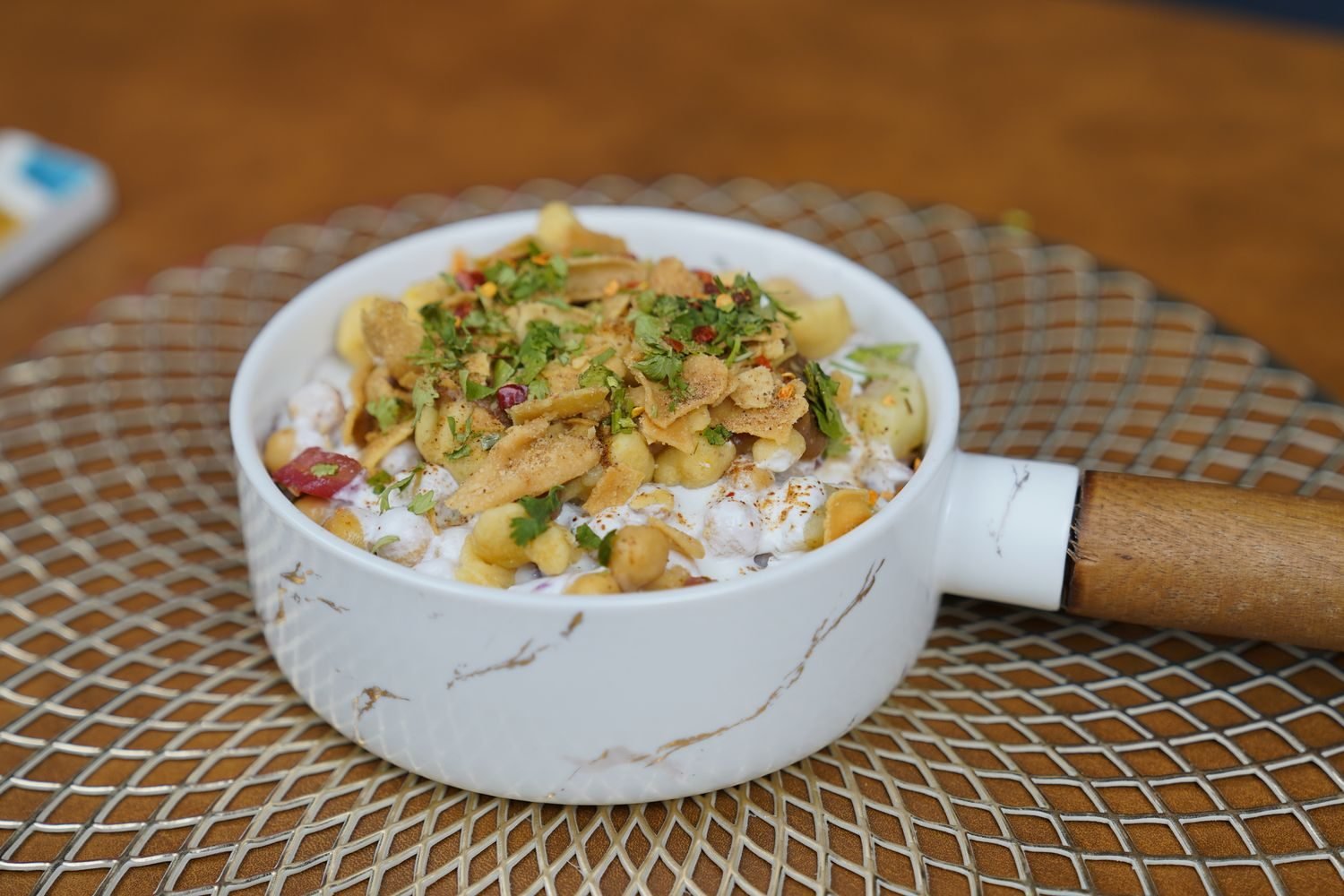
- Pair it with protein and fat. Roasted peanuts, a spoon of curd, or a side of paneer with your sabudana khichdi slows gastric emptying and blunts the blood sugar spike.
- Watch your portion, not just the ingredient. One cooked cup of sabudana khichdi (around 150-180g) is a reasonable serving. The common mistake is treating it as “safe” and eating two or three servings across the day — measure it rather than eyeballing it from the pan.
- Boil or steam it instead of deep-frying. Sabudana vada is the biggest calorie trap of the season. Steam sabudana into a tikki and pan-sear with a teaspoon of ghee, or bake at 200°C for 15-18 minutes until golden.
What are healthier swaps for the usual fried Navratri snacks?
You don’t need to give up any traditional dish — you need to change the cooking method and, sometimes, the flour-to-filling ratio. Here are the swaps that make the biggest difference:
- Sabudana vada → Baked or air-fried tikki: shape the same mixture into patties, brush lightly with oil, and air-fry at 180°C for 12-15 minutes or bake until crisp.
- Deep-fried potato chips → Roasted potato wedges: toss boiled wedges in rock salt and cumin with a teaspoon of oil, then roast or air-fry until crisp.
- Kuttu ki puri → Kuttu roti or chilla: cook the dough as a flatbread on a dry or lightly-oiled tawa instead of deep-frying it.
- Sweetened lassi → Plain curd or buttermilk: chaas with roasted cumin and mint is lower in calories and helps with hydration and digestion.
- Fried makhana → Roasted makhana: dry-roast with a few drops of ghee and rock salt for a crunchy, protein-and-fiber snack.
Most of the “fried” flavor actually comes from the salt and spice coating, not the oil itself — these swaps don’t compromise on taste as much as people expect. For ongoing weight management beyond these nine days, see how calories actually work.
How much protein do you need while fasting, and where does it come from?
Navratri fasting foods lean heavily on starches — sabudana, singhara atta, and potatoes are all carbohydrate-dominant, with sabudana containing barely 0.2g of protein per 100g. Without a deliberate protein source, constant hunger often drives mindless snacking by evening. Navratri-permitted foods include solid protein options:
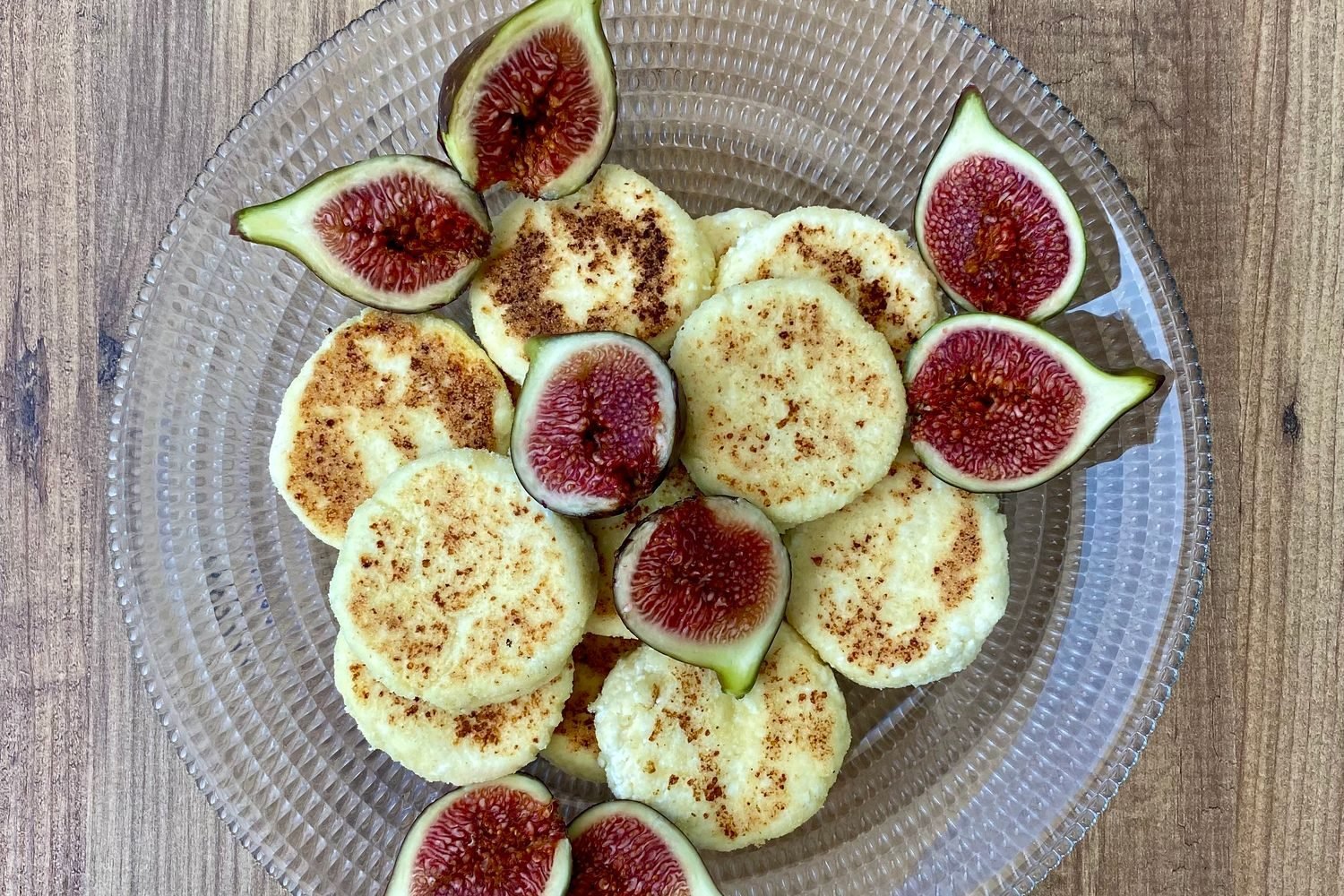
- Paneer: roughly 18-20g of protein per 100g, versatile enough for kuttu chilla, curries, or pan-seared with rock salt and spices
- Curd and milk: around 3-4g of protein per 100g, and supports gut health when fiber intake shifts during the fast
- Makhana: about 9-10g of protein per 100g when roasted, plus fiber that helps with satiety
- Peanuts: commonly used in sabudana preparations, and a good source of protein and healthy fats
Include at least one of these in every fasting meal rather than as garnish. Sabudana khichdi with a side of curd and roasted peanuts is far more balanced than sabudana alone, and keeps you fuller for longer — often the real difference between a fast that supports weight goals and one that works against them.
How do you stay hydrated and energized through a 9-day fast?
Fasting foods during Navratri tend to be lower in fiber and water content than a typical daily diet, especially if fruit and vegetable intake drops. Combine that with festival activity — garba, late nights, temple visits — and dehydration or energy crashes become common complaints during the nine days.
- Build hydration into the day, not just around meals. Coconut water, buttermilk (chaas), lemon water with a pinch of rock salt, and herbal teas all count toward fluid intake and replace electrolytes lost through sweat if you’re dancing or exercising in the evenings.
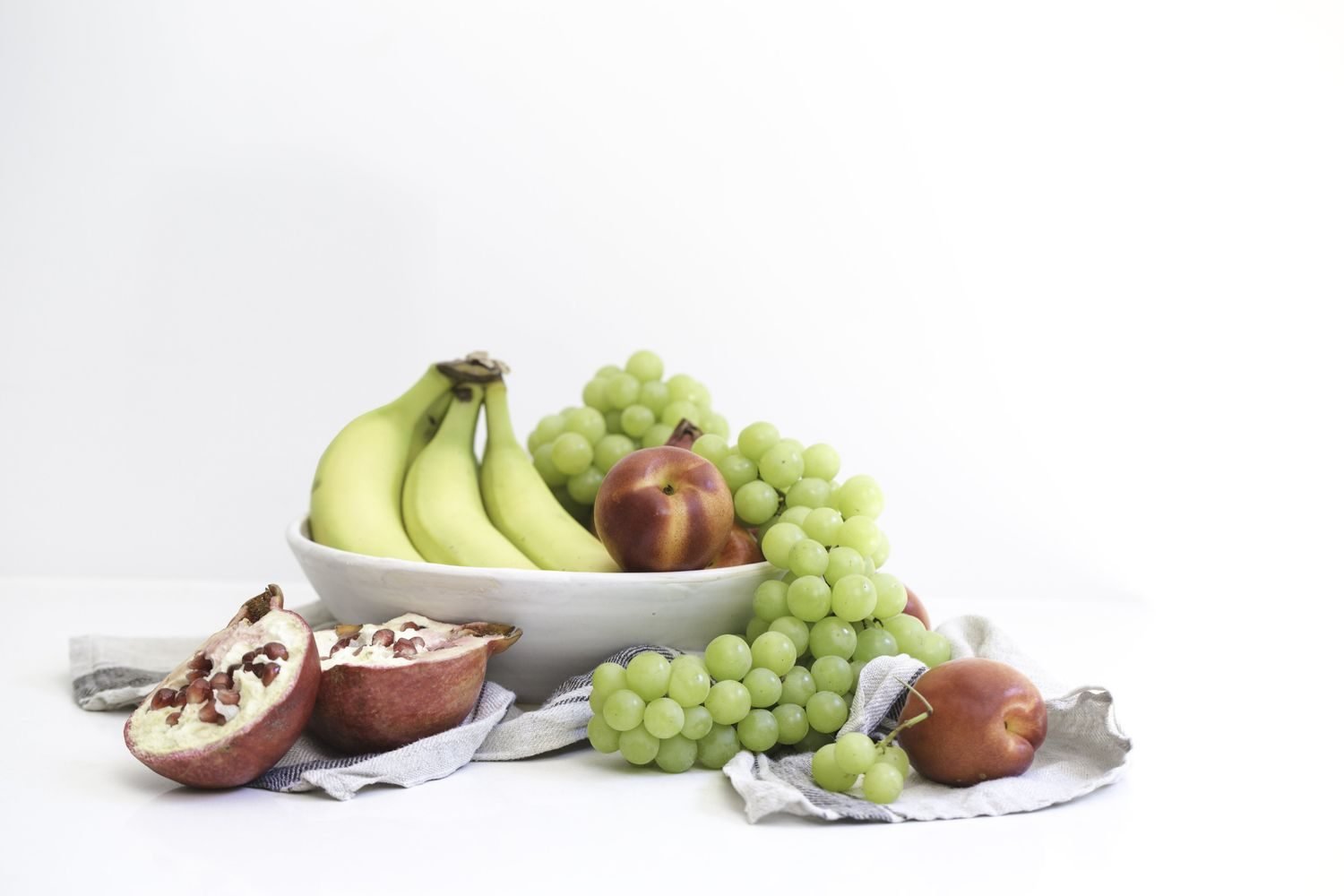
- Don’t skip fruit. Bananas, apples, pomegranate, and melons provide fiber, water, and natural sugars that are far gentler on energy levels than relying on sabudana alone for every meal.
- Eat smaller meals more frequently. Splitting intake into 3-4 smaller meals instead of two large ones keeps blood sugar and energy more stable and reduces the temptation to overeat later. This mirrors the meal-timing principle behind intermittent fasting, where consistent, moderate meals work better than skipping to the point of extreme hunger.
What does a sample healthy Navratri day of eating look like?
There’s no single fixed plan since Navratri diets vary by region and household, but a balanced structure across the day might look like this:
| Time of Day | What to Eat |
|---|---|
| Early morning | Warm water with lemon, followed by a handful of soaked almonds |
| Breakfast | Roasted makhana with a small bowl of curd, or a kuttu chilla with mint chutney |
| Mid-morning | A piece of fruit — apple, banana, or pomegranate |
| Lunch | Sabudana khichdi (one measured cup) with roasted peanuts, cucumber, and curd |
| Evening | Buttermilk or coconut water, plus roasted makhana if hunger strikes before dinner |
| Dinner | Singhara or kuttu atta roti with paneer sabzi and a light vegetable like pumpkin or bottle gourd |
This isn’t about eating less overall — it’s about spacing carbohydrate-heavy staples across the day, pairing them with protein, and reserving fried preparations for occasional treats rather than daily defaults.
Is it safe to combine Navratri fasting with a weight loss goal?
For most healthy adults, yes — treating Navratri as a structured, home-cooked eating window with fewer processed foods can genuinely support weight management, similar to how many people approach Ramadan fasting as a chance to reset eating habits. That said, Navratri isn’t a calorie-restriction fast in the same sense — you’re eating a different set of foods, not necessarily less often. The actual deficit or surplus comes down to preparation method and portion size, as on any other day.
If you have diabetes, are pregnant, or have a history of disordered eating, a structured fast is worth discussing with a doctor or dietitian first, since sabudana’s high GI and reduced protein variety can affect blood sugar management differently than your usual diet.
Frequently Asked Questions
Can I lose weight during Navratri fasting?
Yes, if you control portions and avoid deep-fried preparations. Navratri foods like sabudana and potatoes are calorie-dense once fried, so switching to baked, steamed, or roasted versions and eating measured portions across 3-4 smaller meals a day is what creates the deficit, not the fast itself.
Is sabudana good or bad for weight loss?
Sabudana isn’t “bad” — cooked, it’s about 120-140 kcal per 100g — but it has a high glycemic index (around 70) and almost no protein or fiber. Eaten in large portions or deep-fried into vada, it works against weight loss; paired with peanuts or curd in a controlled portion, it’s fine.
What should I avoid during Navratri fasting to prevent weight gain?
The biggest contributors are deep-fried snacks (sabudana vada, kuttu puri, potato chips), oversized portions of sabudana dishes, sweetened drinks and desserts, and skipping protein sources like paneer, curd, and makhana in favor of carbohydrate-only meals.
What are the best protein sources during a Navratri fast?
Paneer (about 18-20g protein per 100g), curd, milk, makhana, and peanuts are all permitted under most Navratri fasting rules and provide meaningfully more protein than sabudana or singhara atta alone. Including one of these in every meal improves satiety and reduces snacking on fried foods.
Can I exercise while fasting during Navratri?
Light to moderate activity like walking, yoga, or garba dancing is generally fine and even helpful for energy levels and digestion, as long as you’re eating enough protein and staying hydrated with water, coconut water, or buttermilk. Avoid high-intensity training if your calorie intake has dropped significantly compared to your normal diet.
Navratri gives you nine days of naturally home-cooked, less-processed eating — the kind of reset that’s hard to build into a normal week. The only thing standing between that and unwanted weight gain is the frying pan and the portion size, both of which are easy to adjust once you know where the calories are actually coming from. If you’d like a fasting-friendly meal plan built around your own goals, health history, and the specific foods your household prepares during Navratri, an online nutritionist consultation can help you put one together before the festival starts.