The single most important rule for what to eat during fasting is this: it isn’t really about what you eat during the fast (nothing, by definition) — it’s about what you eat the moment you break it. A small, protein-and-fiber-forward meal with some healthy fat, eaten slowly and paired with fluids and electrolytes, is the safest and most effective way to end any fast, whether that’s a 16-hour intermittent fasting window, a full-day religious fast, or a multi-day water fast. Get this transition wrong — by diving into a large, sugar-and-refined-carb-heavy meal — and you can undo the benefits of the fast, trigger uncomfortable bloating and blood sugar swings, or in rare but serious cases involving prolonged fasts, risk refeeding syndrome.
This guide applies across fasting types. Whether you’re doing time-restricted eating, observing Navratri or Ramadan fasts, or fasting for a medical procedure, the physiology of “breaking a fast well” doesn’t change much. Below is a general, food-first reference you can return to no matter which fast you’re following.
What should your first meal after fasting actually contain?
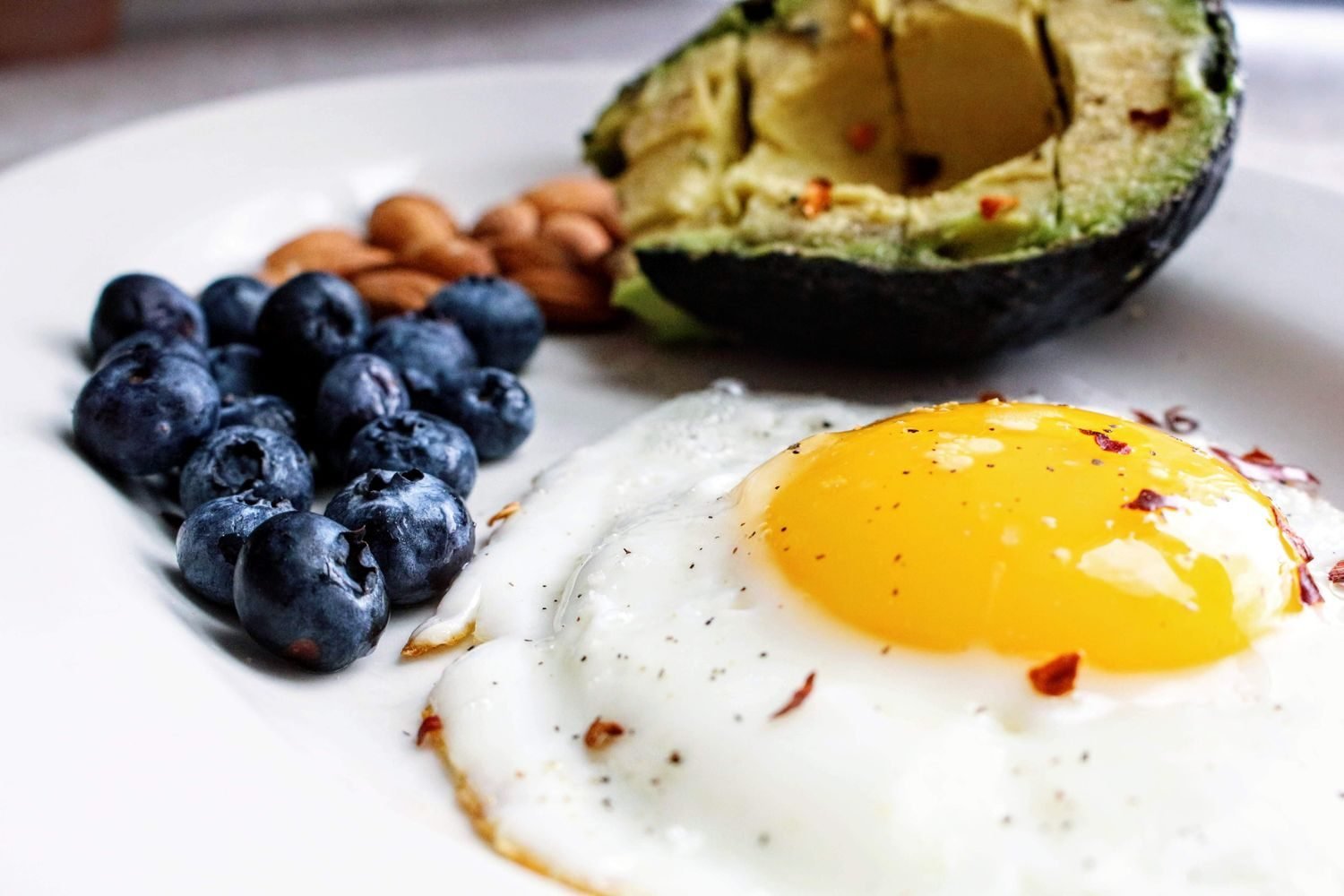
Your first post-fast meal should prioritize three things, in this order: protein, fiber, and healthy fats — with a modest portion of complex carbohydrates if you want them. This combination is satiating, digests at a manageable pace, and helps stabilize the blood sugar spike that naturally happens when you reintroduce food after hours without it.
- Protein (roughly 25–30 grams): Protein is the most satiating macronutrient — it slows gastric emptying, blunts the hunger hormone ghrelin more effectively than carbs or fat, and helps preserve muscle. Eggs, Greek yogurt, paneer, dal, grilled chicken, fish, or tofu are all solid choices.
- Fiber-rich vegetables: Cooked (not raw) vegetables like spinach, pumpkin, carrots, or zucchini add volume and micronutrients without overwhelming a digestive system that’s just waking up. Fiber also triggers satiety hormones like GLP-1 and peptide YY, so you feel fuller on fewer calories.
- Healthy fats: A quarter of an avocado, a drizzle of olive oil, a small handful of nuts, or seeds like flax or chia add staying power and help you absorb fat-soluble vitamins from the vegetables you’re eating alongside them.
What you want to avoid in that first bite is a large plate of refined carbohydrates — white bread, fried snacks, sugary drinks, or a big bowl of rice or pasta. These spike blood glucose quickly, which for many people cancels out much of the metabolic benefit the fast was meant to provide and can leave you hungrier an hour later than when you started eating.
How should you pace your first meal after a fast?
Pace matters as much as content. For everyday fasts (12–16 hours, like most intermittent fasting windows), a normal-sized balanced meal eaten at a relaxed pace is fine — there’s no medical need to “ease in” gradually. For longer fasts (24 hours or more, such as a full-day religious fast or extended water fast), easing back in matters more.
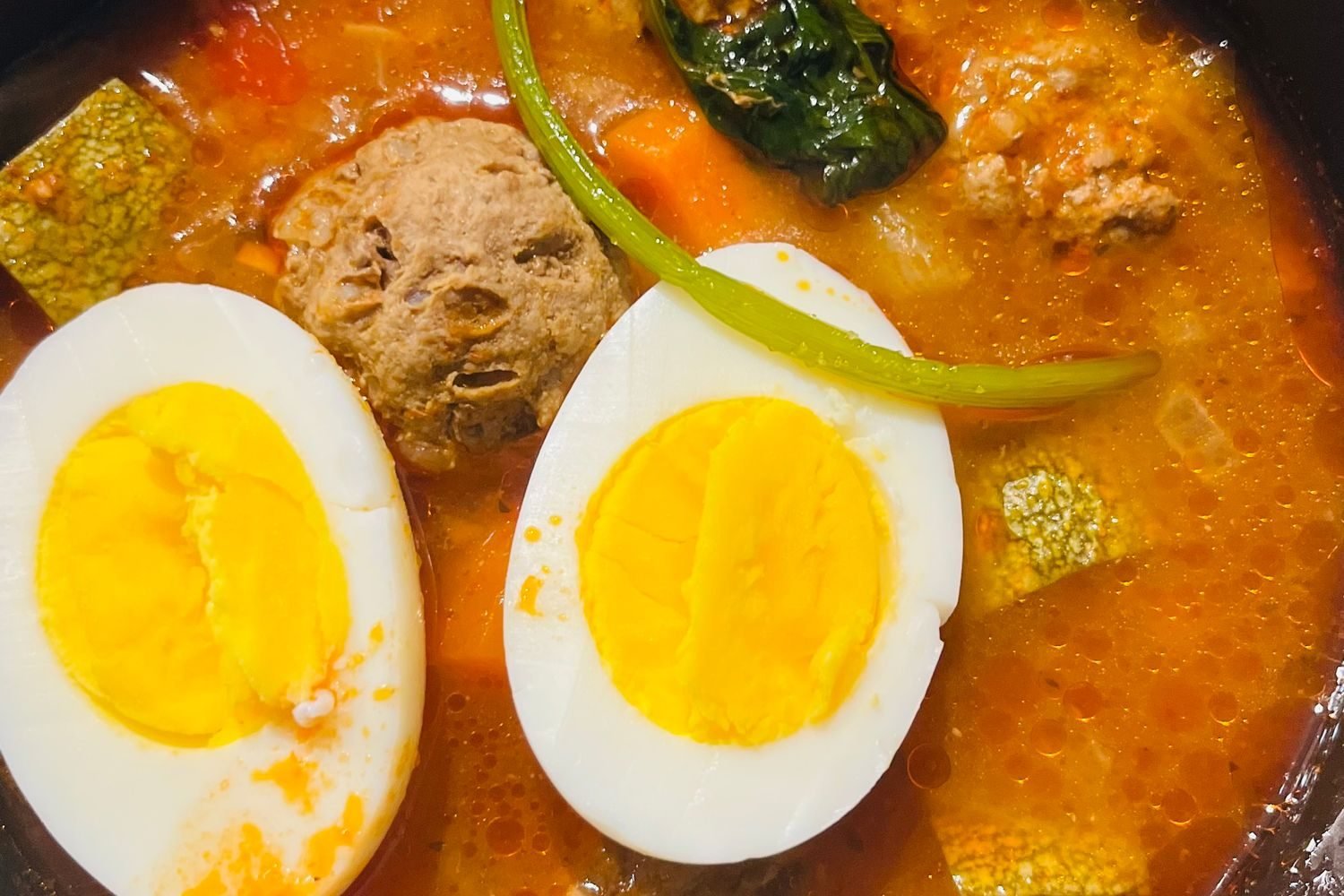
A practical approach: start with something light and easy to digest — a small bowl of soup, a boiled egg, or a small portion of dal — and wait 20–30 minutes before eating more. This gives your digestive system, which has been quiet, time to restart without the bloating, cramping, or nausea that can come from a sudden, large meal. If you fasted for multiple days, a general guideline used by clinicians is to spend roughly half as many days refeeding gradually as you spent fasting, working back up to normal portions and food variety in stages.
Why does eating too fast or too much after fasting backfire?
Two separate problems can show up if you break a fast carelessly, and it’s worth knowing both.
The first is simply uncomfortable: a large meal, especially one heavy in refined carbs and fried food, hits a digestive system that has slowed down during the fast. The result is often bloating, sluggishness, acid reflux, or a blood sugar crash an hour or two later that leaves you craving more food — essentially undoing the appetite control the fast was supposed to help with.
The second is more serious and applies specifically to people who have fasted for extended periods (generally several days or more, or anyone who was already malnourished going in): refeeding syndrome. According to research published via the National Center for Biotechnology Information (NCBI), refeeding syndrome is a set of metabolic disturbances — including dangerously low phosphate, potassium, and magnesium levels — that can occur when the body shifts from burning fat back to processing carbohydrates too quickly. The insulin surge that comes with reintroducing food pulls these electrolytes out of the bloodstream and into cells, and if reserves were already depleted, blood levels can drop low enough to affect heart rhythm and nerve function. This is rare for typical intermittent fasting or single-day religious fasts, but it’s a real risk for water fasts lasting several days or longer. Clinical sources recommend medical supervision for fasts beyond 3–5 days, particularly for anyone underweight, elderly, or with a history of disordered eating. If that applies to you, don’t refeed on your own — talk to a doctor or dietitian first.

How much water and electrolytes do you actually need during and after fasting?
Hydration is not optional during a fast, and it becomes even more important the longer the fast runs. When insulin levels drop during fasting, the kidneys release more stored water and sodium than usual, which drags other electrolytes along with it — this is why people report headaches, fatigue, or muscle cramps partway through longer fasts.
A reasonable starting framework for most healthy adults doing extended fasting is to add back roughly 1,000–2,000 mg of sodium, 1,000 mg of potassium, and 200–400 mg of magnesium across the day, ideally in small doses rather than all at once, alongside plain water. In food terms, that looks like a pinch of salt in water or broth, a banana or coconut water for potassium, and leafy greens or nuts for magnesium once you’re eating again. If you’re fasting for a single day, like many religious fasts, focus on drinking enough water and including naturally electrolyte-rich foods — coconut water, buttermilk, watermelon, bananas — at your pre-dawn or post-sunset meals rather than relying on supplements. Anyone on blood pressure medication, diuretics, or with kidney issues should check with a doctor before adding electrolyte supplements, since needs vary by individual health status.
Does what you eat during fasting differ by fasting type?
The core principles — protein and fiber first, ease in gradually, hydrate, avoid refined sugar as your opening move — hold across fasting styles, but the details shift a bit:
- Intermittent fasting (16:8, 18:6, etc.): Because the fasting window is daily and relatively short, your “break-fast” meal can be close to a normal balanced meal right away. Consistency across days matters more than perfecting any single meal. If you’re new to this style of eating, a dedicated intermittent fasting for beginners guide can help you structure your eating window properly.
- Religious or cultural fasts (Navratri, Ramadan, Ekadashi): These often combine food restrictions (no grains, no meat, sunrise-to-sunset timing) with the general refeeding principles above. The same protein-fiber-fat approach applies within whatever foods are permitted — see our Navratri diet plan and Ramadan diet plan for fast-specific food lists.
- Extended or multi-day fasts: These carry the highest refeeding risk and need the most gradual, supervised reintroduction of food, as covered above.
Protein intake across the rest of your eating day matters just as much as the first meal. If you’re unsure how much protein you need or which sources fit your goals, our protein and nutrition guide breaks this down.
What are some simple, ready-to-eat “break-fast” meal ideas?
If you want concrete options rather than principles, here are combinations that hit protein, fiber, and healthy fat without overloading your digestive system:
- Two boiled eggs with a small side of sautéed spinach and a few slices of avocado
- A bowl of moong dal (lentil soup) with a spoon of ghee and steamed vegetables
- Greek yogurt with a tablespoon of flaxseed and a small handful of berries
- Grilled chicken or paneer with roasted pumpkin or sweet potato and a drizzle of olive oil
- A protein smoothie with unsweetened milk or yogurt, a spoon of nut butter, and spinach
- Vegetable and lentil soup with a small piece of whole-grain bread
Notice none of these are large meals or dominated by refined carbs — each one is built around a protein source, a vegetable or fiber source, and a small amount of fat.
Frequently Asked Questions
What’s the best food to break a fast with?
There’s no single “best” food, but easily digestible, protein-rich options work well — a boiled egg, a small bowl of dal or lentil soup, or plain Greek yogurt. Pair with a cooked vegetable for fiber. Avoid starting with sugary drinks, pastries, or fried food, which spike blood sugar and can cause digestive discomfort right after fasting.
Can I drink coffee or tea while fasting?
Plain black coffee or unsweetened tea generally doesn’t break a fast in the intermittent fasting sense, since they contain minimal calories. However, during religious fasts with specific rules (like Navratri or Ramadan), check the specific guidelines for your practice, as some traditions restrict caffeine or require complete abstention from all intake during fasting hours.
How long should I wait before eating a full meal after a long fast?
For fasts under 24 hours, a normal balanced meal is generally fine right away. For multi-day fasts, clinical guidance suggests refeeding gradually over roughly half the number of days you fasted, starting with small, easily digestible portions and slowly increasing size and variety over 24–72 hours.
Is it normal to feel bloated after breaking a fast?
Mild bloating can happen, especially if you eat quickly or choose high-fiber raw vegetables or carbonated drinks first. It usually settles within an hour or two. Persistent pain, severe bloating, or nausea is a sign to eat more slowly next time and stick to smaller, simpler meals.
Do I need electrolyte supplements for a 16-hour intermittent fast?
Usually not. For daily 14–18 hour fasting windows, most people can maintain electrolyte balance through normal meals — including a pinch of salt, fruits, and vegetables. Supplemental electrolytes become more relevant for fasts lasting 24 hours or longer, or if you notice headaches, dizziness, or cramping.
What if I’ve been fasting for more than 3 days?
Fasts beyond 3–5 days carry a real, if uncommon, risk of refeeding syndrome, particularly in anyone who was underweight or nutritionally depleted beforehand. This isn’t something to manage through trial and error — speak with a doctor or dietitian before and while refeeding.
Getting the refeeding part right is often what separates a fasting practice that actually supports your goals from one that leaves you feeling worse than before you started. If you want a plan tailored to your specific fasting schedule, health history, and goals, an online nutritionist consultation can help you build a refeeding approach that fits your body rather than a generic template.