A practical low-carb Indian food list looks like this: leafy greens (palak, methi, sarson), cruciferous vegetables (cauliflower, cabbage), gourds (lauki, tinda, turai), paneer, eggs, chicken, fish, tofu, and moderate portions of dals like moong and masoor — while rice, roti, and most grains stay off the plate or shrink to token amounts. Indian cuisine is built around carbohydrate staples in a way Western low-carb eating usually isn’t, so this list matters more here than it would for someone simply skipping bread and pasta.
If you’re exploring whether a low-carb approach makes sense for you at all, our companion piece on low-carb diet benefits and risks covers the evidence. This article is the food list — what to actually put on your plate, thali after thali, if you’re eating low-carb in an Indian kitchen.
Which Indian vegetables are naturally low in carbs?
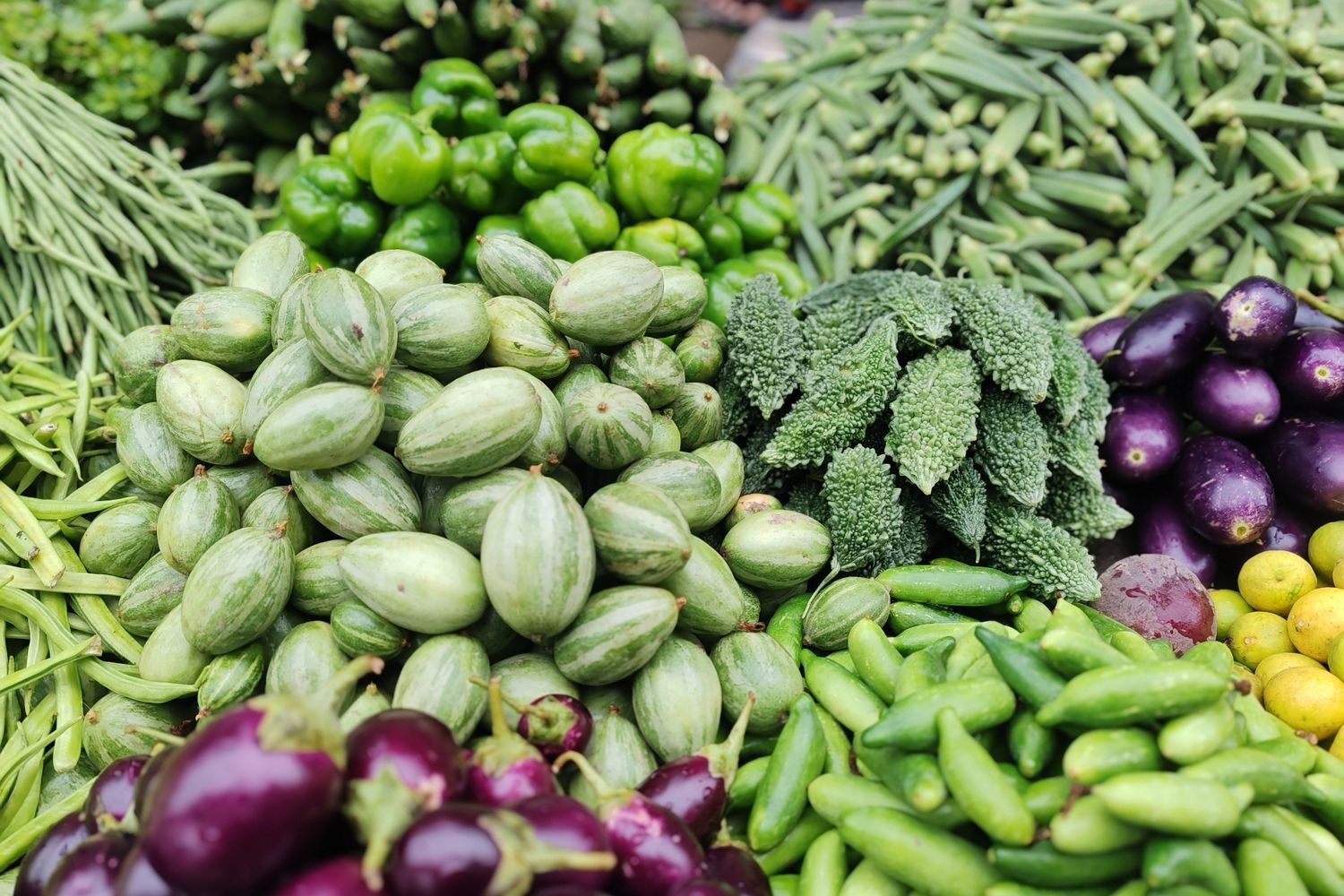
Most Indian sabzis are already vegetable-forward — the good news. The vegetables below sit in the 2-7g net carb range per 100g, making them the backbone of any low-carb Indian thali.
| Vegetable | Net carbs per 100g | Common uses |
|---|---|---|
| Leafy greens (palak, methi, sarson, amaranth) | Under 4g | Palak paneer, sarson ka saag (without the makki roti) |
| Cauliflower (gobi) | Around 5g raw | Riced, mashed, or used as a gobi paratha substitute |
| Cabbage (patta gobi) | Roughly 5-6g | Stir-fries and slaws |
| Bottle gourd (lauki) | About 3.4g | Lauki sabzi and raita |
| Cucumber (kheera) | Around 3-4g | Raitas and kachumber salad |
| Ridge gourd (turai) and round gourd (tinda) | 3-5g | Everyday sabzi |
| Bhindi (okra) | About 7g | Fine in moderate portions |
| Capsicum, tomato, onion | Capsicum 4-6g; tomato and onion higher in natural sugars | Best used as flavoring bases |
Gourds and greens together should form the largest portion of a low-carb Indian plate — a genuine departure from the rice-and-two-sabzi pattern most households default to, and one that takes deliberate planning rather than habit.
What are the best protein sources for low-carb Indian meals?
Protein should get most of the volume and staying power on a low-carb Indian plate, since you’re deliberately cutting the rice or roti that used to anchor the meal. Nearly every protein source common in Indian cooking is naturally carb-free or close to it.
- Paneer — about 1-3g carbs per 100g, with 18-20g protein. Watch the gravy — cashew- or besan-thickened curries add carbs back in.
- Eggs — essentially zero carbs, roughly 6g protein each. Bhurji, boiled, or omelette with sautéed vegetables all work.
- Chicken — zero carbs plain; tandoori and grilled tikka stay low-carb if the marinade skips sugar and cornflour.
- Fish — zero carbs; coconut-and-spice curry (no added sugar) or grilled/steamed fish is naturally low-carb.
- Tofu — around 2g carbs per 100g, a useful vegan alternative to paneer.
- Curd and Greek yogurt — plain dahi has about 3-4g carbs per 100g; flavored versions carry far more sugar.
For a deeper list of plant-based protein options beyond tofu and paneer, our guide to high-protein vegetarian foods is a useful companion, especially if you’re avoiding meat and fish altogether.
Can you eat dal on a low-carb Indian diet?
Yes, but with real limits. Dals are pulses, and pulses sit in a middle zone — not pure carbohydrate the way rice is, but not carb-free either. A cooked 100g serving carries roughly 12-20g total carbohydrate alongside 7-9g protein and meaningful fiber, which is why net carbs (total minus fiber) read more forgiving than the total number suggests.
- Moong dal (split, dehusked) — one of the better choices, with fiber offsetting some of the carb load.
- Masoor dal (red lentils) — similarly moderate and works well in small portions alongside vegetables and protein.
- Chana dal and rajma — higher in total carbs per serving; treat as occasional additions rather than daily staples if you’re strict about carb count.
- Portion matters more than dal choice — half a cup (roughly 100g cooked) as a side is very different from a full bowl eaten as the main course with rice on top.
If you want to understand why dal behaves differently from rice or wheat despite both being “carbs,” our explainer on the classification of carbohydrates in nutrition breaks down simple, complex, and fiber-heavy carb sources — useful context for reading any Indian thali with more nuance.
Why is low-carb eating harder in an Indian context?
This deserves an honest answer. Western low-carb eating typically means cutting bread, pasta, and potatoes while leaving most of the rest of the plate intact — meat, vegetables, dairy, and salads were already carb-light. Indian home cooking doesn’t work that way.
Rice and roti aren’t side dishes in most Indian households — they’re the meal’s foundation, eaten two or three times a day, with sabzi, dal, and protein built around them in smaller quantities. A typical thali can easily carry 90-120g of carbohydrate just from 2-3 rotis or a cup and a half of rice, before counting anything else on the plate. Sugar shows up in unexpected places too — many dal and sabzi preparations include a pinch of sugar or jaggery to balance acidity, and gravies thickened with besan, cashew paste, or khoya add carbs that aren’t obvious from the dish’s name.
This means low-carb eating in an Indian household usually requires more active substitution than simply “cutting the bread” — it touches the meal’s structure, not just its edges. That’s also why it tends to work better as a gradual shift (smaller rice portions, protein-first plating) than an abrupt all-or-nothing swap. If you’re weighing whether this approach fits your goals, our piece on low-carb diet benefits and risks covers the fuller picture before you commit long-term.
What are good low-carb swaps for rice and roti?
Swaps are where this list becomes usable day to day, since avoiding rice and roti entirely isn’t realistic for most people. The goal is reducing volume and frequency, not eliminating them on day one.
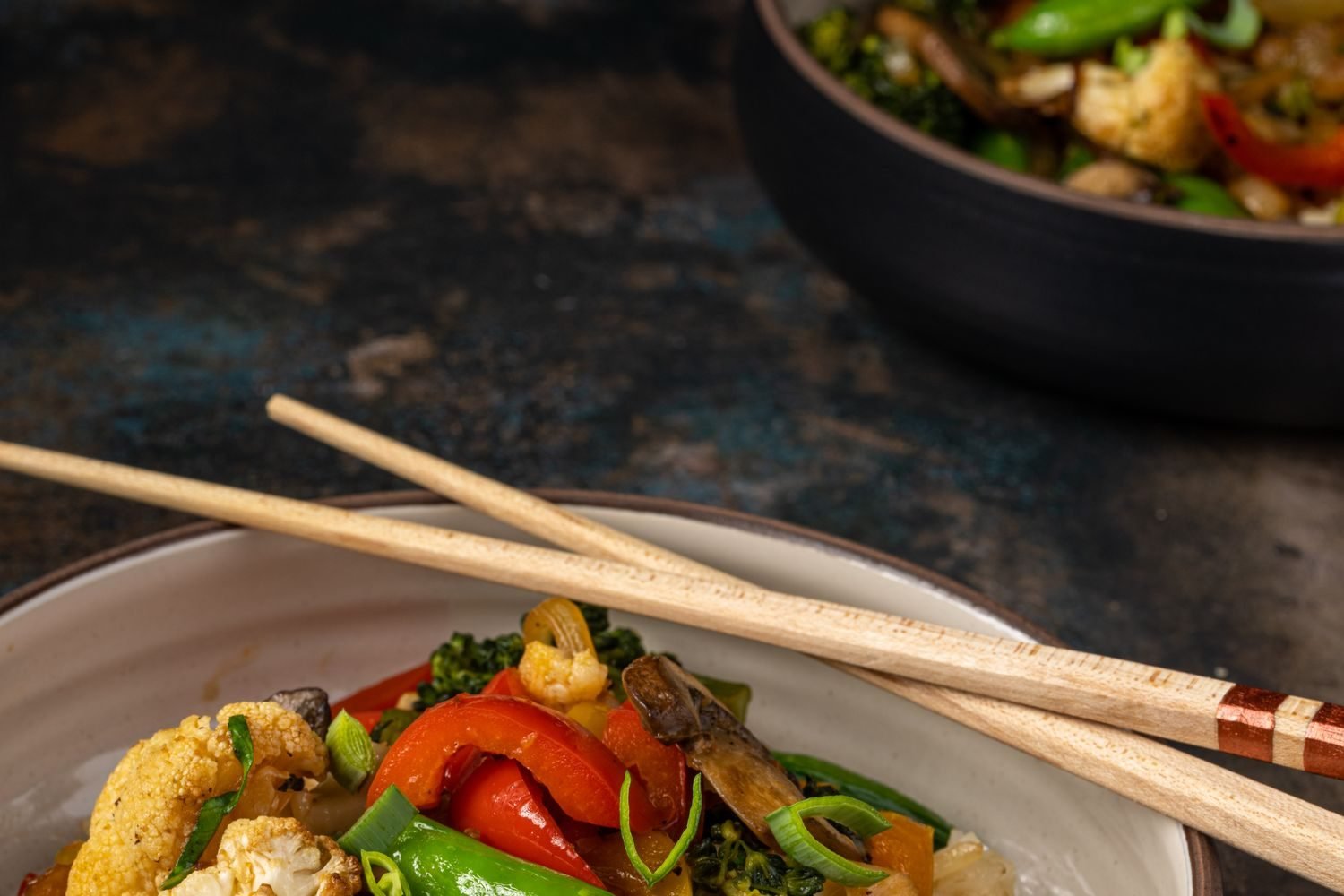
- Cauliflower rice — grated or pulsed cauliflower, sautéed with cumin and mustard seeds, stands in for plain rice under curries and dals.
- Cabbage or lettuce wraps — cooked sabzi or paneer bhurji wrapped in large leaves makes a roll-style meal in place of roti.
- Grilled protein over a vegetable base — swapping “curry plus rice” for “grilled paneer or chicken plus a large sabzi portion” cuts the carb load while keeping the meal filling.
- Cucumber or radish “roti” — thin rounds carry small amounts of chutney or sabzi, useful for snacking rather than full meals.
- Reduced-portion approach — for households not ready to eliminate grains, halving the usual rice or roti portion and doubling vegetables and protein is a realistic middle ground.
None of these swaps need to be permanent — even using cauliflower rice two or three times a week instead of every day adds up over a month. For a broader eating structure that fits these swaps into full daily meals, our nutrition diet chart for weight loss lays out sample meal timing and portions.
What does a low-carb Indian day of eating actually look like?
A sample structure helps more than a list in isolation, since the real question is how these foods fit together across a day.
- Breakfast — masala omelette or paneer bhurji with sautéed vegetables and a small bowl of curd.
- Mid-morning — a handful of nuts or cucumber-carrot sticks with hung curd dip.
- Lunch — grilled chicken tikka or fish curry, a large portion of palak or lauki sabzi, a small serving of moong dal, and a small bowl of cauliflower rice.
- Evening — roasted chana (in moderation) or paneer cubes with chaat masala.
- Dinner — grilled paneer or fish with a big portion of mixed sabzi, skipping roti or having half a roti at most.
This structure naturally shifts calorie sources toward protein and fiber, which is why low-carb eating and weight-management goals often get discussed together. If weight loss specifically is your goal, our guide on nutrition for weight loss covers the broader calorie and macro picture a food list alone doesn’t address.
What Indian foods should you limit or avoid on a low-carb plan?
Being upfront about this list is as useful as the “eat this” list, since some very common items are easy to miss.
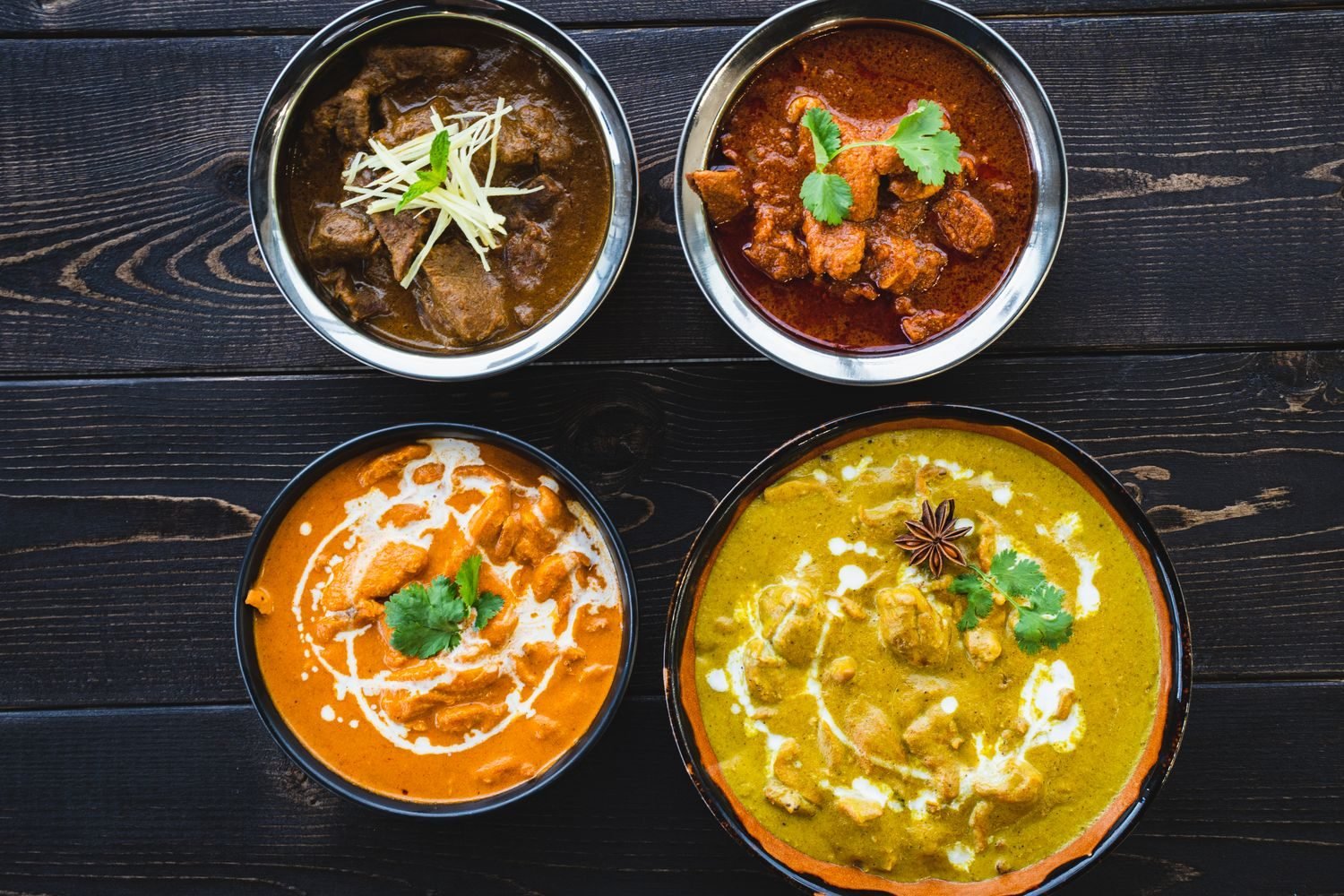
- White rice and rice dishes — biryani, pulao, and plain rice are the biggest single carb contributors, often 40-45g carbs per cooked cup.
- Roti, naan, paratha, and puri — wheat breads add roughly 15-20g carbs per piece, more for stuffed parathas and fried puris.
- Potato (aloo) — carries about 15-17g carbs per 100g and is worth swapping for cauliflower or paneer.
- Sweets and mithai — gulab jamun, ladoo, and barfi are dense in refined carbs and sugar; scale these back first.
- Fruit juices and sweetened lassi — whole fruit in moderation is fine, but juiced or sweetened versions concentrate sugar without the fiber that slows absorption.
The point isn’t to villainize these foods — it’s knowing where the bulk of everyday carbs actually come from so you can make informed trade-offs rather than guessing.
Frequently asked questions
Is paneer really low-carb, or does the gravy change that?
Plain paneer is low-carb, around 1-3g per 100g. The issue is preparation — curries made with cashew paste, besan, or added sugar push the carb count up, so grilled or dry-sautéed paneer stays lower-carb than rich gravies.
Can I still eat roti occasionally on a low-carb Indian diet?
Yes. Having one roti instead of three, or reserving it for one meal a day while keeping other meals grain-free, still meaningfully reduces total daily carbs without eliminating it completely.
Which Indian fruits are lowest in carbs?
Guava, watermelon, and berries tend to be lower among common Indian fruits, generally 7-10g carbs per 100g, compared to mango, banana, or grapes, which run considerably higher. Portion size matters as much as fruit choice.
Is dal safe for a strict low-carb approach?
Small portions of moong or masoor dal generally fit, since fiber offsets part of the carb count. On a very strict approach, treat dal as a side rather than a main course, and favor the lighter dals over chana dal or rajma.
Do I need to avoid onion, tomato, and garlic?
No — these are used in small quantities as flavor bases, not eaten in bulk, so their carb contribution is minor. The bigger carb sources in most meals are the rice, roti, or sugar added to gravies, not the aromatics.
Building a low-carb plate from Indian staples is entirely possible, but it works best with planning, since the default structure of most meals here is grain-first. If you want a plan built around your routine, health background, and food preferences, an online nutritionist consultation can help translate this food list into a week-by-week meal structure that actually fits your kitchen.