Most of India’s traditional kitchen already runs on gluten-free grains — rice, jowar, bajra, ragi, and besan have been staples for centuries, long before “gluten-free” was a label on a packet. The real risk in an Indian kitchen isn’t the absence of safe foods; it’s the handful of hidden traps, like wheat flour used as a filler in packaged asafoetida (hing), or soy sauce splashed into Indo-Chinese dishes, that catch people off guard. This list covers exactly which Indian grains, flours, and dishes are naturally gluten-free, and which everyday ingredients quietly aren’t.
If you’re new to gluten-free eating and want the bigger picture — who actually needs to avoid gluten, how to transition, and what a full day of eating looks like — our gluten-free diet plan for beginners covers that ground. This article is narrower and more practical: a working food list for anyone cooking or eating Indian food gluten-free.
Which Indian grains and flours are naturally gluten-free?
Gluten is a protein found specifically in wheat, barley, and rye. Rice and most millets belong to a different botanical family altogether, which is why they never contained gluten in the first place — no special processing required. Here are the Indian staples that are naturally gluten-free:
- Rice (chawal) — white, brown, red, or the parboiled rice used for idli and dosa batter. All naturally gluten-free.
- Jowar (sorghum) — used for roti and bhakri in Maharashtra and Karnataka, jowar flour has a mild, slightly sweet taste and works well in flatbreads.
- Bajra (pearl millet) — a North Indian winter staple, especially popular as bajra roti with sarson ka saag. It’s notably high in protein and fibre compared to other millets.
- Ragi (finger millet) — widely used in South India for ragi mudde, dosa, and porridge for babies and adults alike. Known for its calcium content.
- Besan (chickpea/gram flour) — the base for chila, dhokla, pakoras, and kadhi. Also a good source of plant protein and fibre.
- Singhara atta (water chestnut flour) — traditionally used during fasting (vrat), it’s a good gluten-free option for pooris and halwa year-round, not just religious fasts.
- Kuttu (buckwheat flour) — despite the name, buckwheat isn’t related to wheat. It’s a seed, genuinely gluten-free, commonly used for vrat ki poori.
- Rajgira (amaranth) and sabudana (tapioca) — used for laddoos, porridge, and khichdi, both are naturally gluten-free and easy to digest.
- Other regional millets — foxtail, kodo, little, barnyard, and proso millet are all gluten-free and increasingly available under India’s millet promotion push.
For a deeper comparison of how these flours behave in cooking, their nutrient profiles, and which ones substitute best for wheat atta, see our guide to best gluten-free flours. Since grains and flours are primarily carbohydrate sources, it’s also worth understanding how they fit into your overall diet — our guide to the nutritional value of carbohydrates breaks that down.
Which everyday Indian dishes are safe to eat gluten-free?
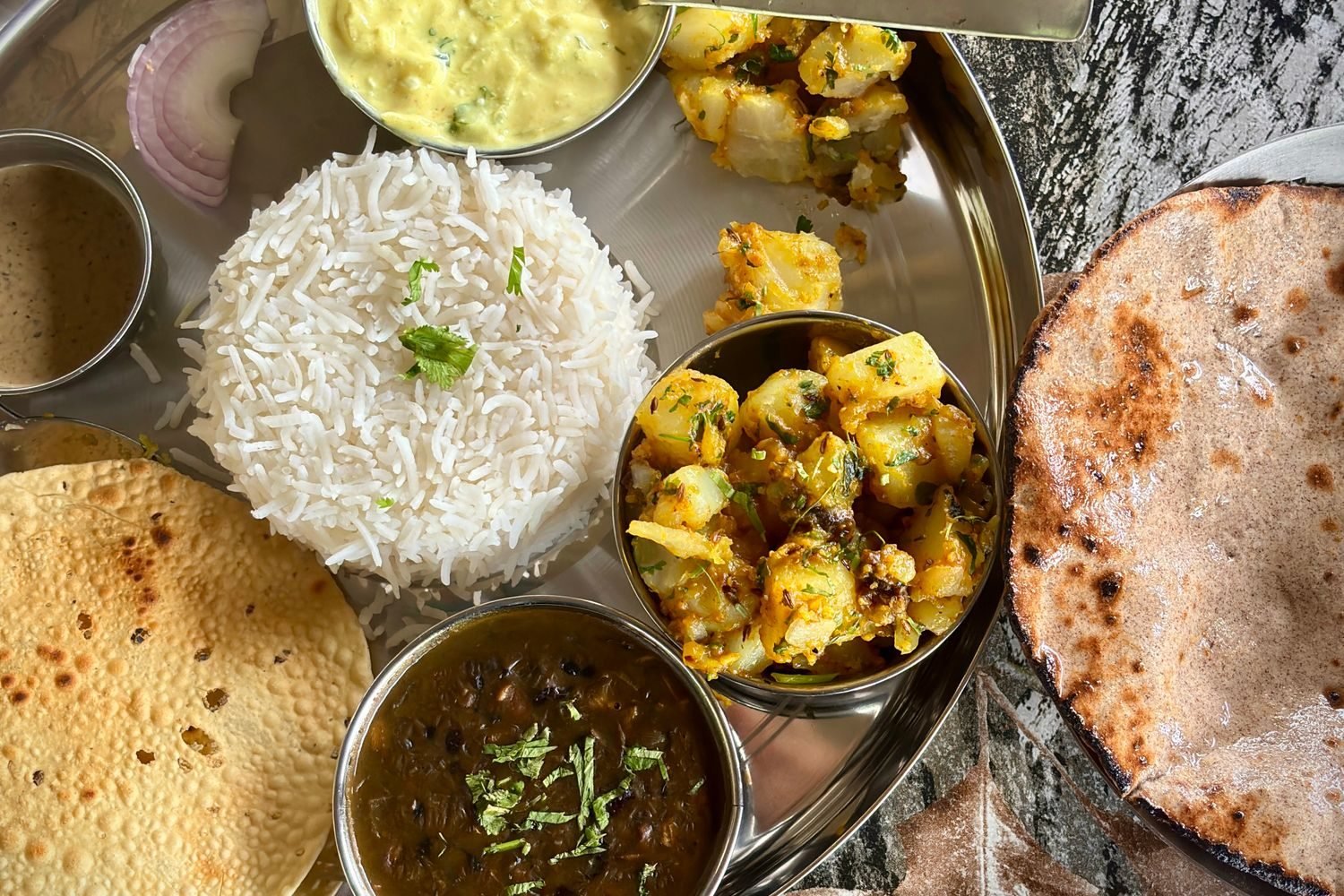
A surprising amount of what shows up on an Indian dinner table doesn’t need any adaptation — it’s gluten-free by tradition, not by substitution. Here’s what you can generally eat without modification, along with a few caveats worth knowing:
- Idli and dosa — made from fermented rice and urad dal batter, these are naturally gluten-free. Just confirm no wheat rava (semolina) has been mixed in, as some restaurants add rava to dosa batter for crispness.
- Khichdi — rice and moong dal khichdi is gluten-free. Some regional versions use daliya (broken wheat) instead of rice, so it’s worth checking if you’re eating out.
- Most dals — toor, moong, masoor, chana, and urad dal are pulses and naturally gluten-free. The tempering (tadka) is usually just ghee, mustard seeds, and spices, making dal one of the safest bets on any menu.
- Plain rice preparations — jeera rice, curd rice, lemon rice, and pulao made without a wheat-based thickener.
- Most curries and sabzis — vegetable and meat curries thickened with onion-tomato masala, yogurt, or besan are typically fine. The risk is restaurant gravies thickened with a wheat-flour slurry, worth confirming when eating out.
- Rajma, chole, and South Indian tiffin items — kidney beans, chickpeas, uttapam, appam, and pesarattu (moong dal dosa) are all gluten-free by default.
Indian cooking has historically leaned on rice, lentils, and millets as everyday staples, with wheat concentrated mainly in North Indian flatbreads. That regional variation is good news if you’re avoiding gluten — South Indian and rice-based diets typically need far fewer substitutions than a wheat-heavy North Indian thali.
What are the hidden sources of gluten in Indian cooking?
This is where most people trip up, because the gluten isn’t in the obvious places like roti or naan — it’s in ingredients that don’t look like wheat at all.
Hing (asafoetida) — the trap almost nobody checks
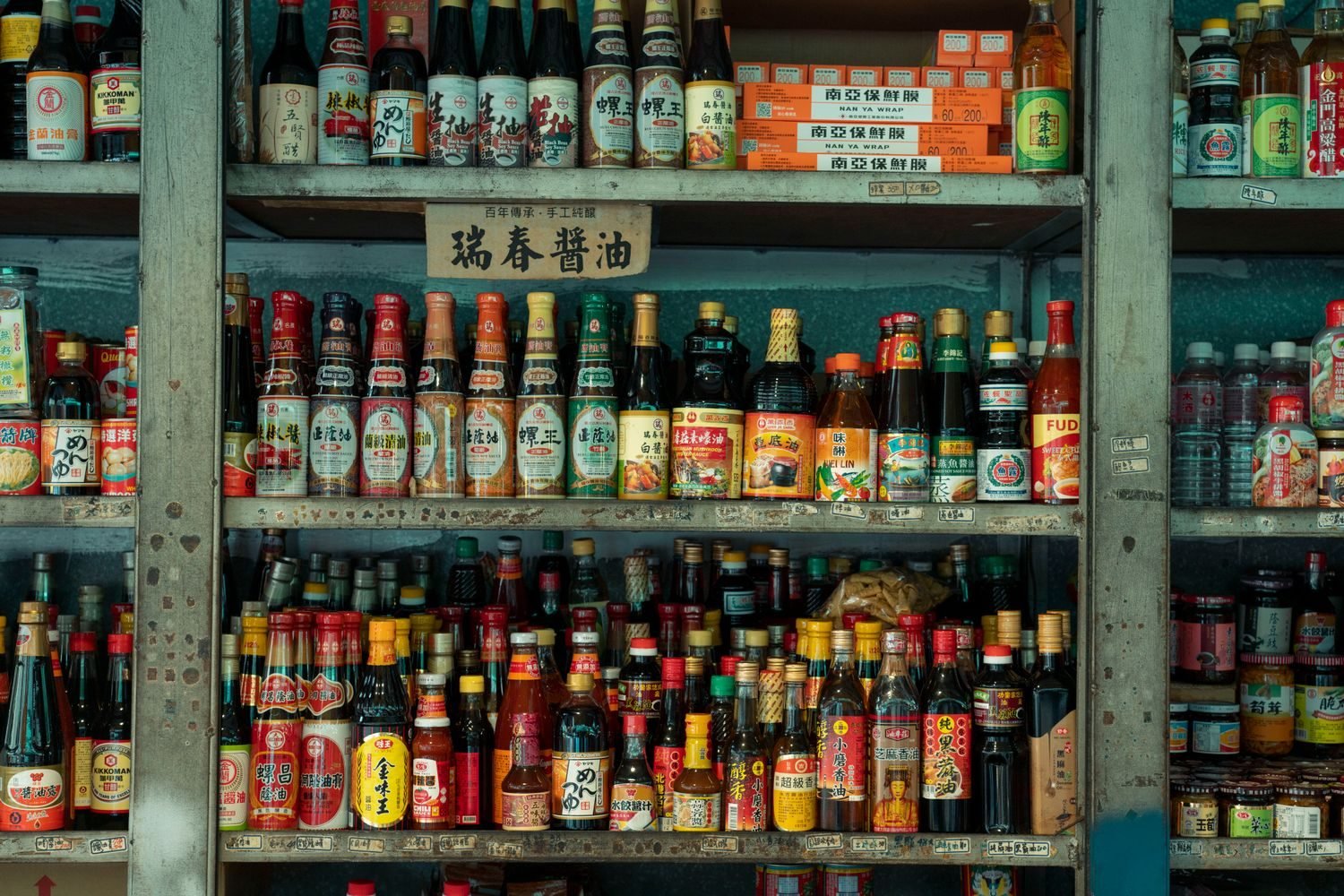
This is the one that catches even careful home cooks off guard. Pure asafoetida resin itself contains no gluten, but most commercial hing powder sold in India — including several widely available brands — is a “compounded” product, meaning the resin is blended with a carrier to prevent clumping and dilute its intensity. That carrier is very often wheat flour, sometimes making up 70-80% of what’s actually in the tin. A pinch of hing goes into dal, kadhi, sambar, and dozens of other everyday dishes, so if you’re strictly gluten-free, this single spice tin can undo an otherwise safe meal without you ever suspecting it.
The fix is straightforward once you know to look: buy hing specifically labelled “gluten-free” (these use rice flour or gum arabic as the carrier instead), or use pure asafoetida resin, which has no added flour at all. Check the ingredient list on the pack rather than assuming — “asafoetida” as a single ingredient is fine; “asafoetida, wheat flour” is not.
Soy sauce in Indo-Chinese food
Indo-Chinese cuisine — Hakka noodles, manchurian, fried rice, chilli paneer — is enormously popular across India, and nearly all of it depends on soy sauce for its signature flavor. Standard soy sauce is brewed from wheat and soybeans, which makes it a significant gluten source. Restaurant Indo-Chinese dishes are one of the easiest ways to accidentally consume gluten, since the sauce is used liberally and rarely mentioned on a menu. Tamari (a wheat-free soy sauce alternative) or a certified gluten-free soy sauce are the safer swaps if you’re cooking at home.
Packaged spice blends and ready masalas
Some commercial garam masala, sambar powder, or curry powder blends use small amounts of wheat flour or starch as an anti-caking agent, similar to the hing issue. It’s not universal, but it’s common enough that checking labels on packaged spice mixes — rather than assuming “it’s just spices” — is worth the extra thirty seconds.
Other everyday traps
- Papad and fryums — usually made from urad dal and are gluten-free, but some varieties include wheat flour as filler, so check the pack.
- Bread crumbs and batter-fried snacks — cutlets, tikkis, and pakoras coated in breadcrumbs or a wheat-flour batter (besan-only batter is fine, but many restaurants mix in maida for crispness).
- Malt-based drinks and some ready-to-eat mixes — malt is typically derived from barley, another gluten grain.
- Shared cooking surfaces — a tawa used for both wheat rotis and gluten-free jowar rotis can carry cross-contact residue, which matters more if you have celiac disease than a general sensitivity. Our celiac disease diet and nutrition guide covers why this distinction matters.
How strict does this list need to be — sensitivity vs. celiac disease?
How carefully you need to police these hidden sources depends heavily on why you’re avoiding gluten in the first place. If you have celiac disease, an autoimmune condition where gluten damages the small intestine, even trace cross-contact — like that tawa shared between wheat and jowar rotis, or a restaurant fryer used for both — can trigger a reaction. For celiac disease specifically, the label-checking habits around hing, spice blends, and packaged papad aren’t optional extras; they’re necessary. Our celiac disease diet and nutrition guide goes into the medical distinctions and stricter precautions in more detail.
If you’re avoiding gluten for a non-celiac sensitivity or simply exploring the diet, occasional trace exposure is generally more forgiving, and the focus can stay on the bigger-ticket items — wheat rotis, maida-based snacks, soy sauce — rather than obsessing over every spice jar. Either way, building meals around rice, millets, dal, and vegetables keeps you on safer ground, since these form the nutritional backbone of most Indian diets regardless of gluten status. For context on how carbohydrates from rice and millets fit into a balanced plate, see our piece on the nutritional value of carbohydrates.
What does a gluten-free Indian day of eating look like?
Putting this list into practice is less about restriction and more about leaning into dishes that were never wheat-based to begin with: idli or ragi porridge for breakfast, rice with dal (checked for hing) and sabzi or a jowar/bajra roti for lunch, roasted makhana or besan chila as a snack, and khichdi or dal-chawal for dinner. None of this requires specialty “gluten-free” packaged products — it’s mostly a matter of choosing traditional preparations over wheat-heavy modern staples like roti, paratha, and bakery items, and double-checking the small list of hidden-gluten ingredients above. For a broader look at building balanced meals around these food groups, our nutrition and food resource is a good next stop.
FAQ
Is besan (chickpea flour) always gluten-free?
Pure besan made from ground chickpeas is naturally gluten-free. The risk is cross-contact — some mills process besan on the same equipment as wheat flour, and some pakora batters mix in maida for crispness. If you have celiac disease, look for besan labelled gluten-free or from a dedicated gluten-free mill.
Can I eat idli and dosa if I’m avoiding gluten?
Yes, in almost all cases. Traditional idli and dosa batter is fermented rice and urad dal with no wheat involved. The only exception is if a restaurant adds rava (wheat semolina) to the dosa batter for a crispier texture — this is common enough with “rava dosa” specifically that it’s worth asking about.
Why is hing (asafoetida) a gluten risk if it’s just a spice?
Pure asafoetida resin has no gluten, but most commercial hing powder is compounded with a carrier to prevent clumping, and wheat flour is a common carrier, sometimes making up most of the product by weight. Look for hing labelled “gluten-free” or made with rice flour or gum arabic instead.
Is soy sauce in Indo-Chinese food really a problem?
Yes. Standard soy sauce is brewed using wheat along with soybeans, which makes it a genuine gluten source, not a minor technicality. Since Indo-Chinese dishes like Hakka noodles and manchurian rely heavily on soy sauce, they’re one of the more common accidental gluten exposures for people eating out in India.
Are all millets (jowar, bajra, ragi) safe for celiac disease?
The grains themselves are naturally gluten-free. The concern for celiac disease is cross-contact during milling, storage, or cooking — for instance, a shared tawa used for both wheat roti and millet roti. Buying flour from a dedicated gluten-free source and using separate cooking surfaces reduces this risk.
Do I need to avoid all packaged spice blends?
Not necessarily, but it’s worth checking labels rather than assuming. Some packaged garam masala, sambar powder, or ready masalas use wheat flour or starch as an anti-caking agent. Single-ingredient whole or ground spices are almost always safe; blended, packaged mixes are the ones to double-check.
Navigating gluten-free eating within Indian food culture is entirely doable once you know where the real risks sit — and for most people, it means eating more traditionally, not less. If you want a plan tailored to your specific health needs, medical history, or a celiac diagnosis, an online nutritionist consultation can help you build a practical, sustainable approach around the foods you already enjoy.