The nutritional value of carbohydrates depends far more on type than on quantity alone. Whole, fiber-rich carbs like oats, lentils, and vegetables release glucose slowly, feed your gut bacteria, and keep you full for hours. Refined carbs like white bread and sugary drinks do the opposite — spiking blood sugar and leaving you hungry again within the hour. Both are technically “carbohydrates,” but nutritionally, they are not close to equal. Understanding this difference, rather than cutting carbs out altogether, is the real key to steady energy, stable blood sugar, and sustainable weight management.
Carbohydrates are not the enemy that low-carb trends have made them out to be. They are your body’s preferred energy source, and the function of carbohydrates in nutrition extends well beyond fuel — they support brain function, spare protein for muscle repair, and, when they come with fiber attached, actively protect long-term health. This guide breaks down simple versus complex carbs, explains why fiber matters so much, demystifies the glycemic index, and gives you a practical framework for choosing carbs that match your goals.
What’s the difference between simple and complex carbohydrates?
Simple carbohydrates are made of one or two sugar units, so your body digests and absorbs them almost immediately. Table sugar, honey, fruit juice, and white bread fall into this category. Because they break down so fast, they cause a quick rise in blood glucose, followed by an equally quick crash — which is why a candy bar gives you energy for twenty minutes and then leaves you flat.
Complex carbohydrates, by contrast, are long chains of sugar molecules bonded together. Digesting these chains takes longer, so glucose enters your bloodstream gradually. Whole grains, legumes, starchy vegetables, and most beans are complex carbs. This is the basis of the broader classification of carbohydrates in nutrition, which further splits carbs into sugars, starches, and fiber based on their chemical structure and how the body processes them.
The distinction matters practically, not just biochemically. A cup of white rice and a cup of quinoa contain a similar amount of carbohydrate, but quinoa retains its bran and germ layers, along with the fiber and micronutrients that come with them — a structural difference that changes how your body responds, even when calorie counts look similar.

Why does fiber make carbohydrates “good” or “bad”?
Fiber is the single biggest factor separating a nutritious carb from an empty one. It’s a type of carbohydrate your body can’t fully digest, so it moves through your gut mostly intact — slowing digestion, feeding beneficial gut bacteria, and adding bulk that supports regular bowel movements. This is why whole fruit affects your body so differently from fruit juice, even though both are largely sugar: the fiber in the whole fruit blunts the sugar’s absorption.
The research backing fiber’s role in health is substantial. According to the NCBI’s clinical guide on dietary fiber, higher fiber intake is linked to a reduced risk of cardiovascular disease, colorectal cancer, type 2 diabetes, and constipation, along with better cholesterol and blood sugar control. Yet an estimated 94% of people in the U.S. fall short of recommended fiber intake, largely because diets skew toward refined grains and processed foods that have had their fiber stripped out.
Current U.S. dietary guidelines recommend roughly 14 grams of fiber for every 1,000 calories consumed, which works out to about 25 grams per day for most women and 31–38 grams for most men under 50. If you’re trying to close that gap, our dedicated guide on fiber nutrition walks through specific food sources and practical ways to build intake gradually — a slow ramp-up of 2 to 3 grams every few days is gentler on digestion than jumping straight to 30 grams.
Good fiber sources to prioritize
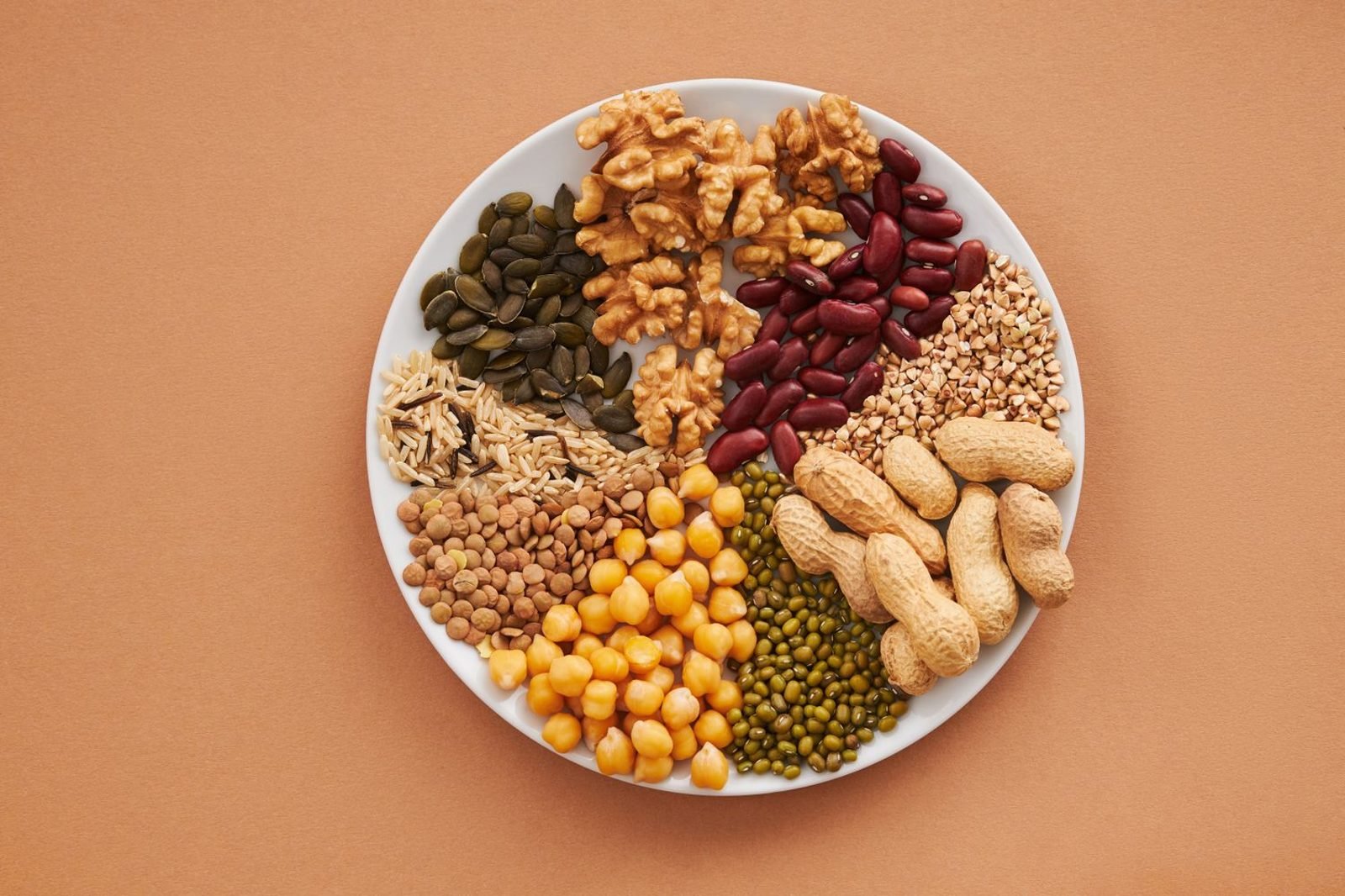
- Legumes: lentils, chickpeas, black beans, kidney beans
- Whole grains: oats, barley, brown rice, whole wheat
- Vegetables: broccoli, carrots, spinach, sweet potato (with skin)
- Fruits: apples, pears, berries, bananas (eaten whole, not juiced)
- Nuts and seeds: chia seeds, flaxseed, almonds
What is the glycemic index and how do you use it?
The glycemic index (GI) ranks how quickly a carbohydrate-containing food raises blood glucose compared to pure glucose, which is set at 100. According to Harvard Health, foods scoring 55 or below are considered low GI — this includes most vegetables, legumes, minimally processed grains, and low-fat dairy. Foods scoring 56–69 are moderate, covering things like white or sweet potatoes, corn, and white rice. Anything 70 and above is high GI, which includes white bread, rice cakes, bagels, and most packaged breakfast cereals.
Choosing more low-GI carbs matters because, per Harvard T.H. Chan School of Public Health, diets high in rapidly digested, low-fiber carbohydrates are linked to a greater risk of type 2 diabetes and other chronic conditions, largely due to the repeated blood sugar spikes they cause. That said, GI alone doesn’t tell the whole story — a food’s glycemic load (which factors in typical portion size) and its overall fiber and nutrient content matter just as much. Watermelon, for instance, has a high GI but a low glycemic load because a typical serving contains relatively little digestible carbohydrate.
The practical takeaway: use GI as one input, not a strict rule. Pairing a higher-GI food with protein or fiber — say, white rice with lentils and vegetables — slows digestion and blunts the blood sugar response of the whole meal.
Quick GI reference by food type
- Low GI (55 or under): lentils, chickpeas, most fruit, non-starchy vegetables, steel-cut oats, low-fat yogurt
- Moderate GI (56–69): sweet potato, corn, basmati rice, whole wheat bread
- High GI (70+): white bread, white rice, rice cakes, sugary cereals, most candy

How do you choose the right carbs for your specific goal?
The “best” carbohydrate depends on what you’re optimizing for. There’s no single correct answer, but there are patterns that hold up well across most goals.
For steady, all-day energy
Favor complex carbs with intact fiber — oats, whole grain bread, brown rice, quinoa — over simple sugars. These digest slowly enough to prevent the mid-morning or mid-afternoon crash that follows a sugary breakfast or a soda at lunch. Pairing carbs with a source of protein, discussed further in our piece on protein and nutrition, extends satiety even further.
For blood sugar stability
Prioritize low-GI, high-fiber carbs and be mindful of portion size, since even healthy carbs raise blood glucose if eaten in large amounts. Legumes are particularly effective here because they combine slow-digesting starch with a hefty dose of fiber and plant protein. If you’re managing blood sugar concerns specifically, spreading carb intake across meals rather than front-loading it in one sitting also helps smooth out glucose swings.
For weight management
Fiber-rich carbs support satiety, meaning you naturally eat less without consciously restricting. This works because fiber adds bulk and slows gastric emptying, so meals feel more filling for the same or fewer calories. Understanding how carbs fit into your total energy intake is easier once you understand nutrition and calories more broadly — carbs aren’t inherently fattening, but refined, low-fiber versions make it easier to overeat because they’re less satisfying per calorie.
For athletic performance
Around workouts, faster-digesting carbs (a banana, white rice, a sports drink) can actually be the better choice, since quick glucose availability supports performance and recovery when your body needs fuel immediately. This is one of the few contexts where a higher-GI carb is genuinely the smarter pick — timing changes the calculus.
Should you actually be afraid of carbohydrates?
No — and the data backs this up. Diets that eliminate carbs entirely often cut out some of the most nutrient-dense, fiber-rich foods available, including legumes, whole grains, and many fruits. Harvard Health notes that choosing carbs by quality rather than avoiding them altogether helps manage weight and reduces risk for diabetes, heart disease, and certain cancers — the operative variable is quality, not presence.
The research on whole grains specifically is worth sitting with: each additional daily serving of whole grains is associated with roughly a 9% lower risk of dying from heart disease. That’s a hard case to make against carbohydrates as a category. The problem was never carbs — it’s the widespread reliance on refined, stripped-down versions of them.
If you’re rethinking your overall eating pattern rather than fixating on one macronutrient, it helps to zoom out. Our broader guide to diet and nutrition covers how carbohydrates, protein, and fat work together, since no single nutrient — carbs included — determines health outcomes in isolation.
Frequently asked questions
Are all carbohydrates bad for weight loss?
No. Fiber-rich complex carbs like legumes, oats, and vegetables support weight management by increasing satiety and slowing digestion, which naturally reduces overall calorie intake. The carbs linked to weight gain are typically refined, low-fiber ones — sugary drinks, white bread, and pastries — not carbohydrates as a whole category.
How much carbohydrate should I eat per day?
There’s no single universal number, but many dietary guidelines suggest 45–65% of daily calories from carbohydrates, prioritizing whole, fiber-rich sources. Individual needs vary based on activity level, health goals, and blood sugar sensitivity, so a personalized target is more useful than a generic percentage.
Does fruit count as a “bad” simple carbohydrate?
No. While fruit contains natural sugar, its fiber content slows sugar absorption significantly compared to juice or refined sugar. Whole fruit also delivers vitamins, antioxidants, and water that refined sugar sources lack, which is why it behaves very differently in the body despite both being “simple” sugars chemically.
Is a low glycemic index diet necessary for everyone?
Not necessarily. GI is most useful for people managing blood sugar, insulin resistance, or type 2 diabetes. For most healthy people, focusing on overall carb quality — fiber content, processing level, and portion size — matters more than obsessively tracking GI values for every food.
Can I eat carbs and still stabilize my blood sugar?
Yes. Choosing low-GI, high-fiber carbs, pairing carbs with protein or healthy fats, and controlling portion sizes all help minimize blood sugar spikes. Complete carb avoidance isn’t required or necessarily advisable for most people managing blood sugar concerns.
Carbohydrates aren’t something to fear or eliminate — they’re something to choose wisely based on their fiber content, processing level, and how they fit your specific goals. If you want a carbohydrate strategy tailored to your body, activity level, and health history rather than a generic rule, an online nutritionist consultation can help you build a plan that actually fits your life.