Fruit can support weight loss as part of a balanced diet — providing fibre, micronutrients, and natural sweetness that displaces processed sugar — but a fruit-only or fruit-heavy diet without adequate protein and fat is not sustainable and can leave you hungrier, with less muscle preservation, than a balanced approach. The useful version of a “fruit diet” incorporates fruit strategically, not exclusively.
I’m Yash Pathak, founder and lead trainer at FitStrot. Fruit-only diets come up often in weight-loss conversations, and it’s worth being direct: they work short-term for water weight and rarely hold up as a lasting strategy.
Where Fruit Genuinely Helps Weight Loss
Fibre and satiety. Whole fruit (not juice) is high in fibre, which slows digestion and supports fullness — a fruit-based snack can genuinely reduce hunger better than a refined-sugar alternative.
Displacing processed sugar. Reaching for fruit instead of packaged sweets or sugary drinks reduces overall sugar and calorie intake meaningfully over time.
Micronutrients that support metabolism. Vitamin C, potassium, and various antioxidants found across different fruits support general metabolic and immune function, indirectly supporting a weight-loss effort that depends on consistent energy and health.
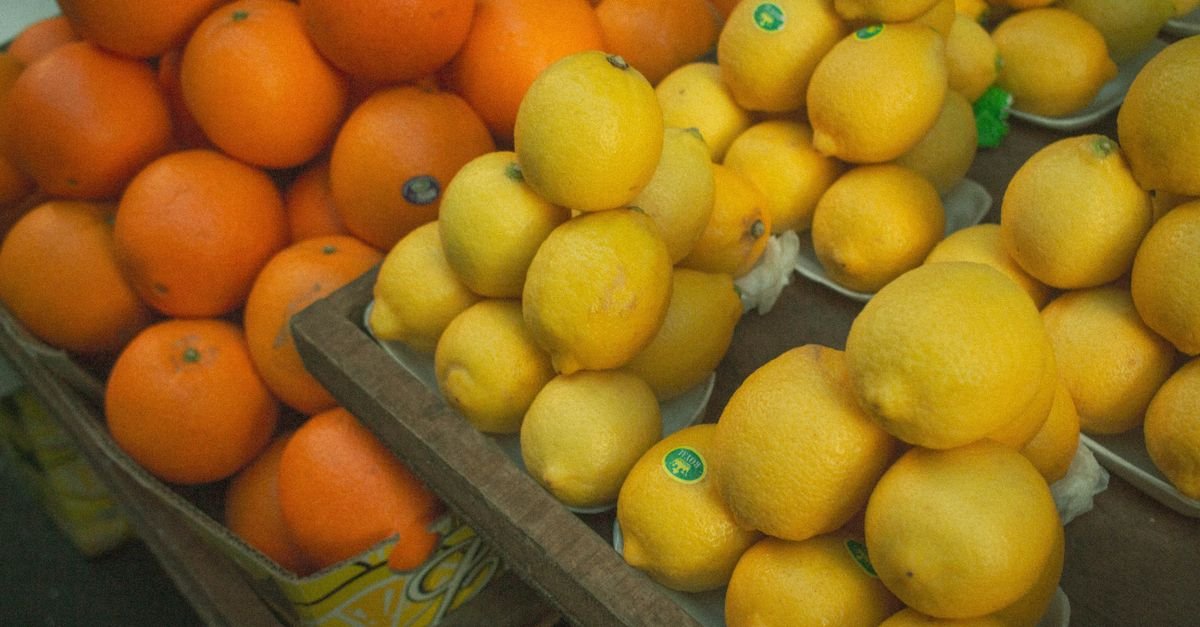
Lower calorie density than many snack alternatives. Most whole fruits are relatively low in calories for their volume, meaning they fill you up without contributing excessive calories — apples, berries, and citrus fruits particularly.
Why a Fruit-Only Diet Doesn’t Work Long-Term
Fruit alone lacks adequate protein and fat, both essential for muscle preservation, hormone function, and sustained satiety. A diet built primarily around fruit typically leads to muscle loss alongside fat loss, rebound hunger, and difficulty sustaining the approach past a week or two — the initial rapid weight loss is largely water and, concerningly, some muscle mass rather than pure fat.
Fruit is also naturally higher in sugar than vegetables, and while whole fruit’s fibre content moderates the blood sugar impact compared to juice, a diet extremely high in fruit alone can still create larger blood sugar swings than a more balanced, protein-inclusive diet.
How to Use Fruit Effectively for Weight Loss
As a snack, paired with protein or fat. An apple with a small handful of nuts, or berries with curd, extends satiety further than fruit alone and moderates the blood sugar response.
As a partial breakfast component, not the whole meal. Fruit alongside eggs, dal, or a protein source rather than a fruit-only breakfast.
In place of dessert or sugary snacks, where it’s a clear improvement over refined sugar options.
Whole, not juiced. Juicing removes the fibre that makes fruit filling and slows sugar absorption — a glass of fruit juice delivers concentrated sugar with little of the satiety benefit of eating the fruit whole.
Which Fruits Work Best for Weight Loss
Lower glycemic, higher fibre options — berries, apples, pears, citrus fruits, guava — tend to support satiety better than higher-sugar options like mango, banana, or grapes eaten in large quantities. This doesn’t mean avoiding the higher-sugar fruits entirely; portion and pairing matter more than outright exclusion.
A Balanced Approach That Includes Fruit
Rather than a fruit-only diet, most effective weight-loss plans include 2-3 servings of whole fruit daily as part of an otherwise balanced structure — protein at each meal, portioned carbohydrates, plenty of vegetables, and fruit filling the snack and micronutrient role it’s actually well-suited for. Our diet plan for weight loss and Indian diet for weight loss guides show what that fuller structure looks like.
Why Extreme Diets Rarely Outperform Balanced Ones
Fruit-only or fruit-heavy “cleanse” style diets often promise fast results, but the research on sustained weight loss consistently favours balanced, moderate approaches that people can maintain for months, not days. An online weight loss trainer builds a plan that uses fruit effectively within a broader, sustainable structure rather than relying on any single food group to do the work alone.
Building a Full Day Around Fruit Without Losing Balance
A fruit-forward diet works best as a significant component of your diet, not the entirety of it — pairing fruit with protein and fat sources (a fruit bowl with a handful of nuts, or fruit alongside curd) slows sugar absorption and extends satiety compared to fruit alone. A sample structure: fruit and nuts for breakfast or a mid-morning snack, a balanced lunch and dinner with vegetables, whole grains, and protein, and fruit again as an evening snack rather than a processed alternative. This approach captures fruit’s fibre and micronutrient benefits without the blood sugar swings and reduced satiety that come from relying on fruit or fruit juice as a meal replacement.
Common Fruit Myths I Hear From Clients
A lot of confusion around fruit and weight loss in India comes from half-truths that get repeated so often they sound like fact. The most common one I hear is that eating fruit at night makes you fat because your body “stores it as sugar while you sleep.” This isn’t how digestion works — a banana eaten at 9pm has the same calories and the same effect on your body as one eaten at 9am. What actually matters is your total intake across the day, not the clock.
The second myth, rooted in Ayurvedic food-combining beliefs, is that fruit and milk together are harmful — the classic warning against banana shakes or mixing melons with dairy. There’s no strong clinical evidence that this combination is toxic for most people. The real issue for some is simply digestive comfort: if you’re lactose intolerant, a banana milkshake can cause bloating or gas, but that’s a lactose problem, not a fruit-and-milk incompatibility.
The third myth is treating all sugar as equal — assuming an apple and a gulab jamun affect your body the same way because “sugar is sugar.” It isn’t. A whole apple comes with fibre, water, and a slower digestion curve that blunts the blood sugar spike; a sweet made from refined flour, ghee, and sugar syrup has none of that buffering. Point: the source and the packaging of sugar change how your body responds to it, even when the gram count looks similar on paper.
Fruit juice gets lumped in with whole fruit for the same flawed reasoning. Juicing removes the fibre that slows sugar absorption, which is why a glass of mango juice spikes blood sugar faster and leaves you hungrier sooner than eating the same mango in slices. If you’re choosing between the two, the whole fruit wins almost every time.
Fruit Portion Sizes and Seasonal Considerations in India
Most people underestimate how much fruit they’re actually eating because portion sizes vary so widely fruit to fruit. A reasonable single serving looks like one medium apple, a cup of papaya cubes, a small bowl of chikoo or pomegranate seeds, or six to eight grapes — not a heaped plate. Two or three servings spread across the day works well for most people trying to lose weight; five or six servings, especially of the denser fruits, starts adding up in calories without you noticing.
Mango season is where I see this go wrong most often. Mangoes are naturally one of the more calorie-dense and higher-glycemic fruits, and during peak season it’s easy to eat two or three a day without thinking twice because they’re everywhere — at home, at work, gifted by relatives. I don’t ask clients to avoid mango entirely; I ask them to treat half a mango as the serving size and to count it as their fruit portion for that meal rather than an extra on top of everything else.
Dried fruit deserves its own caution. Dates, raisins, and dried figs are nutrient-dense but calorie-dense too, because removing the water concentrates the sugar into a much smaller volume. A small handful of raisins can carry the same calories as an entire bowl of grapes, so if you’re using dried fruit to satisfy a sweet craving, keep it to two or three pieces rather than a fistful.
If you’re prediabetic, diabetic, or have a family history of blood sugar issues, fruit still fits into a weight loss plan, but the timing and pairing matter more for you than for most people — eating fruit alongside a source of protein or fat, and being more selective about high-GI fruits like watermelon or overripe mango, is worth discussing with your doctor before you build a fruit-heavy routine.
Dried Fruit, Fruit Juice and Packaged Fruit Snacks: What Actually Counts as Fruit
A lot of confusion I see with clients isn’t about whether fruit helps weight loss, it’s about what actually qualifies as fruit in the first place. Someone will tell me they’re eating fruit twice a day and mean a glass of Real or Tropicana juice at breakfast and a handful of raisins in the evening. Neither of these behaves like fruit in your body, and treating them as interchangeable with an apple or a bowl of papaya is one of the quieter ways a fruit-based approach to weight loss stalls out without the person understanding why.
Fruit juice, even the fresh, no-sugar-added kind squeezed at home, strips out almost all the fiber that makes whole fruit filling and slow to digest. A glass of orange juice can contain the sugar of three or four oranges with none of the chewing, volume, or fiber that would normally make you feel full and slow the sugar absorption. You end up drinking calories that don’t register as food, and packaged juices sold in India routinely add sugar on top of this even when the label says “100% fruit.” If you enjoy juice, treat it as an occasional drink, not a daily fruit serving, and always check the ingredient list for added sugar, which is often listed as “sugar,” “fructose syrup,” or simply hidden in a higher-than-expected carbohydrate count per 100ml.
Dried fruit is a different trap. Kishmish, dried apricots, dates, and anjeer are genuinely nutritious in small amounts, but drying concentrates both the sugar and the calories into a fraction of the original volume. Ten grapes might keep you satisfied for an hour; the raisins made from those same grapes take seconds to eat and barely touch your hunger, which makes it very easy to eat four or five times the amount of sugar you’d get from eating grapes fresh. I tell clients to treat dried fruit the way they’d treat a small dessert, a tablespoon or two mixed into dahi or oats, not a snack to eat by the fistful while watching TV.
Then there are packaged “fruit” snacks, fruit bars, fruit-flavoured yogurts, and fruit chips that lean on the word fruit for marketing while contributing almost nothing of what makes real fruit useful for weight loss. Banana chips fried in oil, mango-flavoured biscuits, and fruit-and-nut bars with added syrup are closer to processed snacks than produce. The simplest rule I give clients is this: if it needed a factory to become what’s on your plate, it probably isn’t doing the job whole fruit does. Stick to fruit you’d recognise if you saw it growing, and you’ll rarely go wrong.
Frequently Asked Questions
How does a fruit diet help with weight loss?
Whole fruit supports weight loss through fibre-driven satiety, displacing processed sugar, and providing micronutrients — most effective as part of a balanced diet rather than a fruit-only approach.
Is a fruit-only diet safe for weight loss?
Not for sustained use — it lacks adequate protein and fat, leading to muscle loss and nutrient gaps over time. Short bursts (a day or two) are lower-risk but not more effective than a balanced approach.
How long can you follow a fruit-heavy diet before it becomes a problem?
Beyond a few days, a fruit-only or fruit-dominant diet risks muscle loss, nutrient deficiencies, and blood sugar instability — it’s not intended as a long-term structure.
Can beginners use fruit as part of a weight loss diet?
Yes — incorporating 2-3 servings of whole fruit daily, paired with protein and alongside balanced meals, is an approachable and genuinely helpful starting habit for most beginners.
Ready for a Balanced Plan That Uses Fruit Effectively?
A FitStrot online weight loss trainer builds a plan that incorporates fruit strategically within a balanced, sustainable structure — not a restrictive fruit-only diet that won’t last.