A diet plan to lower cholesterol works best when it isn’t a vague list of “good” and “bad” foods but an actual structure you can follow meal by meal. The most effective approach, backed by the American Heart Association (AHA) and the Portfolio Diet research from the University of Toronto, combines four things at every meal: soluble fiber (oats, legumes, fruit), plant protein (dals, soy, chickpeas), nuts, and healthy plant oils, while keeping saturated fat under 6% of daily calories. Below is a full 7-day sample plan — part of a broader heart-healthy diet plan — built for both vegetarian and non-vegetarian eaters, that puts this structure on your plate.
What does a cholesterol-lowering diet actually look like day to day?
In practice, it looks less like “avoiding fried food” and more like actively adding specific ingredients at every meal. The Portfolio Diet, developed by Dr. David Jenkins and validated in multiple randomized controlled trials published in the AHA journal Circulation, found that combining four cholesterol-lowering food groups in one eating pattern can lower LDL (“bad”) cholesterol by roughly 13-30%, an effect comparable to a low-dose statin in some trials.
The four components are:
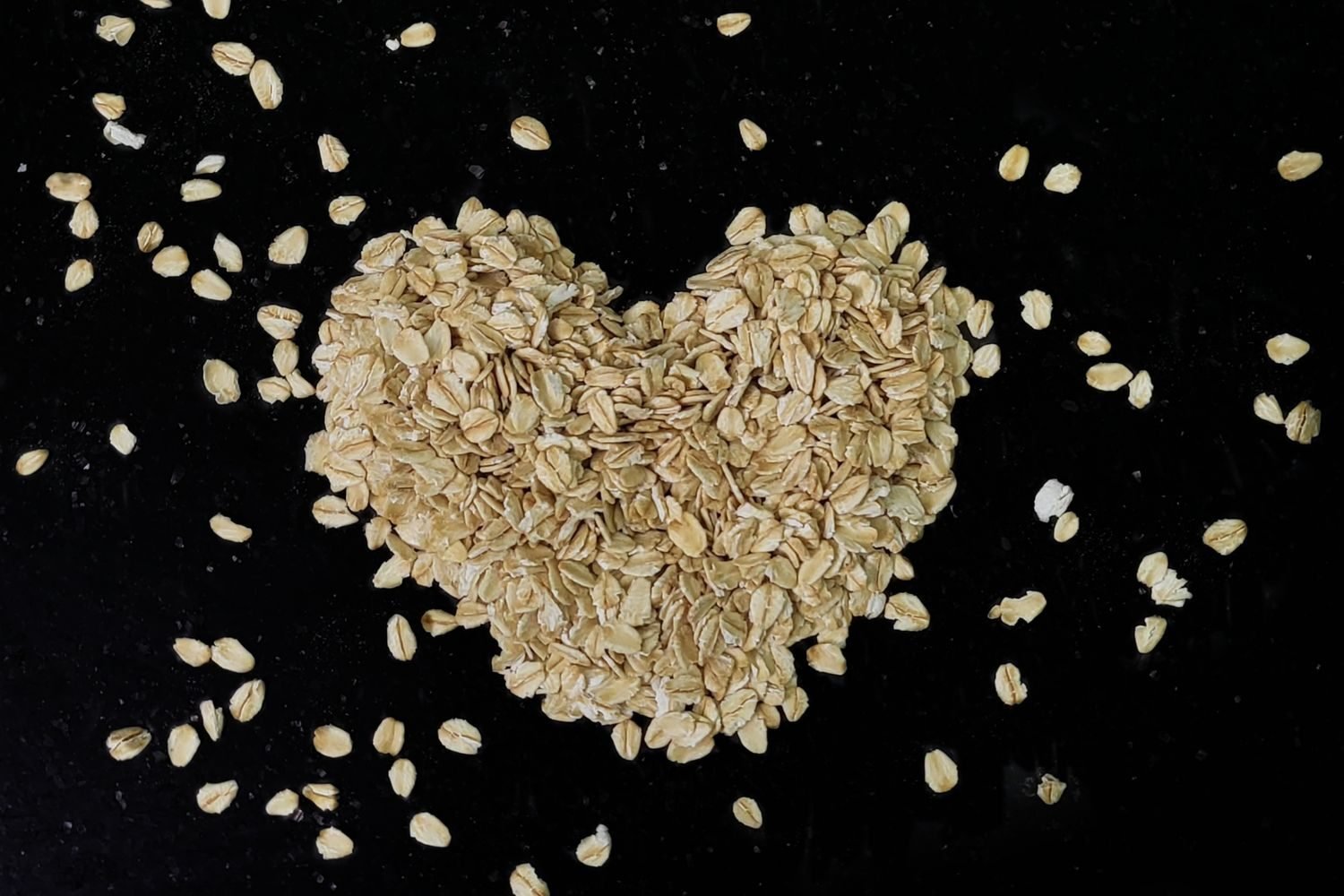
- Viscous (soluble) fiber — oats, barley, okra, apples, citrus, psyllium husk. The AHA-linked research suggests every additional gram of soluble fiber can lower LDL by about 2.2 mg/dL, and the target is 5-10 grams daily at minimum, up to 25 grams for a stronger effect.
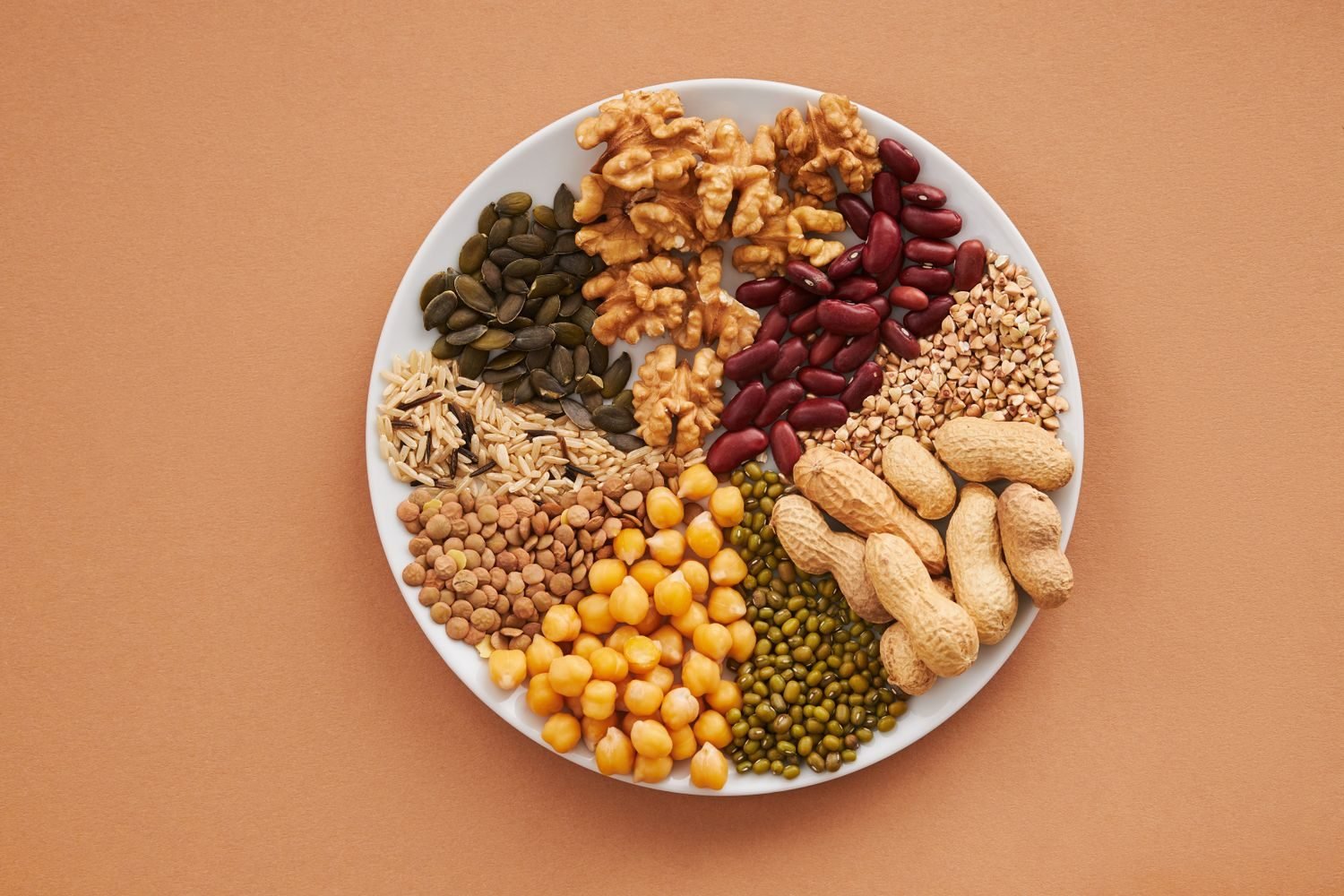
- Plant protein — soy, chana, rajma, moong dal, tofu, in place of some red meat.
- Nuts — a small daily handful (almonds, walnuts) of about 30-40 grams.
- Plant sterols and monounsaturated fats — sterol-fortified foods, avocado, and oils like olive or mustard oil used in place of ghee or butter.
Layer this on top of the AHA’s baseline guidance — saturated fat under 6% of total calories, minimal trans fat, and at least 25-30 grams of total dietary fiber a day — and you have a workable framework rather than a restriction list. If you want more detail before building your plan, our complete cholesterol-lowering foods list breaks down specific items for each of these categories, with quantities.
How much saturated fat and fiber should each day actually contain?
Numbers help more than instinct here. For someone eating roughly 2,000 calories a day, the practical daily targets look like this:
- Saturated fat: under 13g/day (less than 6% of calories, per AHA)
- Dietary fiber: 25-30g total, with 5-10g+ specifically from soluble/viscous sources
- Nuts: one small handful (~30g) daily, unsalted
- Added sugar: under 25g (6 teaspoons) for women, 36g (9 teaspoons) for men
- Sodium: under 2,300mg, ideally closer to 1,500mg if blood pressure is also a concern
- Omega-3 rich foods: 2 servings of fatty fish per week, or a daily source of walnuts/flaxseed for vegetarians
These aren’t numbers to track obsessively with an app. They’re a rough compass: if a meal has ghee-laden curry, deep-fried snacks, or processed meat as the centerpiece, it’s pulling you away from these targets; if it centers on dal, vegetables, whole grains, and a fistful of nuts, it’s pulling you toward them.
What does a 7-day cholesterol-lowering diet chart look like?
This sample plan is built for the Indian household, with a vegetarian base and non-vegetarian swaps marked where relevant. Portion sizes are approximate — adjust to your calorie needs. Rotate items across the week rather than repeating the same day.
| Day | Breakfast | Lunch | Evening Snack | Dinner |
|---|---|---|---|---|
| Day 1 | Vegetable oats upma with flaxseed powder | Moong dal, 2 multigrain rotis, bhindi sabzi, salad | Roasted chana, green tea | Grilled paneer/tofu, sautéed vegetables, small bowl brown rice |
| Day 2 | Besan chilla with mint chutney, 1 fruit | Rajma, 1 roti, brown rice, cucumber raita (low-fat curd) | Handful of walnuts + almonds | Grilled fish (omega-3 rich, e.g. sardine/salmon) or tofu, steamed broccoli, quinoa |
| Day 3 | Vegetable poha with peanuts, buttermilk | Chickpea (chole) curry in tomato base, 2 rotis, salad | Sliced apple with cinnamon | Mixed vegetable and barley khichdi, side of sautéed greens |
| Day 4 | Oats porridge with berries and chia seeds | Sambar with lots of vegetables, brown rice, cabbage stir-fry | Roasted makhana (fox nuts) | Grilled chicken breast (skinless) or soya chunks curry, steamed vegetables |
| Day 5 | Idli with sambar, no coconut chutney | Lauki chana dal, 2 rotis, salad, sliced onion | Orange or 2 kiwis | Vegetable soup, grilled tofu/paneer tikka, sautéed spinach |
| Day 6 | Multigrain vegetable sandwich with olive oil spread | Masoor dal, brown rice, bharwa capsicum, salad | Handful of almonds + green tea | Baked fish or rajma patties, steamed broccoli and carrots |
| Day 7 | Vegetable dalia (broken wheat porridge) | Mixed dal khichdi with vegetables, curd (low-fat) | Fresh fruit chaat, no salt | Grilled paneer or egg-white bhurji, sautéed mushrooms, roti |
Notice the pattern: every lunch and dinner has a legume or lean protein, a vegetable, and a whole grain. Every breakfast leans on oats, besan, or dalia rather than refined flour. Snacks are nuts or fruit instead of biscuits or namkeen. That repetition is the point — consistency, not novelty, is what moves cholesterol numbers over 8-12 weeks.
What should you cut out or minimize for this plan to work?
A diet plan only works as well as what it displaces. The Portfolio Diet’s LDL-lowering effect gets diluted if you’re still eating the foods it’s meant to replace. The main things to scale back:
- Ghee, butter, and coconut oil used generously in cooking — switch primary cooking oil to olive, mustard, or rice bran oil.
- Refined carbohydrates — white bread, maida-based snacks, white rice as a daily staple.
- Processed and red meat — sausages, salami, and frequent red meat portions raise saturated fat intake significantly.
- Deep-fried snacks — samosas, pakoras, chips, more than occasionally.
- Full-fat dairy in excess — switch to low-fat milk and curd where possible.
For a more exhaustive breakdown of what to limit and why, see our detailed guide on foods to avoid with high cholesterol. If your triglycerides are also elevated, which often happens alongside high LDL, the dietary levers are slightly different (more focus on added sugar and refined carbs) — covered in our piece on foods to avoid with high triglycerides.
How do you build a shopping list around this plan?
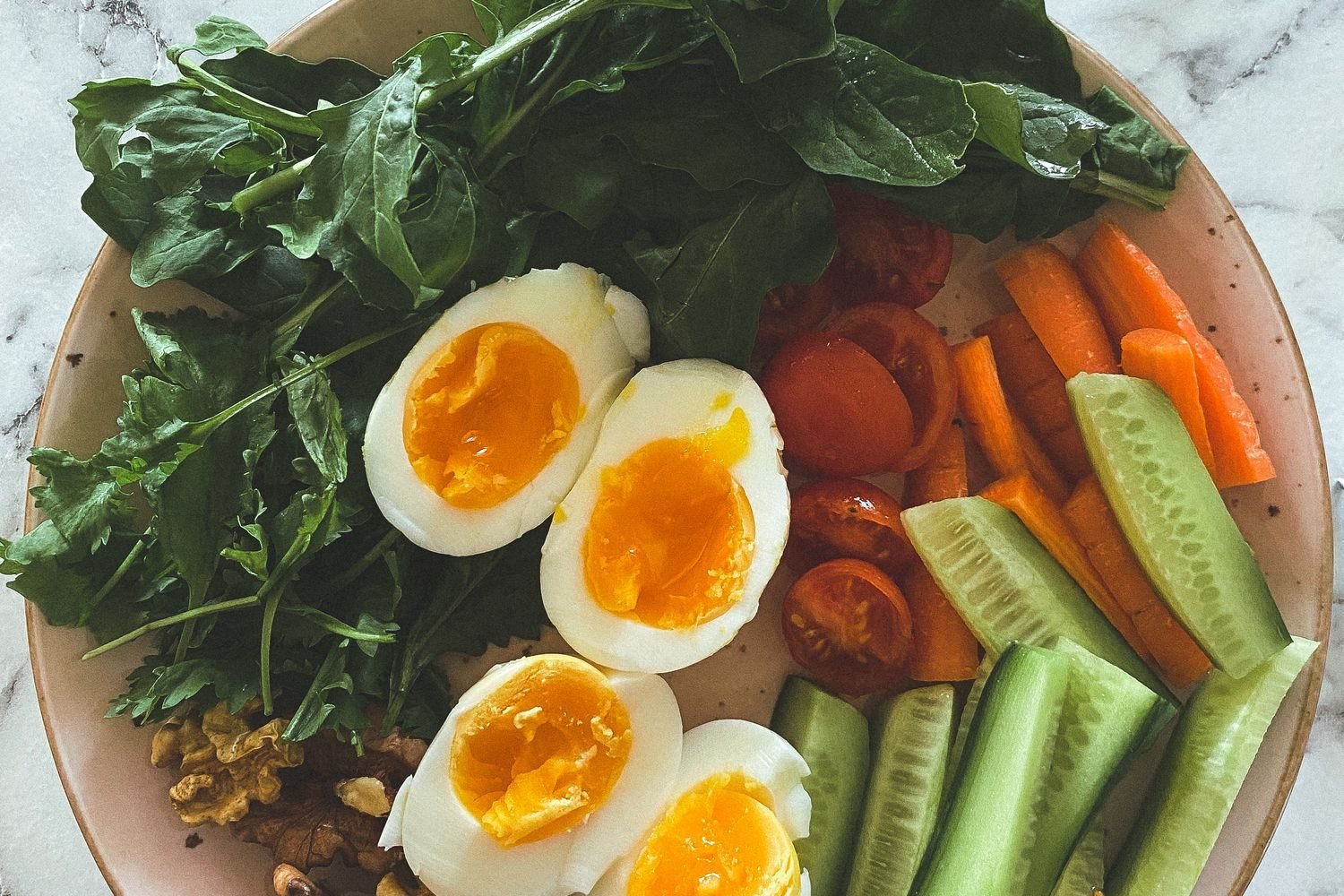
A plan is only as good as what’s actually in your kitchen. A weekly shopping list built for this chart typically includes:
- Grains: rolled oats, brown rice, quinoa, barley, dalia, multigrain atta
- Legumes: moong dal, chana, rajma, masoor dal, soya chunks, tofu
- Nuts and seeds: almonds, walnuts, flaxseed, chia seeds
- Vegetables: bhindi, lauki, capsicum, broccoli, spinach, mushrooms, plenty of variety
- Fruits: apples, oranges, kiwis, berries (fresh or frozen)
- Oils and fats: olive oil or mustard oil as primary cooking fat, avocado occasionally
- Non-veg (if applicable): fatty fish (sardine, salmon, rohu), skinless chicken breast, egg whites
- Dairy: low-fat milk, low-fat curd, small amounts of paneer
If you’d rather not build this list from scratch every week, the categories above break down exactly which items do the most work, with quantities adjustable to your household size.
Does this diet plan fit into a broader heart-healthy routine?
Yes, and it should. A cholesterol-focused diet plan works best when it’s part of a wider heart-healthy pattern rather than an isolated intervention. That means also paying attention to blood pressure-friendly sodium levels, regular physical activity (the AHA recommends at least 150 minutes of moderate activity weekly), adequate sleep, and stress management, since all of these affect lipid metabolism to some degree. Combining cholesterol management with blood pressure and overall cardiovascular goals in one sustainable routine works better than juggling three separate diets.
It’s also worth setting realistic expectations. Most clinical trials on diet-based LDL reduction, including Portfolio Diet studies, measure results at 4 weeks and again at 12 weeks. Meaningful, sustained change usually needs the full 8-12 week window before a lipid panel reflects it clearly. Cholesterol doesn’t respond to a single “clean” day, it responds to weeks of consistent pattern.
When should you get personalized guidance instead of following a generic plan?
A generic 7-day chart is a strong starting template, but cholesterol management isn’t one-size-fits-all. Someone with LDL at 145 mg/dL needs a different intensity of dietary change than someone at 210 mg/dL. Someone with diabetes, thyroid issues, or a family history of early heart disease needs the plan adjusted around those conditions too. This is where working with a nutritionist becomes genuinely useful, they can translate your specific lipid panel numbers into portion sizes, meal timing, and food swaps that fit your existing routine rather than asking you to overhaul everything overnight. Read more on how a nutritionist can help lower cholesterol for a closer look at what that process involves.
It’s also worth being clear about what diet can and can’t do. Diet is a powerful, evidence-backed first-line tool for borderline-high cholesterol, but it is not a substitute for medical diagnosis or, when needed, medication. If your LDL is significantly elevated, if you have existing cardiovascular disease, or if a doctor has already prescribed a statin, this diet plan is meant to work alongside that care, not replace it. Always get your lipid panel interpreted and your treatment plan set by a physician.
Frequently Asked Questions
How long does it take to lower cholesterol with diet alone?
Most studies show measurable LDL changes within 4 weeks of consistent dietary change, with fuller effects visible by 8-12 weeks. Individual response varies based on starting cholesterol levels, genetics, and how closely the plan is followed. A follow-up lipid panel at 12 weeks is a reasonable checkpoint to discuss with your doctor.
Can vegetarians follow this diet plan effectively?
Yes, the Portfolio Diet was originally designed as a plant-based pattern, so vegetarians and vegans often see strong results. The key is ensuring enough variety in legumes, nuts, and soluble fiber sources like oats and barley, since these do most of the cholesterol-lowering work in the absence of fish-based omega-3s.
Is it okay to eat eggs on a cholesterol-lowering diet?
Current AHA guidance focuses more on saturated fat than dietary cholesterol from eggs for most healthy people, so moderate egg consumption (including yolks) is generally fine unless your doctor has advised otherwise based on your specific lipid profile or diabetes status.
Do I need to cut out rice and roti completely?
No. The focus is on shifting the balance toward whole grains like brown rice, barley, and multigrain atta rather than eliminating staples entirely. Portion control and pairing grains with fiber-rich vegetables and dal matters more than total elimination.
Will this diet plan also help with weight loss?
It often does as a secondary effect, since it naturally reduces refined carbs, fried food, and excess saturated fat while increasing fiber and protein, which support satiety. However, this plan is structured around lipid improvement first, not calorie deficit, so weight loss results will vary by individual calorie intake.
Can I follow this plan if I’m already on cholesterol medication?
Yes, and diet changes often complement medication well, sometimes allowing doctors to adjust dosage over time. Never stop or change a prescribed statin or other medication based on dietary changes alone; always discuss any adjustment with the prescribing doctor first.
If you’d like this plan adapted to your actual lipid panel, medical history, and food preferences, an online nutritionist consultation can turn this generic 7-day chart into one built specifically around your numbers.