Weight loss diets for younger girls and teenagers need a different lens than adult plans — the goal isn’t aggressive calorie restriction, it’s building sustainable habits around nutrient-dense food while supporting normal growth and development. Getting this wrong (through crash diets or extreme restriction) can affect energy, mood, and long-term relationship with food.
I’m Yash Pathak, founder and lead trainer at FitStrot. This guide covers a balanced, age-appropriate approach — and if the person following this plan is a teenager, involving a parent or guardian and, ideally, a doctor or nutritionist is worth doing before making significant dietary changes.
The Core Principle: Nourish, Don’t Restrict
For growing bodies, severe calorie restriction can affect energy levels, concentration, mood, and in some cases, longer-term metabolic health. The better approach is building a diet around whole foods and consistent meal timing, which naturally supports a healthy weight without the extremes of restrictive dieting.
What a Balanced Day Looks Like
Breakfast: Something protein-rich to start the day — eggs, moong dal chilla, or a bowl of curd with fruit and nuts. Skipping breakfast is one of the most common patterns that backfires, since it usually leads to overeating later.
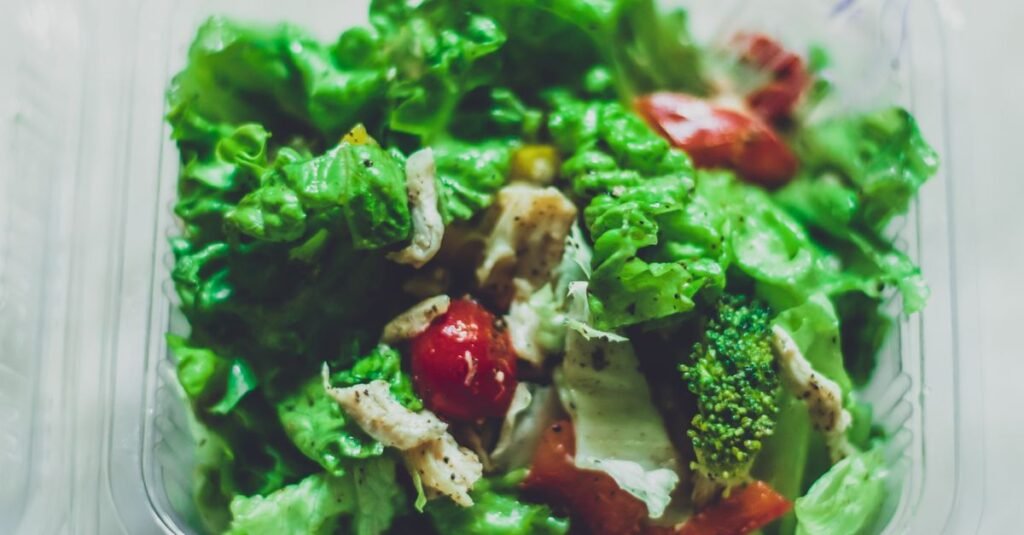
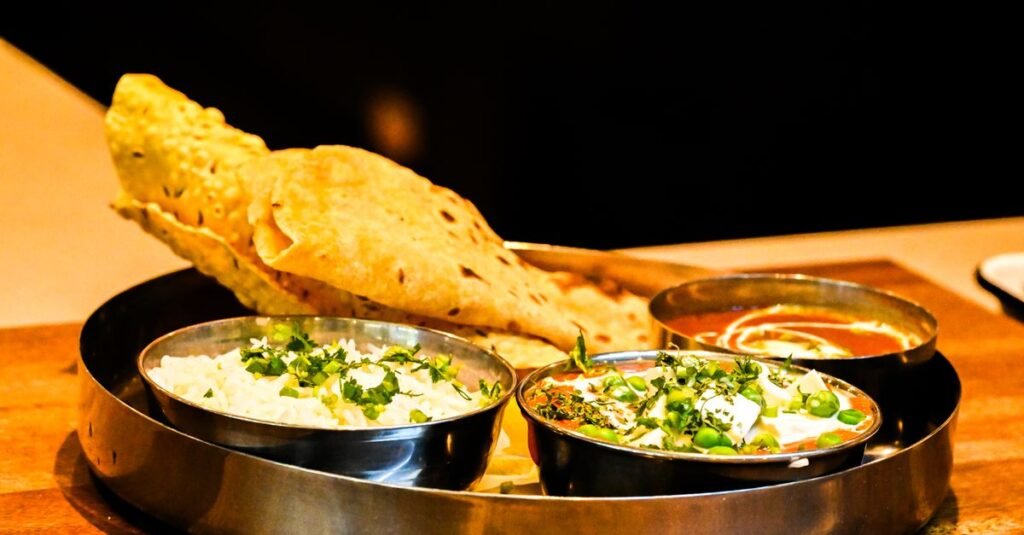
Lunch: One roti or a modest portion of rice, dal or a protein source, a generous serving of vegetables, and salad.
Snacks: Fruit, roasted chana, a small handful of nuts, or yoghurt — not chips or sugary packaged snacks as the default.
Dinner: Lighter than lunch, with a good protein and vegetable base, eaten a couple of hours before bed rather than right before sleeping.
Foods to Build the Diet Around
Whole grains (brown rice, whole wheat roti, millets) instead of heavily refined options, plenty of vegetables and fruit for fibre and micronutrients, dal and legumes for plant protein, dairy (curd, milk, paneer) for calcium and protein important during growth years, and adequate water intake throughout the day.
What to Reduce, Not Eliminate
Sugary drinks and packaged juices, excessive fried and fast food, and late-night snacking on processed foods. The goal is shifting the ratio of these in the diet, not banning them outright — total restriction tends to backfire, especially for younger people, by increasing cravings and disordered eating risk.
Why Movement Matters as Much as Food
Regular physical activity — whether that’s a sport, dance, yoga, or structured workouts — supports healthy weight, mood, bone development, and long-term habits far more effectively than diet changes alone, especially at younger ages. A diet plan for weight loss paired with consistent movement outperforms diet-only approaches, and our veg diet chart for weight loss and weight loss diet plan for women guides offer related structures for different life stages.
A Note on Body Image
If weight loss is being pursued because of comparison, social pressure, or body image concerns rather than a genuine health goal, that’s worth pausing on and talking through with a parent, doctor, or counsellor before starting any diet. A healthy approach to food and body image matters more long-term than any specific number on a scale.
Why Guided Support Helps Here Especially
Because this age group needs more careful calibration — enough structure to build good habits, not so much restriction that it backfires — working with an online weight loss trainer who can build an age-appropriate, supervised plan tends to produce far better and safer outcomes than following a generic adult diet chart.
Why Age and Life Stage Matter for This Plan
A diet plan for a teenage girl still growing needs meaningfully more calories and nutrients (particularly iron, calcium, and protein for growth) than one for a woman in her late twenties focused purely on fat loss — treating both the same way risks under-fueling a still-developing body. For younger girls specifically, the emphasis should sit more on building healthy eating patterns and less on aggressive calorie restriction, given the importance of adequate nutrition during growth years.
For women managing menstrual cycle-related appetite and energy shifts, building some flexibility into the diet around the luteal phase (when hunger and cravings often increase) tends to work better than a rigid plan that doesn’t account for this — a slightly higher calorie allowance in the days before your period, planned rather than treated as a slip-up, supports better long-term adherence.
Building Confidence Alongside the Diet Change
For younger girls and women, a weight-loss diet handled poorly — through excessive restriction or comparison to unrealistic body standards — can do more harm than good, affecting both physical health and long-term relationship with food. Framing this diet around building strength, energy, and healthy habits, rather than purely appearance-focused goals, tends to produce both better psychological outcomes and better long-term adherence. Involving a parent, guardian, or trusted adult in the process for younger girls specifically ensures the approach stays balanced and age-appropriate throughout.
Why Sleep and Stress Matter Just as Much as Diet
A lot of the diet plans I see young women bring in focus entirely on food and completely ignore sleep, and that’s a gap, because for teenage girls and young women specifically, sleep and stress have an outsized effect on both appetite and hormone regulation. Exam pressure, late-night phone use, and irregular sleep schedules are extremely common in this age group, and all three interfere with the hormones — leptin, ghrelin, cortisol — that regulate hunger and fat storage.
Chronic sleep deprivation shows up as stronger cravings for sugar and fried food the next day, not because of weak willpower but because the body’s hunger signalling gets disrupted. I’ve had clients who ate a genuinely well-structured diet during the day but were up until 1 am scrolling their phone, and their progress stalled until sleep timing became part of the conversation, not an afterthought to it.
This is why I ask about sleep and stress levels as seriously as I ask about meals when working with younger clients. A consistent bedtime, even a rough one, and basic stress management — whether that’s exercise, journaling, or just protected downtime away from screens — often moves the needle on weight and mood more than another adjustment to the meal plan would.
Getting Family Meals to Work With, Not Against, This Plan
Most young women don’t cook their own meals — they eat what the family kitchen makes, which means a diet plan that assumes total control over ingredients is setting them up to fail. The more realistic approach is working within the family meal rather than around it: the same dal, sabzi, and roti everyone else is eating, with attention paid to portion size and what gets added on the side, rather than a separate meal cooked just for one person.
This matters for another reason too — eating a visibly different meal from the rest of the family, especially at a young age, can create tension or draw unwanted attention at the table, which adds social stress on top of the change itself. A plan that fits into shared family meals, with small substitutions like curd instead of a fried side or an extra spoon of dal instead of extra rice, tends to be far easier to sustain quietly and comfortably.
Where possible, I also encourage involving a parent in understanding the plan, not to police it, but so the family kitchen becomes a source of support rather than an obstacle. A mother who understands why her daughter is skipping the fried snack and adding an extra egg at breakfast is far more likely to make that easy, rather than unintentionally pushing back on it.
Navigating School Canteens, College Mess Halls, and PG Food
For a lot of young women following this plan, the biggest obstacle isn’t motivation, it’s that they don’t control the food environment they’re in for six or more hours a day. A school canteen selling samosas and cold drinks, a college mess serving the same oily sabzi and white rice on rotation, or a PG kitchen that cooks one menu for everyone, all limit your choices in ways a home kitchen doesn’t. The plan has to bend around these realities rather than pretend you have the same options as someone eating every meal at home.
In a school setting, the single most useful habit is not relying on the canteen for your main meal at all. A tiffin packed from home, even something simple like a vegetable and paneer sandwich, a small box of curd and fruit, or leftover roti-sabzi rolled into a wrap, keeps you out of the samosa-and-cold-drink cycle that most canteens are built around. If buying from the canteen is unavoidable some days, options like a plain grilled sandwich, sprouts chaat if it’s sold, or boiled corn are usually the least damaging choices on a typical menu, and it helps to identify these in advance rather than deciding under peer pressure at the counter.
College mess food is harder to fully control since you’re often locked into a meal plan, but small choices still add up. Taking a smaller portion of rice and a larger portion of dal and sabzi, asking for curd on the side when it’s available, and skipping the fried starter that often accompanies the main meal can shift a mess meal from problematic to reasonable without needing to cook separately. If your mess has a fixed unhealthy pattern, like fried items every single day, supplementing with fruit, roasted chana, or curd bought separately and kept in your room covers the gaps the mess itself won’t.
PG living adds its own complication, since you’re often eating whatever the PG cook prepares with little say in the matter. Here, the practical fix is keeping a small personal stock in your room: a jar of roasted makhana or chana, a box of dates, and if a fridge is available, curd and fruit, so that on days the PG food is heavy or limited, you have something reasonable to fall back on instead of ordering in. None of these settings need to be perfect for the plan to work. What matters is that you’re not passively eating whatever’s placed in front of you simply because it’s convenient or free, and that you’re building in a few reliable, better options you control yourself, even inside an environment you don’t fully control. Talk to a parent, warden, or PG owner about keeping a small personal stock if you’re worried about asking, most are happy to accommodate it once they understand it’s about your health rather than pickiness, and this one conversation often removes the biggest daily obstacle to staying consistent.
Frequently Asked Questions
How does a diet plan for weight loss for girls work?
It works by building consistent, nutrient-dense meals and portion awareness rather than aggressive restriction — supporting a gradual, sustainable weight change alongside normal growth needs.
Is a diet plan for weight loss for girls safe?
Yes, when it avoids severe calorie restriction and includes adequate protein, calcium, and iron for growth. Extreme diets are not appropriate for this age group and should be avoided.
How long does a diet plan for weight loss for girls take to show results?
Results should be gradual and sustainable — typically noticeable over 6-8 weeks rather than a few days, since the goal is healthy, lasting change rather than rapid loss.
Can beginners try a diet plan for weight loss for girls?
Yes, this plan is designed to be approachable for anyone starting out, focused on simple food swaps and consistent meal timing rather than complex tracking.
Ready for a Plan Built the Right Way?
A FitStrot online weight loss trainer builds age-appropriate, balanced plans that support healthy habits — not restriction — and adjusts as progress and needs change.