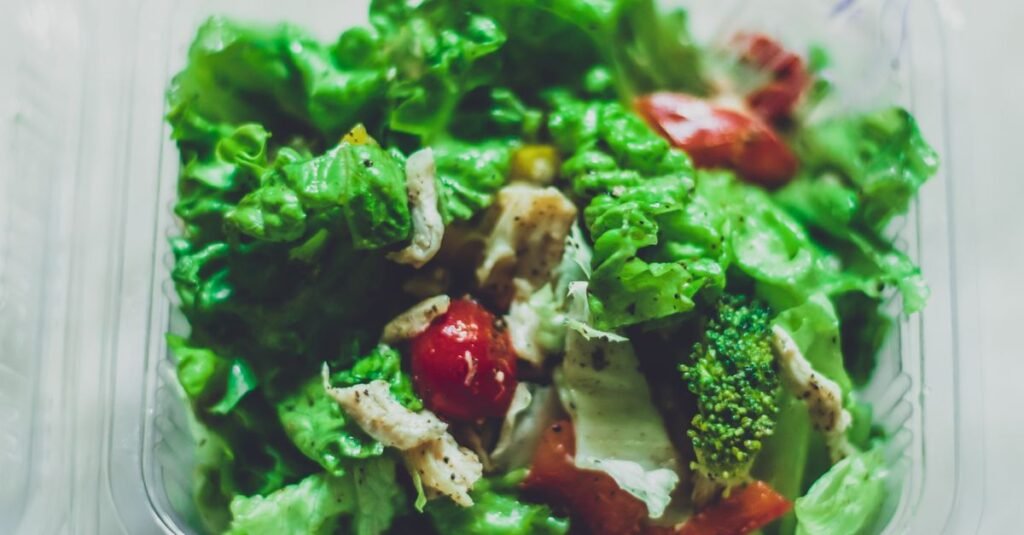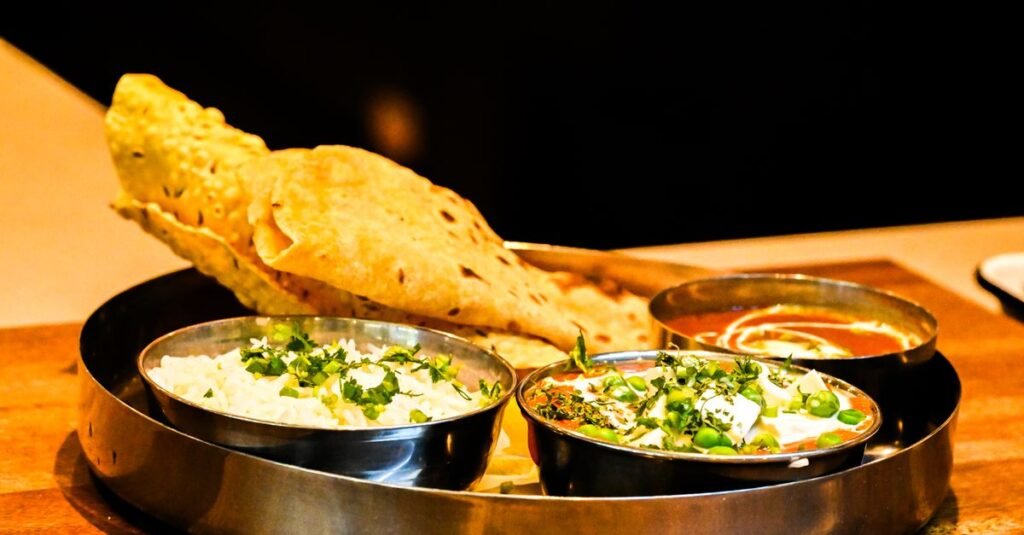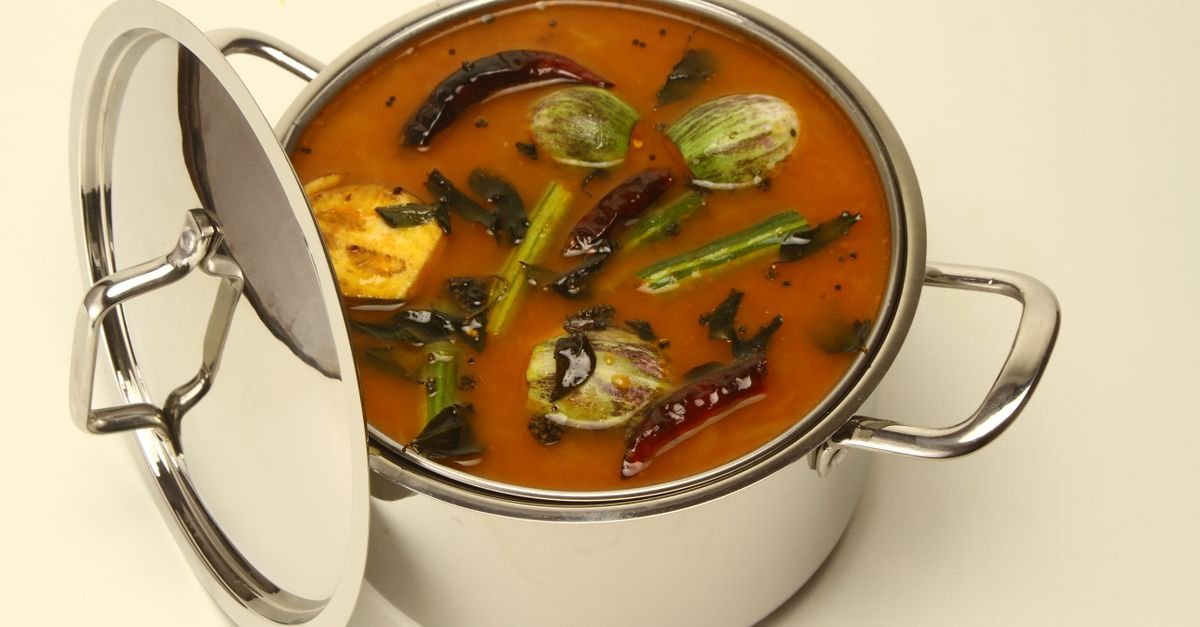
A veg diet chart for weight loss needs roughly 20g of protein at each main meal to work effectively — the most common reason vegetarian charts underperform is that protein gets treated as an afterthought rather than the meal’s foundation. Here’s a full day-by-day chart built to fix that.
I’m Yash Pathak, founder and lead trainer at FitStrot. This chart draws on years of building vegetarian weight-loss plans, structured around Indian vegetarian staples that don’t require special shopping trips.
The Chart Structure
Each day follows the same pattern: protein-forward breakfast, a balanced lunch with portioned carbs, a protein-or-fibre snack, and a lighter dinner. The specific dishes rotate; the structure stays consistent, which is what makes it sustainable past week two.
7-Day Veg Diet Chart
Monday: Breakfast — moong dal chilla, mint chutney. Lunch — one roti, chana dal, bhindi sabzi, salad. Snack — roasted chana. Dinner — paneer bhurji, sautéed spinach.
Tuesday: Breakfast — vegetable upma with peanuts. Lunch — brown rice, rajma, mixed vegetable sabzi. Snack — buttermilk. Dinner — tofu and vegetable stir-fry.
Wednesday: Breakfast — besan chilla, curd. Lunch — one roti, masoor dal, lauki sabzi, salad. Snack — a handful of nuts. Dinner — soya chunk curry, small portion of rice.
Thursday: Breakfast — sprouts salad with lemon and curd. Lunch — quinoa or brown rice, chole, cucumber salad. Snack — roasted makhana. Dinner — grilled paneer with vegetables.
Friday: Breakfast — idli with sambar, extra dal on the side. Lunch — one roti, moong dal, tinda sabzi, salad. Snack — fruit. Dinner — vegetable and tofu stir-fry.
Saturday: Breakfast — oats with milk, nuts, peanut butter. Lunch — brown rice, rajma or chana, salad. Snack — boiled egg (if ovo-vegetarian) or roasted chana. Dinner — paneer and vegetable curry, lighter portion.
Sunday: Breakfast — moong dal chilla or a flexible family-meal option. Lunch — one roti, dal, sabzi, curd. Snack — nuts. Dinner — soup with a side of roasted chana or paneer.
Portion Guidance Without Overcomplicating It
You don’t need a food scale for this chart to work. Use your palm as a rough guide: a palm-sized portion of protein (dal, paneer, tofu) at each main meal, a fist-sized portion of vegetables (aim to fill half the plate), and a cupped-hand portion of rice or one roti as the carbohydrate.
What Undermines a Veg Chart Most Often
Relying on rice or roti to fill you up instead of protein and vegetables — this leaves you hungrier sooner and eating more carbs to compensate. Skipping breakfast, which tends to cause overeating later in the day. And treating fried snacks (pakoras, chips) as a daily habit rather than an occasional one — they add up in calories faster than they seem to.
Adjusting for Your Situation
If you’re managing a health condition, the calorie and macro targets shift — our PCOD diet chart for weight loss and thyroid diet plan for weight loss guides cover those adjustments. If you want the broader reasoning behind this chart’s structure, our vegetarian diet plan for weight loss guide goes deeper into the protein-first approach.
Why This Chart Is a Starting Point, Not a Finish Line
This 7-day rotation works well as a template, but your actual calorie needs depend on your weight, activity level, and goals — someone training regularly needs meaningfully more food than what’s outlined here. An online weight loss trainer takes this same structure and calibrates the exact portions for your body, then adjusts it as your weight and energy respond over the following weeks.
A Full Week of Veg Diet Chart Variety
Repetition is the biggest reason vegetarian diet charts get abandoned. Rotating through different dals (moong, masoor, chana, rajma, urad) across the week, varying your vegetable sabzi (bhindi, lauki, palak, gobi, baingan), and alternating your protein anchor between paneer, tofu, curd, and legume-based dishes keeps meals interesting enough to sustain long-term. A simple rule: no single dal or vegetable repeated more than twice in the same week, which naturally builds in the variety most static diet charts lack.
Batch-cooking dal and sabzi in larger quantities twice a week, then varying the accompaniment (roti, rice, or quinoa) and the raw salad alongside, cuts daily cooking effort while still delivering meal-to-meal variety.
Adjusting Portions as You Progress
As you lose weight, your calorie needs decrease slightly, which means the same veg diet chart that worked well in month one may need modest portion adjustments by month two or three to keep the deficit appropriately calibrated. Rather than overhauling the entire chart, small adjustments — a slightly smaller roti portion, or an extra serving of vegetables in place of a starch — tend to keep the plan feeling familiar while staying aligned with your changing needs as progress continues.
Meal Timing: Does When You Eat Matter as Much as What You Eat
Clients following a veg diet chart often ask whether they should be eating dinner by 7 pm, whether breakfast has to happen within an hour of waking, or whether intermittent fasting windows would speed things up. My honest answer is that timing matters, but far less than total intake across the day, and it matters in different ways for different people. What timing genuinely affects is how well you stick to the chart, not some special metabolic switch that flips at a particular hour.
Where I do see a real, consistent pattern is with late, heavy dinners. Indian dinner culture often pushes the main meal to 9 or 9:30 pm, sometimes later on weekends, and eating a large meal close to sleep tends to correlate with poorer sleep quality and a tendency to snack again before bed out of boredom rather than hunger. I ask clients to aim for dinner at least two to three hours before sleeping and to make it the lighter of the day’s two main meals rather than the heaviest, which is often a reversal of habit but not a difficult one once tried for a week.
Point: gapping meals too far apart backfires more than eating slightly off-schedule. A six-hour gap between lunch and dinner with nothing in between reliably leads to overeating at dinner, simply because hunger overrides portion control by that point. A small planned snack around the four-hour mark, a fruit, a handful of roasted chana, or buttermilk, keeps that from happening and makes the overall chart easier to follow, which matters more for results than hitting a precise clock time.
Reading Between the Lines: Packaged ‘Healthy’ Foods That Aren’t
The Indian packaged food aisle has gotten very good at marketing language that sounds like it belongs on a diet chart, multigrain, no added sugar, baked not fried, protein enriched, and a lot of it doesn’t hold up once you actually read the nutrition label on the back rather than the claim on the front. Multigrain biscuits, for instance, are still biscuits, usually 400 to 450 calories per 100 grams with meaningful refined flour and sugar content regardless of the grain blend printed on the packet.
Diet or low-fat labelled products deserve particular scrutiny, because reducing fat often means adding sugar to preserve taste, and the calorie count doesn’t drop nearly as much as the label implies. A low-fat flavoured yoghurt can carry more sugar than a regular one. Protein bars and protein-enhanced namkeen marketed toward weight loss are frequently 350 to 500 calories per pack, roughly a full small meal, and clients eat them as a snack on top of their regular meals without registering that.
My practical advice is simple, ignore the front of the packet entirely and check three numbers on the back: calories per serving, sugar content, and the actual serving size, which is often smaller than what people eat in one sitting. If a snack claims 90 calories but the serving size is a quarter of the packet, most people are eating three to four servings without realising it. This single habit, reading labels rather than trusting front-of-pack claims, has saved more clients’ weekly calorie budgets than almost any other single change I coach.
Making This Chart Work When You Don’t Control What’s Cooked
Most veg diet charts, including the one above, are written as if you’re cooking every meal fresh at home with full control over ingredients and portions. For a huge number of people I coach — office-goers eating from a tiffin packed by someone else, hostel and PG residents eating mess food, people who eat lunch from a cafeteria or a nearby tiffin service — that assumption doesn’t hold, and the chart needs a translation layer to actually be usable.
If your lunch comes from a dabbawala or a tiffin service, you typically get two or three rotis, one sabzi, dal or kadhi, and rice, packed as a fixed combination you don’t get to customise in advance. The adjustment here isn’t in what’s packed, it’s in how you eat it. Eat the dal first, then the sabzi, and treat the rice and extra rotis as the flexible part — if you’re genuinely full after the dal, sabzi, and two rotis, there’s no rule saying you have to finish the rice or the third roti just because it’s in the box. I ask clients to request one specific change from their tiffin provider if possible — less oil, or dal instead of a paneer-heavy sabzi twice a week — but if that’s not an option, portion control on the plate does most of the work anyway.
Hostel and college mess food is a tougher environment because the food is often more starch-heavy and less protein-rich than home cooking, and second helpings of rice or extra parathas are usually free while protein options are limited. The workaround I give students and young professionals in this situation is to bring their own protein top-up — a small box of roasted chana, moong sprouts made in bulk on Sunday and stored through the week, or peanuts — and add it to whatever the mess is serving. It doesn’t fix the mess menu, but it rebalances your own plate without needing the kitchen to change anything.
Office cafeterias sit somewhere in between — usually more choice than a mess, less control than home. The trick I teach here is building a mental safe combination specific to your cafeteria rather than trying to follow the chart’s exact meals. If your cafeteria has a dal, a green vegetable, curd, and rice or roti most days, that’s your version of Day 3 or Day 5 from the chart even if the exact dish is different — the chart was never really about the specific recipe, it was about the ratio of protein, vegetable, and carb on the plate. Once you can spot that ratio in whatever food is actually available to you, you stop needing to follow the chart literally and start being able to eat well anywhere, which is really the point of learning it in the first place.
The clients who struggle most with a written chart are usually the ones treating it as a rigid script rather than a pattern to recognise. The ones who do well learn the underlying logic in the first two or three weeks and then apply it loosely to whatever food is actually in front of them — a hostel thali, a work cafeteria tray, a tiffin box — because the chart was only ever meant to teach the pattern, not to be followed word for word for the rest of their life.
Frequently Asked Questions
How does a veg diet chart for weight loss work?
It works by ensuring adequate protein at each meal alongside portioned carbohydrates and plenty of vegetables, creating a calorie deficit while keeping hunger manageable.
Is a veg diet chart for weight loss safe?
Yes, when protein, iron, and B12 needs are covered — the main nutrients vegetarian diets can fall short on, especially in a calorie deficit.
How long does a veg diet chart for weight loss take to show results?
Most people notice better energy within 1-2 weeks, with visible weight change typically by week 4-6 when followed consistently alongside movement.
Can beginners follow a veg diet chart for weight loss?
Yes — this chart uses common vegetarian staples, so the main adjustment is around portioning and protein awareness rather than learning unfamiliar foods.
Ready for a Chart Calibrated to Your Body?
A FitStrot online weight loss trainer calculates your specific protein and calorie targets, builds your veg chart around them, and adjusts it weekly as you progress.