Fat doesn’t automatically make you fat, juice cleanses don’t “detox” anything your liver isn’t already handling, and eating every three hours won’t rev up your metabolism. Nutrition advice is full of ideas that sound logical, spread fast, and turn out to be oversimplified or flat-out wrong. The problem isn’t stupidity — half-truths just travel further than nuance, and food marketing has every incentive to keep them alive.
This guide walks through six persistent general nutrition myths — not the weight-loss-specific ones (for those, see our breakdown of the most common weight loss myths) — and explains what the actual research says, in plain language, with the nuance intact.
Does eating fat make you fat?
No, not inherently. This myth dates back to the low-fat craze of the 1980s and 90s, when “fat-free” became a marketing badge slapped on everything from cookies to salad dressing. The logic seemed obvious: fat has more calories per gram than protein or carbs (9 versus 4), so eating less of it should mean less body fat. But food manufacturers compensated for removed fat by adding sugar and refined starch to preserve taste and texture — and many of those “fat-free” products ended up higher in calories than the originals.
The nuance that actually matters: fat type matters more than fat quantity. A 2021 systematic review in the National Center for Biotechnology Information’s literature found that replacing saturated fat with refined carbohydrates provides no cardiovascular benefit, while replacing it with polyunsaturated fat does reduce cardiovascular risk. The current Dietary Guidelines for Americans (2020–2025) still recommend keeping saturated fat under 10% of daily calories, and a strong body of evidence supports swapping butter for plant oils to improve cholesterol profiles. But dietary fat as a category — including unsaturated fats from olive oil, nuts, avocado, and fatty fish — is not the villain it was made out to be. It’s essential for hormone production, vitamin absorption, and satiety.
Do detox diets and juice cleanses actually flush out toxins?
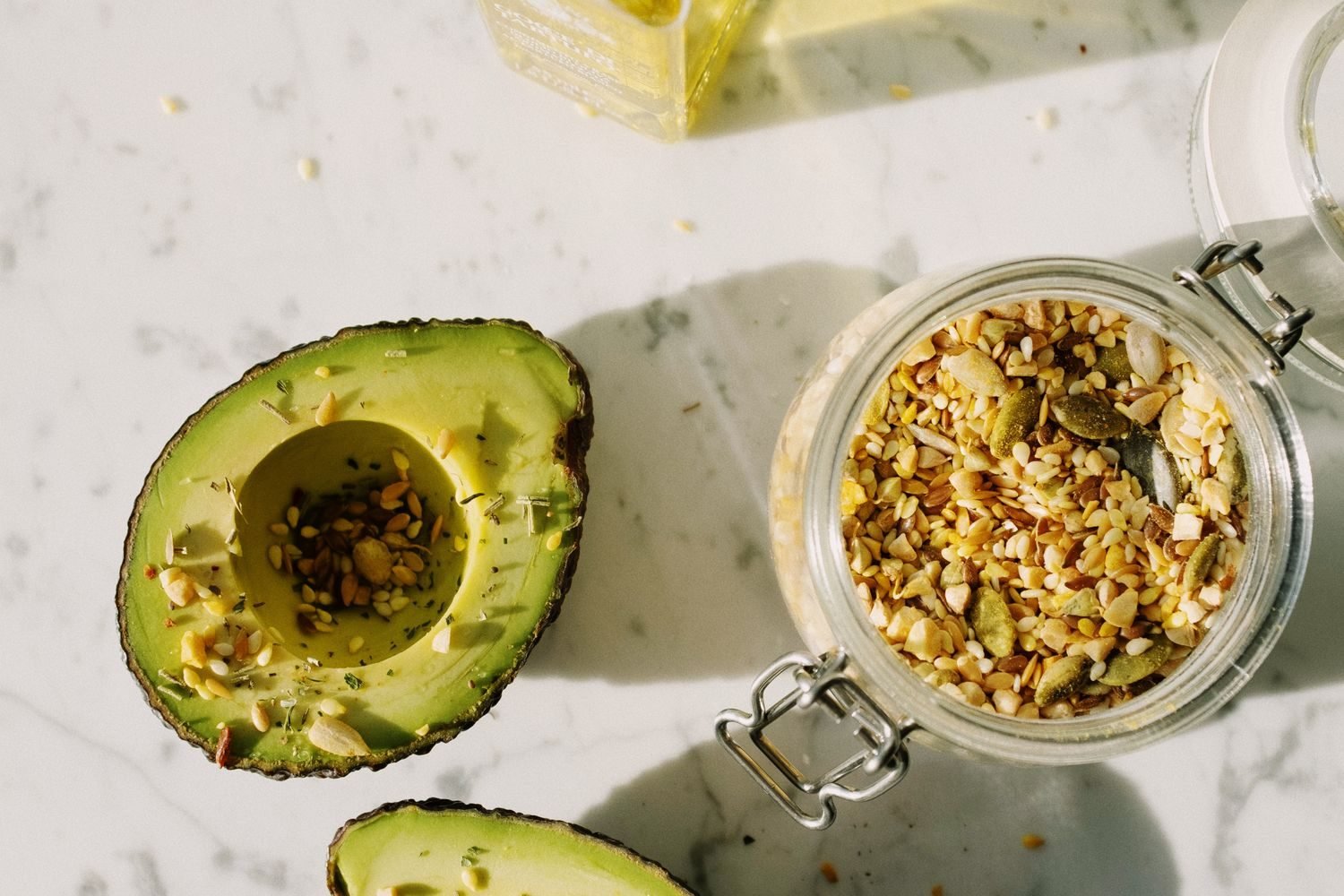
There’s no credible evidence that they do. This myth persists partly because “toxins” are rarely named or measured before and after a cleanse, making the claim nearly impossible to test. When researchers have measured biomarkers like heavy metals or metabolic waste products before and after a juice cleanse, they generally find no consistent reduction attributable to the cleanse itself.
The reason is straightforward physiology: in a healthy person, the liver, kidneys, digestive tract, lungs, and skin already filter and eliminate waste continuously. You don’t need a green juice to activate an organ that’s never been off duty. The NIH has reviewed detox methods, including juice cleanses and colon cleanses, and found little to no scientific evidence supporting the claims made about them.
Beyond the lack of benefit, cleanses carry real downsides:
- Contamination risk: Unpasteurized juices can harbor bacteria like E. coli and Salmonella.
- Kidney stone risk: Juices heavy in leafy greens or beets can be high in oxalates, which may contribute to kidney stones in susceptible people.
If you want to genuinely support your liver and kidneys, the evidence-backed approach is boring but effective: stay hydrated, limit alcohol, and build healthy eating habits over time — not a three-day juice fast.
Are all calories equal no matter where they come from?
This one is genuinely nuanced — partly true, partly false, depending on what you’re asking. For pure energy balance, a calorie is a calorie: 500 calories of broccoli and 500 calories of candy contain the same chemical energy, and the laws of thermodynamics don’t bend for food groups. If total calories in exceed total calories out, weight goes up, regardless of source.
But calories don’t affect your body identically once they’re inside you. Digestion itself burns calories — a phenomenon called the thermic effect of food — and the amount varies by macronutrient:
| Macronutrient | Thermic Effect (% of Calories Burned Digesting) |
|---|---|
| Protein | 20–30% |
| Carbohydrates | 5–10% |
| Fat | 0–3% |
In practice, that means your body burns up to a third of protein’s calories just digesting it, while fat costs almost nothing to process. So 100 calories of protein and 100 calories of fat aren’t quite equivalent in net energy delivered, even though both start at 100 calories.
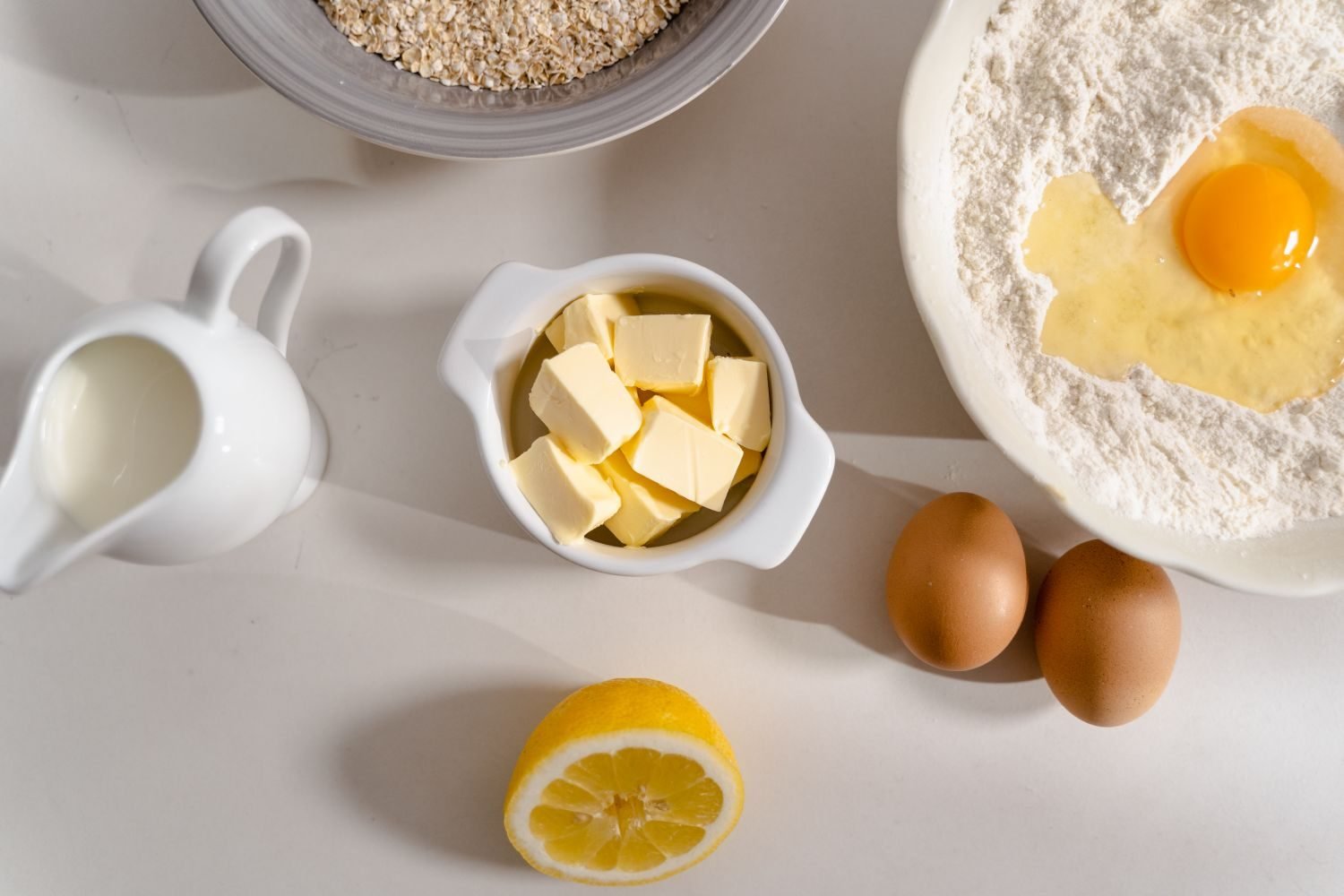
Macronutrient source also affects appetite in ways that shape how much you eat overall. High-fiber, high-protein foods tend to be more filling per calorie than refined carbs and fat, which is why a 300-calorie serving of oatmeal with eggs feels more satisfying than a 300-calorie pastry at the same energy value. This appetite effect matters more for long-term intake than the small thermic differences. For more on how carbohydrate quality affects your body, see our explainer on glycemic index and glycemic load, and our piece on how sugar affects the body beyond just calorie count.
Do you need to eat every 2-3 hours to keep your metabolism running?
No — this is one of the more thoroughly debunked ideas in nutrition science. The advice to “graze” every two to three hours to keep your “metabolic fire burning” has been repeated so often it feels like established fact, but controlled research doesn’t back it up.
A frequently cited body of research, including a review by scientists affiliated with the French National Institute of Health and Medical Research, found no meaningful difference in 24-hour energy expenditure between eating small, frequent meals and eating fewer, larger ones. Small meals produce small, brief upticks in metabolic rate from digestion; large meals produce bigger, longer ones. By the end of the day, the totals even out. Your metabolic rate is driven far more by total daily calorie intake, muscle mass, and activity level than by how many times you sit down to eat.
That doesn’t mean meal frequency is irrelevant to everyone — some people find eating more often helps manage hunger or energy levels, and that’s a fine personal reason to do it. But “boosting metabolism” isn’t one of the real reasons, and eating three solid meals a day isn’t slowing anything down. If metabolic health is the actual goal, strength training, adequate protein, consistent sleep, and stress management have far stronger evidence behind them than meal timing.
Is brown or multigrain bread always healthier than white bread?
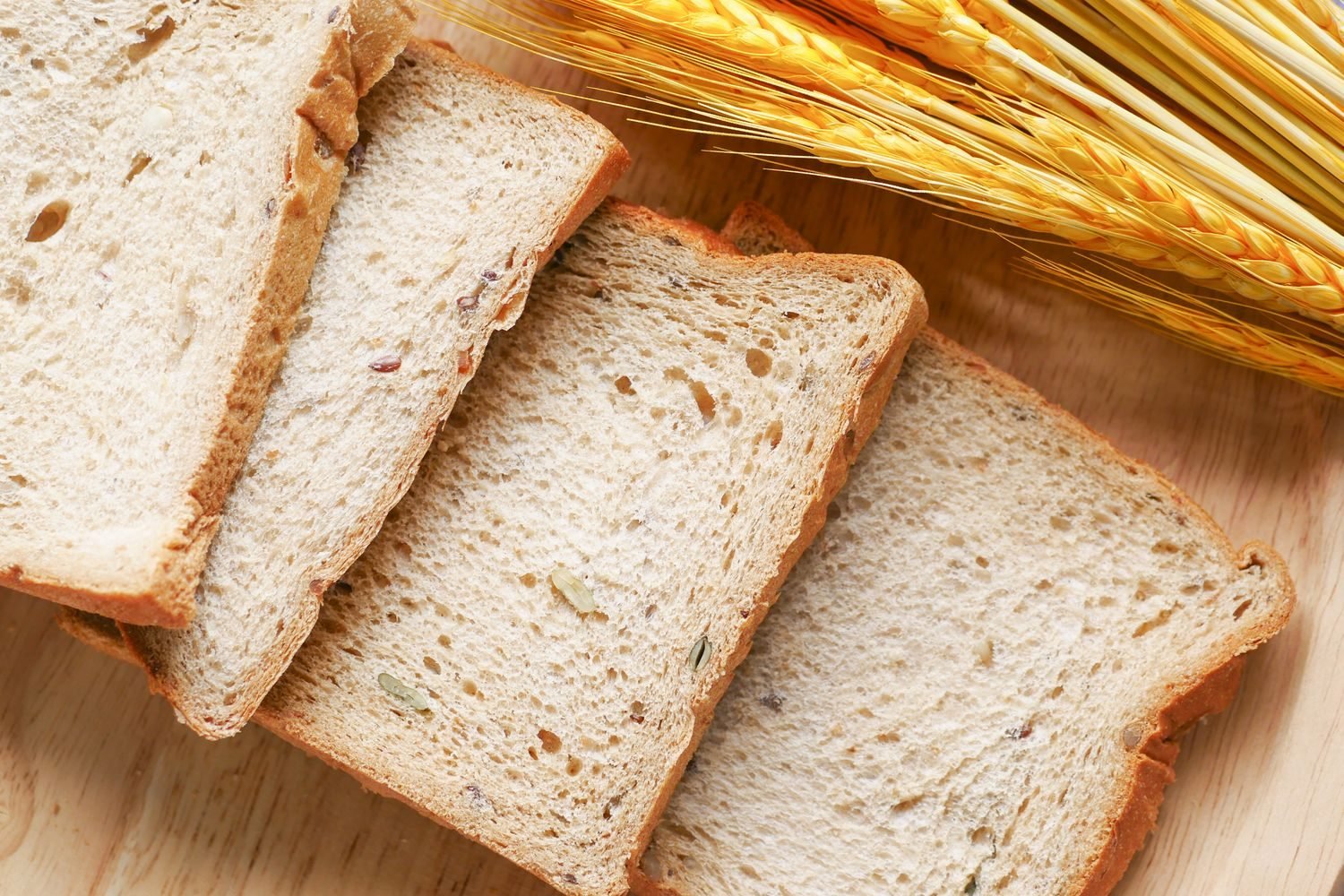
Not automatically — this is a case where marketing language and nutrition substance frequently diverge. Whole wheat bread is made using the entire wheat kernel — bran, germ, and endosperm — while white bread uses only the endosperm, which strips out most of the fiber, B vitamins, and minerals concentrated in the outer layers. A slice of true whole-grain bread typically has around 2-3 grams of fiber, compared to less than 1 gram in white bread, and that difference genuinely matters for digestion, blood sugar response, and satiety.
The catch is the word “multigrain.” It sounds virtuous, but it legally only means a bread contains more than one type of grain — not that any of those grains are whole. A loaf can be labeled multigrain while made almost entirely from refined flour with a few token seeds mixed in for visual effect. The same goes for “brown” or “wheat” bread, where caramel coloring or molasses can darken an otherwise refined-flour loaf to look more wholesome than it is.
The only reliable way to tell is the ingredient list, not the front-of-package claims:
- Check the first ingredient. Look for “100% whole wheat” or “100% whole grain” listed first.
- Check the fiber content. Aim for at least 3 grams of fiber per slice.
- Watch for the red flag. If white flour or plain “wheat flour” appears first, you’re likely getting a refined product with a health-conscious label.
Is MSG dangerous to eat?
No — this is one of the most persistent food scares in modern nutrition history, and it isn’t supported by the safety evidence. Monosodium glutamate (MSG) has been classified as “Generally Recognized as Safe” (GRAS) by the FDA since 1958, a status repeatedly reaffirmed since. The Joint Expert Committee on Food Additives, run jointly by the UN Food and Agriculture Organization and the World Health Organization, placed MSG in its safest category of food ingredients back in 1987, and that classification hasn’t changed.
The scare traces back to a single 1968 letter in a medical journal describing anecdotal symptoms after eating at Chinese restaurants, which spiraled into “Chinese Restaurant Syndrome” — a term now recognized as scientifically unfounded, since MSG occurs naturally in tomatoes, parmesan cheese, and mushrooms without controversy. In controlled, blinded studies giving people MSG versus a placebo, researchers have not been able to consistently reproduce the reactions that self-identified “sensitive” individuals report.
The honest caveat: a minority of people may experience mild, short-term symptoms like headache or flushing after consuming large amounts (3 grams or more) of MSG on an empty stomach — roughly six times what’s in a typical serving of flavored food. That’s a real but narrow finding, not grounds for treating MSG as a hidden hazard in ordinary cooking.
Why do nutrition myths spread so easily?
Most of these myths share a common structure: they start from a real, narrow finding, then get stretched into a universal rule that’s easier to remember than the nuanced original. “Saturated fat raises cholesterol in some contexts” becomes “fat makes you fat.” “MSG may cause mild symptoms at high doses on an empty stomach” becomes “MSG is dangerous.” Simplified claims spread faster than qualified ones, and food marketing has a financial incentive to keep the simple version alive, whether it’s “fat-free” snacks or “multigrain” bread.
The fix isn’t to distrust all nutrition advice — it’s to ask two questions before accepting a claim: what’s the actual mechanism, and does the source have something to sell you? Genuine nutrition science tends to be less dramatic and more conditional than headlines suggest, which is exactly why myths persist even after being debunked. Building better instincts here pairs well with our guide to healthy eating habits worth building and our overview of nutrition and food fundamentals.
Frequently Asked Questions
Is it true that eating late at night causes weight gain?
Not directly. What matters most is total daily calorie intake, not the clock. Late-night eating gets linked to weight gain mainly because it tends to involve mindless snacking or higher-calorie foods, not because your body processes calories differently after 8pm.
Does organic food have more nutrients than conventional food?
Not meaningfully. Large reviews comparing organic and conventionally grown produce have generally found similar vitamin and mineral content. Organic farming has other considerations, like pesticide exposure, but “more nutritious” isn’t a well-supported one.
Can I trust “natural” on a food label to mean healthy?
Not really. “Natural” has no strict, standardized legal definition for most food categories, unlike “organic” or “100% whole grain,” which have defined criteria. A product can be labeled natural while still containing significant added sugar or refined ingredients.
Is brown sugar healthier than white sugar?
No. Brown sugar is white sugar with a small amount of molasses added back in, which changes color and flavor but not calories, fiber, or overall health impact in any meaningful way. The difference is negligible at typical serving sizes.
Do “detox teas” help with digestion or bloating?
Any effect usually comes from laxative or diuretic ingredients, not toxin removal, and the relief is often water weight or a temporary bowel movement rather than lasting change. Regular fiber, water, and movement do more for digestion long-term with less risk.
Nutrition myths tend to persist because they’re simpler than the truth, not because the truth is hidden. If you want a plan built around what actually holds up in your specific case — rather than whatever claim is trending this month — an online nutritionist consultation can help you sort personalized fact from generic marketing.