Exercise cannot spot-reduce fat specifically from breast tissue, since breasts are composed largely of fatty tissue that responds to overall body fat reduction, not localized exercise. Chest exercises (push-ups, chest press, chest fly) strengthen the pectoral muscles underneath the breast tissue, which can improve posture and the appearance of firmness, but genuine size reduction happens only through overall weight loss.
I’m Yash Pathak, founder and lead trainer at FitStrot. This is a common and reasonable question, and the honest answer helps set the right expectations before starting any routine aimed at this area.
Understanding Breast Tissue and Fat
Breasts are composed of glandular tissue, connective tissue, and fatty tissue, with the proportion varying by individual. As overall body fat decreases through a calorie deficit, breast size often reduces somewhat, since fatty tissue there responds to the same body-wide fat loss as everywhere else. However, this isn’t something exercise can target directly or predict precisely — some people notice more change in this area, others less, based on genetics and individual fat distribution patterns.
What Chest Exercises Actually Do
Strengthen the pectoral muscles. The muscles beneath breast tissue support posture and can create a firmer, more lifted appearance, even without changes to fat or tissue volume.
Improve posture. Stronger chest and upper back muscles support better posture, which can make a genuine visual difference in appearance independent of any weight change.
Support overall upper body strength, which contributes to better performance in other exercises and daily activities.
Effective Chest and Upper Body Exercises
Push-ups. A foundational bodyweight exercise that engages the chest, shoulders, and triceps — modify with knee push-ups if full push-ups aren’t yet accessible.
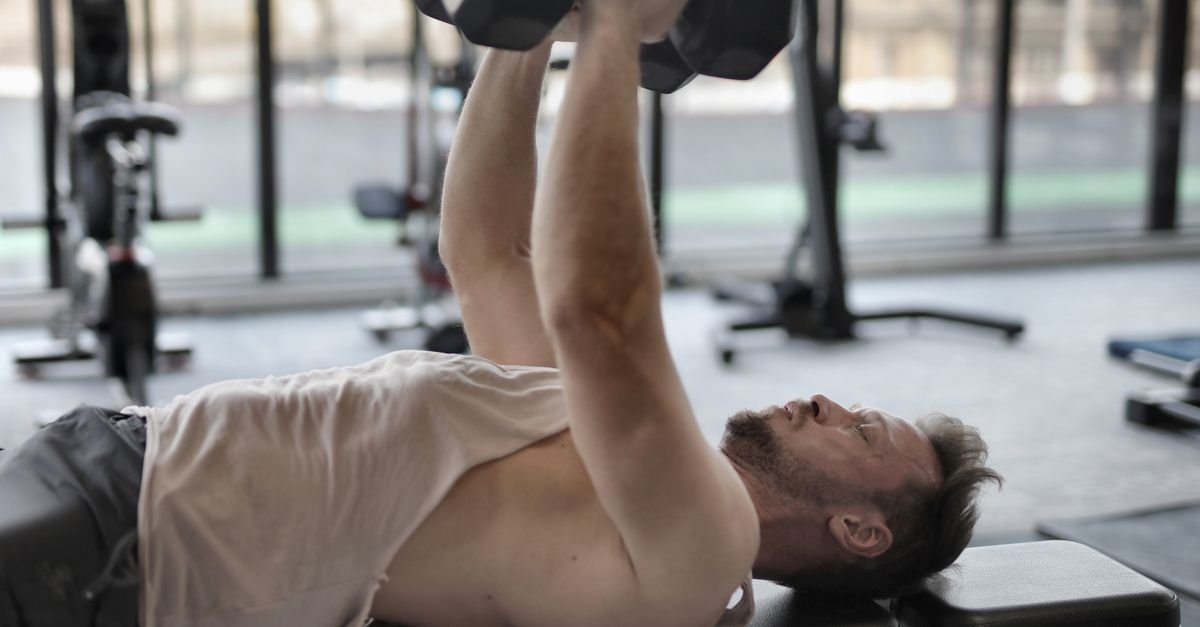
Chest press (dumbbell or barbell). Performed lying on a bench or floor, pressing weight upward — builds chest strength with added resistance beyond bodyweight.
Chest fly. Using dumbbells or a cable machine, this movement isolates the chest muscles through a wide, controlled arc motion.
Plank variations. While not chest-specific, planks engage the chest and core together, supporting overall upper body strength and posture.
Wall push-ups or incline push-ups. Good starting points for beginners building toward standard push-ups, working the same muscle group at reduced intensity.
Building a Routine
2-3 sessions weekly of chest and upper body work, combined with overall strength training and cardio, supports both muscle tone and the calorie deficit needed for actual fat loss. A simple structure: 3-4 chest exercises, 10-15 reps, 2-3 sets, 2-3 times weekly, alongside cardio and a calorie-appropriate diet for the fat loss component.
What Actually Changes Breast Appearance Through Weight Loss
Since spot reduction isn’t possible, changes to breast size or shape happen through overall body fat reduction — a consistent calorie deficit through diet, combined with cardio and strength training, sustained over weeks and months. The rate and degree of change varies significantly by individual, and it’s worth noting this isn’t always a desired outcome for everyone pursuing weight loss — some people prefer to maintain volume in this area while losing fat elsewhere, which is a matter of individual goals rather than something exercise can selectively control.
A Note on Realistic Expectations
If maintaining breast volume while losing weight elsewhere is a goal, this is genuinely difficult to control precisely through diet or exercise alone, since fat distribution during loss follows individual patterns you can’t fully direct. Strength training (including chest exercises) can help maintain a toned, supported appearance regardless of how fat distribution changes, which is often the more controllable and realistic goal.
Combining This With a Complete Plan
Chest exercises work best as one part of a broader strength and cardio routine, alongside a calorie-appropriate diet. Our gym workout for weight loss guide covers a complete strength training structure that includes chest work within a fuller program.
Why a Structured Plan Beats Isolated Exercises
Focusing narrowly on one area while ignoring diet and overall training typically produces limited results, since the underlying fat layer responds to total body calorie balance, not isolated targeting. An online weight loss trainer builds a complete program addressing your actual goals and realistic expectations for how your body will change.
Setting Realistic Expectations for This Area
Breast tissue is largely composed of fat, glandular tissue, and connective tissue rather than muscle, which means exercises specifically targeting this area (chest presses, push-ups) build the pectoral muscles underneath rather than directly reducing breast size — visible change in this area comes primarily from overall body fat reduction, not targeted exercise. Chest exercises are still valuable for posture, upper body strength, and the toned appearance that becomes visible once overall body fat decreases, just not as a standalone tool for reducing size in this specific area.
Reduced skin elasticity, particularly after significant weight change or with age, can also affect how this area looks independent of fat percentage — a realistic factor worth knowing so expectations account for it rather than assuming exercise alone fully addresses every visible change.
The Role of Posture, Bra Support and Back Strength in How This Area Looks
A large part of how this area appears day to day has less to do with fat and more to do with posture and support structures around it. Weak upper back and shoulder muscles, particularly the rhomboids and mid-trapezius, tend to pull the shoulders forward into a rounded position, which changes how the chest sits and can make the area look less lifted regardless of body composition. Strengthening the upper back with exercises like seated rows, reverse flys, and face pulls, alongside chest work, often improves the overall appearance more than chest exercises alone.
Bra support matters more than most fitness content gives it credit for, especially during a weight loss phase when body size is actively changing. Wearing a bra that no longer fits properly, which happens often as weight and measurements shift, can affect both comfort during exercise and how this area looks in daily life. I generally recommend getting properly measured every couple of months during an active weight loss phase, since guessing the size based on how it fit three months ago is one of the most common and easily fixed issues I come across with clients.
Beyond aesthetics, this connects directly to exercise performance too. A well-fitted, supportive sports bra during higher-impact training like running or jump rope reduces unnecessary strain and discomfort, which in turn makes it more likely you’ll actually do that training consistently rather than avoiding certain workouts because of discomfort.
Common Mistakes People Make Chasing Chest Exercises for This Goal
The most common mistake is overtraining the chest specifically in the mistaken belief that more chest exercise will burn fat directly from that area. As covered elsewhere, spot reduction doesn’t work this way, and doing chest presses or push-ups every single day rarely speeds up fat loss in this specific region any more than training any other muscle group would. It usually just leads to unnecessary fatigue and, in some cases, overuse discomfort in the shoulders.
A second mistake is neglecting the rest of the upper body while focusing narrowly on chest work. As mentioned, back and shoulder strength influence how this area presents just as much as chest strength does, so a program that’s ninety percent push-ups and chest press and ten percent everything else tends to create a muscular imbalance rather than the balanced, lifted look most people are actually going for.
The third mistake is expecting visible change within a few weeks. Muscle adaptation in this area, like anywhere else, takes roughly six to eight weeks of consistent training before changes in tone and posture become noticeable, and actual fat loss changes typically track with overall body fat percentage, which moves gradually over months, not weeks. Setting that timeline expectation upfront tends to prevent the discouragement that leads people to abandon a perfectly reasonable routine too early.
How Postpartum Recovery and Your 30s and 40s Change What to Expect
The expectations I set for a 24-year-old doing chest exercises for the first time are genuinely different from what I’d tell a woman six months postpartum, and different again from what I’d tell someone in her early 40s navigating perimenopause. Postpartum, especially if you’re breastfeeding, breast tissue is in an active, hormonally-driven state of change that has nothing to do with your training — volume fluctuates with feeding schedules, and it’s common for the tissue to feel different, sometimes softer, through this period regardless of how consistent you are with chest exercises. I generally tell postpartum clients to wait until breastfeeding has fully stopped and hormones have settled, usually a few months after weaning, before judging how upper body training has actually changed things, because judging it mid-feeding conflates two unrelated processes.
Move into your late 30s and 40s and a different factor takes over: collagen and elastin production, the proteins responsible for skin’s ability to snap back after stretching, naturally decline with age, and that decline accelerates around perimenopause as estrogen drops. This means the same amount of weight loss that left minimal visible change in someone’s skin at 25 may show more looseness at 42, not because anything was done wrong, but because the skin’s elasticity reserve is genuinely smaller at that stage of life. It’s a hormonal and structural reality, not a reflection of effort, and I say this because I’ve had clients blame themselves for something their skin biology was always going to do regardless of their training consistency.
What stays true at every life stage is that strength training becomes more, not less, important as you get older, because muscle mass declines by roughly 3-8% per decade after 30 without resistance training to counteract it, and that decline affects posture, shoulder position, and how the whole upper body carries itself — all of which influence how this area looks day to day. A 45-year-old who’s been doing consistent rows, presses and pull-aparts for a year will generally carry herself, and this area specifically, better than a 45-year-old who hasn’t, even accounting for the same skin elasticity changes both are dealing with.
My practical advice across all these stages is the same: give any new routine a full three to four months before judging results, because both postpartum hormonal settling and skin elasticity changes operate on a timeline measured in months, not weeks. And keep expectations tied to what training can actually influence — posture, muscle tone, upper body strength — rather than trying to use exercise to reverse changes that are governed by hormones, genetics or age, which no amount of chest work will override.
Frequently Asked Questions
Can exercise reduce breast size specifically?
No — spot reduction isn’t possible. Breast size may decrease somewhat as overall body fat reduces through diet and total activity, but this can’t be targeted directly through chest exercises.
Do chest exercises make breasts smaller?
Chest exercises strengthen the muscles beneath breast tissue, which can improve firmness and posture, but they don’t reduce the fatty tissue that determines breast size — that responds to overall body fat levels.
Is it safe to do chest exercises regularly?
Yes, chest exercises are generally safe for most people when performed with proper form. Beginners should start with bodyweight versions (wall or knee push-ups) before progressing to added resistance.
How long does it take to see results from chest exercises?
Muscle tone and posture improvements are often noticeable within 3-4 weeks of consistent practice, though changes to fat distribution depend on overall weight loss progress and vary by individual.
Ready for a Plan Built Around Your Actual Goals?
A FitStrot online weight loss trainer builds a complete program addressing your specific goals and realistic expectations for how your body will change through the process.