The best first foods for babies are single-ingredient, iron-rich, and appropriately textured for their stage — think mashed banana at 6 months, soft dal-rice khichdi at 8 months, and finger foods like steamed carrot sticks by 10 months. Whether you make baby food at home or buy it from a store, the goal is the same: safe textures, no added salt or sugar before age 1, and steady iron and zinc once milk alone isn’t enough. This guide covers practical first-food ideas by stage, an honest homemade-versus-store-bought comparison, and simple recipes, including Indian staples like ragi porridge and dal water.
Always check with your pediatrician before introducing solids, especially if your baby was premature or has reflux, eczema, or a family history of food allergies. This article is educational and doesn’t replace individualized medical advice.
When should you start solid foods, and what are the first signs of readiness?
The American Academy of Pediatrics (AAP) recommends starting solid foods at around 6 months, once your baby shows clear developmental readiness, not by the calendar alone. According to HealthyChildren.org, readiness signs include holding the head up steadily, sitting with minimal support, bringing hands or toys to the mouth, and leaning forward with an open mouth when food is offered. A baby who repeatedly pushes food out with their tongue isn’t ready yet.
Starting too early, before 4 months, raises choking risk and hasn’t been shown to help babies sleep better, despite the popular myth. Starting well past 6 months can mean missing the window when birth iron stores start running low, particularly for exclusively breastfed babies. For the full month-by-month timeline from birth through the first year, see our infant nutrition guide — this article focuses on what to put on the spoon at each stage.
What are the best first foods to introduce at 6 months?
Iron and zinc top the priority list, because a baby’s iron stores built up during pregnancy begin depleting around 6 months. The AAP specifically calls out iron-fortified infant cereal and pureed meats as strong first choices. Good starting options include:
- Iron-fortified single-grain cereal (rice, oat, or ragi/finger millet) mixed with breast milk, formula, or water to a thin, runny consistency
- Pureed or mashed banana — naturally soft, mildly sweet, and easy to digest
- Pureed sweet potato or pumpkin — smooth texture, rich in beta-carotene
- Pureed or well-mashed meat (chicken, lamb) — a good iron source, often overlooked as a first food
- Moong dal water — a thin, strained lentil broth traditional across Indian households
- Mashed avocado — healthy fats support brain development
Introduce one new single-ingredient food at a time, waiting about 3 days before the next, so you can spot any reaction. Texture should be smooth and thin enough to drip slowly off a spoon, not paste. For how much of each nutrient babies need at this stage, see our article on infant nutritional requirements.
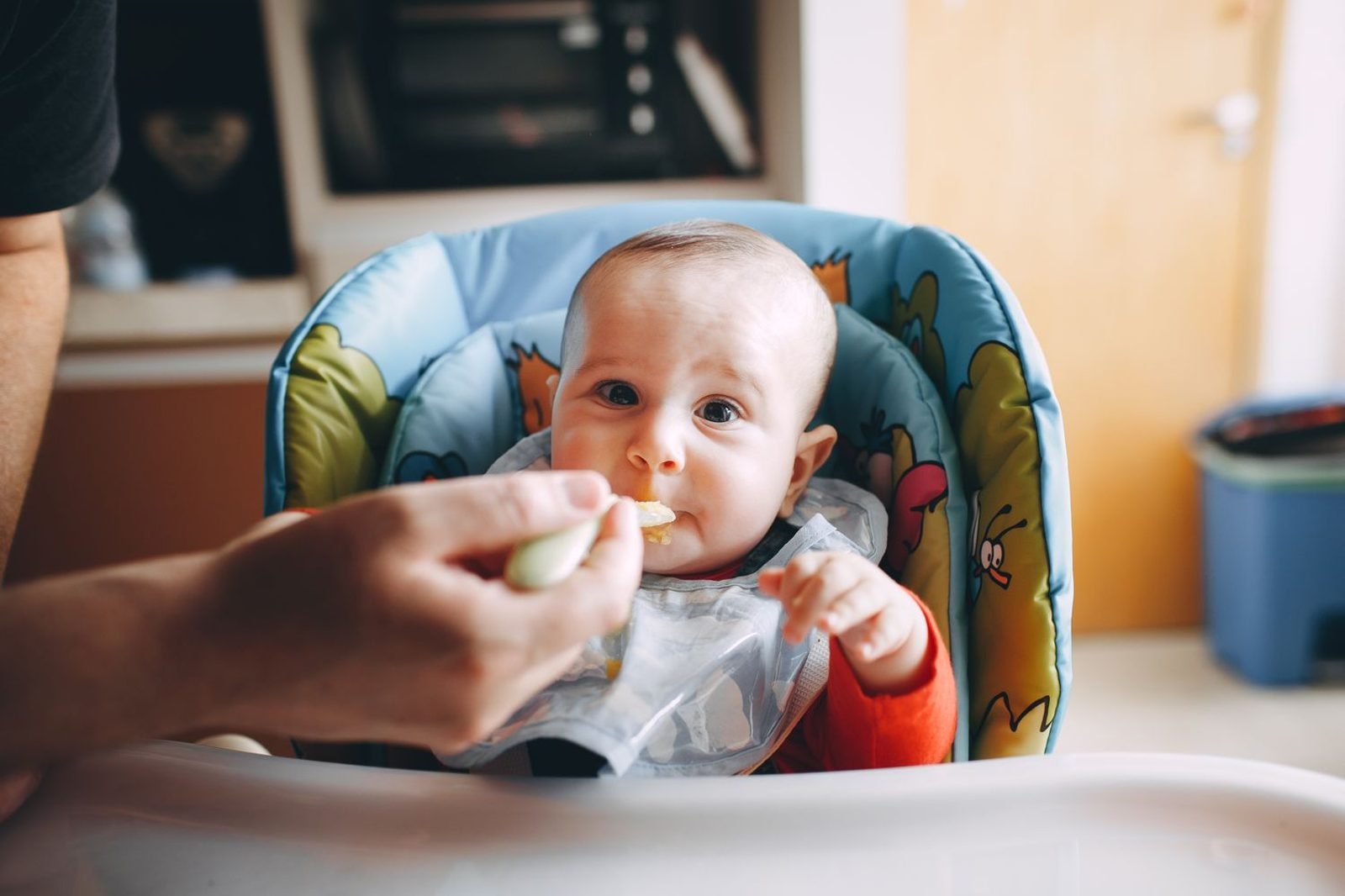
How do first foods progress from purees to finger foods by month?
Texture progression matters as much as which foods you choose — moving too slowly can delay chewing skills and acceptance of lumpier foods later. A rough stage-by-stage path:
- 6 months, thin purees: smooth, single-ingredient purees thinned with breast milk, formula, or water. One to two teaspoons per sitting is normal, since babies still get most nutrition from milk now.
- 7-8 months, thicker mashes with soft lumps: mashed dal, fork-mashed banana, mashed vegetables, plain yogurt (if approved), and soft khichdi cooked to a mushy consistency.
- 9-10 months, soft finger foods: steamed carrot sticks, soft-cooked pasta, small pieces of banana or avocado, scrambled egg, soft roti torn into pieces. This is when pincer grasp develops, so small pieces support that skill.
- 11-12 months, modified family food: softer, less-seasoned versions of what the family eats — vegetables, soft fruit, shredded meat, rice, dal — with no added salt or sugar, working toward three meals plus snacks.
For how needs shift once a baby becomes a toddler eating three meals a day, our toddler nutrition article picks up where this stage leaves off.
Is homemade or store-bought baby food more nutritious?
Neither option is automatically better — it depends on ingredients, preparation, and what you’re comparing. A nutritional profile study of infant foods published in PMC (National Library of Medicine) found homemade infant foods generally had higher median protein and fiber than commercial equivalents, while sodium levels were similar between the two for infants (the gap widens for older toddler-stage commercial foods). The research found no dramatic nutritional gap when parents chose thoughtfully from either category — the real risk is inattentive choices in either direction, like over-salting a homemade dal or picking a pouch that’s mostly fruit concentrate.
Homemade: pros and cons
- Pro: full control over ingredients, salt, sugar, and texture; generally cheaper per serving; introduces family flavors early
- Con: takes time to cook, puree, and store; requires care cooling food promptly and using refrigerated purees within 48 hours
Store-bought: pros and cons
- Pro: convenient for travel or busy days; reputable brands are tested for consistency and often iron-fortified
- Con: costs more per serving; some pouches lean on fruit purees as cheap bulking agents, so a “vegetable” pouch may be mostly fruit sugar; texture often stays smoother than a baby’s stage calls for, which can slow chewing-skill development if relied on exclusively past 9-10 months
Most families land on a mix: homemade as the everyday default, pouches as backup for travel or busy weeks — reasonable as long as you’re reading labels carefully either way.
How do you read a store-bought baby food label?
A few checks make label-reading fast:
- Ingredient order — listed by weight, so if fruit puree (apple, pear, white grape concentrate) is first or second on a “vegetable” product, it’s mostly fruit sugar
- No added sugar or salt — sodium should be minimal, with no syrup or juice concentrate used purely for sweetness
- Age labeling matches your baby’s stage — a “9 months+” product should have thicker texture and small soft pieces, not just a smoother Stage 1
- Iron content — for infant cereals, confirm “iron-fortified” on the label
- Simple ingredient lists — fewer ingredients make a reaction easier to trace
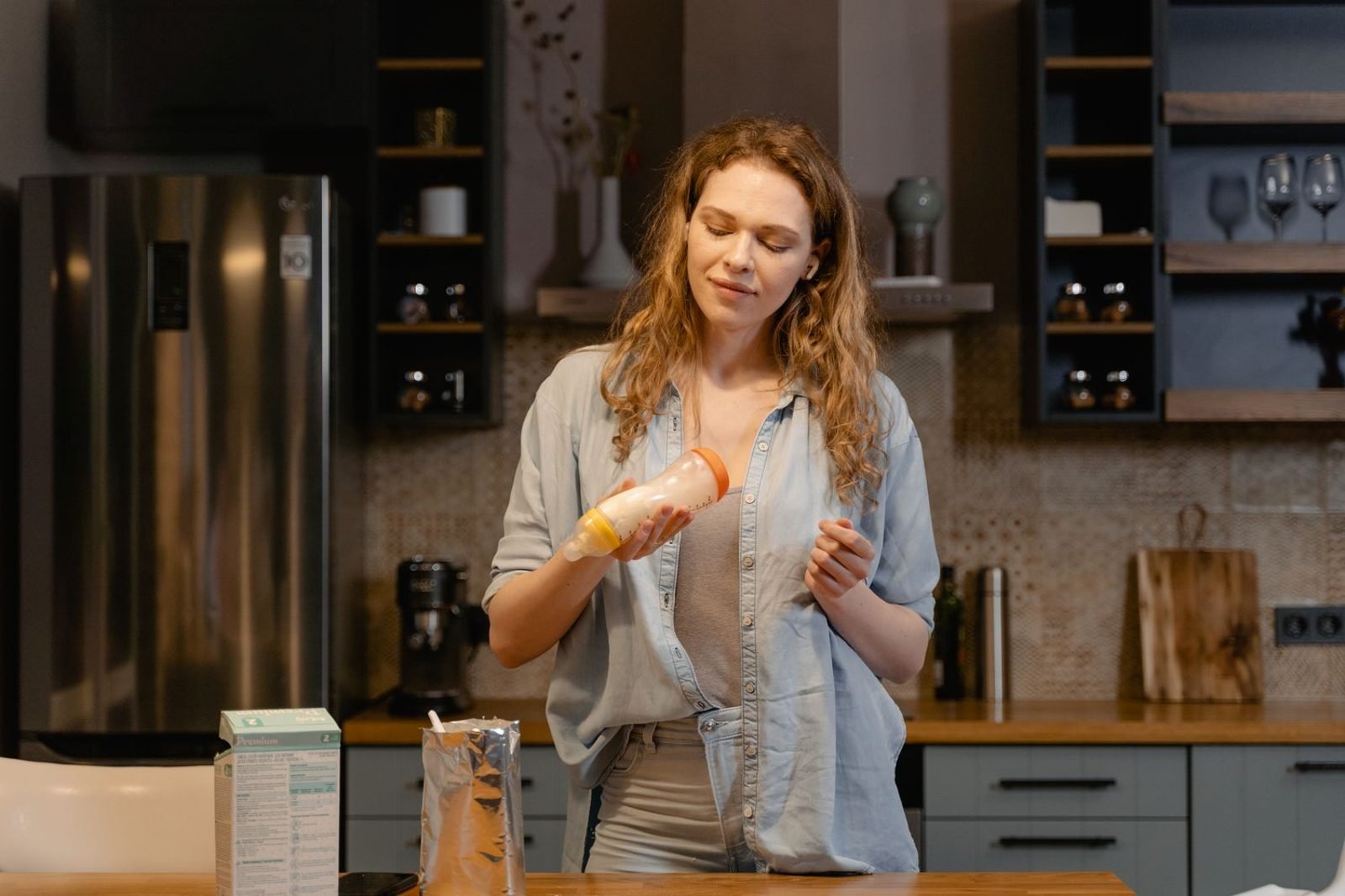
What are simple homemade first-food recipes to try this week?
These are deliberately basic — single or two-ingredient recipes for the 6-8 month stage. Cool food to a safe eating temperature and test on your wrist first. None need added salt or sugar; the AAP and WHO are clear that babies under 12 months shouldn’t have either, since kidneys aren’t yet equipped for excess sodium and added sugar builds a sweetness preference with no nutritional upside.
- Mashed banana: mash half a ripe banana with a fork until smooth, adding breast milk or formula for a thinner consistency. No cooking needed — often the very first food babies try.
- Moong dal water: wash 2 tablespoons of yellow moong dal and simmer with 1 cup of water until completely soft (15-20 minutes), mash, then strain through a sieve for a thin, watery liquid — a traditional Indian first food, gentle on digestion.
- Ragi (finger millet) porridge: stir 1 tablespoon of roasted ragi flour with a few tablespoons of water over low heat until smooth and lump-free (about 5 minutes), then thin with breast milk or formula. Per the ICMR’s Indian Food Composition Tables, ragi is notably rich in calcium and iron relative to other cereals.
- Soft khichdi: cook 2 tablespoons of rice with 1 tablespoon of split yellow moong dal in about 1.5 cups of water until completely soft and mushy, then mash — a natural bridge food between 7 and 9 months.
- Steamed sweet potato mash: steam or boil a peeled, cubed sweet potato until fork-tender (12-15 minutes), then mash with a little breast milk, formula, or water.
For how these early choices carry into later eating habits, see our child nutrition guide.
What foods and textures should you avoid before age 1?
Safety comes before nutrition with first foods:
- No honey before age 1 — raw and cooked honey can contain spores that cause infant botulism, a serious illness in babies under 12 months
- No cow’s milk as a main drink before age 1 — small amounts in cooking are fine after 6 months, but it shouldn’t replace breast milk or formula
- Avoid choking hazards — whole grapes, whole nuts, popcorn, raw hard vegetable chunks, hard candy, and large pieces of meat or cheese, well beyond the first year
- No added salt or sugar — set a baby’s portion aside before salting a family dish
- Limit fruit juice — the AAP does not recommend juice before 12 months; whole fruit is preferable for the fiber
Occasional gagging while learning to eat is a normal reflex, different from choking — but if in doubt, a pediatrician can walk you through safe self-feeding. Our baby nutrition article covers nutrient needs across the first year in more depth.
How much should a baby eat at each meal?
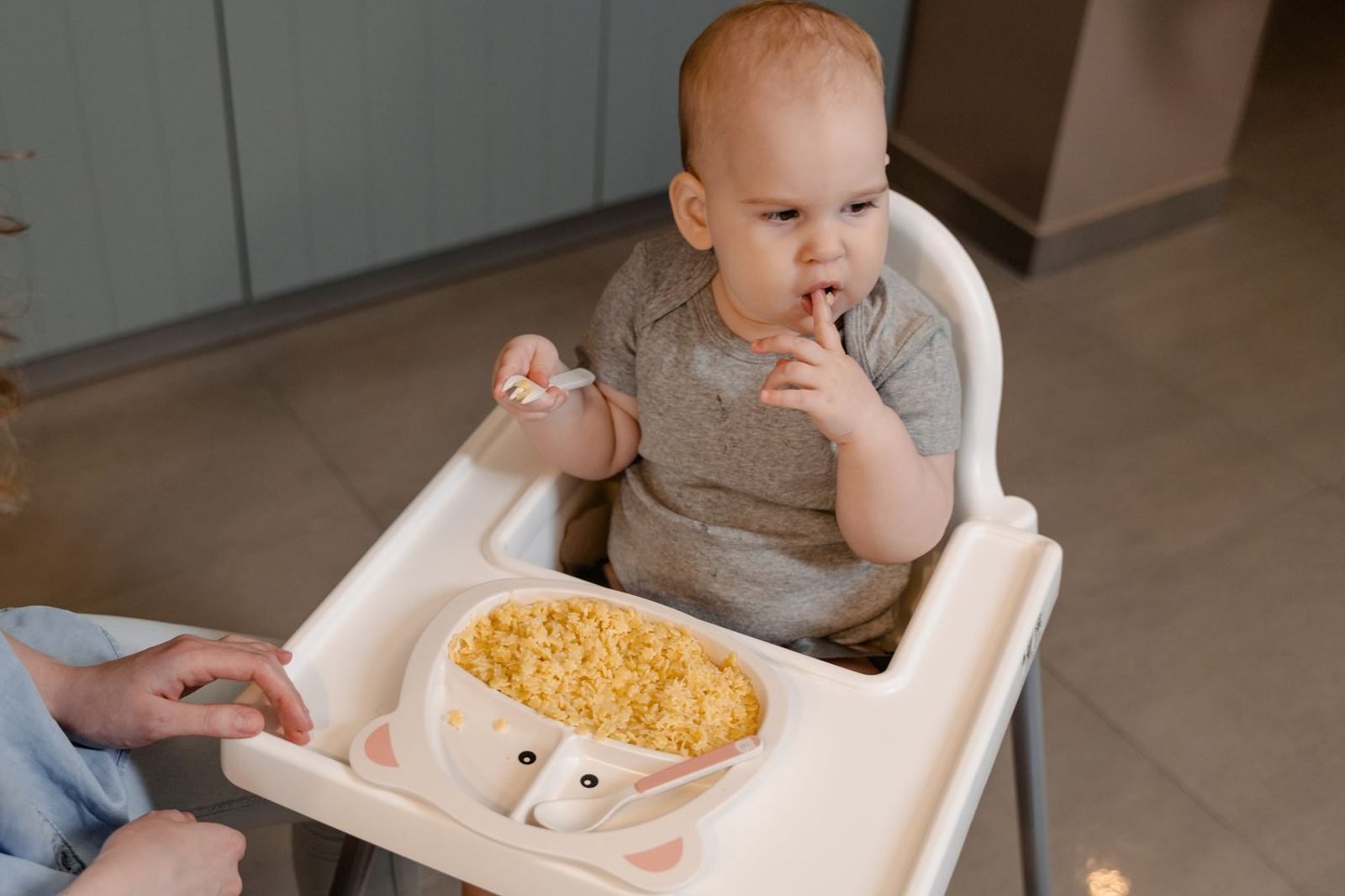
There’s no fixed amount, and appetite varies day to day just like it does in adults. As a rough pattern: 1-2 teaspoons once a day at 6 months, building to 2-3 tablespoons per meal, 2-3 times a day by 8-9 months, and roughly a quarter to half cup per meal, 3 times a day plus snacks by 12 months. Let your baby’s cues — leaning in versus turning away — guide portions rather than a fixed target. Our infant nutrition guide has more on how milk feeds and solids balance out across the day.
Frequently asked questions about baby food nutrition
Can I mix breast milk into homemade baby food?
Yes. Breast milk or formula is commonly used to thin purees and adds familiar flavor that helps some babies accept new foods. Prepare only what’s needed for one sitting, since milk mixed into food shouldn’t be stored and reused later.
Do store-bought pouches count as real solid food practice?
Yes, nutritionally, but offer it via spoon rather than letting your baby suck straight from the pouch, since that skips the chewing and spoon-feeding skills solids are meant to build. Pouches are fine occasionally but shouldn’t be the only texture a baby experiences.
Is it safe to freeze homemade baby food?
Yes. Most purees freeze well in ice cube trays or small silicone molds for up to 1-3 months. Thaw in the fridge or gently on the stovetop, and never refreeze a portion that’s already been thawed and offered to your baby.
When can babies have peanut butter or other allergens?
Current AAP guidance supports introducing allergens like peanut butter, egg, and dairy early, around 6 months, since early introduction is linked to lower allergy risk. Use thin, smooth peanut butter mixed into puree, never a spoonful alone, and check timing with your pediatrician if there’s a family history of allergies or eczema.
Why is my baby refusing solid foods?
It’s common — some babies need 10-15 exposures to a new food before accepting it. Keep offering a rejected food occasionally without pressure, and check with your pediatrician if refusal comes with poor weight gain or lasts several weeks despite variety.
Every baby’s feeding journey looks a little different, and what works for texture, pace, and food choices varies with growth, allergies, and development. If you’d like a feeding plan tailored to your baby’s needs, an online nutritionist consultation can help you build one with confidence.