Infant nutrition follows a fairly predictable timeline: exclusive breastfeeding or formula for about the first six months, then a gradual introduction of solid foods around six months, with textures and variety expanding month by month through the first birthday. The biggest safety rules are simple — no honey before 12 months, no cow’s milk as a main drink before 12 months, and constant vigilance around choking hazards. Everything else is pacing and patience.
This guide walks through a full 0-12 month feeding timeline, grounded in guidance from the World Health Organization (WHO), the American Academy of Pediatrics (AAP), and the CDC. It’s an educational overview, not a substitute for individualized advice — your pediatrician knows your baby’s growth curve, allergy risk, and medical history, and should be your first call for anything specific to your child. For a deeper look at how nutrient needs shift across this window, see infant nutritional requirements.
What should a baby eat from birth to 6 months?
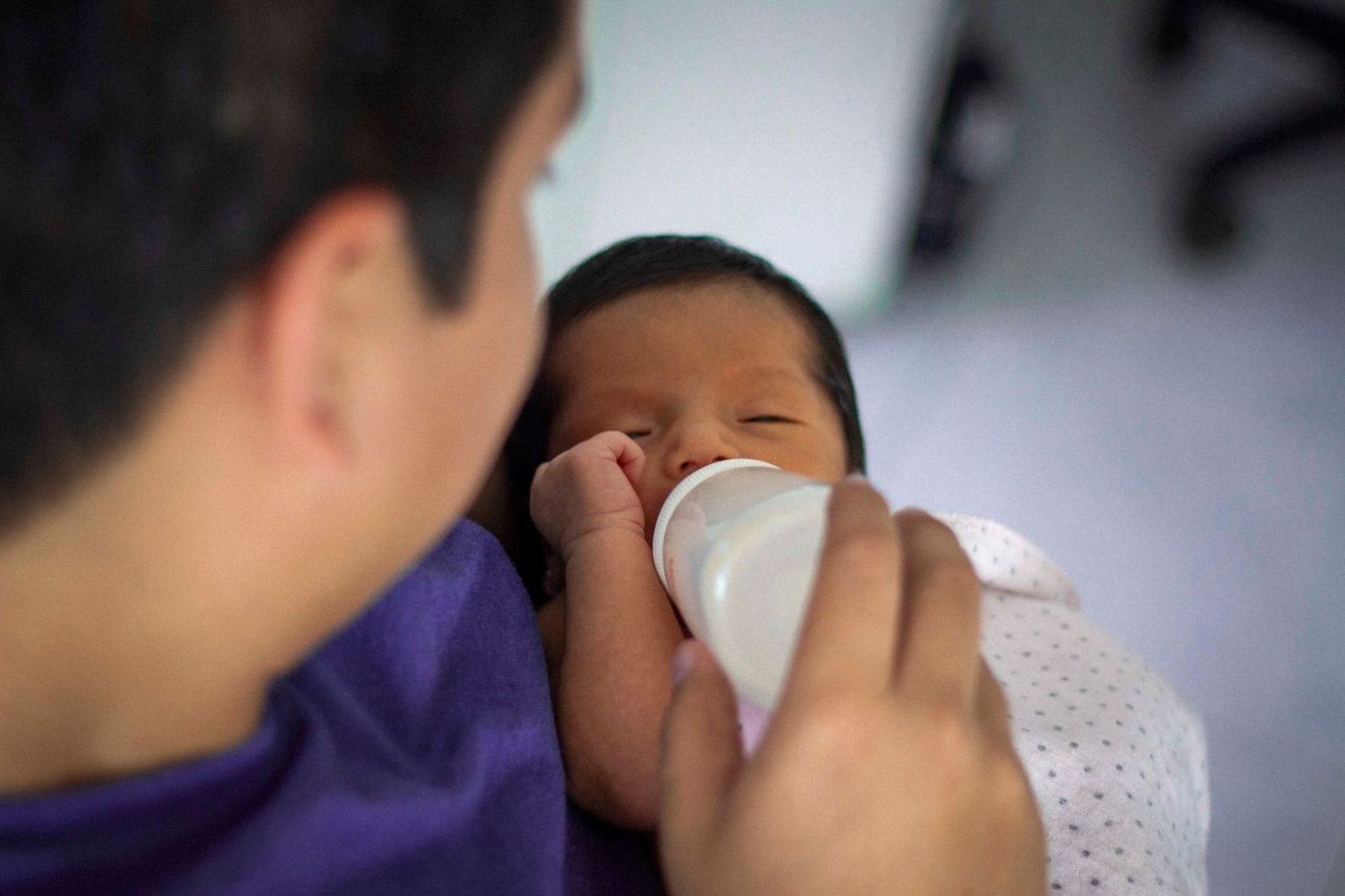
For the first six months, both the WHO and the AAP recommend exclusive breastfeeding or iron-fortified infant formula — no water, juice, cereal, or other foods, aside from medically recommended vitamin drops. Breast milk or formula supplies all the calories, fluid, and nutrients a healthy infant needs, and a baby’s digestive system genuinely isn’t ready for much else yet.
Formula-fed babies typically take in around 2 to 2.5 ounces per pound of body weight per day, spread across 6-8 feedings. Breastfed babies feed on cues rather than a strict schedule — often 8-12 times a day in the early weeks. If formula feeding, always follow the mixing instructions exactly; over-diluting to stretch a supply can lead to inadequate nutrition.
One nutrient worth flagging regardless of feeding method: the AAP recommends 400 IU of vitamin D daily for breastfed and partially breastfed infants starting in the first few days of life, since breast milk alone typically doesn’t provide enough. Ask your pediatrician whether a supplement fits your baby. For a broader comparison of what babies need nutrient by nutrient, baby nutrition covers the fundamentals in more depth.
How do you know when a baby is ready for solid foods?
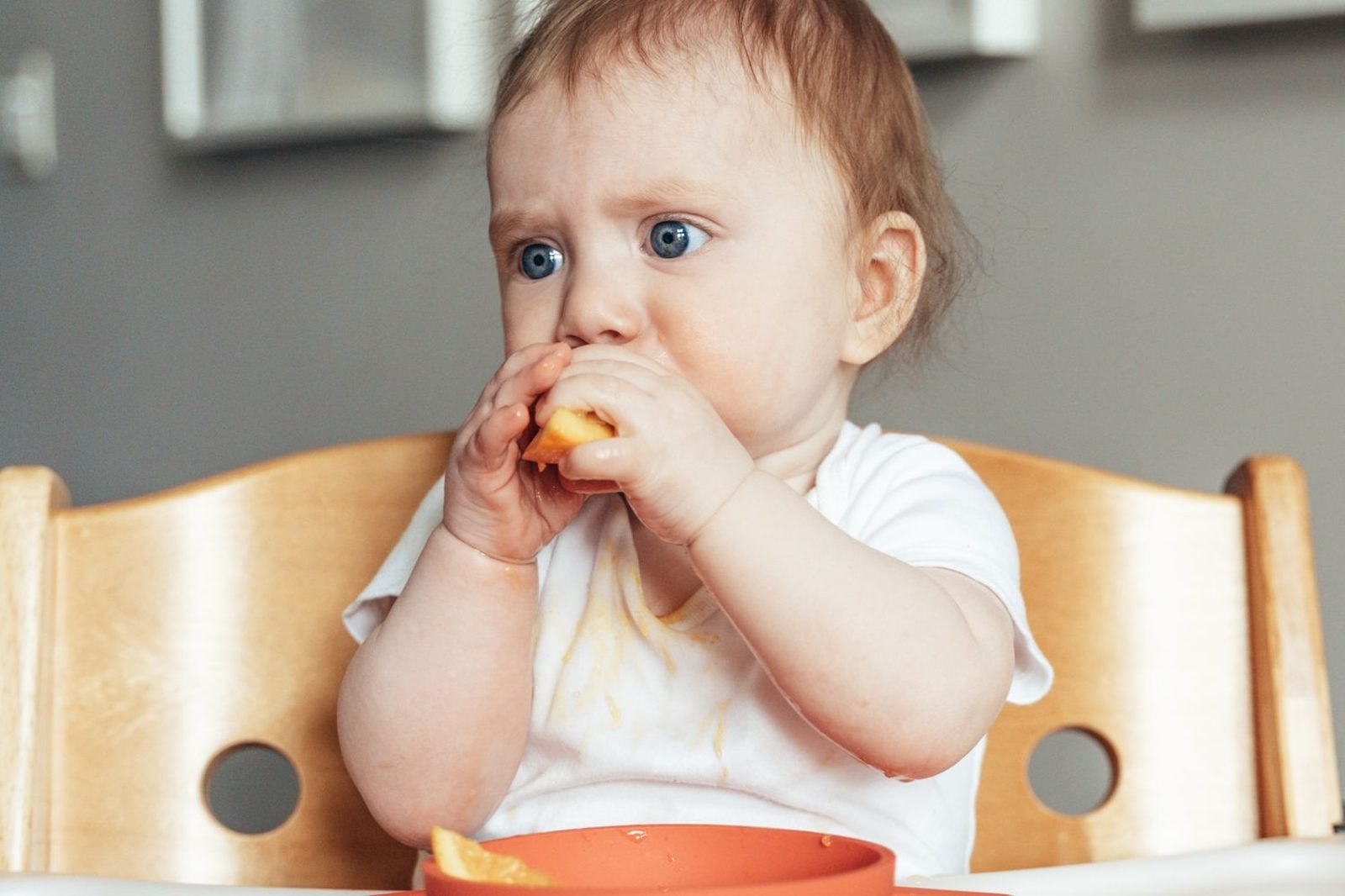
Readiness is about developmental signs, not just a date on the calendar, though the AAP and CDC both point to around 6 months as the general target — and advise against starting before 4 months. Look for a cluster of cues rather than just one:
- Sitting up with minimal support and holding their head steady
- Showing interest in food — watching you eat, reaching for your plate
- Losing the tongue-thrust reflex that normally pushes solids back out
- Being able to move food to the back of the mouth and swallow it, rather than just gumming and spitting it out
Starting solids too early, before digestion and motor skills are ready, has been linked to a higher choking risk with no real nutritional payoff. Starting much later than 6 months can make it harder to meet rising iron and zinc needs, since breast milk’s iron content alone becomes insufficient around this age. If you’re unsure whether your baby is showing true readiness signs, your pediatrician can assess this at a well-visit rather than guessing from milestones alone.
What are the best first foods for a 6-month-old?
Iron and zinc top the list of priorities for first foods, because a baby’s own iron stores — built up during pregnancy — start to run low around this age. The CDC highlights iron-rich options like pureed meats (turkey, chicken, beef) and iron-fortified infant cereals as strong first choices, since meat provides heme iron, which the body absorbs more easily than the non-heme iron in plant foods.
A reasonable first-foods rotation looks like this:
- Iron-fortified infant cereal mixed with breast milk or formula to a thin, smooth consistency
- Pureed meats or poultry for heme iron and zinc
- Pureed or mashed vegetables like sweet potato, squash, or avocado
- Mashed or pureed fruits such as banana, pear, or apple
- Plain, unsweetened yogurt (a good source of protein and calcium, distinct from cow’s milk as a drink)
There’s no strict order required — starting with vegetables before fruits doesn’t prevent a “sweet tooth,” despite the popular myth. What matters more is offering a single new food for a few days before adding another, so you can track any reaction. For a fuller breakdown of specific first-food options and prep methods, baby food nutrition goes deeper on that side of things.
When should common allergens like peanuts and eggs be introduced?
Earlier than many parents expect — delaying allergens is no longer the guidance. Current AAP-aligned advice is to introduce common allergenic foods (peanut, egg, tree nuts, sesame, wheat, soy, fish, shellfish) around the same time as other first foods, roughly 6 months, once a baby is tolerating a few non-allergenic solids. Delaying these foods doesn’t reduce allergy risk, and for peanut specifically, earlier introduction in higher-risk infants has been associated with a lower rate of peanut allergy.
In practice, this means smooth peanut butter thinned with water, well-cooked egg mixed into another food, or a small taste given at home so you can watch for a reaction over the next couple of hours. If your family has a history of food allergies or eczema, talk to your pediatrician before introducing allergens — they may recommend a specific approach.
How does food progress from 6 to 12 months?
Texture and variety should both expand steadily over these six months, moving from thin purees toward the family table by the first birthday.
6-7 months
Thin, smooth purees and iron-fortified cereal, offered once or twice a day alongside continued breast milk or formula, still the bulk of nutrition at this stage.
7-9 months
Thicker purees and mashed foods, plus soft finger foods for self-feeding — ripe banana pieces, well-cooked pasta, soft-cooked vegetable sticks. Meals move to 2-3 times a day.
9-12 months
Chopped, soft table foods resembling what the family eats, minced meats, soft fruits, and more finger-food independence. By 12 months, many babies eat three meals plus snacks, with milk feeds still offered but no longer the majority of calories.
Throughout this progression, breast milk or formula remains important — solids are complementary, not a replacement, through the whole first year. The AAP supports continued breastfeeding through age 2 or beyond if parent and baby wish to continue. For what changes once the first birthday hits, toddler nutrition picks up where this timeline leaves off.
What foods should be avoided in the first year, and why?
A handful of foods carry real, documented risks for infants and should be avoided until specific ages, according to CDC and AAP guidance:
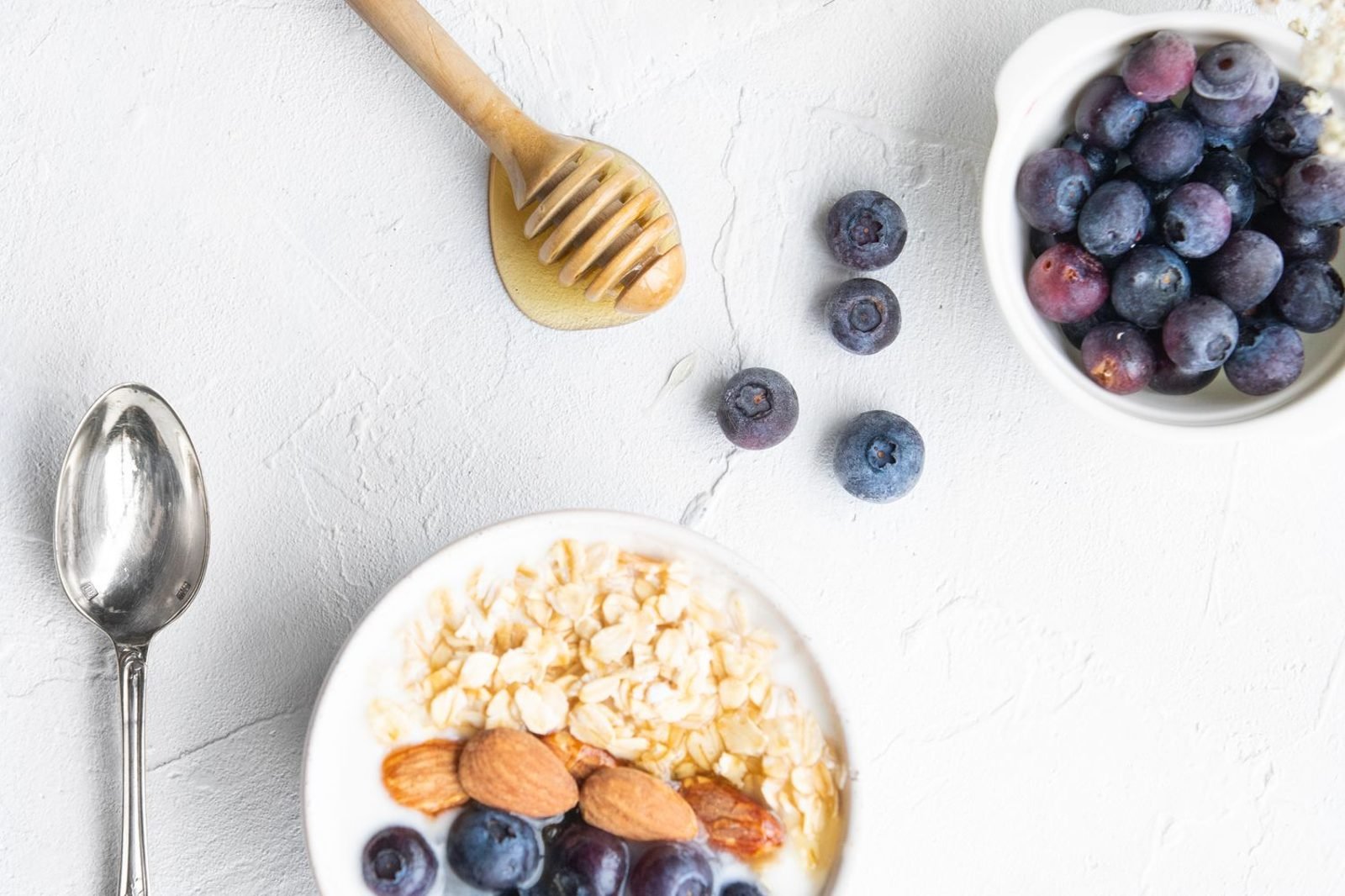
- Honey (before 12 months): Honey can contain Clostridium botulinum spores, which an infant’s immature gut can’t yet handle safely, risking infant botulism. This includes raw honey, baked honey, and honey used in home remedies like on a pacifier.
- Cow’s milk as a main drink (before 12 months): Cow’s milk lacks the right nutrient balance for infants, is linked to intestinal blood loss in young babies, and has more protein and minerals than an infant’s kidneys can easily process. Small amounts mixed into cooked foods differ from serving it as a beverage.
- Choking hazards: Whole grapes, whole nuts, popcorn, hard raw vegetables, chunks of meat or cheese, hot dogs, and hard candy are common culprits. Cut round foods into small, non-round pieces and avoid anything hard, sticky, or coin-shaped.
- Added sugars: The CDC and AAP both advise no added sugars before age 2 — including sweetened yogurts, flavored cereals, and baked goods. There’s no nutritional need for it, and early exposure can shape sugar preference later.
- High-sodium foods: Processed meats, canned foods with added salt, and packaged toddler snacks can carry more sodium than an infant’s kidneys should handle regularly.
- Unpasteurized foods and juice: Unpasteurized milk, juice, and soft cheeses carry a risk of harmful bacteria. Juice of any kind isn’t recommended before 12 months.
- High-mercury fish: Species like swordfish, shark, king mackerel, and tilefish should be avoided; lower-mercury fish can still be a healthy choice.
None of this needs to make mealtimes stressful — it’s a short, memorable list once you’ve seen it a few times. When in doubt about a specific food, ask your pediatrician or a registered dietitian rather than guessing.
What does a sample day of feeding look like around 9-10 months?
By this stage, many babies have settled into a rhythm of three small meals plus milk feeds: iron-fortified cereal with mashed fruit at breakfast, soft-cooked vegetables and shredded chicken at lunch, yogurt as an afternoon snack, and mashed lentils with rice at dinner, alongside 4-5 breast milk or formula feeds. Portions are small — a few tablespoons per food is normal — and appetite varies day to day, which is typical. For more on nutrient targets across this stage, nutritional needs and child nutrition offer useful context as feeding patterns mature beyond infancy.
Frequently Asked Questions
Can I start solids before 4 months if my baby seems hungry?
No — the AAP advises against introducing solids before 4 months, recommending around 6 months for most babies. Increased hunger is usually better addressed with more frequent milk feeds. If you’re concerned your baby isn’t satisfied between feeds, discuss it with your pediatrician rather than starting solids early.
Is it okay to give my baby water before 6 months?
Generally no. Exclusively breastfed or formula-fed babies under 6 months don’t need extra water, and too much can dilute their sodium levels or fill them up in place of milk feeds. Once solids begin, small sips of water with meals are appropriate. Ask your pediatrician about any exceptions.
What if my baby refuses a new food?
Completely normal. It can take 8-10 or more exposures before a baby accepts a new taste or texture. Keep offering the food in small amounts without pressure, and try pairing it with something familiar. Refusal at 7 months doesn’t predict refusal at 9 months.
Can babies have salt or added sugar in small amounts?
The CDC and AAP recommend avoiding added sugars entirely before age 2 and limiting sodium in the first year. Babies don’t need seasoning for food to be appealing — their taste preferences are still forming, and unseasoned foods now support healthier preferences later.
When can my baby switch from formula or breast milk to cow’s milk?
Not before 12 months. Whole cow’s milk can become an appropriate primary drink after the first birthday, per AAP guidance, once a baby’s gut and kidneys are more mature and their diet includes a wider variety of solids. Your pediatrician can advise on the right timing for your baby.
The bottom line
The first-year feeding timeline isn’t complicated once you see the shape of it: milk-only for about six months, then a slow, textured climb toward table food, guided by iron-rich first foods, early allergen introduction, and a short list of items to avoid until the first birthday. Every baby moves through this timeline at a slightly different pace, and that’s expected — readiness cues matter more than exact weeks. If you have questions about your baby’s growth, allergy risk, or feeding challenges, your pediatrician remains the best resource. For parents who want ongoing, personalized support around family nutrition as feeding habits evolve, an online nutritionist consultation can help translate these guidelines into a plan that fits your household.