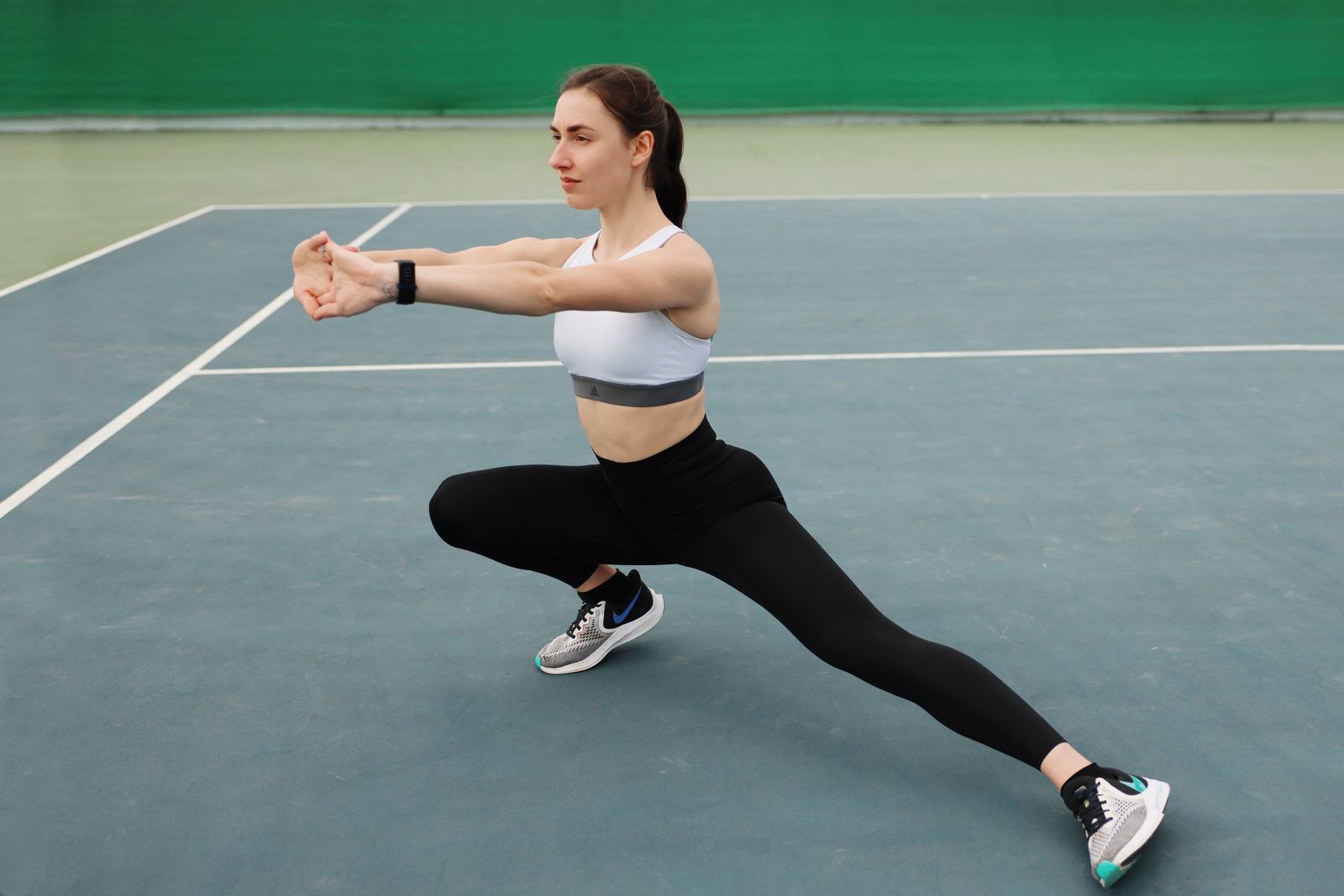
A proper Zumba warm-up gradually raises your heart rate and warms your muscles through simple, low-complexity movement, while the cool-down brings your heart rate back down through static stretching targeting the specific muscle groups worked during class. Skipping either step raises injury risk and increases post-workout soreness. Neglecting the cool-down specifically can also cause blood pooling in your extremities, leading to dizziness that a proper gradual wind-down helps prevent entirely.
Here’s what each phase should actually include, and why treating them as optional undermines both safety and results.
What a Proper Warm-Up Should Include
A warm-up should be free of complicated choreography, simple marching in place, gentle side steps, and basic arm circles are enough to start waking your body up and getting blood flowing toward your working muscles. This gradual approach prevents injuries by allowing muscles, tendons, and joints to adjust to increasing demand rather than jumping straight into full-intensity movement while everything is still cold and unprepared. A good warm-up also meaningfully enhances your actual performance and enjoyment once the main workout begins, since your body arrives already primed rather than playing catch-up.
What a Proper Cool-Down Should Include
The cool-down phase should let your heart rate come down naturally through gradually decreasing intensity, followed by static stretches targeting the specific muscle groups most engaged during class, typically the legs, hips, and core given Zumba’s choreography. These stretches specifically aim to improve flexibility and reduce the muscle tightness that tends to develop after sustained, repetitive movement.
Why Skipping the Cool-Down Specifically Causes Problems
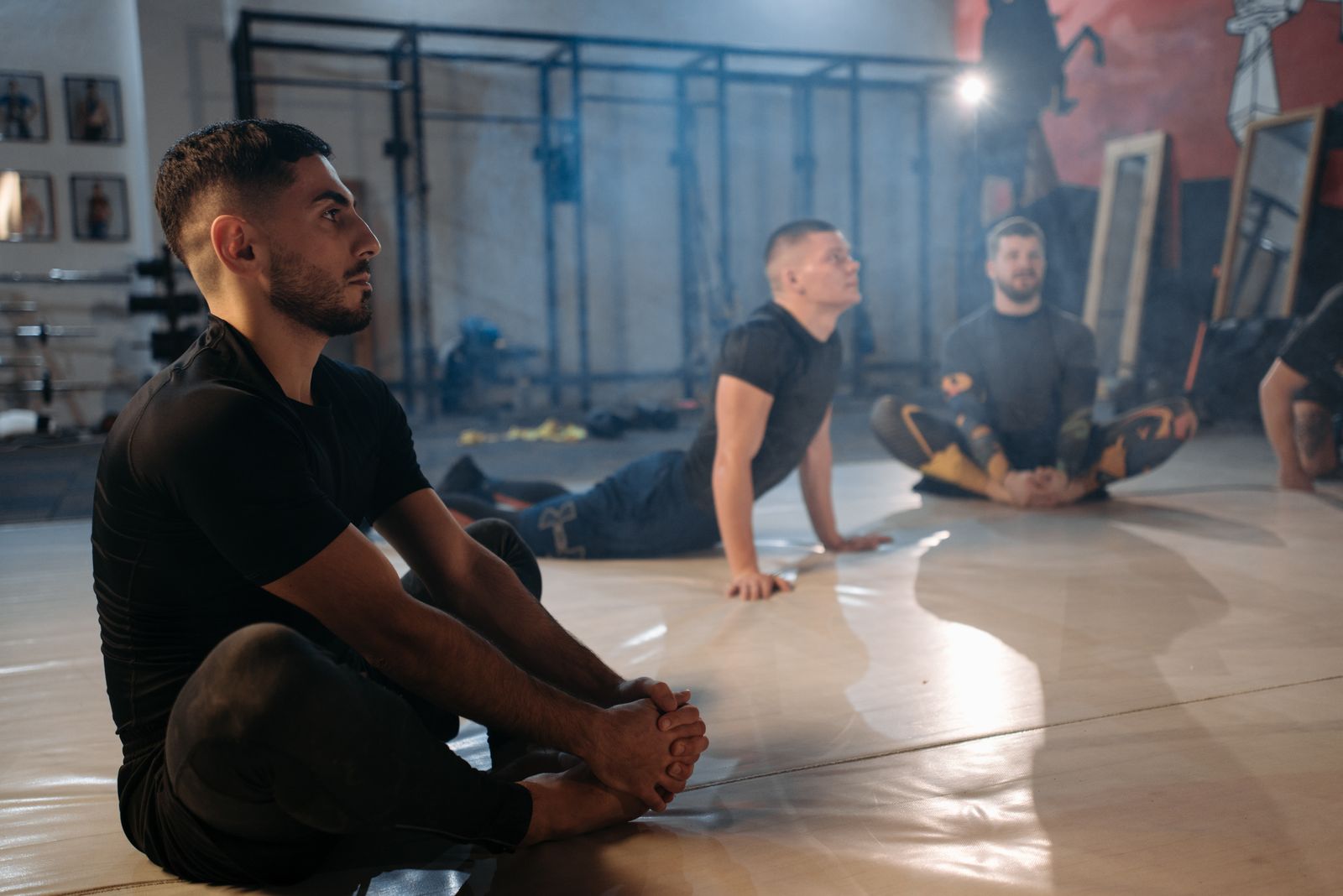
Neglecting the cool-down phase can lead to blood pooling in your extremities, since intense exercise redirects blood flow toward your working muscles, and stopping abruptly without a gradual wind-down doesn’t give your circulatory system time to redistribute that blood flow back to normal. This can cause dizziness and contributes to increased muscle soreness that ultimately hinders your recovery and slows overall fitness progress compared to consistently including this step.
How This Applies at Home, Not Just in Studio Classes
Whether you’re attending a studio class or following Zumba at home, both phases matter equally. It’s easy to skip the warm-up and cool-down specifically when practicing alone with no instructor guiding the full session structure, but the physiological reasons behind both steps apply regardless of setting, and skipping them at home carries the same increased injury and soreness risk as skipping them in a studio.
How Long Each Phase Should Last
A warm-up of roughly 5 to 10 minutes is generally sufficient to prepare your body for a standard class, while a cool-down of similar length, 5 to 10 minutes of gradually decreasing movement followed by static stretching, adequately brings your system back toward its resting state. Even in a shorter session, like our guide to the 30-minute Zumba workout covers, compressing these to 3 to 5 minutes each while still including them matters more than skipping them entirely to save time.
Common Mistakes With Warm-Up and Cool-Down
Rushing straight into high-intensity choreography without any warm-up at all is one of the most common mistakes beginners make, often out of impatience or unfamiliarity with why this step matters. On the other end, some people finish an intense class and stop moving entirely without any wind-down, missing the gradual heart rate reduction that prevents the dizziness and pooling effect described above. Our guide to common Zumba mistakes covers additional errors worth avoiding beyond warm-up and cool-down specifically.
Zumba Warm-Up and Cool-Down Quick Guide
- Warm-up length: 5-10 minutes of light movement and dynamic stretching
- Warm-up purpose: Raise heart rate gradually, reduce injury risk
- Cool-down length: 5-10 minutes of slower movement and static stretching
- Cool-down purpose: Lower heart rate gradually, aid recovery
Frequently Asked Questions About Zumba Warm-Up and Cool-Down
Is it okay to skip the warm-up if I’m short on time?
It’s not recommended. Even a brief 3 to 5 minute warm-up meaningfully reduces injury risk compared to jumping straight into full-intensity movement while your muscles and joints are still cold.
What happens if I skip the cool-down after Zumba?
Skipping the cool-down can cause blood pooling in your extremities, leading to dizziness, and tends to increase post-workout muscle soreness compared to sessions that include proper stretching and gradual wind-down.
How long should a Zumba warm-up be?
Roughly 5 to 10 minutes for a standard class, though this can be compressed to 3 to 5 minutes in shorter sessions as long as it’s still included rather than skipped entirely.
Do I need to warm up and cool down for at-home Zumba too?
Yes, the same physiological reasoning applies regardless of whether you’re in a studio or practicing at home, since your muscles and cardiovascular system respond the same way to gradual preparation and gradual wind-down in either setting.
What stretches should I do during a Zumba cool-down?
Static stretches targeting your legs, hips, and core, the muscle groups most engaged during typical choreography, work well to improve flexibility and reduce post-class tightness.
Ready to Build Both Steps Into Your Practice?
A complete session includes far more than just the main workout itself. Explore FitStrot’s Online Zumba Classes and experience a properly structured session from start to finish.
Want to avoid other common pitfalls? Check out our guide to common Zumba mistakes, explore Zumba for beginners, or head to Online Zumba Classes to get started.