The most common Zumba mistakes include trying to perfect choreography instead of just moving, ignoring core engagement, locking your knees during side steps and marches, holding your breath instead of breathing steadily, skipping the warm-up, wearing the wrong shoes, and not staying properly hydrated. Each of these is genuinely easy to fix once you know to watch for it, and correcting them improves both your safety and how much you actually get out of a class.
Here’s each mistake broken down individually, why it happens, and exactly how to correct it.
Trying to Be “Perfect” With Choreography
The biggest mistake many beginners make is trying to nail every choreographed detail exactly as the instructor demonstrates, treating class like a performance rehearsal rather than a workout. Zumba is fundamentally about movement and enjoyment, not precise stage-ready execution, and this perfectionist mindset often creates more stress than the class itself, undermining the entire point of the format. Fixing this simply means giving yourself permission to move imperfectly and focus on effort and rhythm over precision.
Starting With Complex Choreography Too Soon
Jumping into advanced classes or complicated combinations before mastering basic steps sets beginners up for frustration and sloppy form, since your body hasn’t built the foundational movement patterns needed to execute more complex sequences safely. Our guide to basic Zumba steps covers the foundational movements worth mastering first before attempting more advanced choreography.
Ignoring Your Core
Engaging your core is essential for maintaining proper posture, balance, and stability throughout Zumba’s varied movement patterns, yet many beginners let their core go completely passive, focusing all their attention on their arms and legs instead. The fix is straightforward: consciously tighten your abdominal muscles and draw your belly button toward your spine during class, which improves both your form and the core-toning benefit you’re getting from the workout. Our guide to does Zumba tone your body covers how much this core engagement actually contributes to visible results.
Locking Your Knees
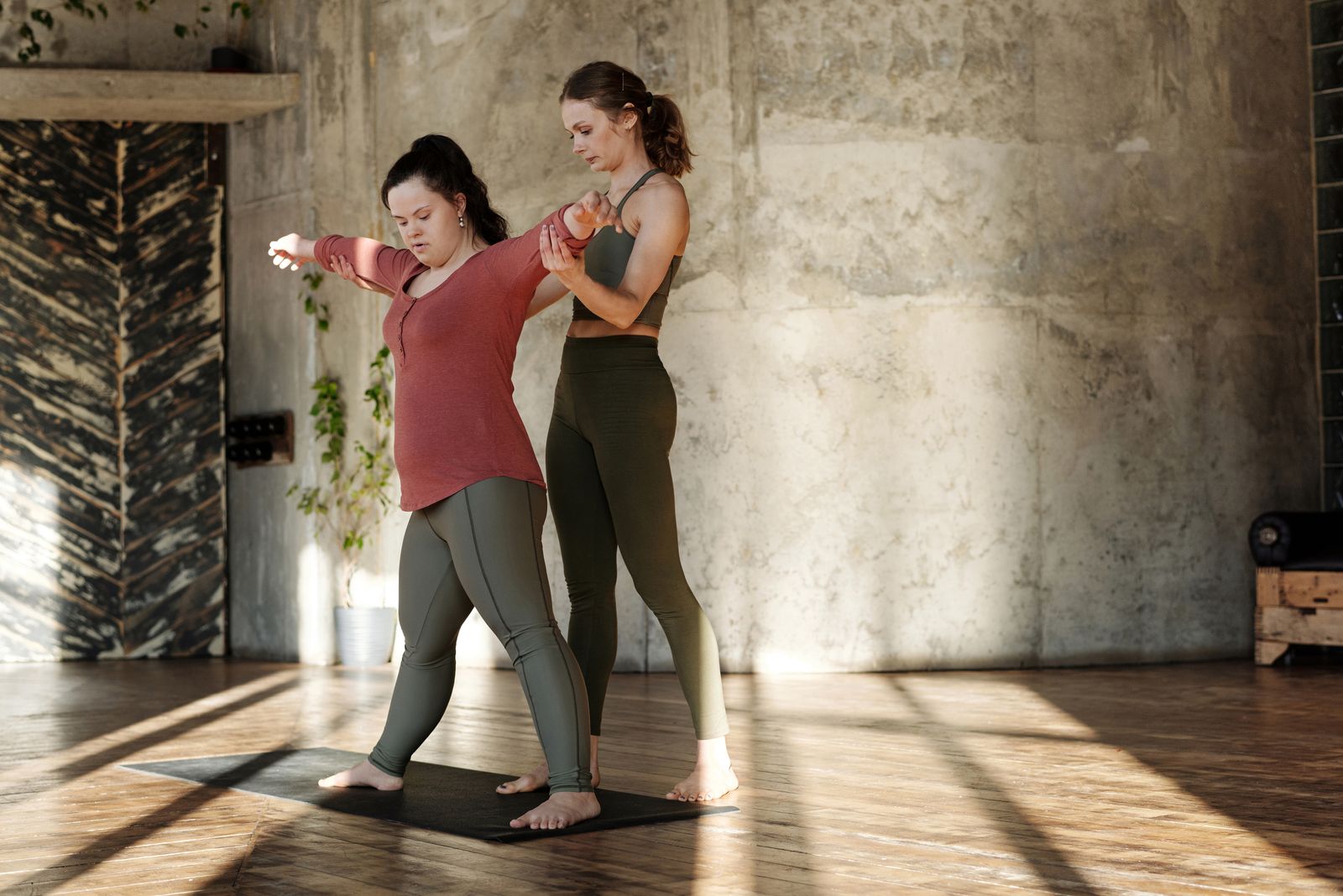
Locking your knees during side steps or marching movements puts unnecessary strain directly on the joint and reduces your ability to absorb impact properly. Keeping a slight, consistent bend in your knees throughout most movements protects the joint and actually makes transitions between steps smoother and more controlled.
Holding Your Breath
Holding your breath during exertion, a common unconscious habit, particularly during more demanding movements, reduces oxygen flow to your muscles and can leave you feeling more fatigued than the movement itself warrants. Breathing steadily throughout class, rather than holding tension, keeps your energy more consistent across a full session.
Not Warming Up Beforehand
Skipping the warm-up is one of the most common mistakes across fitness generally, not just Zumba specifically, and it meaningfully raises injury risk by asking cold muscles and joints to perform demanding movement without preparation. Our guide to Zumba warm-up and cool-down covers exactly what a proper warm-up should include and why it matters as much as the workout itself.
Wearing the Wrong Shoes
Standard running shoes, built for forward motion rather than pivoting, are a frequent and avoidable mistake that increases injury risk during Zumba’s quick direction changes. Our guide to what to wear for Zumba covers exactly what type of shoe actually works well for this specific kind of movement demand.
Neglecting Hydration
Failing to hydrate properly before, during, and after class leads to fatigue, muscle cramps, and noticeably decreased performance, particularly as a session progresses and sweat loss accumulates. Bringing water to every session and drinking consistently throughout, not just at the end, avoids this entirely preventable performance drop.
Using Too Much Speed Before Learning the Beat
Rushing to match the full speed and energy of more experienced dancers before you’ve internalized the underlying beat and rhythm is a common pacing mistake. Slowing down mentally, focusing on feeling the music first, and letting speed increase naturally as coordination improves produces better long-term results than forcing full speed from day one.
Common Zumba Mistakes at a Glance
| Mistake | Fix |
|---|---|
| Wearing running shoes | Switch to cross-trainers or dance sneakers |
| Chasing perfect choreography | Focus on the beat and general movement first |
| Skipping warm-up/cool-down | Always include both, even in short sessions |
| Overdoing intensity too soon | Build up frequency gradually over weeks |
Frequently Asked Questions About Common Zumba Mistakes
What is the single biggest mistake beginners make in Zumba?
Trying to perfect every choreographed detail rather than simply moving and enjoying the workout is widely considered the most common and limiting mistake among first-timers.
Why do my knees hurt after Zumba, and is this a form mistake?
Locking your knees during side steps and marches, rather than keeping a slight bend, is a common form mistake that puts unnecessary joint strain and can contribute to discomfort during and after class.
Does skipping the warm-up really matter that much?
Yes, skipping the warm-up is one of the most common workout mistakes overall, and it meaningfully raises injury risk by demanding intense movement from muscles and joints that haven’t been properly prepared.
How do I know if I’m engaging my core properly during Zumba?
A useful cue is consciously drawing your belly button toward your spine and keeping your abdominal muscles lightly tightened throughout movement, rather than letting your core stay completely passive.
Should I slow down if I can’t keep up with the class pace?
Yes. Focusing on feeling the beat and moving at a sustainable pace, rather than forcing full speed before you’re ready, produces better long-term coordination and reduces injury risk from rushed, sloppy movement.
Ready to Practice With Better Form?
Fixing these common mistakes early makes every future class more effective and enjoyable. Explore FitStrot’s Online Zumba Classes and put these corrections into practice today.
Want more foundational guidance? Check out our guide to Zumba for beginners, explore Zumba warm-up and cool-down, or head to Online Zumba Classes to get started.