Doing Zumba at home effectively means structuring a complete session, not just following random clips, a proper warm-up of 5 to 10 minutes, a main workout built around a few core rhythms, and a cooldown with stretching to finish. You don’t need special equipment beyond comfortable athletic shoes and enough clear floor space to move freely in each direction, and following a structured video program generally produces better results than trying to freestyle choreography from scratch.
Here’s how to structure a complete at-home session, get the most out of your practice, and keep progressing over time.
Setting Up Before You Start
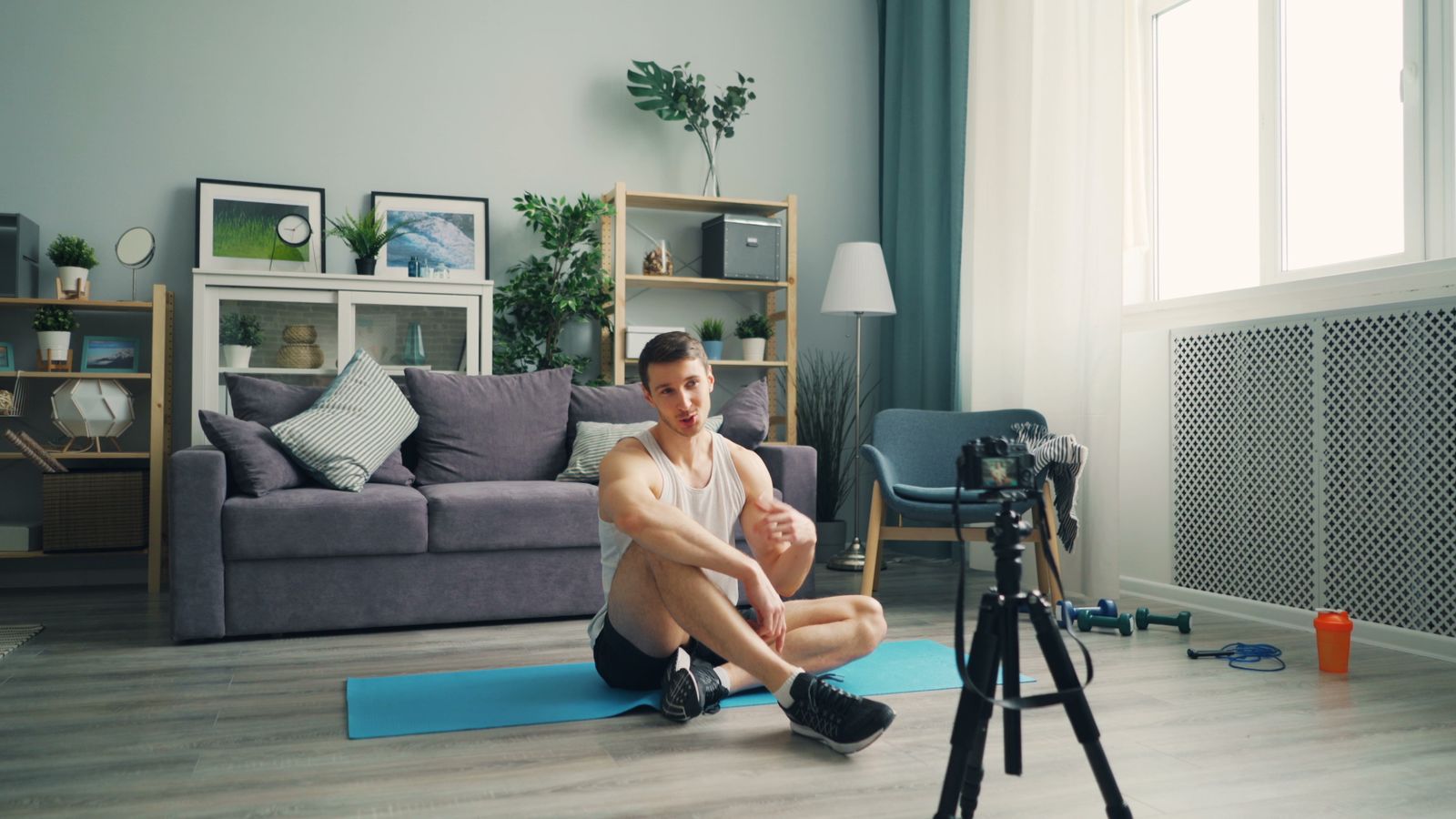
Clear enough floor space to step and swing your arms in every direction without hitting furniture, and choose a non-slip surface where possible, since Zumba’s quick direction changes can be genuinely risky on an overly slick floor. Comfortable athletic shoes designed for lateral movement protect your joints even in the controlled environment of your home. A phone, tablet, or laptop propped at a visible angle gives you a clear view of whatever video program you’re following.
Starting With a Proper Warm-Up
Spend 5 to 10 minutes on dynamic stretches and light cardio, marching in place, gentle side steps, arm circles, before jumping into more demanding choreography. This increases blood flow to your muscles and prepares your joints for the quicker, more forceful movements coming in the main workout, meaningfully reducing your injury risk compared to starting cold.
Structuring the Main Workout
Choose a video program or song sequence that matches your current skill level rather than jumping straight into advanced choreography. If you’re still building comfort with basic steps, our guide to basic Zumba steps covers the foundational movements worth mastering individually before attempting to follow a full combined routine. Once steps feel familiar, following a complete beginner or intermediate video, rather than continuing to isolate single moves, builds the coordination needed to string movements together the way a full class actually flows.
Following Along Effectively
Watch the instructor’s feet first on any unfamiliar sequence, since footwork generally establishes the core pattern that arm movements and other details layer on top of afterward. Don’t hesitate to pause, rewind, or repeat a section as many times as needed, a genuine advantage home practice has over a live class where the instructor keeps moving regardless of individual pace.
Closing With a Proper Cooldown
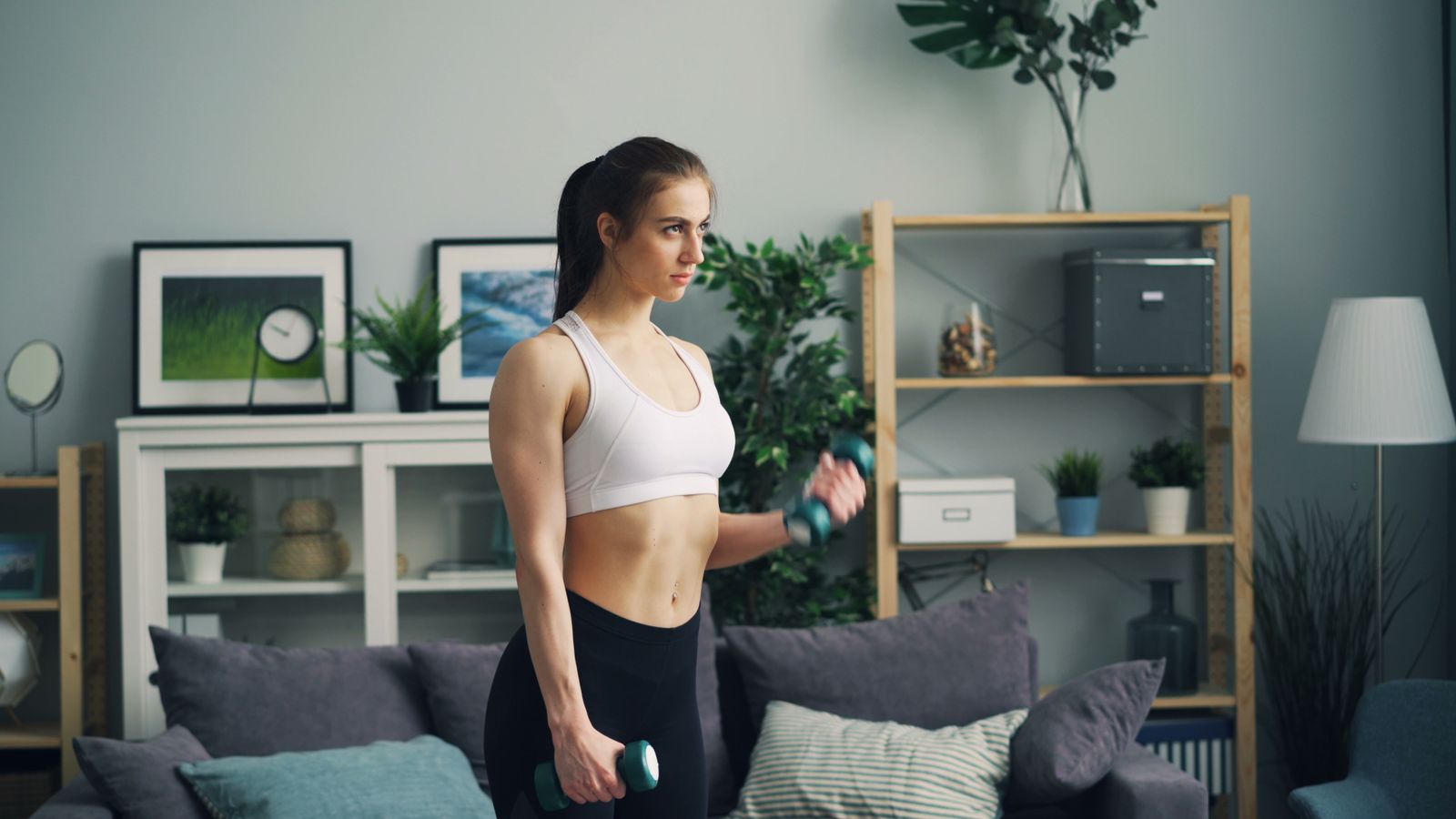
Spend the final 3 to 5 minutes of your session on stretching and gradually decreasing intensity, bringing your heart rate back toward its resting level before stopping entirely. Skipping this step, even at home where no one is watching, tends to increase next-day stiffness and soreness compared to sessions that include a proper cooldown.
How Long Should an At-Home Session Be?
Sessions of 20 to 30 minutes work well for consistent daily or near-daily practice, while longer 45 to 60 minute sessions better replicate a full studio class experience for those with more time available. Our guide to 30-minute Zumba workout covers how to structure a shorter, time-efficient session that still delivers genuine benefit.
Building Consistency With At-Home Practice
The flexibility of home practice, no commute, no fixed class schedule, removes several common barriers to consistency, but it also removes the external accountability a studio class or group setting provides. Setting a fixed time for your session and treating it as a non-negotiable appointment helps replicate that same accountability on your own.
How to Do Zumba at Home: Quick Checklist
- Clear a space: Roughly 6×6 ft, away from furniture
- Pick a video source: YouTube, official Zumba app, or streaming platform
- Wear supportive shoes: Cross-trainers, not bare feet or running shoes
- Start with beginner-labeled videos: Before progressing to advanced routines
Frequently Asked Questions About Doing Zumba at Home
Do I need any special equipment to do Zumba at home?
No. A clear floor space and comfortable athletic shoes designed for lateral movement are the main requirements, no weights, bands, or machines are needed for a standard at-home session.
How long should a complete at-home Zumba session be?
Full sessions typically run 30 to 60 minutes including warm-up and cooldown, though shorter 20 to 30 minute sessions still deliver genuine benefit and work well for consistent daily practice.
Should I follow a video or freestyle my own Zumba routine at home?
Following a structured video program generally produces better results than freestyling, since it ensures proper progression, pacing, and a genuine warm-up and cooldown rather than random, unstructured movement.
Is Zumba at home as effective as a studio class?
Yes, when structured properly with a real warm-up, focused main workout, and cooldown. The physical benefit comes from the movement and intensity itself, which translates well to a home setting.
What’s the biggest mistake people make doing Zumba at home?
Skipping the warm-up and cooldown, or jumping straight into advanced choreography before building comfort with basic steps, are the two most common mistakes that reduce both safety and effectiveness at home.
Ready to Build Your At-Home Routine?
Everything you need for a genuine workout is already available to you. Explore FitStrot’s Online Zumba Classes and start building your routine today.
Want more foundational guidance? Check out our guide to Zumba at home for beginners, explore basic Zumba steps, or head to Online Zumba Classes to get started.