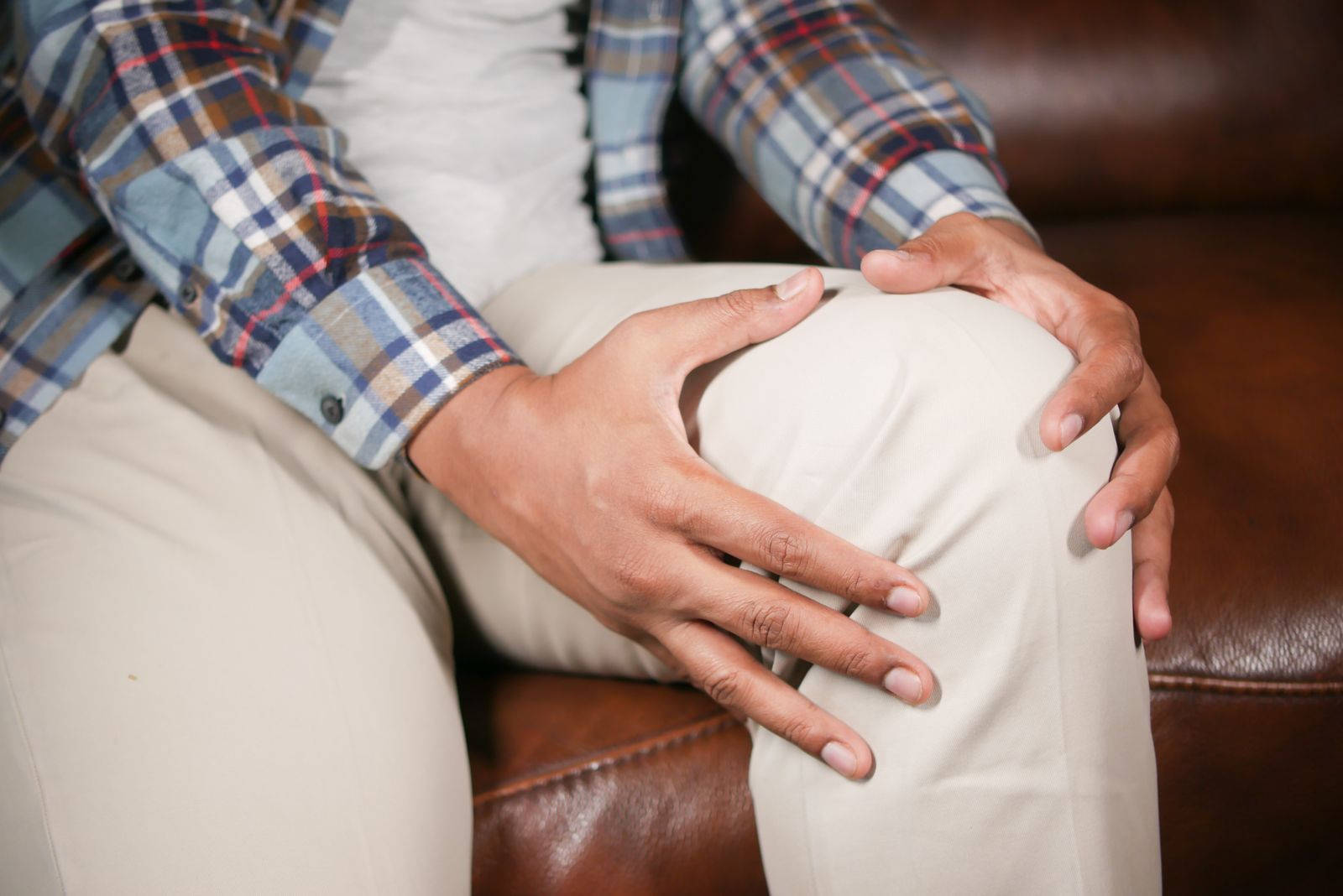
The most common Zumba side effect is knee pain, caused primarily by a movement issue called torquing, when your knees face a different direction than your toes are pointing during quick pivots and direction changes. A survey of Zumba-related injuries found the knee was the most frequently affected site, accounting for 42% of reported injuries. Beyond knee issues, common side effects include muscle strains, ankle sprains, shin splints, dehydration-related fatigue or dizziness, and foot pain from inappropriate footwear.
Here’s what the actual injury research found, why knee pain specifically happens so often, and concrete steps to reduce your risk.
What the Research Actually Found
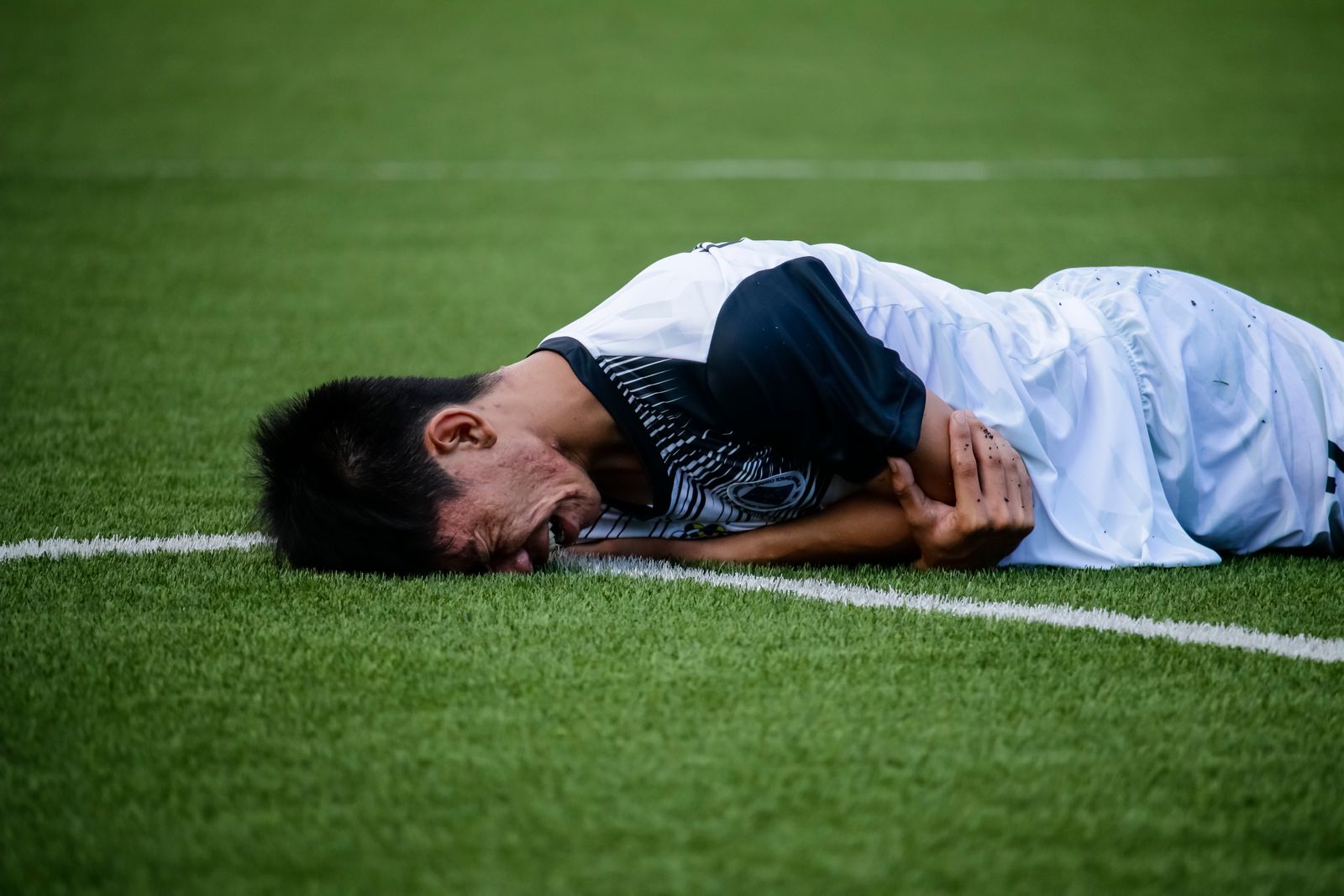
A published survey of musculoskeletal injuries associated with Zumba found the knee to be the most commonly affected site, representing 42% of reported injuries, a notably high concentration in a single joint. Beyond knee problems, the same body of research and clinical guidance points to a broader range of possible injuries, including ankle sprains, shin splints, heel spurs, plantar fasciitis, hip bursitis, and general muscle strains, most tied to the repetitive, high-impact, quick-direction-change nature of standard choreography.
Why Knee Pain Happens So Often in Zumba Specifically
The technical mechanism behind most Zumba-related knee pain is called torquing, which occurs when your knee is pointed in a different direction than your foot during a pivot or turn. This mismatch places rotational stress directly on the knee joint and surrounding ligaments, stress the knee isn’t well-designed to absorb repeatedly. Zumba’s frequent quick turns and directional changes create exactly the conditions where torquing is likely to happen if footwork technique isn’t precise, which explains why this single joint shows up so disproportionately in injury data compared to other body parts.
Other Common Side Effects Beyond Knee Pain
Dehydration from intense, sustained sweating can cause fatigue, dizziness, and reduced performance if fluid intake doesn’t keep pace with what a class demands. Our guide to hydration for Zumba covers exactly how much you actually need before, during, and after a session to avoid this. Foot pain and blisters commonly result from wearing inappropriate footwear, running shoes with heavy tread designed for forward motion rather than the lateral movement and quick pivots Zumba demands. Muscle strains and tendonitis can develop from repeating high-intensity classes without adequate rest, our guide to recovery and rest days for Zumba covers how much recovery time actually helps prevent this.
How to Reduce Your Risk of Zumba-Related Injuries
Wear appropriate footwear specifically designed for lateral movement and quick stops, shoes built for basketball or dance-specific cross-training generally handle Zumba’s directional demands better than standard running shoes, which can put extra pressure on the tendons stabilizing your knee.
Focus on keeping your knee aligned with your toes during pivots and turns, rather than letting your upper body or hips lead while your feet lag behind. This single technique adjustment directly addresses the torquing mechanism responsible for most reported knee injuries.
Train on appropriate flooring where possible. Hardwood or a purpose-built dance surface reduces joint impact compared to concrete or excessively grippy surfaces that can catch your foot mid-pivot and transfer that rotational stress straight into your knee.
Build up intensity gradually if you’re new or returning after a break, rather than jumping straight into a high-impact class. Our guide to Zumba for beginners covers how to ease in safely during your first several sessions.
Stay properly hydrated throughout class, not just at the end, to reduce fatigue-related form breakdown that increases injury risk as a session progresses.
Who Should Be Extra Cautious
People with pre-existing knee, hip, or ankle conditions should discuss Zumba with a doctor or physiotherapist before starting, and may benefit from a lower-impact format like Zumba Gold, which reduces jumping and high-impact movement while retaining the core cardiovascular and coordination benefits. Beginners in general should prioritize learning correct footwork technique early, since habits formed in your first few classes tend to stick, for better or worse, as choreography gets more complex.
Zumba Side Effects: Quick Facts
| Side Effect | Cause | Prevention |
|---|---|---|
| Muscle soreness | New movement patterns, first 1-2 weeks | Gradual intensity increase |
| Joint strain | High-impact steps, poor footwear | Supportive shoes, lower-impact modifications |
| Dehydration | Sustained sweating during class | Hydrate before, during, and after |
| Overexertion | Pushing too hard too soon | Listen to your body, rest as needed |
Frequently Asked Questions About Zumba Side Effects
Is knee pain after Zumba serious?
It depends on severity and how it develops. Mild soreness that resolves within a day or two is common and generally not concerning, but persistent, sharp, or worsening knee pain warrants medical evaluation, since it may indicate the kind of torquing-related strain that can worsen with continued high-impact activity if left unaddressed.
What is torquing and why does it cause knee pain in Zumba?
Torquing happens when your knee faces a different direction than your foot during a pivot or turn, placing rotational stress directly on the knee joint. Zumba’s frequent quick direction changes create repeated opportunities for this to happen if footwork technique isn’t precise.
What shoes should I wear to prevent Zumba injuries?
Shoes designed for lateral movement and quick stops, similar to basketball or dance-specific cross-training shoes, generally reduce injury risk better than standard running shoes, which have tread patterns built for forward motion rather than pivoting.
How common are injuries in Zumba compared to other group fitness classes?
Zumba’s injury profile is comparable to other moderate-to-high-impact group fitness formats, with knee injuries specifically standing out due to the format’s frequent pivots and direction changes, a pattern documented in published injury surveys.
Is Zumba safe for people with existing knee problems?
It can be, with appropriate modifications and medical guidance. Lower-impact formats like Zumba Gold reduce jumping and high-impact movement while keeping the cardiovascular and coordination benefits, making it a reasonable option for people managing existing joint concerns.
Ready to Practice Zumba Safely?
Understanding the real risks is the first step toward avoiding them entirely. Explore FitStrot’s Online Zumba Classes and start with proper technique from your very first session.
New to Zumba? Check out our guide to Zumba for beginners, explore Zumba’s health benefits, or head to Online Zumba Classes to get started.