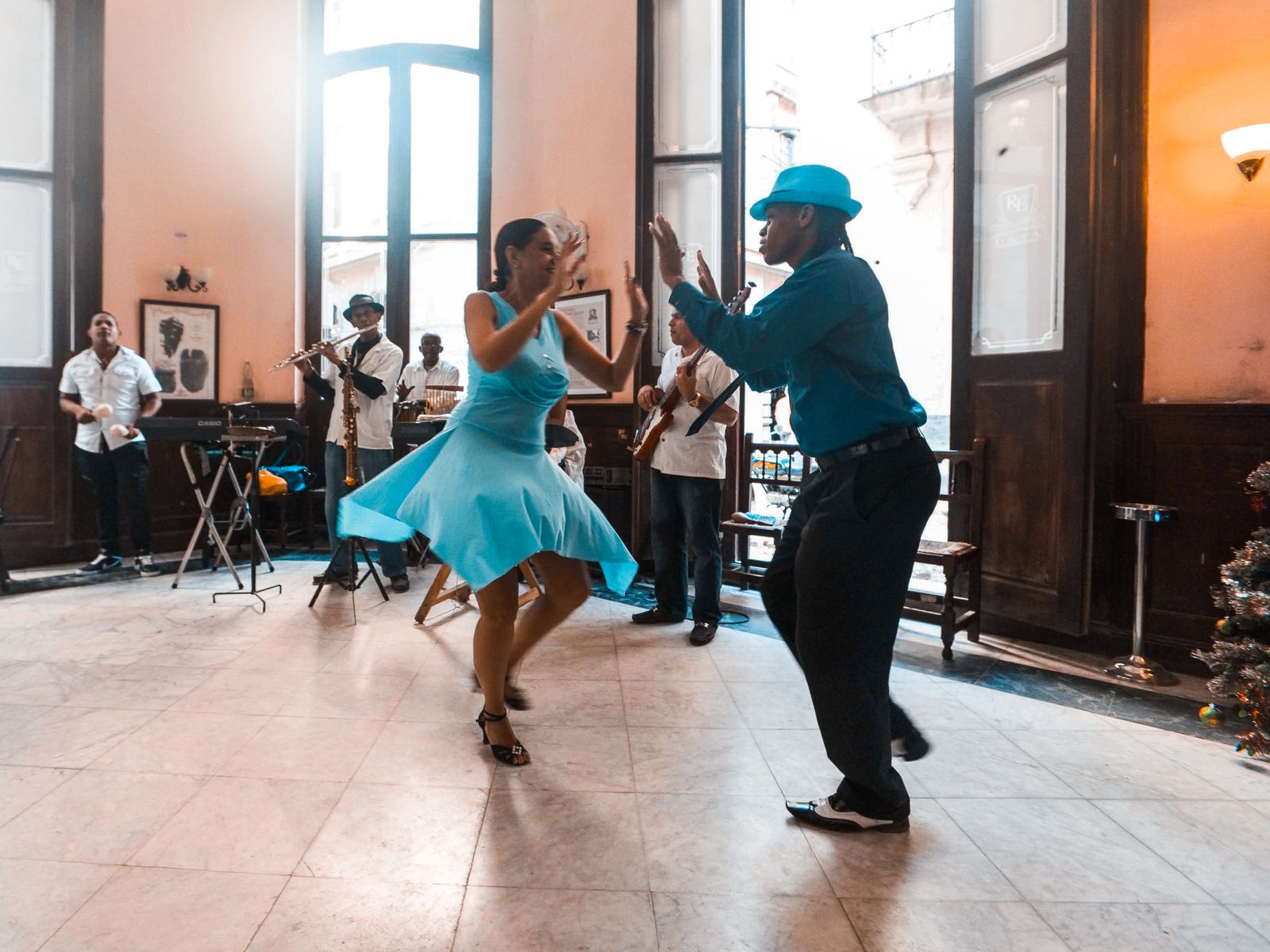
Every standard Zumba class is built around four core rhythms: salsa, merengue, reggaeton, and cumbia. Each one has its own basic steps, tempo, and feel, and instructors layer fitness elements, arm variations, and style on top of those foundations to build full choreography. A typical class moves between all four rhythms plus additional styles like bachata, cha-cha, and hip hop, which is why Zumba feels so different from a single-genre dance class.
Here’s what defines each core rhythm, how they differ from each other, and why understanding them makes following any class noticeably easier.
Why Zumba Is Built Around Specific Rhythms
Zumba’s music mix is roughly 70% Latin music and 30% other genres, and within that Latin core, four rhythms function as the structural backbone: salsa, merengue, reggaeton, and cumbia. Each one has four core steps that instructors build on progressively, starting with basic leg movement, then adding arm variations, rhythmic changes, fitness intensity, and finally personal style and technique. This layered structure is why the same four rhythms can produce endless different routines rather than feeling repetitive.
Salsa: Fast Footwork and Hip Movement
Salsa brings energetic footwork paired with hip movement, and it’s often the rhythm people associate most strongly with Zumba’s Latin dance roots. It moves at a lively tempo with syncopated timing that rewards quick, precise steps. Our dedicated guide to salsa in Zumba breaks down the specific steps and how salsa differs from a dedicated salsa dance class.
Merengue: Fast, Simple, and Beginner-Friendly
Merengue runs at roughly 120 to 160 beats per minute, with every beat carrying an equal, heavy accent, which makes it one of the most accessible rhythms for newcomers to pick up quickly. The basic steps are marches and simple side-to-side movement, easy to follow even at speed, which is why merengue segments are often used early in a class to build momentum before more complex rhythms are introduced. Our merengue in Zumba guide covers the specific steps in more depth.
Reggaeton: Hip-Driven and High-Energy
Reggaeton brings fast, energetic movement built around hip shaking, gyrating, and body rolls, layered over a distinctive dembow-influenced beat. It’s typically one of the higher-intensity segments in a class, both musically and in terms of the movement demanded. Our reggaeton in Zumba guide goes deeper into the specific steps and styling.
Cumbia: Grounded, Rhythmic, and Rooted in Tradition
Cumbia has a more grounded, rhythmic feel than the other three core rhythms, built around forward-and-back stepping patterns and a distinctive dragging foot motion tied to the dance’s historical roots. It’s often used as a change of pace within a class, still energetic but with a different movement quality than the faster, sharper rhythms around it. Our cumbia in Zumba guide covers the two most common basic steps taught in class.
Beyond the Core Four: Bachata and Other Styles
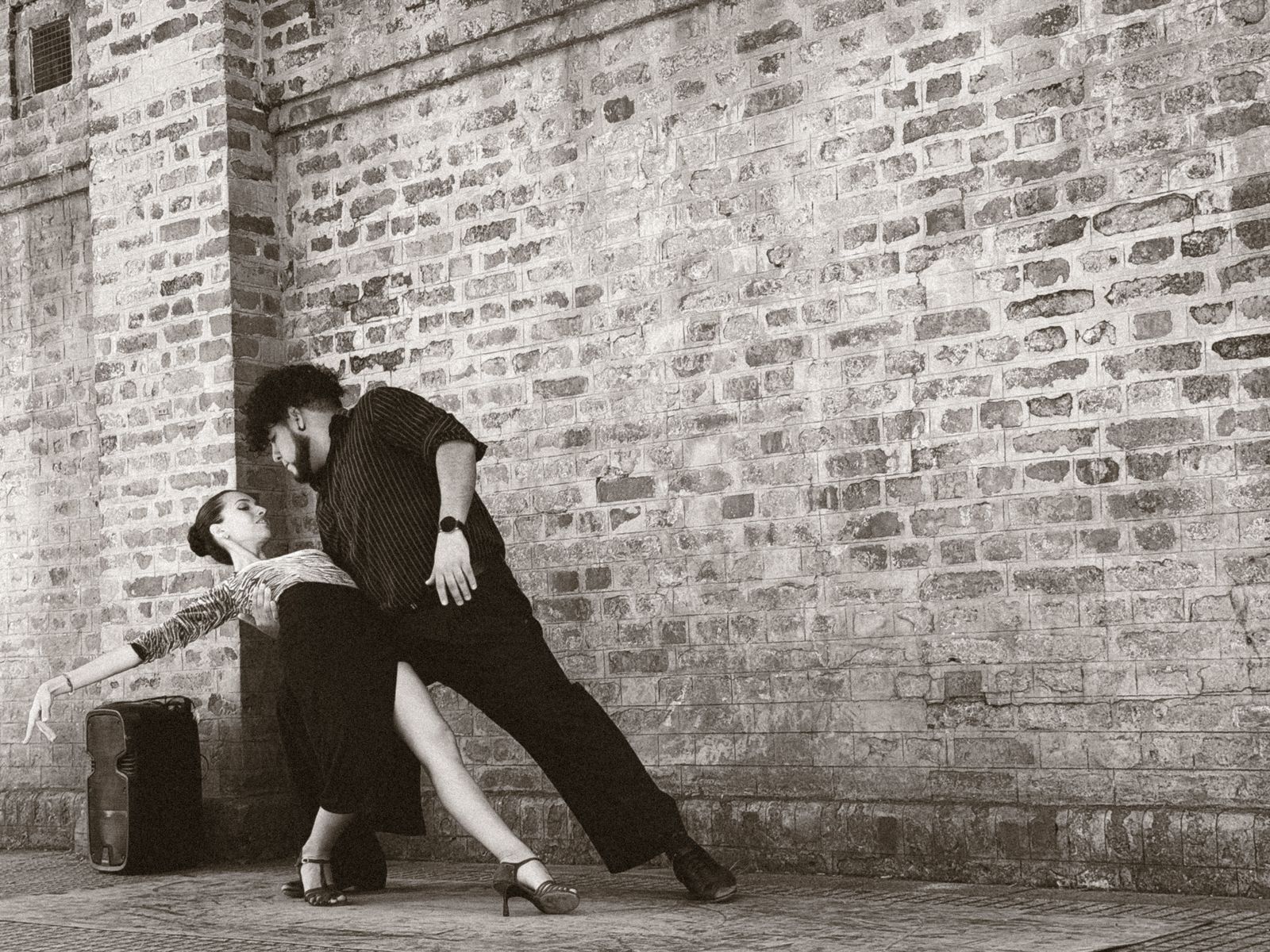
While salsa, merengue, reggaeton, and cumbia form the mandatory core, most classes layer in additional styles depending on the instructor and studio, commonly bachata, cha-cha, samba, soca, hip hop, belly dance, and bhangra. Bachata in particular has become a prominent flavor in modern Zumba, often paired with the dembow rhythm for a distinctly Dominican-influenced segment. Our bachata and dembow in Zumba guide covers how these two work together in class.
Why Learning the Rhythms Makes Classes Easier to Follow
Recognizing which rhythm is playing gives you a head start on the choreography, even before you know the specific routine. Merengue’s steady, equal-accent beat signals simple marching and side steps. Salsa’s syncopation signals faster footwork. Reggaeton’s beat signals hip-driven movement. Cumbia’s dragging rhythm signals the grounded forward-and-back pattern. Once your ear picks up these cues, you can often anticipate the type of movement coming even in an unfamiliar routine, which shortens the learning curve for new classes considerably.
How Instructors Structure a Class Around These Rhythms
Most classes don’t teach the four core rhythms in isolation, they blend and alternate between them to build a full-length session with natural changes in intensity and energy. A typical structure might open with an accessible merengue warm-up, build through salsa and reggaeton segments at higher intensity, work in a grounded cumbia section as a brief change of pace, and close with a cooldown that often returns to a slower rhythm. Understanding this pattern helps explain why a class feels like it has a natural arc rather than random, disconnected songs.
Zumba Rhythms at a Glance
| Rhythm | Origin | Tempo |
|---|---|---|
| Salsa | Cuba/Puerto Rico | Moderate-fast |
| Merengue | Dominican Republic | Fast |
| Reggaeton | Puerto Rico | Moderate |
| Cumbia | Colombia | Moderate |
| Bachata | Dominican Republic | Moderate |
Frequently Asked Questions About Zumba Rhythms
What are the 4 basic rhythms of Zumba?
Salsa, merengue, reggaeton, and cumbia form the four core, mandatory rhythms taught in Zumba instructor training. Each has four basic steps that instructors build choreography around, and most classes also incorporate additional styles like bachata and hip hop on top of this core foundation.
Which Zumba rhythm is easiest for beginners?
Merengue is generally considered the most beginner-friendly, thanks to its simple, equally-accented beat and straightforward marching and side-step movements. It’s often used early in classes for exactly this reason, to build confidence before introducing faster or more complex rhythms.
Do all Zumba classes include all four core rhythms?
Most standard classes do, since these four rhythms are part of the core Zumba instructor training and format. The exact balance and order varies by instructor and specific class, but salsa, merengue, reggaeton, and cumbia typically all appear in some form.
Why does Zumba use Latin rhythms specifically?
Zumba’s format grew out of its founder’s background using Latin dance music, including salsa and merengue, in an aerobics class. That origin shaped the format’s continued 70% Latin, 30% other-genre music mix, which has remained a defining structural feature of the class ever since.
Can I learn the rhythms without dance experience?
Yes. Zumba’s rhythms are taught progressively, starting with basic leg movement before adding complexity, specifically so people without a dance background can follow along and build skill over time rather than needing prior training to participate.
Ready to Feel the Rhythms for Yourself?
Reading about salsa, merengue, reggaeton, and cumbia is one thing, feeling the difference between them in a live class is another. Explore FitStrot’s Online Zumba Classes and start recognizing the rhythms in your very next session.
Want to explore the full range of Zumba styles available? Check out our guide to types of Zumba, or explore Online Zumba Classes to find a class that fits.