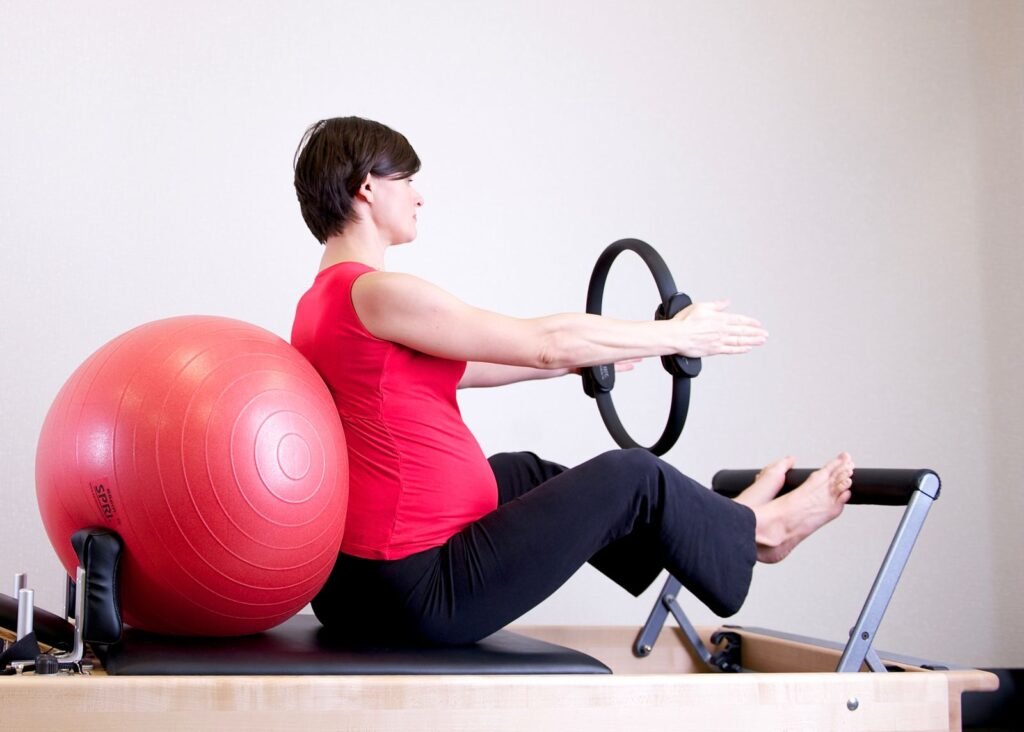
A few things matter more than others here. Research on Zumba’s effects specifically in women has focused heavily on the menopausal transition, where a 12-week Zumba Gold intervention in postmenopausal women documented significant improvements in mental health, fatigue, and social connectedness, alongside better aerobic fitness and fat oxidation capacity from consistent moderate-intensity practice. Separate research also connects regular exercise generally, and Zumba specifically, to improved hormonal profiles that can support more regular ovulation and menstrual cycle regularity.
What the Postmenopausal Research Found
A 12-week Zumba Gold exercise intervention studied in postmenopausal, sedentary women from low socioeconomic backgrounds documented meaningful improvement across physical and psychological measures, including reduced fatigue across general, physical, and mental dimensions, alongside improved social connectedness and a stronger sense of belonging tied to the group class format itself. A separate study, ZumBeat, evaluated a Zumba dance intervention specifically in postmenopausal overweight women and found comparable positive outcomes, reinforcing this pattern across more than one independent research effort.
Cardiovascular Findings in Postmenopausal Women Specifically
Research measuring heart rate responses in postmenopausal women attending Zumba Gold classes specifically found data supporting the format’s cardiovascular benefit for this population, an important distinction since exercise recommendations and safe intensity thresholds can differ meaningfully for postmenopausal women compared to younger populations. This research helps confirm that a lower-impact format like Zumba Gold delivers genuine cardiovascular benefit without necessarily requiring the higher-impact intensity of standard classes.
How Zumba May Support Menstrual and Hormonal Regularity
Moderate aerobic exercise, the category Zumba falls into, has a documented connection to improved insulin sensitivity and hormonal regulation more broadly, which can support more regular ovulation and menstrual cycle function in women managing conditions influenced by hormonal irregularity. Our guide to does Zumba help PCOS covers this specific mechanism and the research behind it in considerably more depth.
Mood, Stress, and Cortisol
Beyond the physical measures, research connects Zumba practice to improved mood through endorphin release and reductions in cortisol, the body’s primary stress hormone, a pattern that shows up consistently across the broader mental health research on Zumba as well. Our guide to Zumba for mental health covers the anxiety and depression research applicable to women and men alike.
Zumba During Specific Life Stages
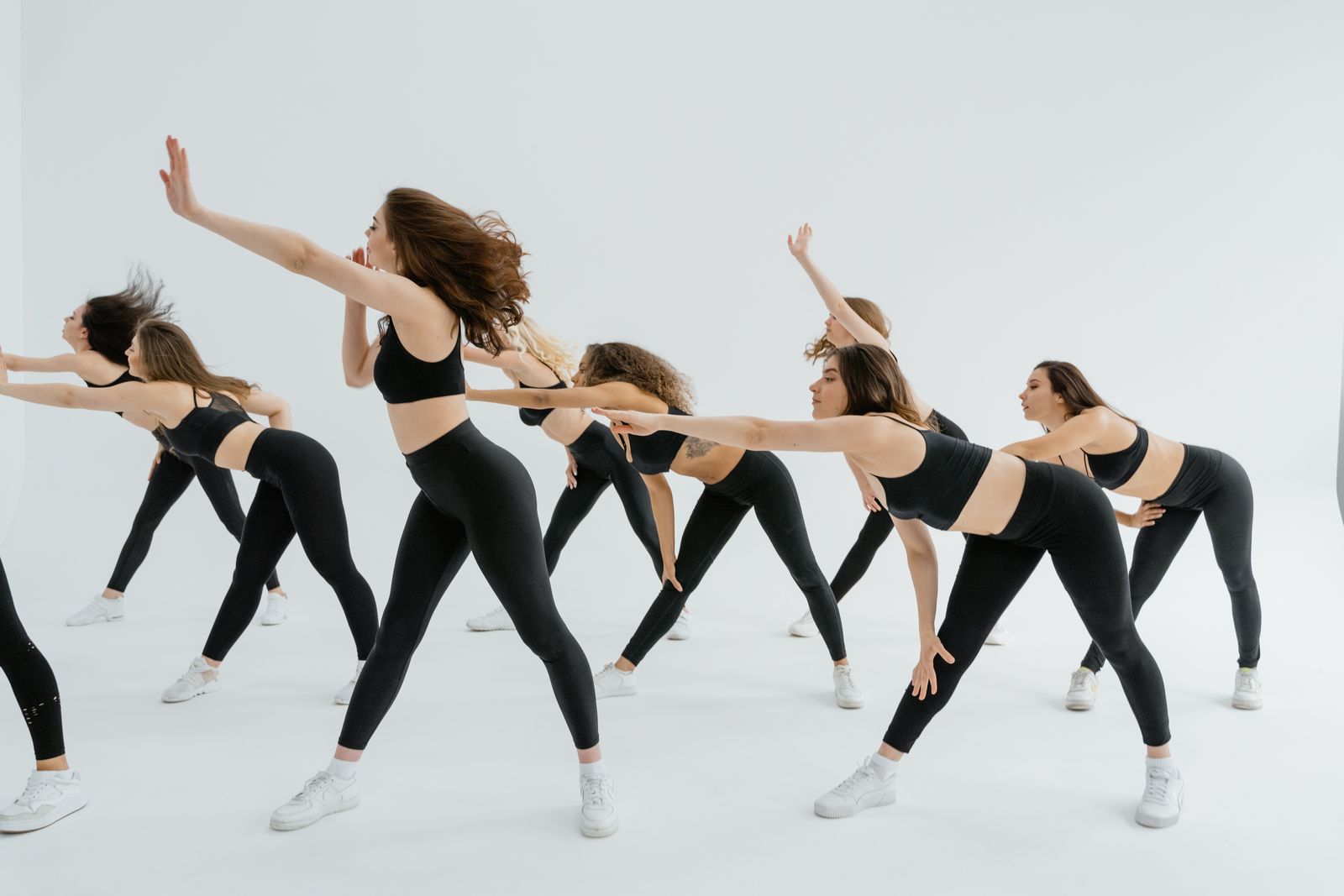
Women navigating specific physiological stages, pregnancy, menstruation, or menopause specifically, may need format or intensity adjustments rather than assuming one standard approach fits every stage. Our guides to Zumba during pregnancy and Zumba during periods cover these specific considerations directly.
Zumba for Women Quick Facts
- Calorie burn: ~400-600 kcal/hour depending on intensity
- Hormonal benefits: Supports mood regulation across the menstrual cycle
- Social component: Group class format supports adherence and motivation
- Modifiable for: Pregnancy, postpartum, menopause with format adjustments
What People Usually Want to Know
Can Zumba help with menopause symptoms specifically?
Research on a 12-week Zumba Gold program in postmenopausal women documented improvements in fatigue, mental health, and social connectedness, alongside better aerobic fitness, suggesting genuine, measurable benefit for this population specifically.
Does Zumba affect menstrual cycle regularity?
Moderate aerobic exercise, the category Zumba falls into, is connected to improved insulin sensitivity and hormonal regulation, which can support more regular ovulation in women whose cycles are affected by hormonal irregularity, though individual results vary and medical evaluation matters for diagnosed conditions.
Is Zumba Gold specifically better for postmenopausal women than standard Zumba?
Research measuring heart rate responses in postmenopausal women attending Zumba Gold classes supports the format’s cardiovascular benefit at lower impact, making it a reasonable option for women who want to reduce joint stress while still gaining real cardiovascular benefit.
Does Zumba help reduce stress hormones in women?
Yes, research connects regular Zumba practice to reduced cortisol levels alongside improved mood through endorphin release, part of the broader mental health benefit documented across Zumba research generally.
Should women adjust their Zumba practice during pregnancy or menstruation?
Yes, both life stages may call for intensity or format adjustments rather than assuming a standard approach fits every stage; our dedicated guides on Zumba during pregnancy and Zumba during periods cover the specific considerations involved.
Where to Go From Here
Understanding how Zumba interacts with your specific stage of life helps you get more out of every session. Explore FitStrot’s Online Zumba Classes to find a format that fits.
Related reading: does Zumba help PCOS, Zumba for mental health, or head to Online Zumba Classes to get started.
Sources: Heart Rate Responses of Post-Menopausal Women to Zumba Gold Classes (PMC), 12-Week Zumba Gold Intervention in Postmenopausal Sedentary Women (PMC), ZumBeat: Zumba Dance Intervention in Postmenopausal Overweight Women (PMC)