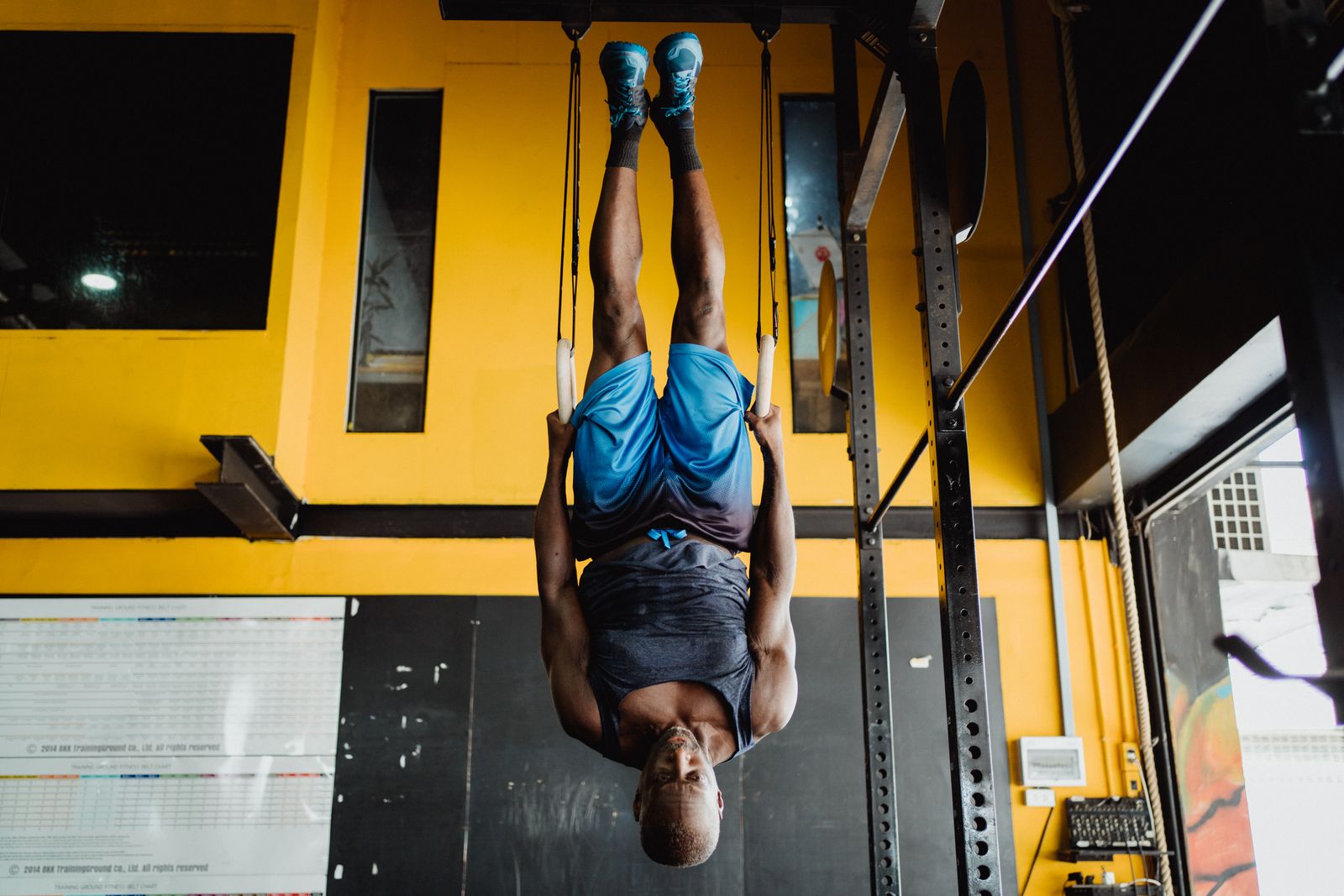
Zumba works as effective cross-training because it moves your body in patterns your primary sport doesn’t, lateral steps, hip rotation, rapid direction changes, which builds coordination and agility while giving overused muscle groups a break from repetitive single-direction movement. Runners, cyclists, and swimmers all train primarily in one plane of motion, forward and back or a fixed repetitive pattern, and Zumba’s multi-directional choreography fills that gap directly.
Here’s why cross-training works this way in principle, how specific types of athletes use Zumba in their training week, and how to add it without disrupting your main sport’s progress.
Why Cross-Training With Zumba Actually Works
The core idea behind cross-training is straightforward: repeatedly loading the same muscles and movement patterns increases overuse injury risk over time, while varying the type of movement builds broader resilience and reduces that risk. Runners, for example, move almost entirely in a single forward plane, which is efficient for running but leaves lateral stabilizer muscles in the hips and ankles relatively undertrained. Zumba’s constant lateral steps, hip circles, and directional changes train exactly those neglected stabilizers, which can translate into better balance and reduced injury risk in the primary sport.
Beyond the physical benefit, Zumba also provides genuine mental recovery from a single-sport training grind. Doing the same sport repeatedly, even one you love, benefits from variety, and a high-energy dance class scratches a completely different part of the motivation system than another structured training session in your main sport.
How Runners Use Zumba as Cross-Training
Runners typically add Zumba on an easy or recovery day rather than a hard training day, using it as active recovery that still elevates heart rate without the repetitive impact of another run. The lateral and rotational movement helps address the hip and ankle stability gaps that pure forward-running doesn’t train, which some runners find reduces common overuse issues like IT band irritation over time.
How Cyclists Use Zumba
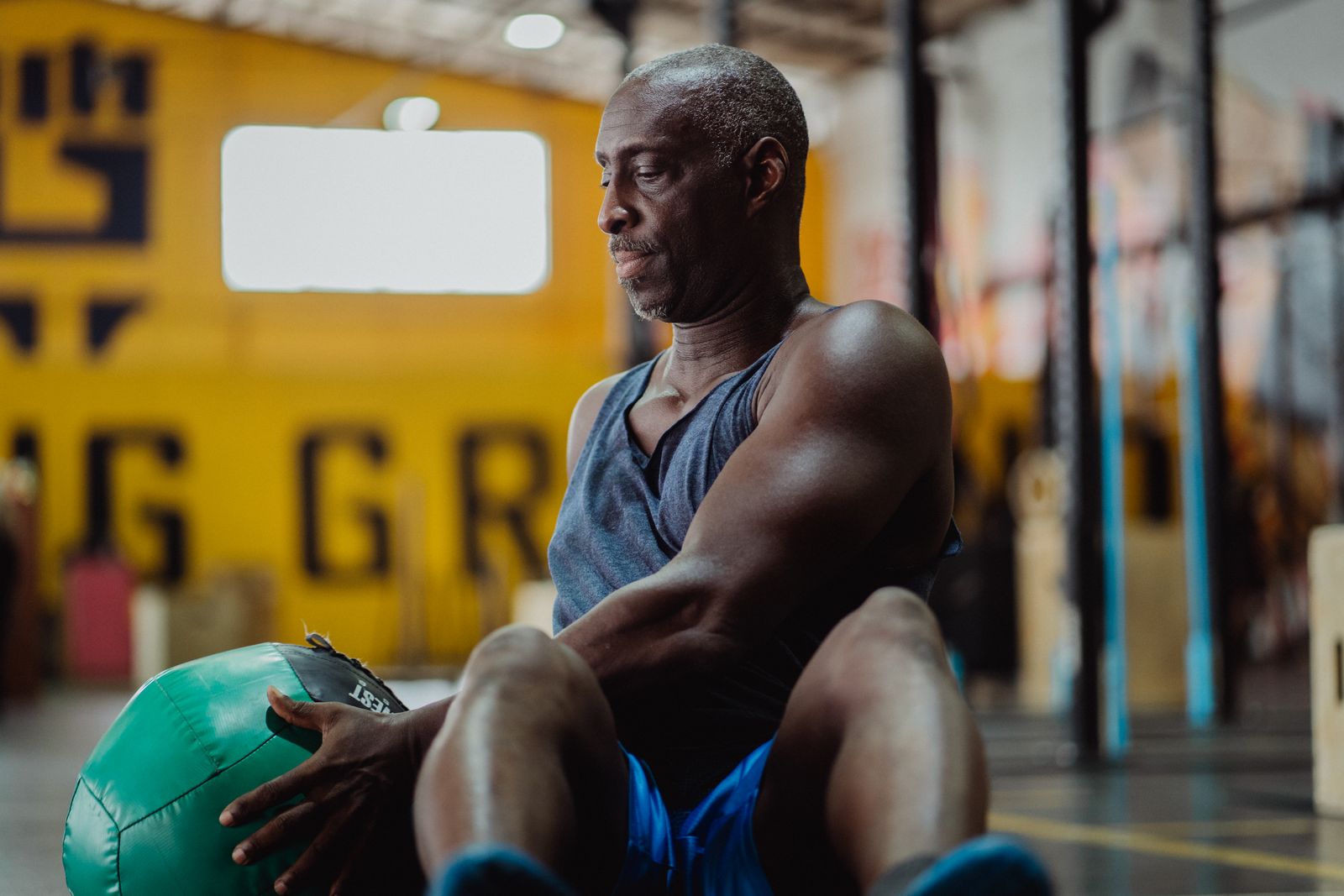
Cycling is a seated, largely lower-body-dominant sport with almost no lateral movement or weight-bearing impact. Zumba adds exactly what’s missing: standing weight-bearing movement, which supports bone density in a way seated cycling doesn’t, plus core and upper-body engagement that a cycling-only routine tends to neglect.
How Strength Athletes and Team-Sport Players Use It
For basketball, tennis, or soccer players, Zumba’s footwork and rapid direction changes closely mirror the agility demands of those sports, making it a genuinely relevant supplemental training tool rather than just generic cardio. Strength athletes often use Zumba on a designated cardio or active recovery day, since it provides cardiovascular conditioning without adding the joint loading that another heavy lifting session would.
Using Zumba During Off-Season or Injury Rehab
Off-season is a natural fit for adding Zumba, since maintaining general fitness and cardiovascular conditioning without the repetitive stress of in-season training helps athletes come back to their sport without having lost significant conditioning. For injury rehab specifically, Zumba can be a useful lower-impact option with medical provider approval, since the format can often be modified for intensity and impact level while still providing movement and cardiovascular benefit during a recovery period.
How to Add Zumba Without Disrupting Your Main Sport
Use it to replace one weekly cardio session rather than adding it entirely on top of an already full training schedule, which risks overtraining regardless of how enjoyable the added session is. Schedule it on an easy or recovery day rather than the day before or after your hardest primary-sport session, since stacking two demanding sessions back to back increases injury risk regardless of which activities they are. Pay attention to how your body responds over several weeks, since cross-training should support your main sport’s performance, and any format that consistently leaves you too fatigued for your primary training isn’t serving its purpose.
Combining Cross-Training With Strength Work
Zumba as cross-training pairs naturally with a broader approach that also includes dedicated strength training. Our guide to Zumba and strength training covers how to structure a week that includes both resistance work and Zumba, which is relevant whether your primary sport is running, cycling, or something else entirely.
What Makes a Good Cross-Training Addition Versus a Poor One
Not every supplemental activity qualifies as genuinely useful cross-training. The best additions move your body in patterns meaningfully different from your primary sport, which is exactly why Zumba works well for single-plane sports like running and cycling. A poor cross-training choice would be one that simply repeats the same movement pattern and joint stress as your main sport under a different name, providing variety in name only without the actual physiological benefit of training different movement planes and muscle groups.
Intensity also matters. A cross-training session pushed to the same maximal effort as your primary sport training defeats part of the purpose, since it adds full training stress on top of full training stress rather than providing a genuine change of pace. Most athletes get more benefit treating Zumba as a moderate-intensity addition rather than an all-out effort session, at least on days positioned as recovery or supplemental training.
Tracking Whether Cross-Training Is Actually Helping
A few signals suggest Zumba is working well as cross-training rather than just adding fatigue. Your primary sport performance holds steady or improves rather than declining over several weeks of adding Zumba sessions. Overuse symptoms in your primary sport, like recurring knee or shin pain from running, show some improvement rather than worsening. You feel refreshed and mentally engaged going into your main sport sessions rather than dreading them from accumulated fatigue. If the opposite is happening on any of these fronts, scaling back frequency or intensity of the added Zumba sessions is worth trying before dropping cross-training altogether.
Zumba for Cross-Training: Quick Facts
- Best paired with: Strength training, running, or cycling routines
- Key benefit: Active recovery through varied, lower-strain movement
- Coordination bonus: Builds agility that complements other sports
- Recommended frequency: 1-2 sessions weekly alongside your primary training
Short on time to fit cross-training in? Our guide to the 30-minute Zumba workout covers how to structure an efficient session.
Frequently Asked Questions About Zumba for Cross-Training
Is Zumba good cross-training for runners?
Yes. Zumba’s lateral and rotational movement trains hip and ankle stabilizers that pure forward-running doesn’t address, which can support better balance and potentially reduce common overuse injuries. Most runners use it on an easy or recovery day rather than replacing a hard training run.
Can Zumba replace my regular cardio training?
It can substitute for one weekly cardio session effectively, providing genuine cardiovascular benefit alongside coordination training your primary sport may not offer. Completely replacing sport-specific conditioning isn’t advisable if peak performance in that specific sport is the goal, since specificity still matters for elite-level performance.
Is Zumba safe to do during injury recovery?
It can be, with medical provider approval and appropriate modification for the specific injury. Zumba’s intensity and impact level can often be adjusted, but this should be done under guidance from whoever is managing your recovery, not decided independently for anything beyond very minor issues.
How often should athletes add Zumba to their training week?
One to two sessions weekly, generally on easier or recovery days, is a reasonable starting point for most athletes using it as supplemental cross-training rather than a primary training method.
Does Zumba help with sports that require agility, like basketball or tennis?
Yes, more directly than steady-state cardio does. Zumba’s rapid direction changes and footwork patterns closely mirror the agility demands of court and field sports, making it a more sport-relevant supplemental option than something like straight treadmill running.
How is Zumba different from other common cross-training options like swimming or cycling?
Swimming and cycling are excellent cross-training choices for reducing impact, since both are non-weight-bearing, but neither trains lateral movement or rapid direction changes the way Zumba does. Choosing between them comes down to what your primary sport is missing: impact reduction points toward swimming or cycling, while coordination and multi-directional movement point toward Zumba.
Ready to Add Cross-Training to Your Routine?
Whatever your primary sport, Zumba can fill real gaps in your training without adding excessive extra load. Explore FitStrot’s Online Zumba Classes and see how it fits into your existing training week.
Want the complete picture of what Zumba does for your body? Read our full breakdown of Zumba’s health benefits, or explore Online Zumba Classes to get started.