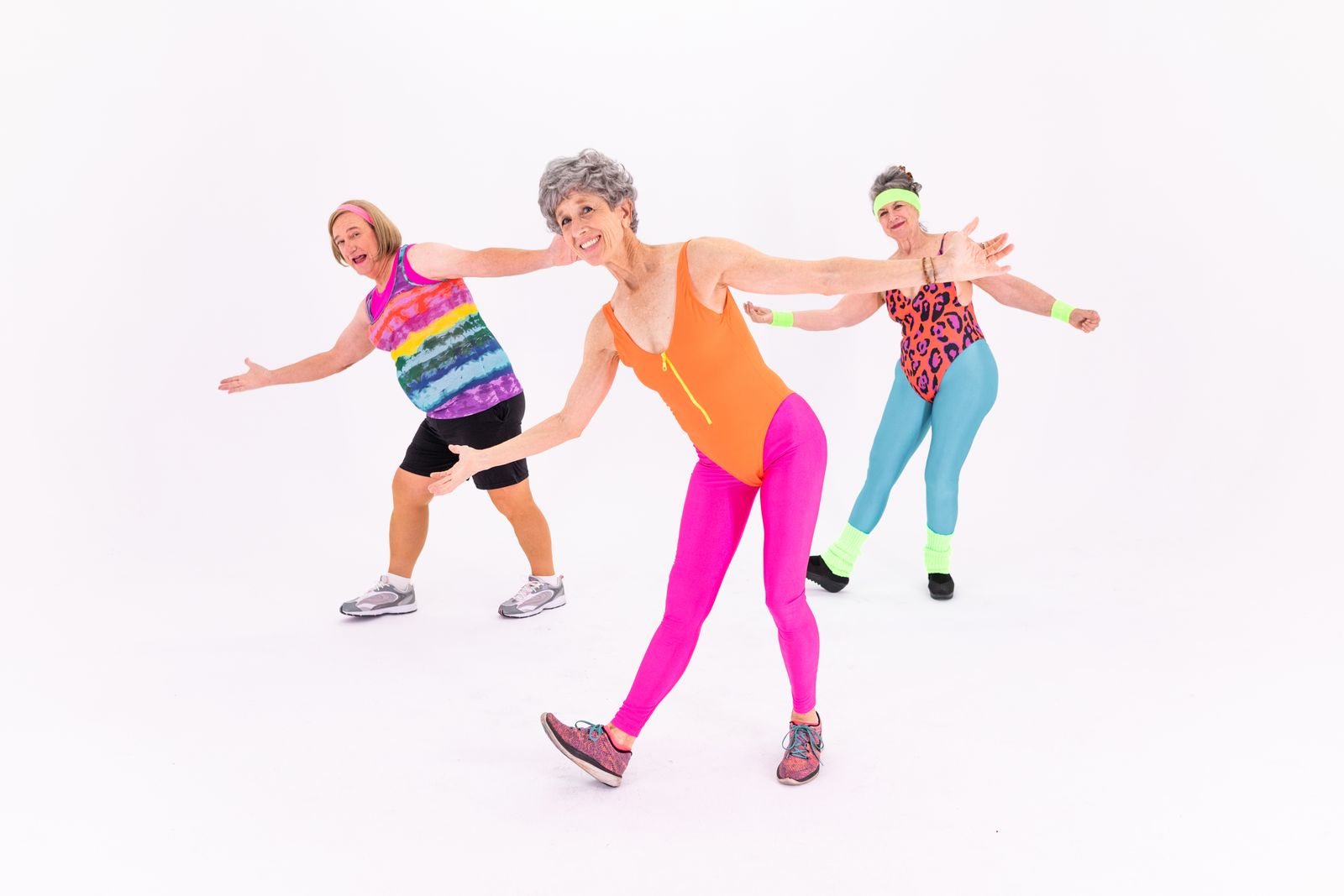
Yes, Zumba genuinely increases energy levels, and it works through two separate mechanisms at once. In the short term, the exercise triggers endorphin release, the same feel-good chemical response behind any “runner’s high,” which lifts mood and perceived energy within a single session. Over months, regular Zumba improves cardiovascular conditioning, meaning your heart and lungs deliver oxygen more efficiently, which translates into less daily fatigue and more sustained energy. A study tracking women over four months of routine Zumba classes found measurable improvements in both energy levels and general positivity.
The catch, and it’s one most articles on this topic skip, is that Zumba can’t manufacture energy you’re not otherwise supporting. Skip sleep or run a calorie deficit that’s too aggressive, and the post-class energy lift gets erased fast. Here’s how the mechanism actually works and how to structure your routine so the energy benefit sticks.
How Zumba Actually Raises Energy Levels
Two systems are doing the work here, and they operate on different timelines.
The immediate effect comes from neurochemistry. Moderate-to-vigorous exercise, which most Zumba choreography qualifies as, triggers the release of endorphins, along with dopamine and serotonin. These neurotransmitters are directly responsible for the mood lift and mental alertness people describe after a class, often within 20 to 30 minutes of starting. This is why a mid-afternoon energy slump often responds better to a Zumba session than to caffeine: the mechanism is different, and it doesn’t carry the crash that comes with a caffeine spike.
The longer-term effect comes from cardiovascular adaptation. Regular Zumba practice, three to four sessions weekly over a period of months, increases your heart’s stroke volume and improves how efficiently your muscles extract oxygen from blood. Practically, that means everyday activities, climbing stairs, carrying groceries, keeping up with kids, cost you less energy than they used to. This is the mechanism behind the sustained “more energy throughout the day” reports that regular Zumba participants describe, distinct from the immediate post-class high.
What the Research Actually Shows
A structured study following women through four months of consistent Zumba classes recorded measurable gains in self-reported energy levels and overall positivity, tracked alongside the exercise habit itself. The improvement pattern lines up with what’s known more broadly about aerobic exercise and fatigue: studies on exercise and chronic fatigue consistently find that people who feel too tired to exercise often see the opposite effect once they start, a phenomenon sometimes described as the exercise-energy paradox, since the intuitive expectation is that expending energy should deplete it, not restore it.
One honest caveat worth stating directly: reported “positivity” and “energy” in survey-based studies rely on self-assessment, not a lab measurement of physical energy substrates like ATP or blood oxygen levels. The findings are consistent with mood and perceived-energy improvement, and consistent with known aerobic conditioning effects, but they’re not the same as a controlled biochemical energy measurement. Treat the direction as solid, supported by both the specific Zumba research and the much larger body of exercise-and-fatigue literature, without overstating the precision of any single figure.
Why Some People Feel More Tired After Zumba, Not Less
This deserves a direct answer, because it happens and it’s not a contradiction. If a class leaves you drained rather than energized, one of three things is usually happening.
You’re under-recovered. Intense exercise on top of poor sleep or high existing stress doesn’t add energy, it adds load to a system that’s already running a deficit. In that state, more exercise intensity makes fatigue worse, not better.
You’re under-fueled. A hard 45 to 60 minute class burns real calories, commonly 400 to 600 depending on intensity, and showing up on an empty stomach or in a steep calorie deficit leaves nothing for your body to convert into the sustained energy the workout is supposed to produce.
You’re dehydrated. Fluid loss during a sweaty class directly reduces blood volume and cardiovascular efficiency, which shows up immediately as fatigue, not tomorrow.
Fix the input, sleep, food, water, and the energy-boosting effect tends to show up as expected.
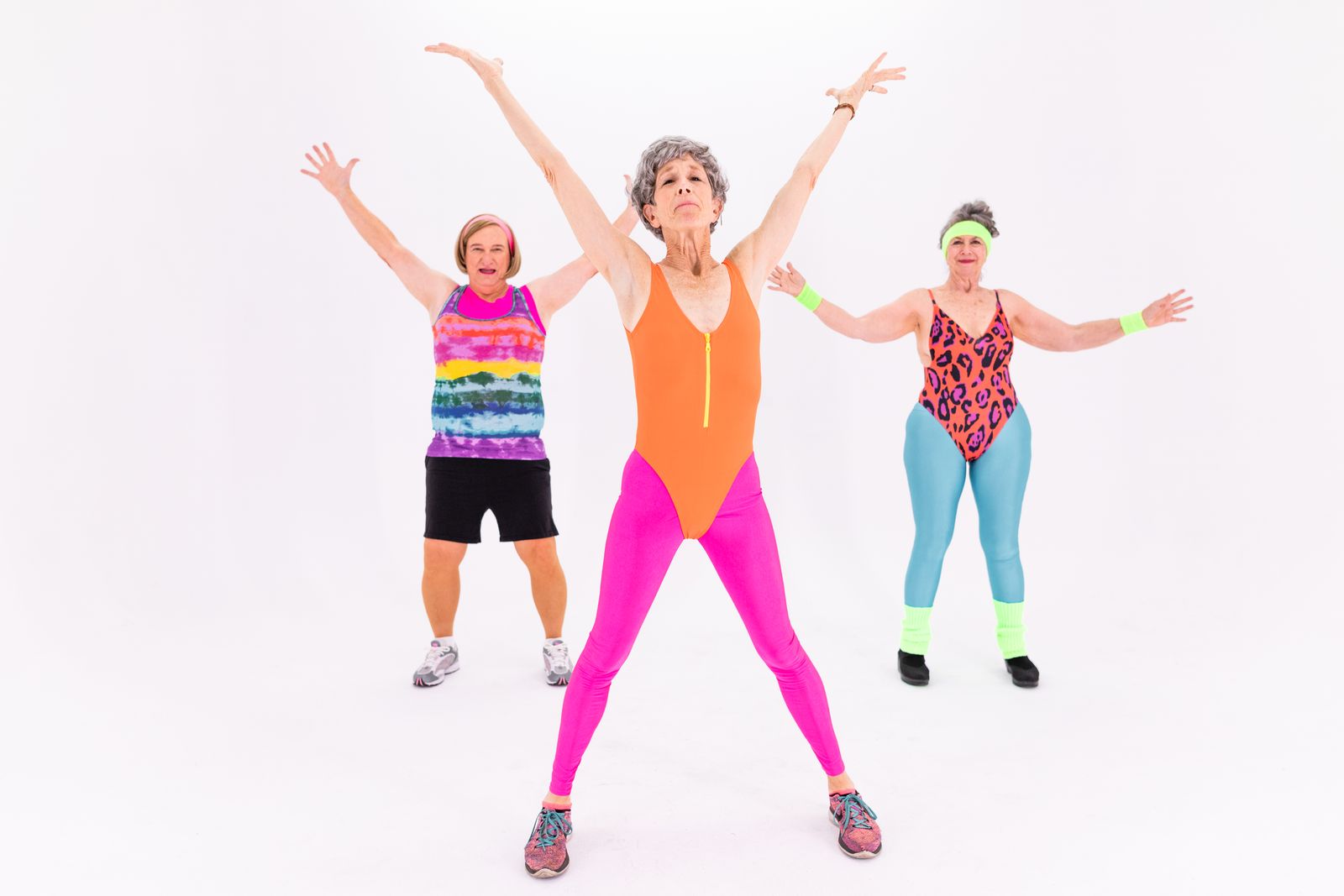
Building Core Strength Feeds the Energy Equation Too
Fatigue isn’t only about cardiovascular fitness. A weak core forces your body to work harder to stabilize itself during any standing or moving activity, which quietly drains energy across the day even outside of exercise. Our guide to Zumba for abs and core covers the specific moves that build that stabilizing strength, and stronger core muscles mean less energy wasted on basic postural control.
Leg strength plays a similar role. Tired, weak legs make everyday movement feel harder than it should, which compounds into the general fatigue people often blame on “just being busy.” If lower-body conditioning is a gap in your routine, the Zumba for toned legs guide breaks down which moves target that specifically.
How to Structure Zumba for Maximum Energy Benefit
Time your sessions for the morning or early afternoon where possible. Evening high-intensity classes can leave some people too wired to wind down, which then costs them sleep and cancels out the next day’s energy benefit entirely.
Hit three to four sessions a week rather than one intense weekly class. The cardiovascular adaptation that produces sustained daily energy needs consistent frequency, not occasional maximum effort.
Hydrate before class, not just after. Starting a session already mildly dehydrated blunts the energy benefit before you’ve even begun.
Eat something light 60 to 90 minutes beforehand if you tend to feel drained rather than energized post-class. A small carbohydrate-forward snack, fruit or toast, is usually enough to prevent the energy dip.
Protect your sleep on training days. Exercise supports energy, it doesn’t replace the recovery role sleep plays, and stacking a hard class on top of five hours of sleep will not produce the energy boost the research describes.
Zumba Versus Other Quick Energy Fixes
| Method | Speed of effect | Duration of benefit | Downside |
|---|---|---|---|
| Coffee | Fast (20 to 30 minutes) | 3 to 5 hours | Crash, tolerance buildup, disrupted sleep if timed late |
| Short nap | Immediate on waking | 1 to 3 hours | Grogginess if it runs past 20 to 30 minutes |
| Zumba session | 20 to 30 minutes in | Several hours, plus cumulative benefit over weeks | Requires time and physical effort upfront |
| Sugar or energy drinks | Fast (10 to 15 minutes) | 30 to 60 minutes | Sharp crash, no lasting benefit |
The practical takeaway: caffeine and sugar win on speed but lose badly on duration and side effects. Zumba takes longer to kick in but the effect lasts longer and compounds with regular practice, which is the opposite pattern from most quick fixes.
Signs Your Energy Boost Is Working As Expected
A few markers help you tell whether Zumba is actually delivering the energy benefit the research describes, rather than just adding another item to a packed schedule. You should notice the post-class mood lift within the first two or three sessions, since the endorphin response is immediate and doesn’t require weeks to appear. Afternoon energy slumps should become less severe within three to four weeks of consistent attendance, which is the timeframe the cardiovascular-adaptation research generally points to. Sleep quality should hold steady or improve, not decline, since a properly timed and fueled Zumba routine supports sleep rather than disrupting it. If none of these show up after a month of consistent three-times-weekly attendance, revisit sleep, hydration, and nutrition before assuming the exercise itself isn’t working.
Frequently Asked Questions About Zumba for Energy
Does Zumba give you energy right away or only over time?
Both. The endorphin release during and immediately after class produces a short-term mood and alertness lift within about 20 to 30 minutes. Sustained daily energy improvement, from better cardiovascular conditioning, builds over weeks to months of consistent practice.
Why do I feel exhausted after Zumba instead of energized?
This usually comes down to under-recovery, under-fueling, or dehydration going into the class rather than anything wrong with Zumba itself. Address sleep, pre-class nutrition, and hydration first, since these three factors determine whether a workout leaves you energized or depleted.
How many Zumba classes a week does it take to notice more energy?
Most people report a noticeable shift in daily energy within 3 to 4 weeks of attending 3 to 4 classes per week. The immediate post-class mood lift happens from the very first session, but the cumulative, all-day energy effect takes consistent weekly practice to build.
Is Zumba better than coffee for an energy slump?
For a sustainable afternoon energy lift, yes, since Zumba’s endorphin-driven boost doesn’t carry the crash that follows a caffeine spike. That said, a 10 to 15 minute session isn’t always practical mid-workday, which is where the comparison becomes more about convenience than physiology.
Can Zumba help with chronic fatigue?
Moderate aerobic exercise, including dance-based formats like Zumba, has shown benefit for some forms of exercise-related fatigue in the broader research literature, but chronic fatigue with a medical cause should be evaluated by a doctor before starting a new exercise routine, since exercise intensity needs to be matched carefully to the underlying condition.
Ready to Feel the Difference?
Reading about endorphins and cardiovascular adaptation won’t recharge you, showing up will. Explore FitStrot’s Online Zumba Classes and track your own energy levels over the next month.
Want the complete picture of what Zumba does for your body? Read our full breakdown of Zumba’s health benefits, or explore Online Zumba Classes to find a schedule that fits your energy patterns.