Zumba and strength training solve different problems, and combining them gives you both cardiovascular conditioning and muscle-building strength that neither delivers alone. Strength training builds muscle mass, which raises your resting metabolism, while Zumba’s cardio load burns calories during and after class and builds cardiovascular endurance. On days you do both, strength training first while your energy is highest generally works better than the reverse, since fatigued muscles perform resistance exercises with worse form and reduced strength output.
Here’s how to structure a week that includes both, the actual mechanism behind why they complement each other, and how to fit strength elements directly into Zumba if a separate weight session isn’t realistic for you.
Why Zumba Alone Doesn’t Build Significant Muscle
Standard Zumba is bodyweight cardio performed at a fast cadence, which builds muscular endurance and tone but doesn’t provide the progressive resistance overload needed for meaningful muscle growth. Building visible muscle size requires increasing resistance over time so muscle fibers are forced to adapt, and a dance class choreographed to music tempo doesn’t naturally scale that way. This isn’t a flaw in Zumba, it’s simply outside what the format is built to do.
Why Strength Training Alone Misses What Zumba Provides
The reverse gap exists too. Strength training builds muscle and raw strength efficiently but typically doesn’t deliver the same cardiovascular conditioning or calorie burn per session that a high-energy dance cardio class does. It’s also, for a lot of people, considerably less enjoyable and harder to sustain consistently than a class built around music and group energy, which matters enormously for long-term adherence regardless of which program is technically more effective on paper.
How the Two Complement Each Other
Combined, strength training’s muscle-building effect raises your metabolic baseline, while Zumba’s cardio load adds a substantial calorie burn on top of that, a combination that supports sustainable weight management better than either alone. Alternating between the two also reduces overuse injury risk, since you’re not repeatedly loading the same muscle groups and movement patterns in the same way every single session, which is one of the core principles behind cross-training generally.
How to Structure a Week With Both
A workable template for most people: two to three strength sessions weekly, targeting major muscle groups with compound movements like squats, lunges, presses, and rows, combined with two to three Zumba classes for cardio. Space them so you’re not doing intense strength work and intense Zumba on the same muscle groups back to back without a rest day between, since that combination raises injury and overtraining risk.
If you’re combining both in the same day, do strength training first. Your muscles and nervous system are freshest at the start of a training session, and resistance exercises with good form require more focus and stability than most people have left after 45 minutes of dance cardio. Zumba afterward works well as a lower-stakes cardio finisher when your legs are already somewhat fatigued.
Adding Strength Elements Directly Into Zumba
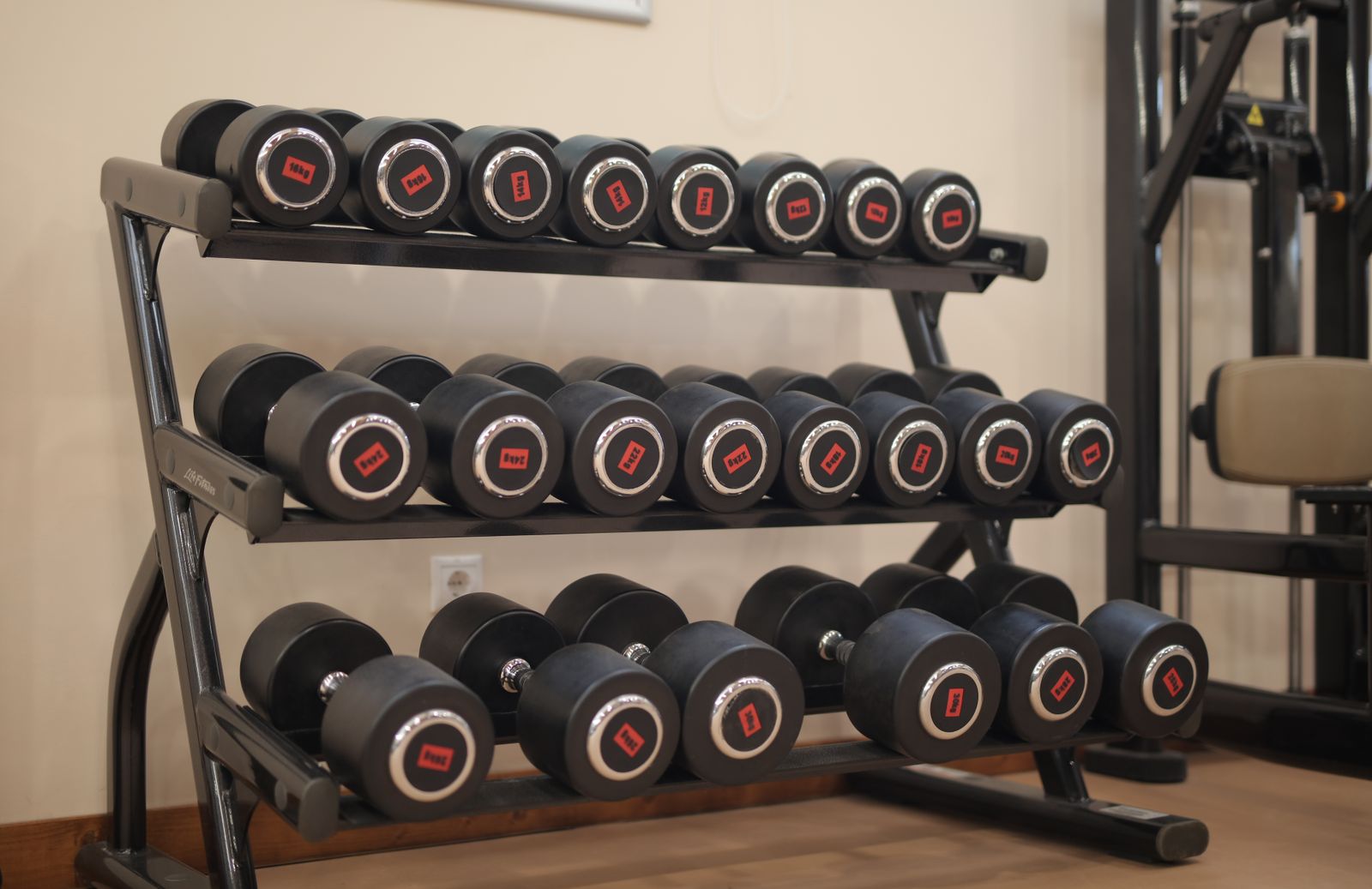
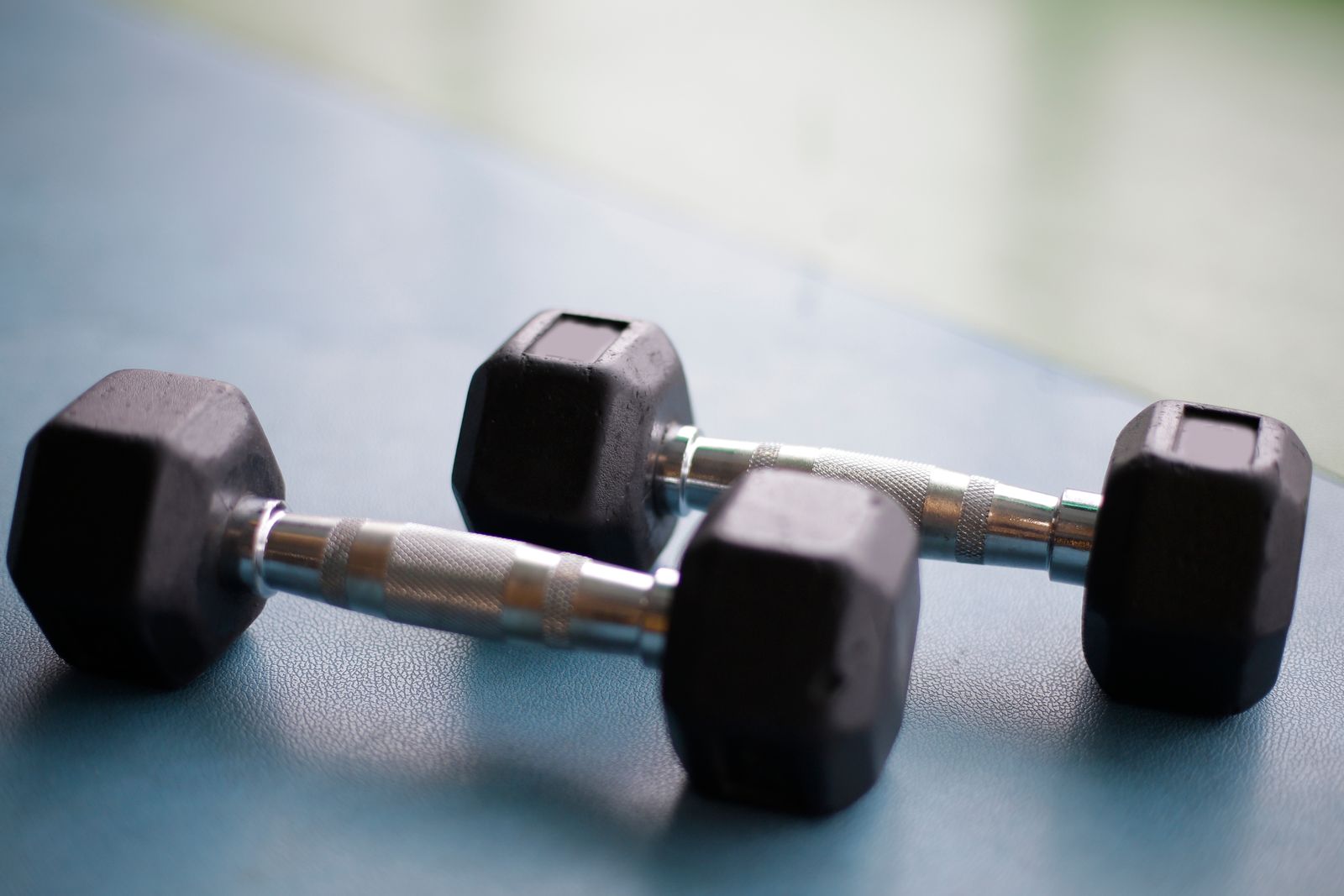
If a separate strength session isn’t realistic given your schedule, some strength benefit can come from the class itself. Bodyweight moves like squats, lunges, and push-up variations are already built into a lot of standard choreography and deliver more benefit if you go deeper and slower on those specific segments rather than rushing through them at tempo. Zumba Toning, which adds lightweight toning sticks to standard choreography, increases the resistance load on your arms and legs beyond bodyweight alone. Newer hybrid formats that blend structured strength segments with dance cardio, using light dumbbells in alternating blocks, are increasingly available and worth trying if your studio or platform offers one.
None of these fully replace a dedicated strength program if muscle building is a serious goal, but they’re a reasonable middle ground if your time is genuinely limited.
Building Better Cross-Training Variety
Strength training is one form of cross-training that pairs well with Zumba, but it’s not the only one. Our guide to Zumba for cross-training covers how runners, cyclists, and other athletes use Zumba to add movement variety and reduce overuse injury risk from repetitive single-sport training.
Common Mistakes When Combining Zumba and Strength Training
Doing both at maximum intensity every single day is the most common overreach, and it tends to backfire through accumulated fatigue rather than accelerating results. Skipping rest days entirely because “it’s two different activities” ignores that your muscles and nervous system still need recovery regardless of which type of exercise caused the fatigue. Neglecting nutrition to support both is another frequent gap, since combining cardio and resistance training increases your recovery nutrition needs beyond what either alone would require.
Sample Weekly Schedule Combining Both
| Day | Activity |
|---|---|
| Monday | Strength training (full body) |
| Tuesday | Zumba |
| Wednesday | Rest or active recovery |
| Thursday | Strength training (full body) |
| Friday | Zumba |
| Saturday | Zumba or light strength (optional) |
| Sunday | Rest |
This is a template, not a rigid prescription. Adjust the exact days based on your schedule and how your body responds, the underlying principle, spacing intense sessions with adequate rest between them, matters more than matching this exact layout.
What Muscle Groups Benefit Most From Adding Strength Work
Zumba already engages your legs, glutes, and core fairly thoroughly through squats, lunges, and hip movement, which means strength training focused specifically on those areas produces smaller marginal gains than focusing elsewhere. Upper body strength, chest, back, shoulders, and arms, tends to be the area with the biggest gap in a Zumba-only routine, since most choreography involves relatively light arm movement rather than loaded resistance. Prioritizing upper body strength work alongside Zumba often produces more balanced, noticeable results than doubling down on lower body work that Zumba is already addressing reasonably well.
Wondering how much muscle Zumba alone actually builds before you add strength work? Our guide to does Zumba build muscle covers that baseline in detail.
Frequently Asked Questions About Zumba and Strength Training
Should I do Zumba or strength training first?
Strength training first, when your energy and focus are highest, generally produces better results and safer form. Zumba afterward works well as a cardio finisher, even with somewhat fatigued legs, since the choreography doesn’t demand the same precision that a heavy resistance exercise does.
Can Zumba replace strength training completely?
No, not if building meaningful muscle or strength is a specific goal. Standard Zumba doesn’t provide the progressive resistance overload needed for significant muscle growth, though it does build muscular endurance and cardiovascular fitness effectively on its own.
How many days a week should I combine both?
A common structure is two to three strength sessions and two to three Zumba classes weekly, spaced to avoid overloading the same muscle groups on consecutive days without rest. Adjust based on your recovery and how your body responds.
Does Zumba Toning count as strength training?
It adds light resistance through weighted toning sticks, which increases the load beyond standard bodyweight Zumba, but the weights used are typically much lighter than a dedicated strength program would use. It’s a reasonable middle ground, not a full substitute for progressive resistance training.
Will combining Zumba and strength training help me lose weight faster?
The combination supports sustainable weight management better than either alone, since strength training raises your metabolic baseline through muscle mass while Zumba adds a substantial calorie burn per session. Results still depend on overall nutrition and consistency, not the combination alone.
Is it okay to only do Zumba and skip strength training entirely?
It’s a completely valid choice if cardiovascular fitness, calorie burn, and enjoyment are your main priorities rather than building muscle or maximal strength. Zumba alone delivers real, well-documented health benefits on its own. Adding strength training simply extends what’s possible beyond what Zumba is designed to provide, it isn’t a requirement for Zumba to be worthwhile.
Ready to Build a Balanced Routine?
Combining Zumba with strength training gives you both the cardio and the muscle-building side of fitness. Explore FitStrot’s Online Zumba Classes and build a weekly plan that includes both.
Want the complete picture of what Zumba does for your body? Read our full breakdown of Zumba’s health benefits, or explore Online Zumba Classes to get started.