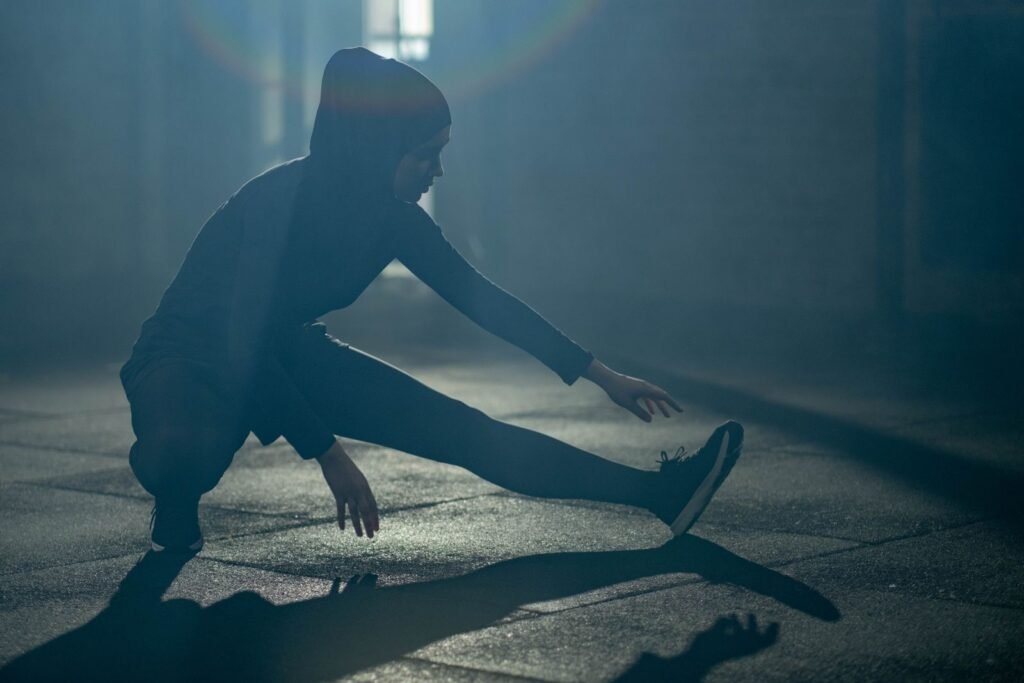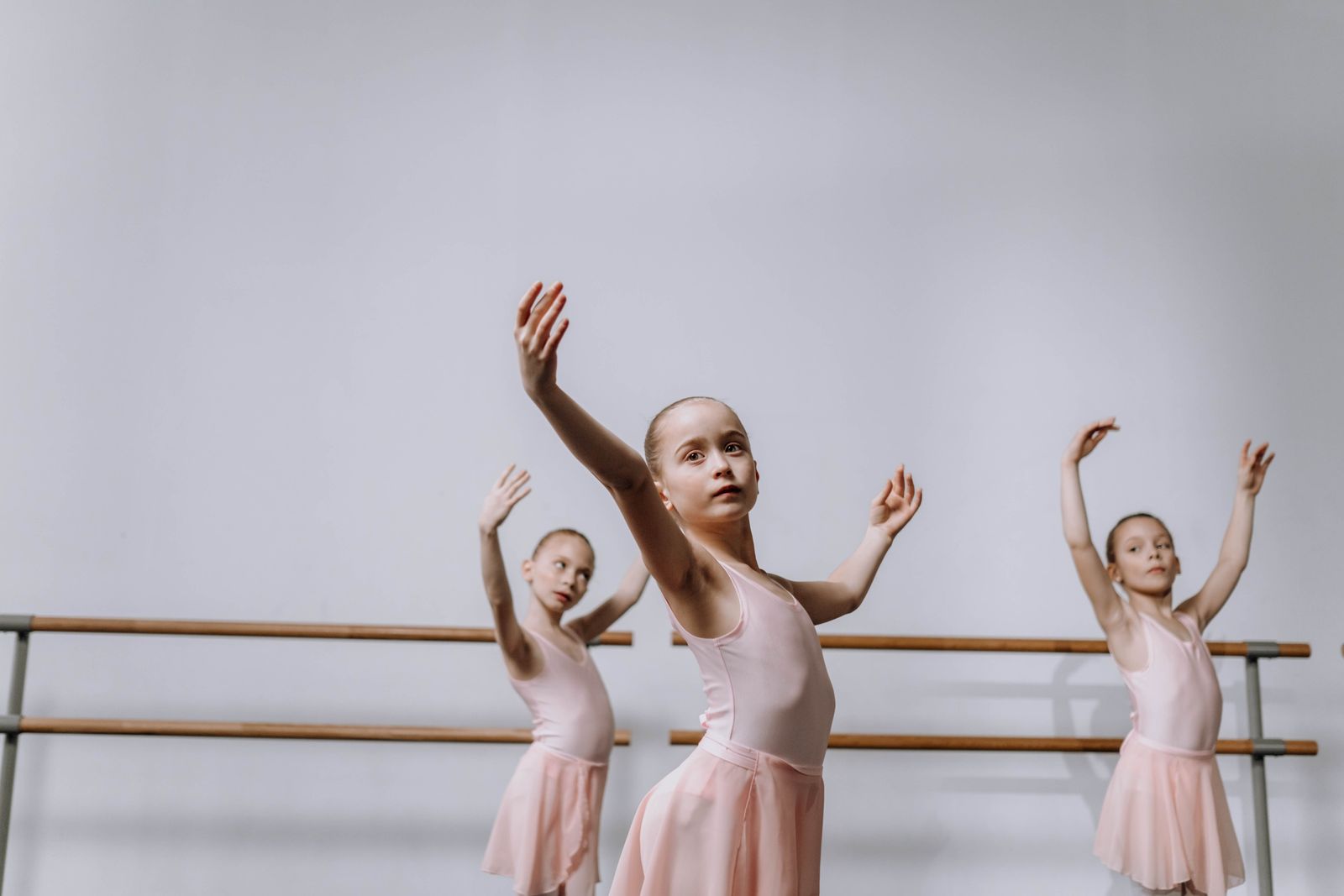
Zumba Kids is a version of standard Zumba adapted specifically for children, using age-appropriate rhythms, simplified routines, and playful movement instead of the more complex choreography found in adult classes. An hour of Zumba Kids burns roughly 300 to 400 calories in children, comparable to about 50 minutes of cycling or 72 minutes of walking, while also building cardiovascular endurance, strength, flexibility, and coordination.
This breaks down into three parts: the physical benefits, the cognitive and emotional benefits, and how the program is actually structured for younger participants.
Physical Benefits for Children
Beyond the calorie burn figure, the varied dance routines built into Zumba Kids classes target cardiovascular endurance, muscular strength, flexibility, and coordination simultaneously, a broader combination of physical benefits than many single-focus children’s activities provide. Because routines are set to music and repeated with variation, children build these physical qualities without the activity feeling like structured exercise in the way a formal fitness class might.
Cognitive Benefits: Memory, Focus, and Coordination
Learning and remembering dance steps, following rhythm and beat, and syncing movement with music all draw on cognitive skills including memory, focus, and concentration. Repeated practice across classes reinforces these skills in a way that’s directly transferable to a child’s ability to concentrate and retain information in other contexts too, an added benefit beyond the purely physical side of the format.
Mood and Emotional Regulation
Physical activity generally triggers the release of mood-regulating chemicals including serotonin, and Zumba Kids’ upbeat, music-driven format appears to compound this effect, contributing to reduced stress and improved mood in children who attend regularly. This mood benefit, paired with a genuinely non-competitive class structure, gives children a low-pressure outlet for burning energy and regulating emotion that doesn’t carry the performance anxiety some competitive youth sports can introduce.
Building Confidence and Social Skills
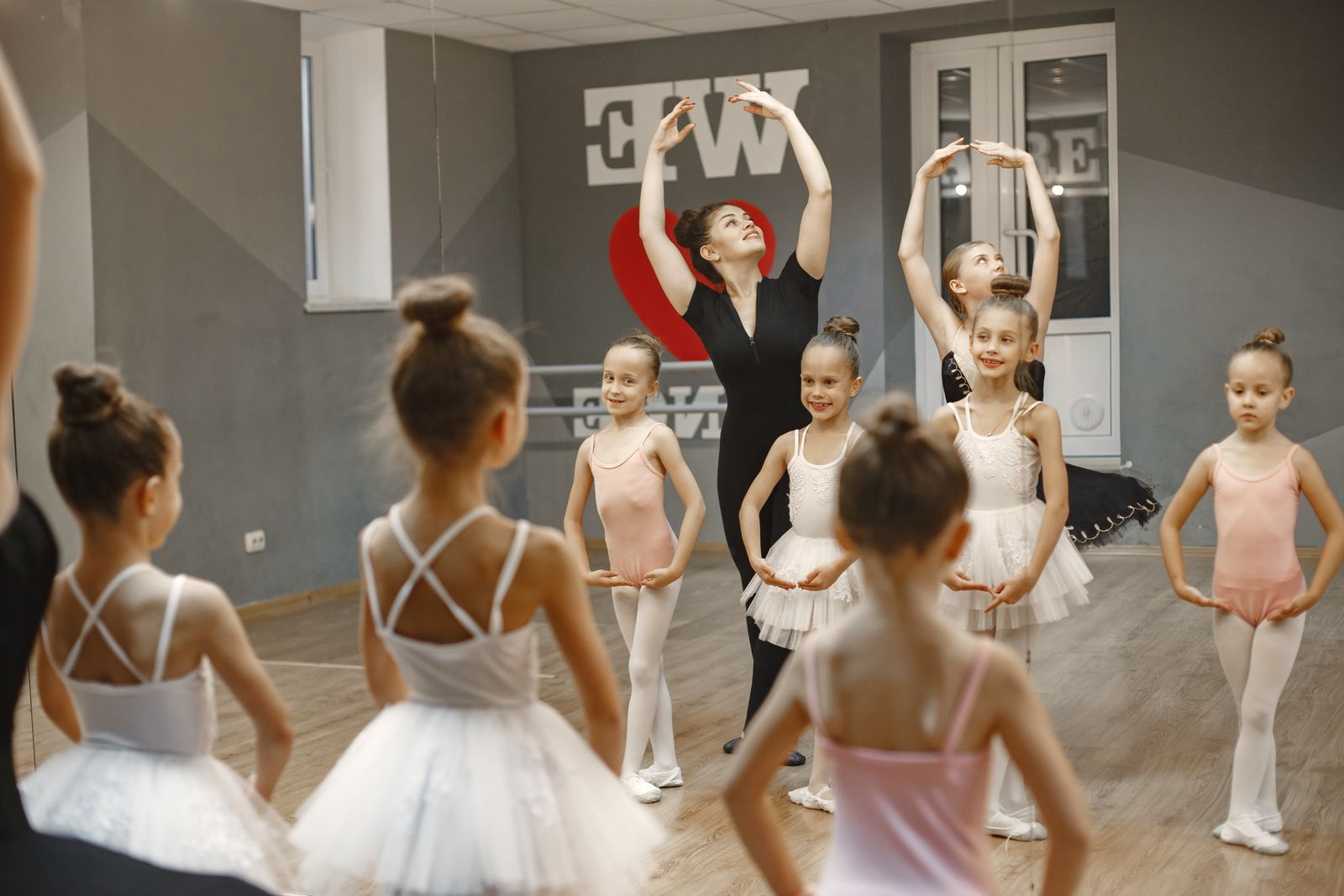
Zumba Kids classes are specifically structured around a non-competitive environment where children can express themselves through movement without being compared against peers on a scoreboard. As children learn new moves and master routines over successive classes, their confidence tends to grow visibly, and the group class format also builds social skills like teamwork, respect, and basic leadership through shared group activity.
How Classes Are Adapted for Age
Instructors trained specifically in youth-adapted Zumba use simplified choreography, shorter attention-span-appropriate segments, and music selections suited to a younger audience, distinct from the adult format covered in our guide to Zumba for beginners. This age-specific adaptation matters, since directly translating adult choreography and pacing to a children’s class would likely be both less effective and less engaging for younger participants.
What About Even Younger Children?
For children younger than the typical Zumba Kids age range, a separate program called Zumbini specifically targets toddlers and their caregivers together, built around bonding and early developmental milestones rather than fitness in the way older kids’ classes are structured. Our guide to Zumbini for toddlers covers exactly how this earlier-age program differs from Zumba Kids.
Zumba for Kids Quick Facts
- Recommended age range: Typically 4-12, with age-banded class formats
- Session length: Usually 30-45 minutes, shorter than adult classes
- Key benefits: Coordination, social skills, cardiovascular fitness, self-confidence
- Music and choreography: Simplified steps, kid-appropriate music
Questions People Ask About Zumba for Kids
What age is Zumba Kids designed for?
Zumba Kids programs are generally designed for school-age children, with instructors adapting choreography, pacing, and music specifically to suit this age group, distinct from the Zumbini program built for children under four.
How many calories does a child burn in a Zumba Kids class?
Roughly 300 to 400 calories per hour, comparable to about 50 minutes of cycling or 72 minutes of walking, based on available estimates for children’s activity levels during a typical class.
Does Zumba Kids help with more than just physical fitness?
Yes. Beyond physical benefits, the format supports cognitive skills like memory and focus, emotional regulation through mood-boosting movement, and social skills including teamwork and confidence building.
Do children need any dance experience to join a Zumba Kids class?
No, classes are specifically designed to be accessible to complete beginners, with simplified routines and a non-competitive structure that doesn’t require any prior dance background.
Is Zumba Kids safe for children with no fitness background?
Generally yes, since routines are specifically adapted to be age-appropriate and lower-intensity compared to adult classes, though any child with a specific medical condition should be evaluated by a pediatrician before starting a new activity.
Try This for Yourself
Getting kids moving early builds habits that carry into adulthood. Explore FitStrot’s Online Zumba Classes to find a format that fits your family.
Related reading: check out our guide to Zumbini for toddlers, explore Zumba’s health benefits, or head to Online Zumba Classes to get started.