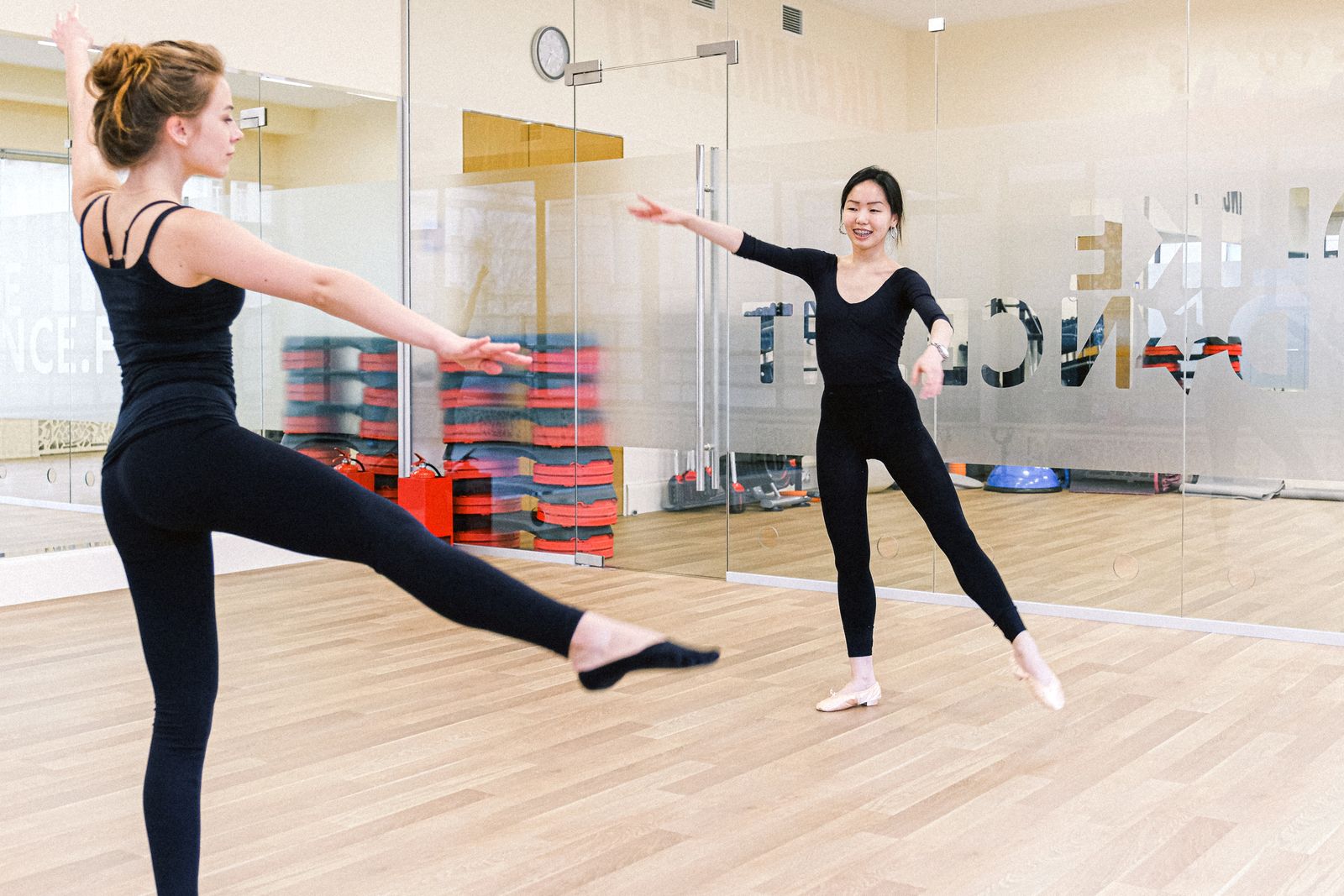
A handful of foundational steps show up across nearly every Zumba class, the merengue march, the basic salsa step, side steps, and knee lifts among them. Learning these core movements first, before worrying about combining them into full choreography, gives you a genuine head start on picking up whatever specific routine an instructor teaches, since most choreography is really just variations and combinations of these same building blocks.
Here’s how to perform each foundational step correctly, and how they combine into the rhythms you’ll encounter in class.
The Merengue March
The merengue march is one of the simplest movements in Zumba and a common starting point for beginners. Stand with your feet close together, bend your knees slightly, lift your right foot and place it back down, then lift your left foot and place it down, continuing to march in place with the music while letting your hips move naturally with each step. This step forms the backbone of merengue choreography and also works well as a general warm-up movement at the start of nearly any class.
The Basic Salsa Step
The basic salsa step introduces forward and backward movement into your footwork. Start with your feet together, step forward with your left foot and shift your body weight onto it, bring your left foot back to center, then step backward with your right foot, shift your weight onto it, and return your right foot to center. This back-and-forth pattern, done in time with the music, is the foundation nearly all salsa-based choreography builds from.
The Merengue Diamond Step
The diamond step adds a bit more complexity to basic merengue footwork, tracing a diamond shape with your feet as you step forward, out to the side, back, and to the other side, all while keeping your upper body relaxed and your hips moving naturally with the rhythm. It’s a common progression step once the basic march feels comfortable.
Side Steps
Side steps involve stepping laterally to one side, bringing the other foot to meet it, then repeating in the opposite direction. This movement appears constantly across nearly every rhythm in Zumba and is often one of the first steps taught in a beginner class specifically because of how frequently it recurs in more advanced choreography later.
Knee Lifts
Knee lifts involve raising one knee toward your hip while keeping your standing leg slightly bent for balance, then lowering it and repeating on the other side. This movement adds a cardio-intensifying element to choreography and commonly appears during higher-energy sections of a class, particularly in reggaeton-influenced segments.
Common Movement Vocabulary You’ll Hear in Class
Beyond named steps, instructors commonly use several movement terms worth knowing. A shimmy refers to a rapid side-to-side movement of the shoulders, often layered on top of footwork. A bounce is a springy movement typically in the legs or hips. A stomp is a forceful, deliberate step with your foot, often used for emphasis on a strong beat. Knowing this vocabulary in advance makes following live instruction considerably easier than encountering these terms for the first time mid-class.
How These Steps Combine Into Full Choreography
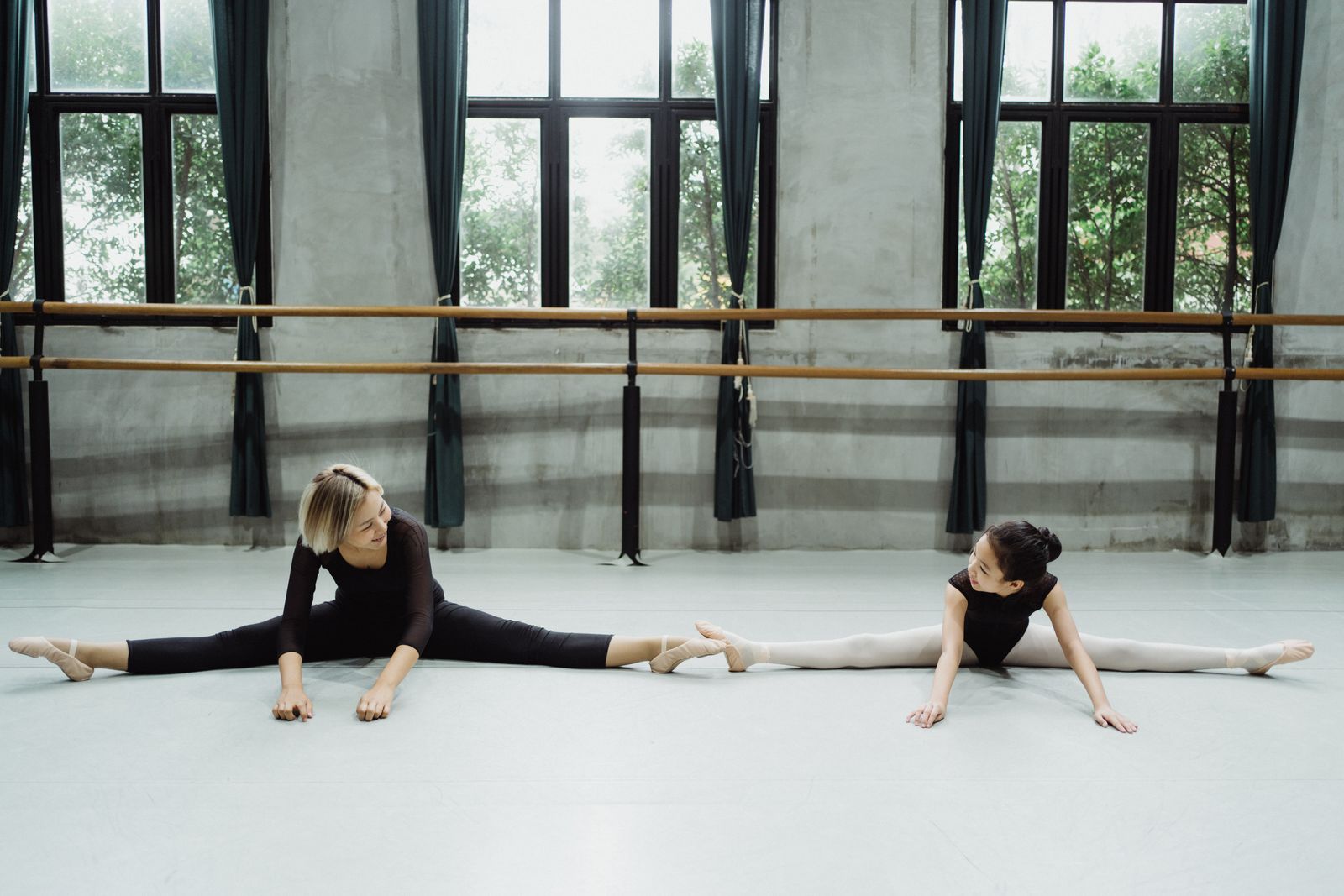
Full Zumba routines are typically built by layering and sequencing these foundational steps rather than introducing entirely new movements for every song. Our guide to Zumba dance moves covers additional movements and how instructors typically combine them into complete choreography sequences across a class.
Practicing These Steps as a Beginner
Practicing one step at a time against a single song, rather than trying to learn several new movements simultaneously, builds the muscle memory needed to execute these steps without conscious thought, which is exactly what allows you to eventually follow more complex, fast-moving choreography. Our guide to Zumba for beginners covers this practice approach in more detail.
Basic Zumba Steps Quick Reference
- Salsa basic: Side-to-side weight shift with hip movement
- Merengue march: Simple marching step with hip sway
- Reggaeton bounce: Knee bend with rhythmic bounce
- Cumbia shuffle: Side shuffle with a slight drag step
Frequently Asked Questions About Basic Zumba Steps
What is the easiest Zumba step to learn first?
The merengue march is generally considered the simplest foundational step, involving basic marching in place with natural hip movement, making it a common starting point for complete beginners.
Do I need to learn arm movements along with these basic steps?
Not immediately. Beginners generally benefit from mastering footwork first and adding arm movements once the steps themselves feel comfortable and require less conscious thought.
How many basic Zumba steps are there?
There isn’t a single fixed number, but a core set including the merengue march, basic salsa step, diamond step, side steps, and knee lifts covers the foundational movements that most choreography builds from.
How long does it take to learn basic Zumba steps?
Individual steps often feel comfortable within a few practice sessions, though combining multiple steps into flowing, natural-feeling choreography typically takes several weeks of consistent practice.
Can I practice these basic steps at home before joining a class?
Yes, practicing foundational steps like the merengue march and basic salsa step at home, one at a time against a single song, builds a genuinely useful head start before attending a live studio class.
Ready to Put These Steps Into Practice?
Learning the foundations is the fastest path to feeling confident in any class. Explore FitStrot’s Online Zumba Classes and start practicing today.
Want to build on these foundations? Check out our guide to Zumba dance moves, explore Zumba for beginners, or head to Online Zumba Classes to get started.