Zumba requires no special gym equipment, which means a beginner can genuinely start in their own living room right now. Clear a small area where you can move freely in all directions, wear comfortable athletic shoes even at home to protect your joints, and pick one song at a time to practice just two or three basic steps, repeating that pattern until it feels natural before adding more complexity.
Here’s exactly how to set up your space, find the right learning resources, and structure your first at-home sessions as a complete beginner.
Setting Up Your Space
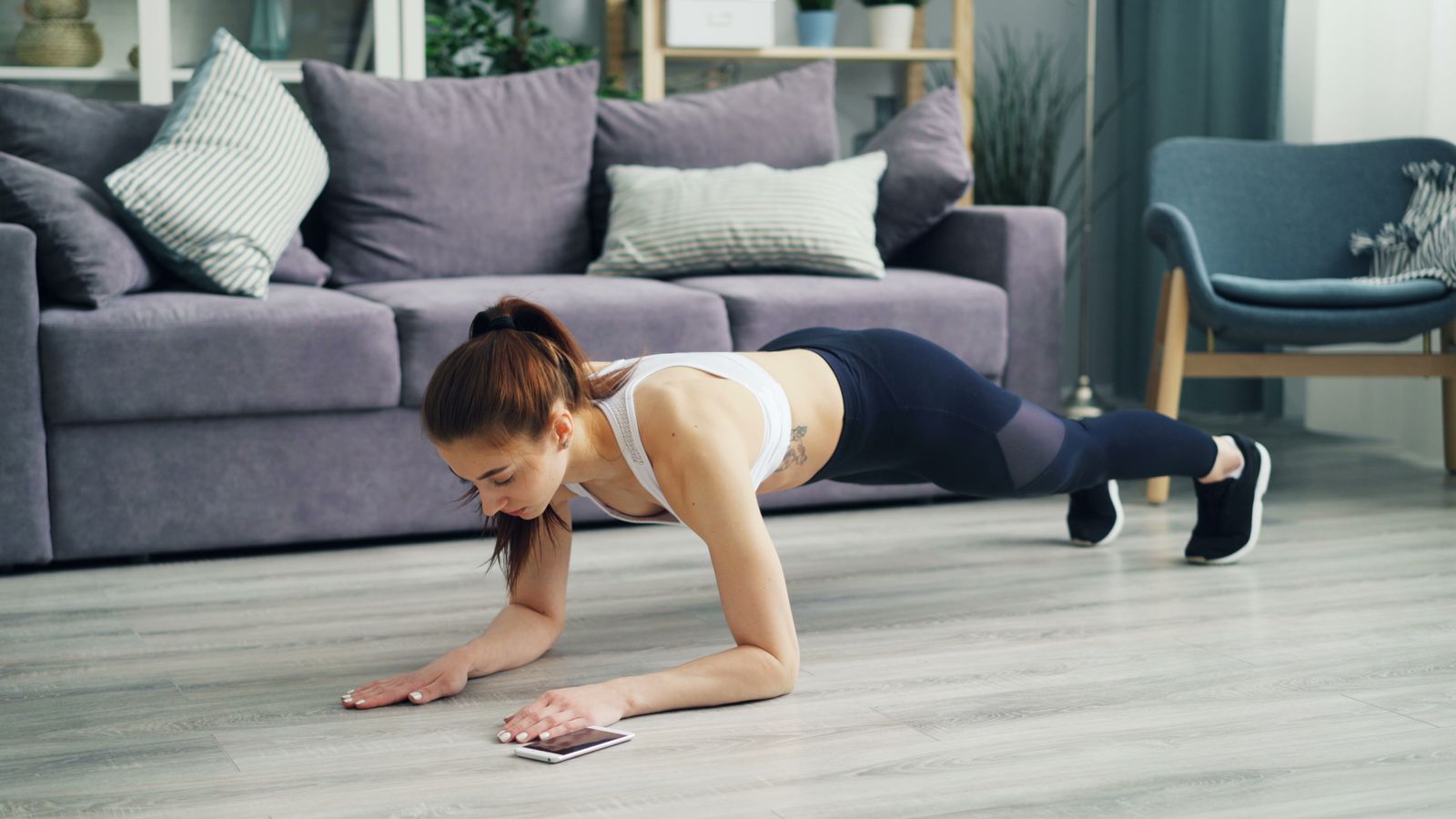
A clear floor space large enough to take a few steps in each direction and move your arms freely reduces trip hazards and makes side steps, turns, and arm movements considerably easier to execute safely. A non-slip surface underfoot matters too, since Zumba’s quick direction changes can be risky on an overly slippery floor. Comfortable athletic shoes designed for lateral movement, rather than bare feet or slippers, protect your joints even in the controlled environment of your own home.
Finding the Right Learning Resources
Video tutorials specifically designed for basic steps give beginners a structured starting point rather than trying to improvise choreography from scratch. Being able to stop, rewind, and repeat sections of a video as many times as needed, an advantage home practice has over a live studio class where the instructor keeps moving regardless of individual pace, makes learning genuinely easier for many beginners.
How to Practice Steps Without Feeling Overwhelmed
Pick one song and practice only two or three steps for the entire track, rather than attempting to learn full choreography immediately. For example, use the first verse to practice march steps, the chorus for side steps, and the bridge for knee lifts. Repeating the same simple pattern across a full song builds muscle memory considerably faster than jumping between many different, unfamiliar movements in quick succession. Our guide to basic Zumba steps covers the specific foundational movements worth practicing this way first.
Warming Up Properly, Even at Home
A 5 to 10 minute warm-up before the main workout matters just as much at home as it does in a studio class. Dynamic stretches combined with light cardio, marching in place or gentle side steps, increase blood flow and prepare your joints and muscles for more demanding movement, reducing injury risk considerably compared to jumping straight into full-intensity choreography cold.
Building Toward a Full At-Home Routine
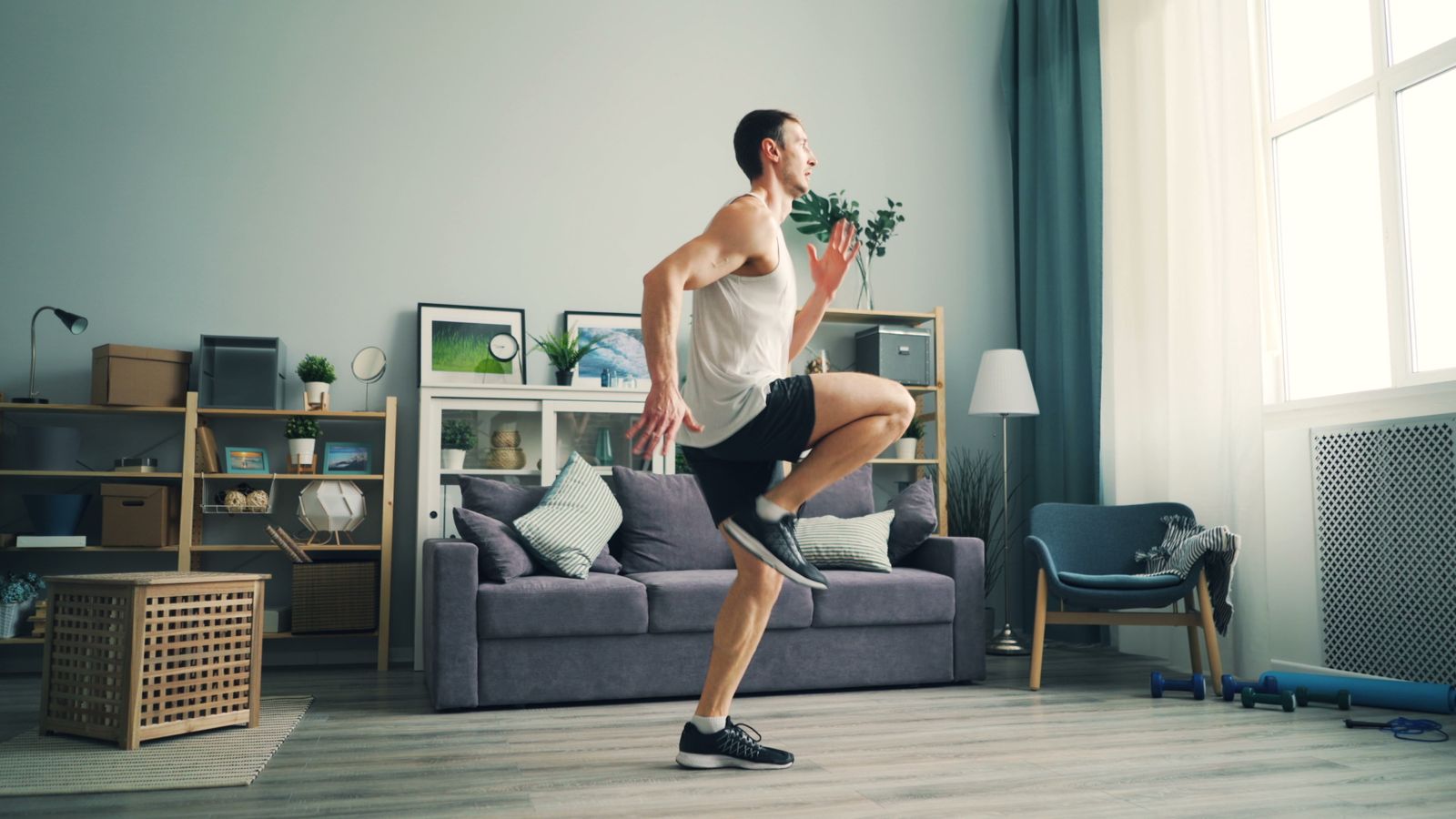
Once individual steps feel comfortable, following a complete beginner-level video routine, rather than continuing to isolate single steps indefinitely, helps build the coordination needed to string movements together the way a real class actually flows. Our guide to how to do Zumba at home covers structuring a complete session once you’re past this initial step-learning phase.
When to Consider Moving to a Studio Class
Home practice is a genuinely valid, complete way to do Zumba long-term, not just a stepping stone, but some beginners find that once basic steps feel comfortable, a studio class adds group energy and instructor feedback that’s harder to replicate alone. There’s no requirement to make this transition, choosing based on personal preference and what actually keeps you consistent matters more than following any particular progression.
Zumba at Home Quick Facts
| Need | Details |
|---|---|
| Space required | Roughly 6×6 ft clear floor area |
| Equipment | None required, supportive shoes recommended |
| Video sources | YouTube, official Zumba app, streaming platforms |
| Session length | 20-45 minutes depending on video chosen |
Frequently Asked Questions About Zumba at Home for Beginners
Do I need any equipment to start Zumba at home?
No. A clear floor space and comfortable athletic shoes designed for lateral movement are the only real requirements, no weights, bands, or machines are needed to get started.
How do I learn Zumba steps without a live instructor?
Video tutorials specifically designed for beginners provide structured guidance, and being able to pause, rewind, and repeat sections as needed makes learning individual steps considerably more manageable than a live class where pace is fixed.
How much space do I need for Zumba at home?
Enough clear floor space to take a few steps in each direction and move your arms without hitting furniture is generally sufficient, no need for a large dedicated room.
Should I warm up before doing Zumba at home?
Yes, a 5 to 10 minute warm-up matters just as much at home as in a studio setting, preparing your joints and muscles for movement and reducing injury risk.
Is at-home Zumba as effective as a studio class for beginners?
Yes, particularly for learning basic steps at your own pace. Both settings can deliver genuine fitness benefit; the better choice depends on personal preference and which environment helps you stay consistent.
Ready to Start Practicing at Home?
You have everything you need to begin right where you are. Explore FitStrot’s Online Zumba Classes and start your first session today.
Want more foundational guidance first? Check out our guide to basic Zumba steps, explore how to do Zumba at home, or head to Online Zumba Classes to get started.