No, standard Zumba does not build significant muscle mass, though it does build genuine muscular endurance and mild tone. Building muscle size, known as hypertrophy, requires progressive overload, gradually increasing resistance against your muscles over time, and standard Zumba choreography relies on bodyweight movement without that progressive resistance component. What it does deliver is real endurance and toning benefit through repeated squats, lunges, and core engagement across a class.
Here’s the physiological reason why hypertrophy needs more than Zumba provides, which muscles get the most functional benefit anyway, and how to close the gap if muscle growth is your goal.
Why Building Muscle Requires Progressive Overload
Muscle hypertrophy happens when muscle fibers experience mechanical tension and stress beyond what they’re accustomed to, prompting the body to repair and rebuild those fibers larger and stronger over time. This process depends on progressively increasing the resistance or load placed on a muscle, adding more weight, more reps, or more resistance as the muscle adapts. Standard Zumba choreography uses your own bodyweight as resistance, and that resistance level stays essentially constant class to class, which is precisely why it doesn’t create the escalating stimulus hypertrophy requires.
What Zumba Does Build Instead
Confirmed benefits include real gains in muscular endurance, the capacity for muscles to perform repeated contractions over time without fatiguing, in the legs, glutes, and core especially, from the squats, lunges, and hip movements built into most choreography. This translates into a leaner, more defined look over consistent practice, since the muscles are engaging repeatedly and burning through the fat layer above them, but this is fundamentally different from a measurable increase in muscle cross-sectional area, which is what defines true muscle building.
How Zumba Toning and Zumba Step Close Some of the Gap
Zumba Toning specifically adds lightweight resistance sticks to standard choreography, and Zumba Step incorporates a raised platform that increases the demand on your legs and glutes with each step-up. Both formats push meaningfully closer to genuine strength-building territory than standard bodyweight Zumba, since they introduce an added resistance element that standard classes lack, though the load used is still considerably lighter than what a structured resistance program would apply.
Combining Zumba With Dedicated Strength Training
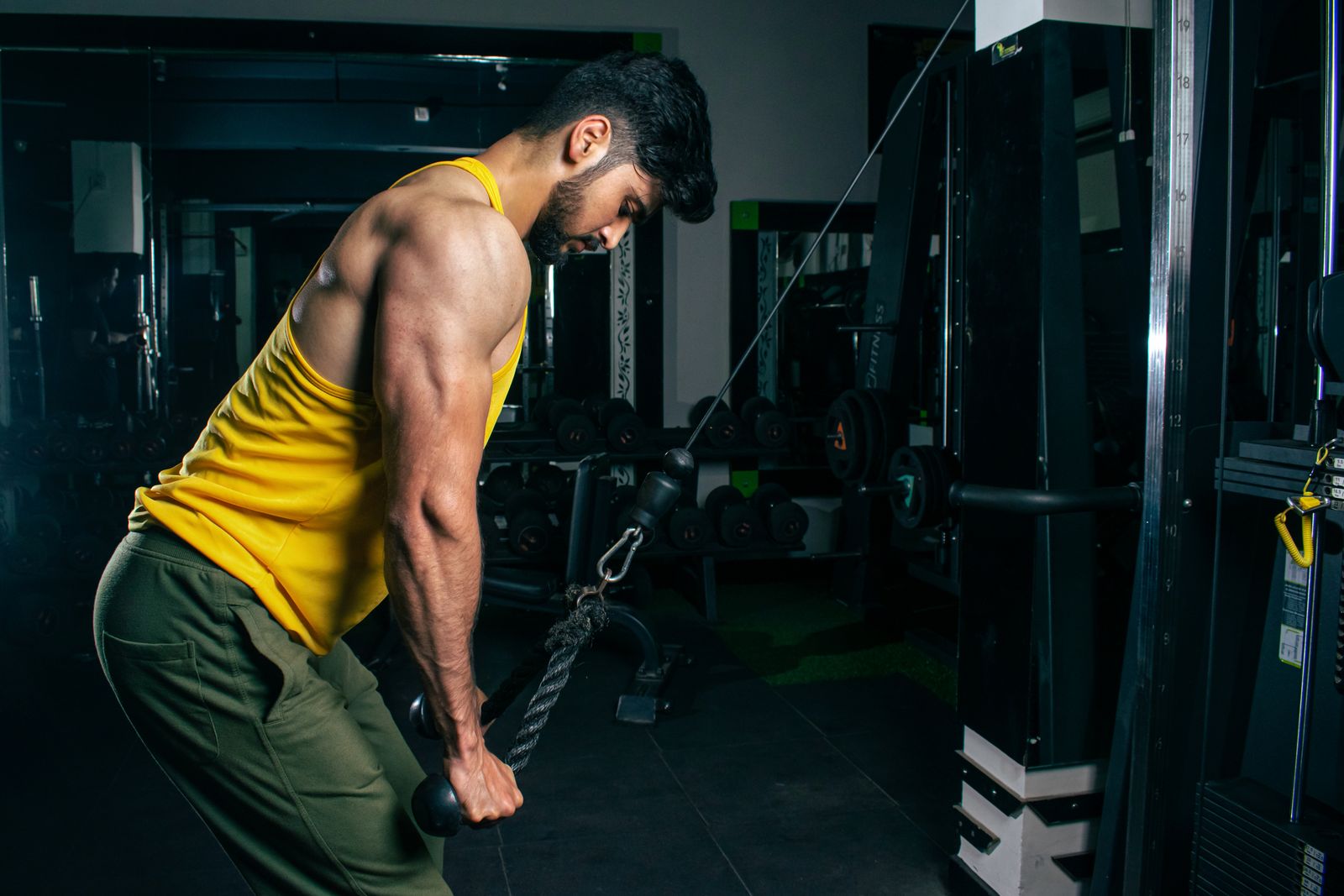
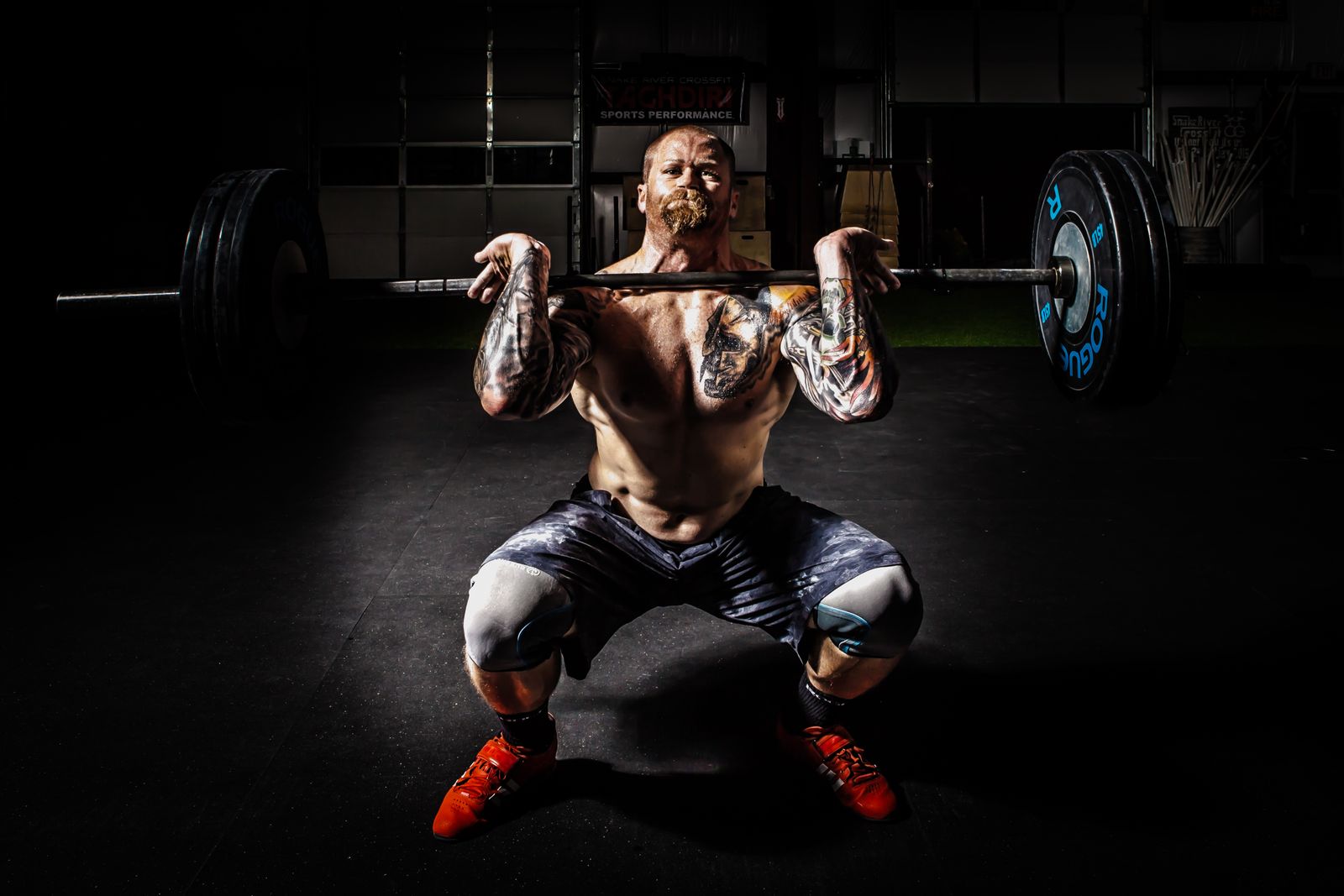
For anyone specifically wanting to build muscle mass, pairing Zumba with a dedicated strength training program addresses the progressive overload component that Zumba alone doesn’t provide. Our guide to Zumba and strength training covers exactly how to structure a week combining both without overtraining or shortchanging either goal.
What This Means for Your Fitness Goals
If your priority is cardiovascular fitness, calorie burn, coordination, and mild toning, Zumba alone delivers genuinely strong results without needing anything added. If a specific goal is visible muscle growth or maximal strength, standard Zumba works best as a complementary activity supporting a resistance program, not a substitute for one. This distinction matters more than it might seem, since expecting significant muscle growth from Zumba alone sets up an unrealistic benchmark against what the format is actually designed to deliver.
Does Zumba Build Muscle: Quick Facts
- Primary effect: Muscular endurance and toning, not significant hypertrophy
- Muscles most engaged: Legs, glutes, core, and to a lesser extent, arms
- To add real strength: Pair with Zumba Toning, STRONG by Zumba, or separate resistance training
- Best comparison: More similar to cardio-dance conditioning than a strength program
Looking to pair Zumba with something more strength-focused? Our guide to Zumba and strength training covers exactly how to combine the two without overtraining.
Frequently Asked Questions About Zumba and Muscle Building
Can Zumba alone give me visible muscle definition?
It can contribute to a leaner, more defined look through muscular endurance gains and calorie burn reducing fat covering the muscle, but this differs from an actual increase in muscle size, which requires progressive resistance overload that standard Zumba doesn’t provide.
What’s the difference between Zumba and weightlifting for muscle?
Weightlifting uses progressively increasing external resistance specifically designed to trigger hypertrophy, measurable muscle growth. Zumba uses relatively constant bodyweight resistance through dance movement, building endurance and tone rather than significant size increase.
Does Zumba Toning build more muscle than regular Zumba?
Yes, to a degree. The added lightweight resistance sticks increase the muscular demand on your arms and legs beyond bodyweight alone, pushing it somewhat closer to genuine strength-building territory, though still lighter than a dedicated resistance program.
Should I lift weights in addition to doing Zumba?
If building muscle mass or maximal strength is a specific goal, yes, adding dedicated strength training two to three times weekly addresses what Zumba’s cardio-focused, bodyweight structure doesn’t fully provide on its own.
Which muscles does Zumba work hardest?
The core, legs, and glutes see the most consistent engagement, through hip movements, torso rotations, squats, and lunges built into most standard choreography, with arms and shoulders receiving comparatively lighter secondary engagement.
Ready to Build a More Complete Routine?
Zumba gives you genuine endurance and tone, and the right additions can take it further. Explore FitStrot’s Online Zumba Classes to start building that foundation.
Curious how toning actually works? Check out our guide to does Zumba tone your body, explore Zumba and strength training, or head to Online Zumba Classes to get started.