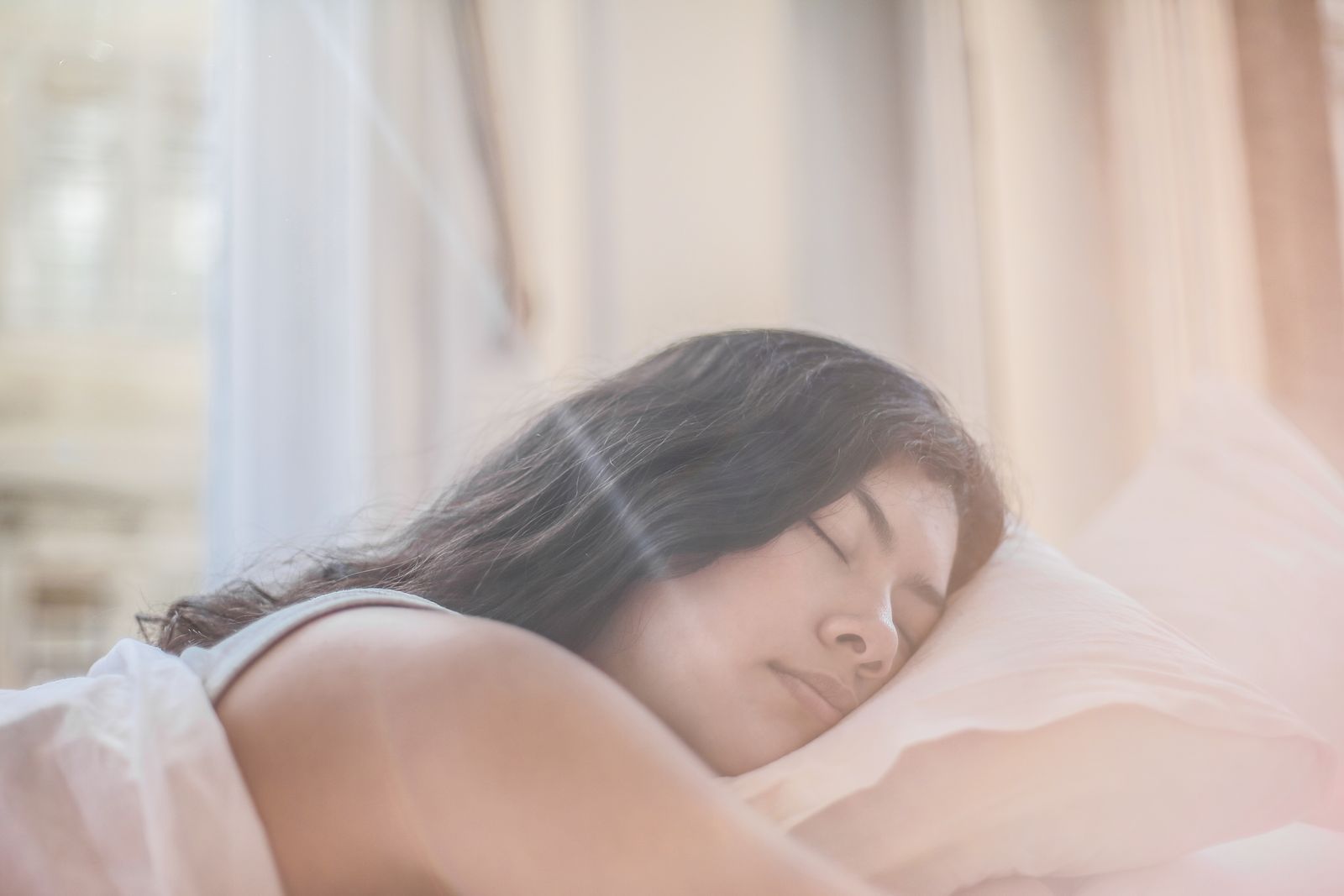
Yes, regular Zumba practice is linked to measurably better sleep quality. A study tracking three months of Zumba participation in women found improved sleep quality over that period. A separate, larger intervention study comparing a Zumba group to a control group found a reduced frequency of poor and restless sleep, along with a tendency toward fewer problems falling asleep. The mechanism makes sense physiologically: regular aerobic exercise helps regulate your circadian rhythm, reduces anxiety that interferes with sleep onset, and creates the kind of physical tiredness that supports deeper sleep cycles.
Timing matters more than most people realize, though. Here’s what the research found, how the exercise-sleep mechanism actually works, and when to schedule your Zumba sessions so they help your sleep instead of disrupting it.
What the Research Actually Found
A study specifically measuring the effect of Zumba on sleep quality in young adult women found improvement after three months of consistent participation. This lines up with a broader pattern in exercise-and-sleep research: studies generally find that people exercising at least three times a week fall asleep faster and report better overall sleep quality than sedentary comparison groups.
A larger study looked at Zumba training in female hospital staff, tracking outcomes at 12 and 40 weeks. Compared to a control group, participants in the Zumba program showed improved self-reported health status and a reduced frequency of poor and restless sleep, along with a trend toward fewer problems falling asleep. Hospital staff are a particularly relevant population for this kind of research, since shift work and high-stress environments are already known to disrupt sleep independent of any exercise intervention, which makes an improvement in that specific group a meaningful signal.
Worth noting honestly: most of the specific Zumba-and-sleep research uses self-reported sleep quality measures rather than objective tools like sleep-lab polysomnography or wearable sleep tracking. Self-report is a legitimate and widely used research method, but it captures perceived sleep quality rather than a lab-measured metric like sleep architecture or time spent in deep sleep stages. The direction of the finding, better perceived sleep with regular Zumba practice, is consistent and well supported. The precise mechanism at the level of sleep stages is less directly measured in the Zumba-specific studies compared to the broader exercise-and-sleep literature.
How Exercise Actually Improves Sleep
Three mechanisms are generally understood to drive the exercise-sleep connection, and Zumba engages all three.
Circadian rhythm regulation is the first. Regular activity, especially when done at a consistent time of day, helps anchor your internal body clock, making sleep onset more predictable and consistent.
Anxiety reduction is the second. Exercise-driven endorphin release and stress reduction address one of the most common causes of poor sleep onset, a racing or anxious mind at bedtime. This connects directly to the mechanisms covered in our Zumba for stress relief guide, since the same mood and neurotransmitter benefits that reduce daytime stress also make it easier to wind down at night.
Physical fatigue is the third, and the most intuitive. A genuinely tiring workout creates a physiological pressure for deeper, more restorative sleep, provided it’s timed with enough of a gap before bed for your nervous system to downshift.
Why Timing Can Make or Break the Sleep Benefit
This is the part most articles gloss over. Zumba is a vigorous, often high-intensity activity, and vigorous exercise raises core body temperature and stimulates the sympathetic nervous system, the “activation” side of your nervous system rather than the “rest and digest” side sleep depends on.
For most people, that activation fades within a few hours, so morning or afternoon classes have no negative impact on nighttime sleep and often help it through the mechanisms described above. Late-evening high-intensity classes, particularly ones ending within one to two hours of bedtime, are more likely to leave some people too physiologically activated to fall asleep easily, even though the same workout would have supported sleep if done earlier in the day.
This varies by individual. Some people can do an intense evening class and fall asleep without issue. Others find it clearly interferes. If you’re doing evening Zumba and struggling with sleep onset, shifting the session earlier is a reasonable first experiment before concluding that Zumba itself is the problem.
Recovery Matters As Much As the Workout Itself
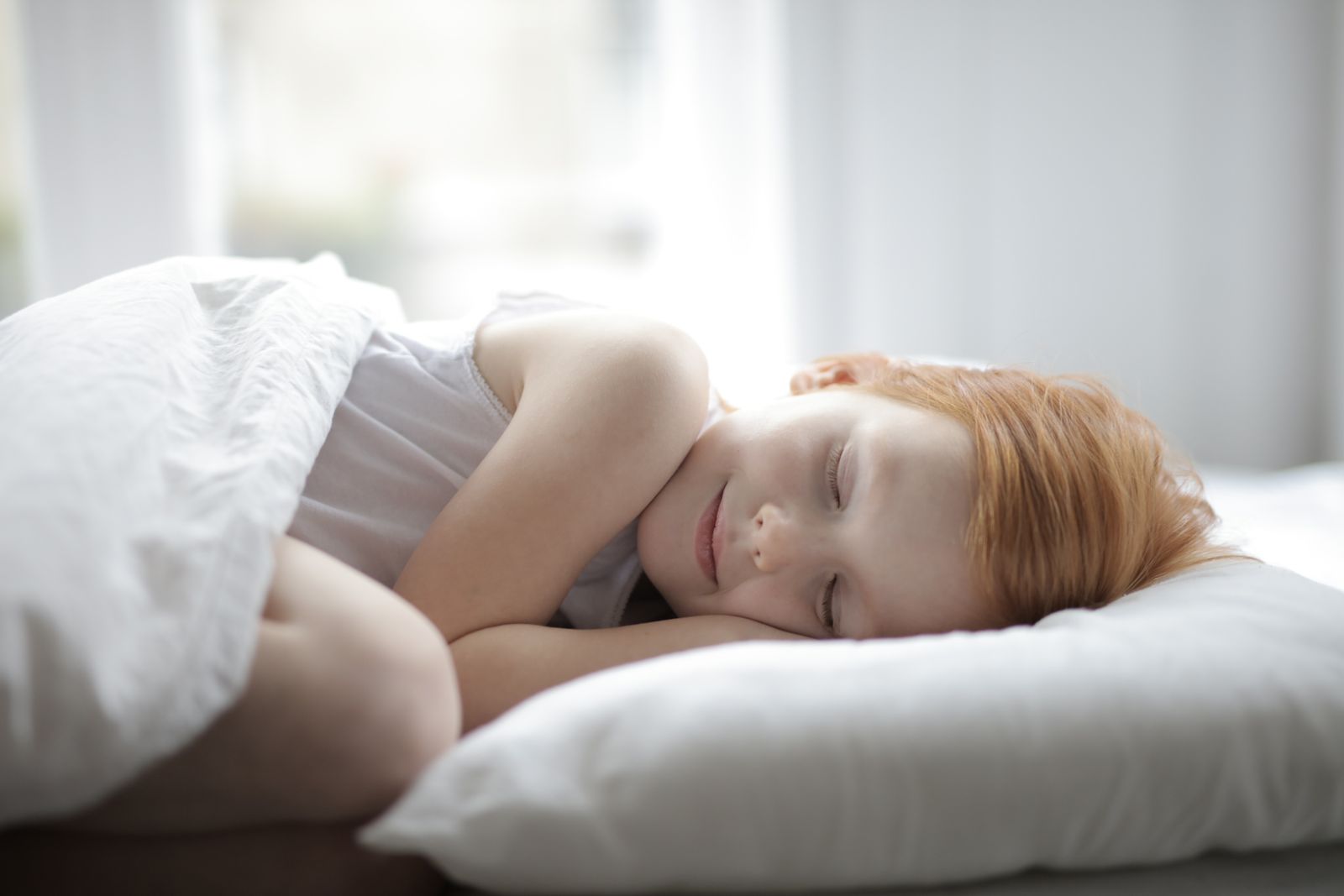
Sleep quality and recovery are closely linked, and pushing hard in Zumba without adequate rest days can work against the sleep benefits described here rather than support them. Overtraining is a real phenomenon that disrupts sleep through elevated stress hormones and nervous system fatigue, essentially working against the mechanism you’re trying to use exercise to support. Our guide to recovery and rest days for Zumba covers how to structure your weekly schedule so you get the sleep benefit without tipping into overtraining territory.
How to Structure Zumba for Better Sleep
Schedule high-intensity sessions for morning or early afternoon when sleep is a priority, reserving evening slots for lower-intensity formats if you notice any wind-down difficulty.
Aim for at least three sessions weekly, matching the frequency used in the research showing measurable sleep improvement, rather than sporadic single sessions.
Build in a buffer of at least two to three hours between an intense evening class and bedtime, giving your body temperature and nervous system time to downshift naturally.
Keep a consistent weekly schedule where possible. The circadian-regulation benefit of exercise depends partly on consistency and predictability, not just total weekly activity volume.
Track your own sleep for a few weeks after starting or adjusting your Zumba schedule. Individual response varies enough that your own data is more useful than a general rule once you’ve identified your pattern.
What a Sleep-Friendly Weekly Schedule Looks Like
A practical template based on the mechanisms above: three Zumba sessions weekly, ideally morning or early afternoon, spaced with at least one rest day between back-to-back intense sessions. If your only available slot is evening, aim to finish at least two to three hours before your target bedtime, and consider a lower-intensity format like Zumba Gold for that specific slot rather than a high-impact class. Pair this with a consistent wake time, even on non-class days, since circadian regulation depends more on consistency than on any single workout.
Other Sleep Habits That Compound With Zumba
Exercise is one lever among several, and it works best alongside the others rather than as a standalone fix. Limiting caffeine after early afternoon prevents it from competing with the sleep-supporting effects of your workout. Keeping a consistent bedtime, even on weekends, reinforces the same circadian mechanism that regular exercise supports. Reducing screen exposure in the hour before bed addresses a separate sleep disruptor, blue light suppressing melatonin production, that no amount of daytime exercise directly counteracts. None of these replace the exercise benefit, they protect it from being undermined by other habits working in the opposite direction.
Zumba and Sleep: Quick Facts
- Mechanism: Regular aerobic exercise improves sleep quality and duration
- Best timing: Avoid intense sessions within 2-3 hours of bedtime
- Stress connection: Lower cortisol from exercise supports easier sleep onset
- Consistency matters: Regular sessions produce more reliable sleep benefits than sporadic ones
Frequently Asked Questions About Zumba and Sleep
Does Zumba really improve sleep quality?
Research supports this. A study on young adult women found improved sleep quality after three months of regular Zumba participation, and a separate study on hospital staff found reduced frequency of poor and restless sleep in a Zumba group compared to controls over 12 and 40 weeks.
Is it bad to do Zumba right before bed?
For many people, yes. High-intensity exercise raises body temperature and activates your sympathetic nervous system, which can make falling asleep harder if the class ends within one to two hours of bedtime. Response varies by individual, so this is worth testing against your own sleep if you currently do evening classes.
How many Zumba classes a week improve sleep?
The research showing measurable sleep improvement generally used at least three sessions per week. Occasional single sessions are less likely to produce the same consistent effect, since circadian regulation benefits from regular, predictable activity.
Can Zumba help with insomnia?
Regular aerobic exercise, including Zumba, is associated with improved sleep quality and reduced sleep problems in research populations, which may help mild sleep difficulties. Diagnosed insomnia is a clinical condition that should be evaluated by a doctor, since exercise is a supportive habit rather than a treatment for a diagnosed sleep disorder.
How long does it take for Zumba to start improving sleep?
The specific study measuring this used a three-month timeframe to detect improved sleep quality. Some people notice easier sleep onset within the first few weeks due to stress and mood benefits, while the more consistent, measurable sleep-quality improvement builds over a longer, sustained practice period.
Does Zumba Gold affect sleep differently than standard Zumba?
The lower-impact nature of Zumba Gold means less late-session physiological activation, which can make it a better fit for evening slots specifically because it’s less likely to leave you too wound up to fall asleep quickly. The underlying sleep-supporting mechanisms, circadian regulation and stress reduction, apply to both formats, so the choice mainly comes down to timing and personal tolerance for evening intensity.
Ready to Sleep Better?
Better sleep from Zumba comes from consistent practice and smart timing, not from reading about the research. Explore FitStrot’s Online Zumba Classes and find a class schedule that works with your sleep routine rather than against it.
Want the complete picture of what Zumba does for your body? Read our full breakdown of Zumba’s health benefits, or explore Online Zumba Classes to get started today.