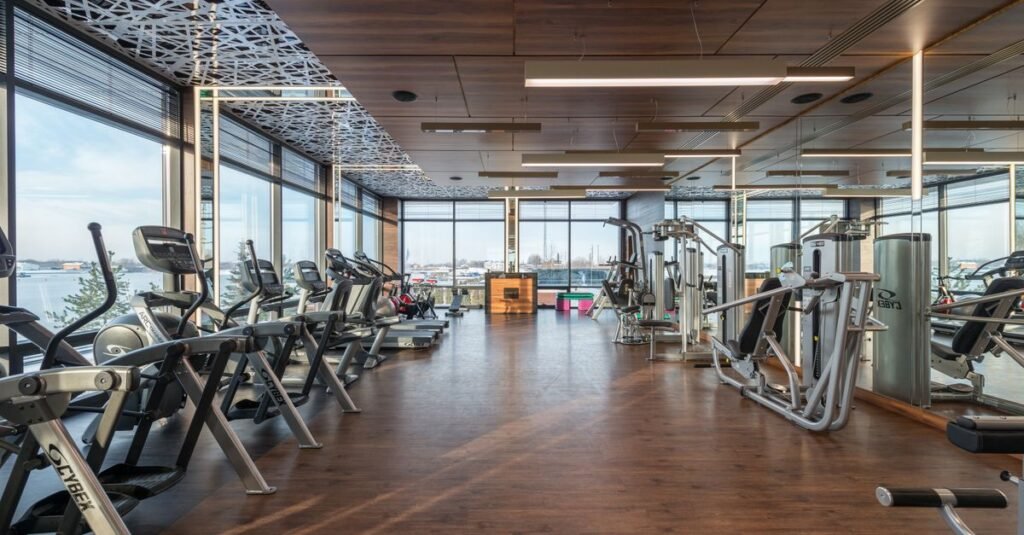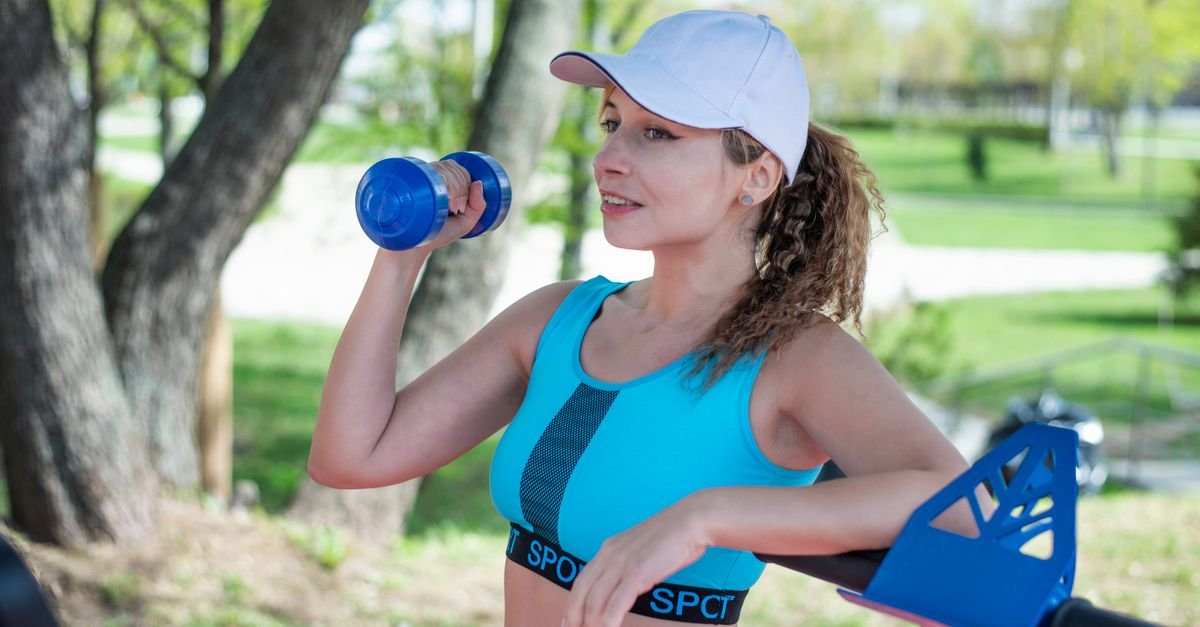
An effective female weight loss workout plan combines 3-4 strength training sessions weekly with compound movements, 2-3 cardio sessions, and adequate recovery — strength training deserves particular emphasis, since women have historically been steered toward cardio-only routines despite strength training being equally, if not more, effective for muscle preservation, metabolic support, and the toned appearance many women want alongside weight loss.
I’m Yash Pathak, founder and lead trainer at FitStrot. This plan corrects a common imbalance in workout advice aimed at women — too much cardio, not enough strength training — which tends to produce slower, less satisfying results.
Why Strength Training Deserves Equal or Greater Priority
A persistent myth suggests women should focus primarily on cardio and light weights to avoid “bulking up.” In reality, building significant muscle mass requires a specific, deliberate training and nutrition approach that most people (regardless of gender) aren’t accidentally achieving through a standard strength routine. For women pursuing weight loss, strength training builds and preserves muscle (supporting metabolic rate), creates the toned, defined appearance often desired alongside weight loss, and improves bone density — a genuinely important consideration given women’s higher risk of bone density loss with age.
A Sample Weekly Structure
Day 1: Full-body strength. Squats, push-ups or bench press, rows, and core work — compound movements that engage multiple muscle groups efficiently.
Day 2: Cardio (moderate intensity). 30-40 minutes of brisk walking, cycling, or the elliptical.
Day 3: Lower body and glute-focused strength. Squats, lunges, hip thrusts, glute bridges — an area many women want to specifically strengthen and tone.
Day 4: Rest or active recovery. Light walking or gentle yoga.
Day 5: Upper body and core strength. Shoulder press, rows, planks, and other core work.
Day 6: Cardio or a mixed session. Interval training or a longer moderate-paced session.
Day 7: Rest.
Exercise Selection for This Plan
Compound movements first. Squats, deadlifts, lunges, presses, and rows engage multiple muscle groups, providing more efficient strength building and calorie burn than isolation exercises alone.
Progressive resistance. Using weights heavy enough that the last few reps of each set feel genuinely challenging (typically 8-12 reps per set) builds strength more effectively than very light weights with high reps, which is a common but less effective pattern in workout routines aimed at women.
Core work integrated throughout, rather than treated as a separate afterthought — planks, dead bugs, and rotational movements support overall strength and the toned midsection many women specifically want.
Addressing Common Concerns
“Will lifting weights make me bulky?” Significant muscle bulk requires a sustained calorie surplus and specific, deliberate training focus — a standard strength training routine within a calorie deficit (as is typical for weight loss) will build strength and tone, not significant bulk, for the vast majority of women.
“Should I train differently around my menstrual cycle?” Some women find energy and performance vary across their cycle; adjusting intensity slightly (allowing for a lighter session during particularly low-energy days) rather than forcing the same intensity every day tends to support better long-term consistency.
Combining This Plan With Diet
This training structure works best paired with adequate protein (1.4-1.8g per kg body weight) to support muscle repair and growth, alongside a moderate calorie deficit through diet. Our weight loss diet plan for women and high protein diet for weight loss guides cover this combined dietary approach in more depth.
Progressing the Plan Over Time
As strength improves, gradually increasing weight, reps, or exercise complexity keeps the routine challenging and effective — a plan that never progresses eventually plateaus in results, regardless of how well-designed the starting structure was. Reassessing every 4-6 weeks and adjusting accordingly tends to produce continued progress rather than a stall after the first month or two.
Why a Personalized Plan Outperforms a Generic Template
Your specific starting fitness level, any injuries or limitations, and your particular goals (more emphasis on certain muscle groups, for example) all affect what workout structure will actually work best. An online weight loss trainer builds this plan around your specific situation and adjusts it as your strength and results progress.
Adjusting the Plan Across a Woman’s Training Cycle
Energy and strength often fluctuate across the menstrual cycle — many women find they can push harder in the follicular phase (after your period) and may benefit from slightly reduced training intensity during the luteal phase or period itself, when fatigue and joint laxity can be higher. Building this flexibility into a workout plan, rather than forcing identical intensity every single week regardless of how you’re feeling, tends to produce better long-term consistency and fewer injuries than a rigid schedule that ignores this natural cyclical variation.
Building the Plan Around a Home Setup: What Actually Works Without a Gym
A lot of the women I coach, especially those managing a home and a job, simply can’t get to a gym four times a week, and I don’t think that should mean giving up on a structured strength-focused plan. The core principle stays identical — prioritise resistance training — but the tools change. A set of adjustable dumbbells, or even a couple of fixed pairs at different weights, plus a resistance band or two, covers the large majority of exercises a gym-based plan would otherwise use.
Squats, lunges, glute bridges, and step-ups (using a stable chair or a low stool) cover the lower body effectively with just bodyweight or added dumbbells. For the upper body, dumbbell rows, floor presses instead of a bench press, overhead presses, and resistance band pull-aparts for the back cover pushing and pulling patterns reasonably well. The core work — planks, dead bugs, bird dogs — needs no equipment at all and works identically at home or in a gym.
The place a home setup genuinely falls short is heavy lower-body loading over the long term, since dumbbells eventually become too light to keep progressively overloading squats and deadlift variations the way a barbell would. For the first six to nine months, this rarely matters — most women starting a structured program have plenty of room to progress with dumbbells and bodyweight alone. Beyond that point, if continued strength progress plateaus specifically because the equipment has become the limiting factor rather than your effort, that’s the point where either adding heavier equipment at home or getting occasional gym access becomes worth considering.
Recovery, Soreness, and Knowing When to Push Versus Rest
Soreness in the first few weeks of any new training plan is normal and expected — it’s your muscles adapting to a stimulus they haven’t handled before, and it typically peaks around 24 to 48 hours after a session and fades within three to four days. What confuses a lot of women new to strength training is not knowing whether soreness means “train through it” or “skip the next session,” and the honest answer depends on the type and location of the discomfort.
General muscle soreness — a dull, achy feeling in the muscle belly itself, like your quads or glutes after a leg day — is safe to train through, often with light movement or the same muscle group at reduced intensity actually helping you recover faster than complete rest would. What isn’t safe to push through is sharp pain localised to a joint, a specific tendon, or pain that gets worse rather than better with light movement, since this usually signals something closer to an injury than normal adaptive soreness.
The other recovery factor that matters more for women specifically is how the menstrual cycle affects perceived effort and actual performance. Many women find strength and energy peak in the days right after their period and dip somewhat in the days just before it, alongside possible cramping or fatigue. Rather than forcing an identical intensity every week regardless of how you’re feeling, it’s entirely reasonable to plan slightly lighter sessions — reduced weight or fewer sets — during the days you typically feel low energy, and to make the most of the higher-energy window for your more demanding sessions. This isn’t a sign of inconsistency; it’s working with your body’s actual patterns rather than against them, and over months it tends to produce better adherence than rigidly identical sessions every single week.
Group Classes, Personal Training, or Self-Guided: Which Format Actually Suits You
I get asked fairly often whether a woman should join a Zumba or dance-based group class, hire a personal trainer for one-on-one sessions, or just follow a written plan on her own, and the honest answer is that the right format has less to do with which burns more calories and more to do with which one you’ll actually show up for consistently over three or four months. All three can produce real results. What derails people isn’t picking the wrong format in theory, it’s picking a format that doesn’t match their personality, budget, or schedule, and then quietly dropping off after three weeks.
Group classes work well for women who are motivated by social energy and a fixed schedule that creates accountability, since it’s harder to skip a 7 am class when you know two or three regular faces will notice you’re not there. The trade-off is that classes like Zumba, aerobics, or dance fitness are typically cardio-dominant with limited structured strength work, and the instructor can’t give you individual form correction the way a trainer can when the class has fifteen or twenty people in it. If you go this route for weight loss, I’d still recommend adding two sessions a week of dedicated strength training on your own or with a trainer, since group cardio classes alone rarely build enough muscle to meaningfully shift body composition.
Personal training solves the individual attention problem directly, with real-time form correction, a plan adjusted to your specific injuries or limitations, and someone tracking your progression on paper rather than you having to remember what weight you used last week. It’s the most effective format for someone who’s new to strength training or has a specific physical limitation, like a knee issue or a previous back injury, that needs careful exercise selection. The obvious trade-off is cost, with sessions in most Indian metros running anywhere from 800 to 2500 rupees per session depending on the trainer’s experience and the city, which adds up quickly at three sessions a week.
Self-guided training, following a written plan at home or in a gym without a trainer, is the most affordable and flexible option, and it works well for women who are naturally disciplined, have some prior exposure to exercise form, and don’t need the social accountability of a class. The risk here is technique drifting over time without anyone catching it, and motivation dropping without an external structure holding you to a schedule. My honest recommendation for most beginners is a hybrid: a handful of personal training sessions early on to build correct form and confidence, transitioning to self-guided or group formats once the fundamentals are solid, which gets you the safety of guided instruction without the ongoing cost long term.
Frequently Asked Questions
What’s the best workout plan for female weight loss?
A combination of 3-4 strength training sessions (using compound movements) and 2-3 cardio sessions weekly, with adequate recovery — strength training deserves particular emphasis for muscle preservation and toned appearance, not just cardio.
Will strength training make women look bulky?
No, for the vast majority of women — significant muscle bulk requires a sustained calorie surplus and specific training focus, which isn’t typical of a standard strength routine within a weight-loss calorie deficit.
How many days a week should women work out for weight loss?
5-6 days weekly, combining strength training and cardio with at least one full rest day, tends to produce good results without excessive fatigue or injury risk.
Can beginners follow this female weight loss workout plan?
Yes, beginners should start with lighter weights and focus on proper form, gradually increasing intensity and complexity as strength and confidence build over the first few weeks.
Ready for a Workout Plan Built Specifically for You?
A FitStrot online weight loss trainer builds a strength and cardio program calibrated to your fitness level and goals, progressing it as you get stronger.