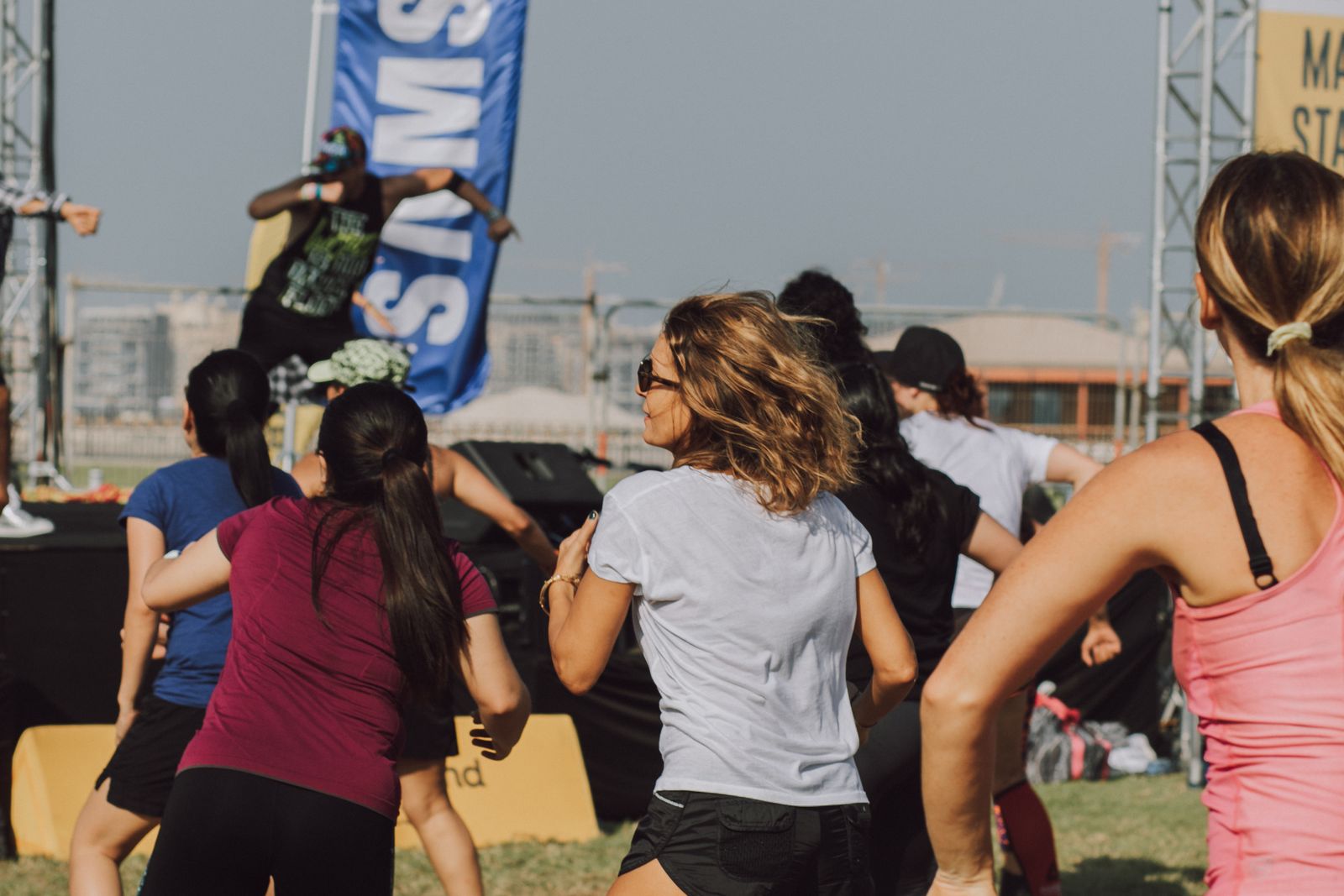
Zumba Fitness is the official brand name for the full dance fitness program created by Beto Pérez, encompassing not just the standard class format but a whole ecosystem: multiple class types for different needs, Zumba Gold, Zumba Step, Zumba Toning, Aqua Zumba, an instructor certification and training pathway, official apps and on-demand video content, and a global community of licensed instructors teaching in roughly 180 countries. Understanding “Zumba Fitness” as the broader brand, rather than just a single workout style, explains why the program looks slightly different depending on where and how you encounter it.
Here’s what the full Zumba Fitness program actually includes, beyond the standard class most people picture.
Zumba Fitness as a Brand Versus a Single Class
When people say “Zumba,” they’re often picturing the standard class format, but Zumba Fitness as a brand is considerably broader. It includes a family of related but distinct class formats, an instructor certification business, licensed content and apps, and a large global community structure, all operating under the same brand umbrella. This distinction matters because searching for “Zumba” can surface content related to any part of this ecosystem, not just the core dance class.
The Different Class Formats Within Zumba Fitness
Standard Zumba is the original, full-intensity format most people picture, built on the core Latin rhythms with moderate to high impact choreography. Zumba Gold adapts the same rhythms and structure for older adults or beginners, reducing impact while keeping the cardiovascular and coordination demands intact. Zumba Toning adds lightweight toning sticks to standard choreography, increasing resistance load on the arms and legs. Zumba Step layers choreography onto a raised step platform, adding resistance against gravity for a more intense lower-body workout. Aqua Zumba takes the format into a pool setting, using water resistance to reduce impact while adding a different kind of resistance training.
Zumba Fitness Instructor Certification
Beyond the classes themselves, Zumba Fitness operates a formal instructor training and certification pathway, which is how the brand maintains consistency across the tens of thousands of licensed instructors teaching worldwide. This certification structure is part of what distinguishes an official Zumba class from generic “dance fitness” content that borrows a similar style without the licensed training and branding behind it.
Zumba Fitness Apps and On-Demand Content
The brand also maintains official apps and video content, giving people access to Zumba Fitness content outside a physical studio setting. This matters for accessibility, since not everyone has a local studio offering classes, and on-demand content extends the brand’s reach considerably beyond its in-person footprint.
Zumba Fitness’s Global Community
Part of what defines Zumba Fitness as a brand, beyond the workout content itself, is the community structure built around it, annual instructor conventions, regional community events, and a strong social media presence that reinforces the brand’s identity as more than just a workout, a genuine fitness culture and community that many long-term participants describe as a meaningful part of why they stay consistent.
How This Fits With the Core Program
Understanding Zumba Fitness as this broader ecosystem builds on the foundational understanding of what the core program is. Our guide to what is Zumba covers the origin story and core class structure that this entire broader brand grew out of.
What Is Zumba Fitness: Quick Facts
- Format: Dance-based cardio combining Latin and international rhythms
- Fitness classification: Moderate-to-vigorous intensity cardio
- Accessibility: No dance or fitness background required
- Variants: Standard, Gold, Toning, Step, Aqua, and more
For the specific physical and mental payoffs this format delivers, our guide to benefits of Zumba lays out the full picture in one place.
Frequently Asked Questions About Zumba Fitness
Is Zumba Fitness the same as a regular Zumba class?
A regular Zumba class is one part of the broader Zumba Fitness brand, which also includes other class formats like Zumba Gold and Aqua Zumba, an instructor certification system, apps, and a global community structure.
What’s the difference between Zumba and Zumba Fitness?
They generally refer to the same underlying brand and program, “Zumba Fitness” is simply the fuller, more formal name for the complete ecosystem, while “Zumba” is the shorthand most people use in everyday conversation.
Do I need certification to teach Zumba Fitness classes?
Yes, officially licensed Zumba instructors complete a formal training and certification process through the brand, which is what distinguishes an official Zumba class from similar dance fitness content that isn’t formally licensed under the Zumba brand.
Are there apps for Zumba Fitness?
Yes, the brand maintains official apps and on-demand video content, giving people access to Zumba Fitness workouts outside of a physical studio, useful for anyone without convenient local class access.
What class formats are included under the Zumba Fitness brand?
Standard Zumba, Zumba Gold, Zumba Toning, Zumba Step, and Aqua Zumba are among the main formats, each adapting the core rhythms and structure for different fitness levels, equipment, or settings.
Ready to Explore Zumba Fitness for Yourself?
Whether you’re drawn to the standard class or a specific format like Zumba Gold, the brand offers a version that fits your needs. Explore FitStrot’s Online Zumba Classes and find the right entry point for you.
Want the fuller origin story first? Check out our guide to what is Zumba, or head straight to Online Zumba Classes to get started.