Dance fitness is a category of exercise built around moving to music for the purpose of physical conditioning, distinct from a traditional dance class where the goal is learning specific choreography or technique for its own sake. The focus in dance fitness is the workout itself, cardiovascular exertion, flexibility, coordination, and strength, delivered through dance-inspired movement rather than a formal dance curriculum, which is what makes it accessible to people with zero dance background.
Here’s how the category breaks down, what the main types are, and where a format like Zumba fits within the broader dance fitness landscape.
How Dance Fitness Differs From Traditional Dance
A traditional dance class, ballet, hip hop, contemporary, is oriented around learning a specific style’s technique, vocabulary, and choreography, often building toward performance or skill mastery. Dance fitness borrows movement vocabulary from these styles but restructures it around fitness outcomes, sustained heart rate elevation, muscle engagement, and calorie burn, rather than artistic or technical development. This distinction is why dance fitness classes are built to be accessible immediately, you don’t need years of technique training to get a genuine workout from a Zumba or dance cardio class.
The Main Types of Dance Fitness
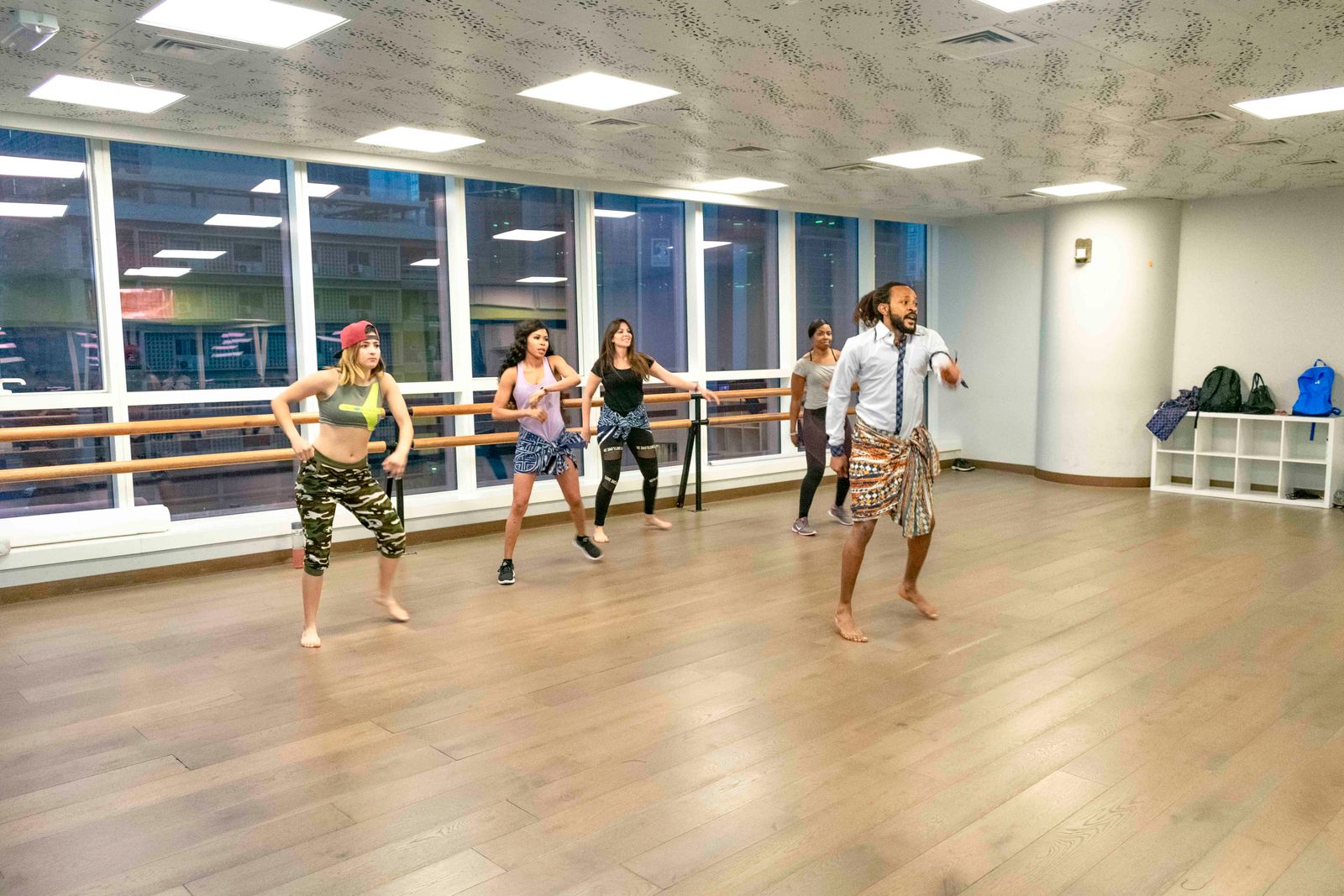
Cardio dance fitness is the largest and most recognizable category, including formats like Zumba, Jazzercise, and various hip hop-based cardio classes. These focus primarily on sustained cardiovascular exertion, often with strength and toning elements layered in through squats, lunges, and resistance-based variations.
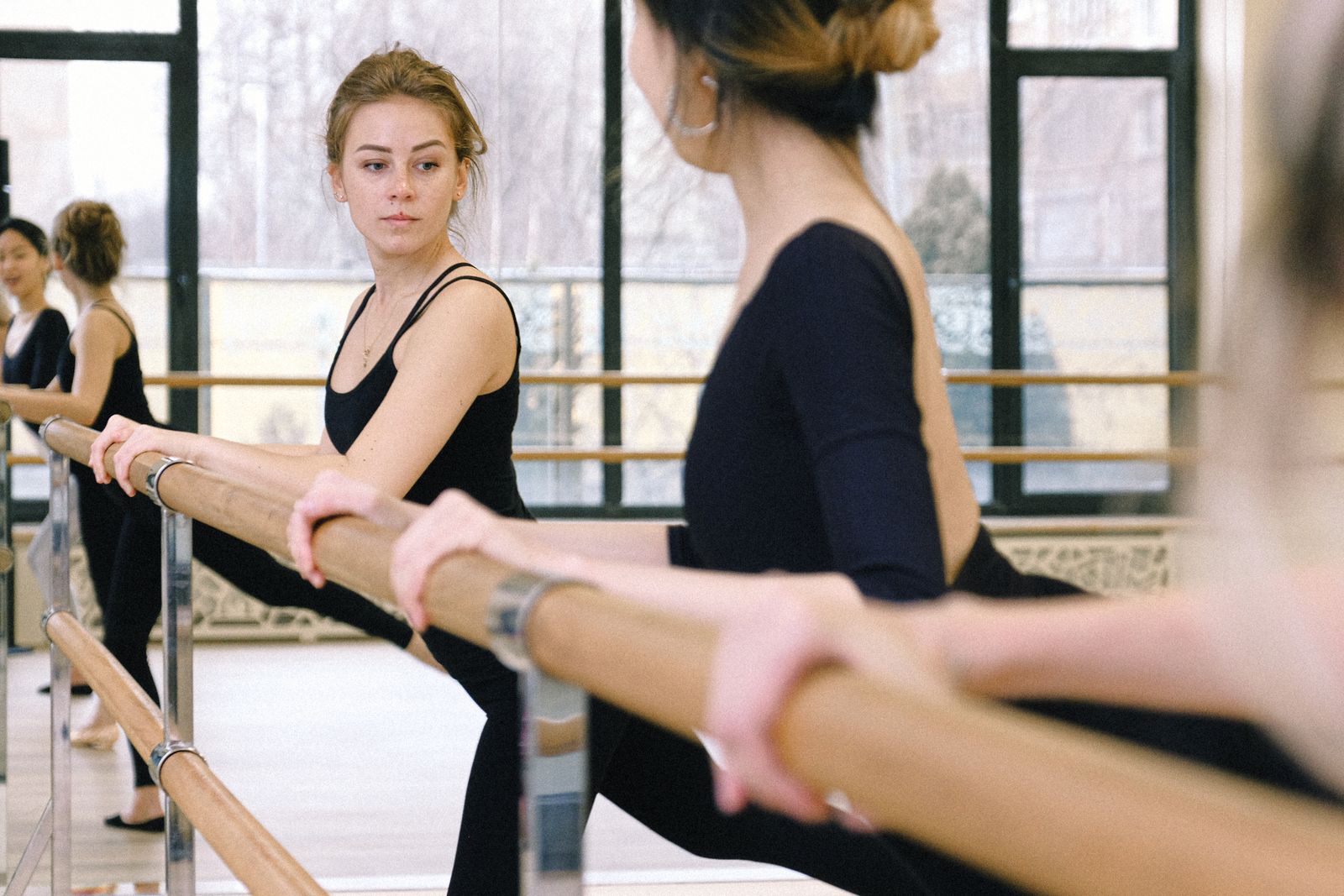
Barre dance fitness draws on ballet-inspired movement combined with elements of pilates and strength training, focused more on toning, alignment, and moderate-intensity resistance work than on the higher cardiovascular demand of cardio dance formats.
Mind-body dance fusion styles blend dance movement with practices like yoga or martial arts, adding a more meditative or mind-body focused element on top of the physical movement itself, distinct from the high-energy, music-driven feel of cardio dance formats.
Where Zumba Fits Within Dance Fitness
Zumba sits squarely within the cardio dance fitness category, built around Latin-influenced rhythms, salsa, merengue, reggaeton, and cumbia, layered with fitness elements like squats and directional footwork variations. It’s one of the most widely recognized formats within the category, largely because of how thoroughly it blends genuine cardiovascular demand with an experience that feels more like a party than a workout.
Why Dance Fitness Works as Exercise
The core mechanism is straightforward: dance fitness classes function similarly to interval training, since moving between songs of varying tempo naturally creates fluctuations in heart rate comparable to structured interval workouts. Research using health-related quality of life measures has found dance fitness classes produce meaningful improvements in sedentary populations specifically, suggesting the format works particularly well as an entry point for people who find traditional gym-based exercise unappealing or inaccessible.
Dance fitness also engages movement across multiple planes of motion, forward, lateral, and rotational, rather than the single-plane movement common in exercises like running or cycling, which builds a broader kind of functional coordination and balance alongside the cardiovascular benefit.
What Is Dance Fitness: Quick Facts
- Definition: Cardio exercise structured around dance movement and music
- Popular formats: Zumba, hip-hop cardio, Bollywood dance fitness
- Skill level: No formal dance training required
- Primary goal: Cardiovascular conditioning through enjoyable movement
Common Questions People Have Before Trying Dance Fitness
A lot of hesitation around trying dance fitness comes down to a handful of persistent misconceptions, that you need dance experience, that it’s not a “real” workout, or that results require an unrealistic time commitment. Our guide to dance workout myths debunked addresses these specific concerns directly with what the actual research and format design show.
Dance Fitness as a Legitimate Training Method
Beyond the fun factor, dance fitness has real standing as a functional training method, building strength, flexibility, coordination, and cardiovascular capacity simultaneously. Our guide to dance as functional fitness goes deeper into the specific training benefits and how they compare to more traditional functional training approaches.
Frequently Asked Questions About Dance Fitness
Do I need dance experience to try dance fitness?
No. Dance fitness classes are specifically designed to be accessible without prior dance background, breaking movement down into simple, repeatable patterns that build in complexity over time rather than assuming existing technical skill.
Is dance fitness as effective as traditional cardio like running?
Research generally supports dance fitness as a genuinely effective cardiovascular workout, with calorie burn comparable to other moderate-to-vigorous cardio activities. The interval-like structure of moving between songs at varying tempos provides similar cardiovascular benefit to structured interval training.
What’s the difference between dance fitness and a regular dance class?
A regular dance class focuses on learning a specific style’s technique and choreography, often working toward performance or skill development. Dance fitness restructures dance movement specifically around fitness outcomes, accessible immediately without needing to master technique first.
Which type of dance fitness is best for beginners?
Cardio dance formats like Zumba tend to be the most beginner-friendly entry point, since they’re built around simple, repeatable movement patterns with clear rhythmic cues, making them easier to follow without prior dance or fitness experience than barre or mind-body fusion styles.
How often should I do dance fitness to see real results?
Most research and instructor guidance points to at least two to three sessions weekly for noticeable fitness improvements, since once-weekly attendance alone rarely produces significant change without other supporting habits like diet and additional activity.
Ready to Try Dance Fitness for Yourself?
Zumba is one of the most accessible and popular ways to experience everything dance fitness has to offer. Explore FitStrot’s Online Zumba Classes and see how dance fitness feels firsthand.
Curious about common misconceptions or the deeper training benefits? Check out our guides to dance workout myths debunked and dance as functional fitness, or head to Online Zumba Classes to get started.