Dance qualifies as genuine functional fitness because it trains movement across multiple planes of motion, forward, lateral, and rotational, simultaneously, rather than the single-plane repetition common in exercises like running or cycling. Functional fitness is defined by training movements that mirror real-world physical demands, and dance’s combination of directional changes, balance challenges, and coordinated multi-limb movement matches that definition more closely than many people initially assume.
Here’s what makes dance functional in this specific sense, the research behind it, and how it compares to more traditional functional training approaches.
What “Functional Fitness” Actually Means
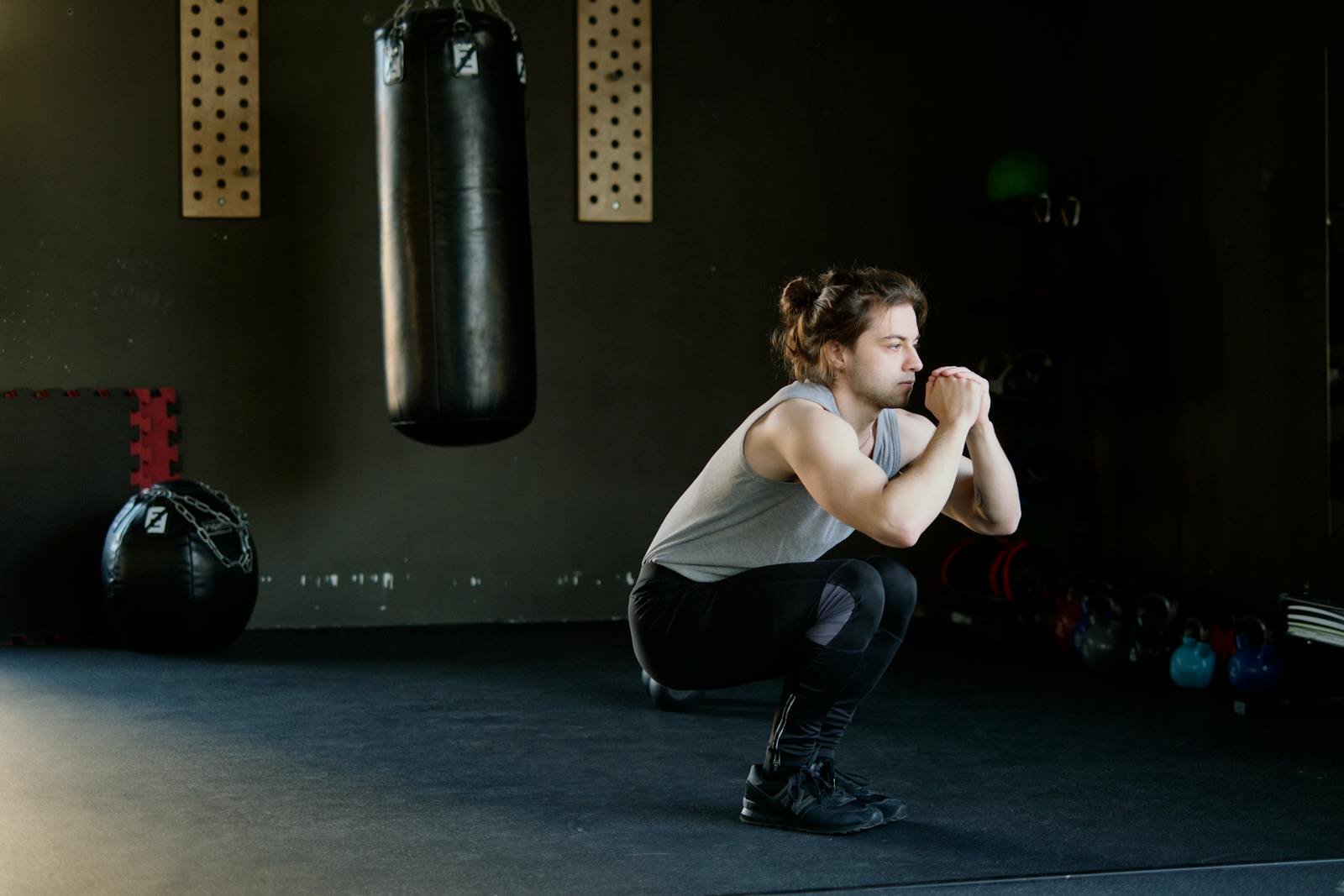
Functional fitness refers to exercise that trains your body for the actual physical demands of daily life and movement, rather than isolating a single muscle in a fixed, repetitive pattern. A bicep curl is not particularly functional, since real-world movement rarely isolates a single joint that way. A movement that combines balance, coordination, and multi-directional stepping, closer to how your body actually moves through the world, is functional by definition, and this is exactly the category dance-based movement falls into.
How Dance Specifically Trains Functional Movement Patterns
Dance incorporates movement across every plane of motion and from all directions, forward and back, side to side, and rotational, within a single routine, which builds a broader base of coordinated strength and control than single-plane cardio formats provide. This multi-directional demand also directly trains balance and agility, since constant changes in direction and rhythm require your body to stabilize and adjust in real time, a skill with direct carryover to everyday movement and fall prevention.
The Research Behind Dance’s Functional Benefits
Dance-based aerobic training has been specifically studied for its effects on functional capacity and fall risk, particularly in older adults, populations where functional movement quality has direct, measurable consequences for independence and injury prevention. Research in this area has found improvements in physical fitness, working memory, mobility, and fall prevention outcomes, benefits that extend beyond simple cardiovascular conditioning into the practical, everyday movement competence that defines functional training. Separately, research has found that dance can increase cell growth in the brain’s hippocampus, the region responsible for memory and spatial navigation, connecting the physical coordination demands of dance to measurable cognitive structure changes.
Multicomponent Training and Why That Matters
Exercise programs that integrate aerobic conditioning, strength, flexibility, balance, and coordination training together have shown particular benefit for executive function, processing speed, and overall wellbeing, a combination that dance-based fitness naturally delivers within a single session rather than requiring separate, siloed workouts for each component. This multicomponent nature is one of dance fitness’s more underrated advantages: a single Zumba class trains several functional fitness domains simultaneously rather than requiring you to schedule a cardio day, a balance day, and a coordination day separately.
How Dance Compares to Traditional Functional Training
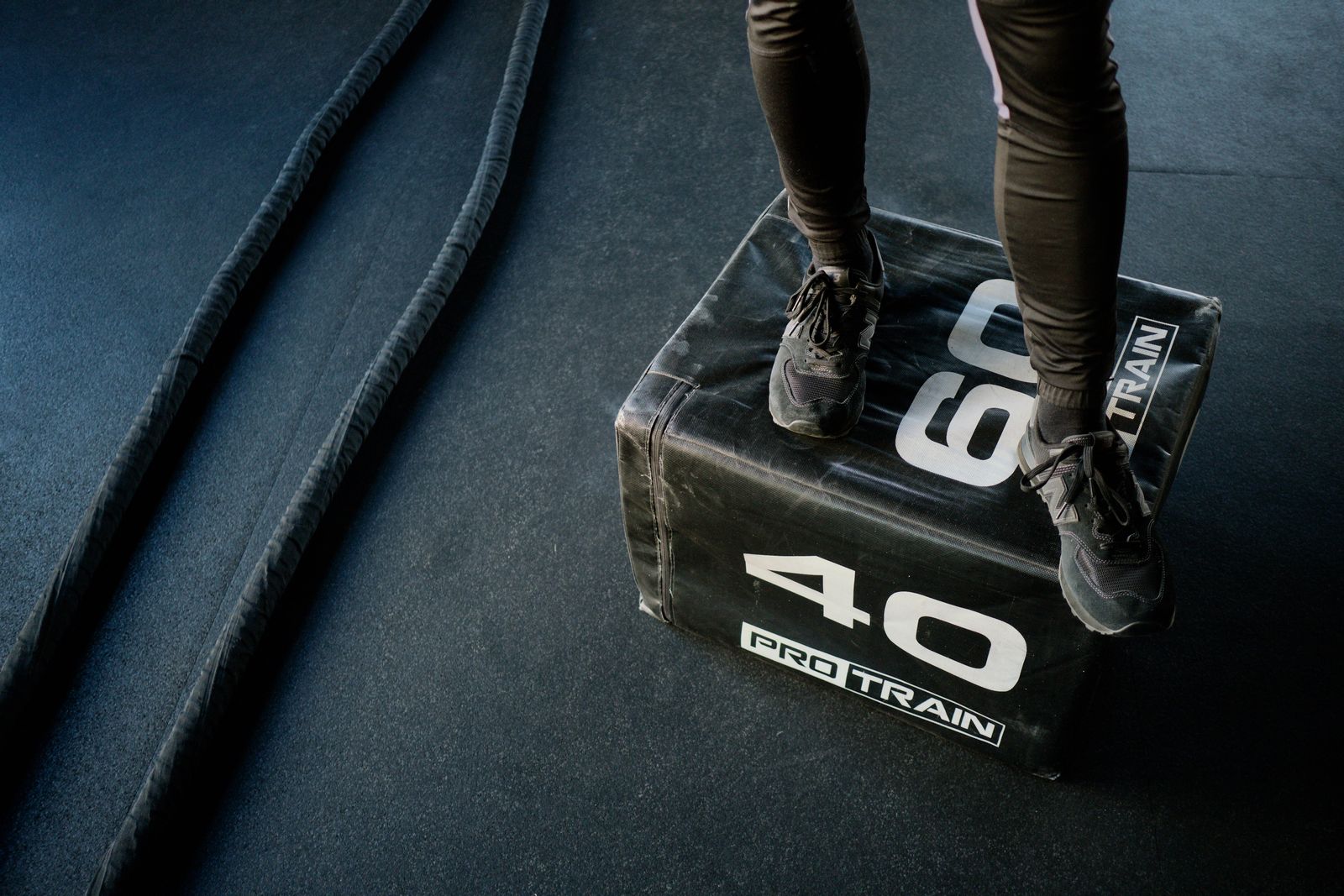
Traditional functional training programs, often built around kettlebells, medicine balls, or bodyweight circuits, deliberately design movements that mimic real-world actions: lifting, carrying, twisting, reaching. Dance achieves a similar training effect through a different mechanism, using rhythm and choreography rather than deliberately engineered functional movement patterns, but the underlying result, multi-planar, coordinated, balance-demanding movement, overlaps significantly. The main difference is adherence and enjoyment: research points to dance-based training’s playful, social, and musically engaging nature as a meaningful driver of better long-term participation compared to more clinical functional training programs, which matters enormously since the most functional program in the world provides no benefit if people don’t stick with it.
Why This Matters Beyond the Workout Itself
The practical upshot of dance’s functional training profile is that its benefits transfer more directly to everyday life than some cardio-focused alternatives. Better balance reduces fall risk. Improved coordination makes daily tasks involving multi-directional movement, carrying groceries while navigating stairs, for example, feel easier and safer. Enhanced cognitive function through the working-memory and processing-speed benefits noted in the research supports everyday mental sharpness, not just performance during the workout itself.
Where This Fits Within the Broader Dance Fitness Category
Understanding dance’s functional training value makes more sense within the context of dance fitness as a whole category, distinct from traditional dance instruction and specifically built around measurable fitness outcomes. Our guide to what is dance fitness covers that foundational distinction and where formats like Zumba fit within it.
Dance as Functional Fitness: Quick Facts
- Balance and coordination: Directly trained through varied footwork patterns
- Real-world carryover: Improved agility supports daily movement and fall prevention
- Multi-planar movement: Dance moves in directions many gym routines skip
- Cognitive engagement: Choreography builds memory alongside physical fitness
If you’re weighing dance-based training against other cardio formats, our guide to what is dance fitness lays out the broader category this approach belongs to.
Frequently Asked Questions About Dance as Functional Fitness
Is dance really considered functional fitness, or just cardio?
It qualifies as genuine functional fitness because it trains movement across multiple planes of motion, forward, lateral, and rotational, simultaneously, along with balance and coordination, rather than isolating a single movement pattern the way pure cardio like running does.
Does dance-based training help with balance and fall prevention?
Research specifically on dance-based aerobic training has found improvements in mobility and fall risk reduction, particularly in older adult populations, connected to the constant directional changes and balance demands built into dance movement.
How does dance compare to kettlebell or bodyweight functional training?
Both approaches train multi-planar, coordinated movement, but through different mechanisms, deliberately engineered functional patterns in traditional training versus rhythm and choreography-driven movement in dance. Dance often shows an advantage in long-term adherence due to its more enjoyable, social format.
Can dance-based functional training improve cognitive function too?
Yes. Research has connected dance to improvements in working memory and processing speed, and separately to increased cell growth in the hippocampus, the brain region responsible for memory and spatial navigation, linking the physical coordination demands of dance to measurable cognitive benefits.
Is dance functional training suitable for older adults specifically?
Yes, and much of the specific research on dance’s functional fitness benefits focuses on older adult populations, given the direct relevance of improved balance, mobility, and fall prevention to maintaining independence with age.
Ready to Train Functionally Through Dance?
Zumba delivers this kind of multi-planar, functional training within a format that’s genuinely enjoyable to stick with. Explore FitStrot’s Online Zumba Classes and experience functional training that doesn’t feel like a chore.
Want to understand the broader dance fitness category first? Check out our guide to what is dance fitness, explore dance workout myths debunked, or head to Online Zumba Classes to get started.