The most common dance workout myths, that you need prior dance experience, that dance isn’t real cardio, that it’s not a legitimate form of exercise, that once a week is enough, and that longer sessions are always better, don’t hold up against how these classes are actually designed or what the research shows. Dance fitness formats are built specifically to be accessible without a dance background, and the cardiovascular and strength benefits are well documented, not a lesser substitute for “real” exercise.
Here’s each myth broken down individually, with what’s actually true instead.
Myth 1: You Need Prior Dance Experience
This is the myth that keeps the most people from ever trying a class in the first place, and it’s simply not how dance fitness formats are built. Instructors break every routine down into simple, repeatable steps designed for people with zero dance background, building complexity gradually rather than assuming existing skill. The entire design philosophy of formats like Zumba is accessibility from session one, not a barrier to entry requiring prior training.
Myth 2: Dance Doesn’t Provide a Real Cardiovascular Workout
Dance-based cardio functions similarly to interval training, since moving between songs with different tempos naturally creates fluctuations in heart rate comparable to structured interval workouts. Research from the American Council on Exercise has found that dance classes like Zumba burn on average between 300 and 400 calories per hour, placing them solidly in line with other recognized moderate-to-vigorous cardio activities, not a watered-down alternative to them.
Myth 3: Dance Isn’t a Legitimate Form of Exercise
Every dance style used in fitness contexts engages multiple muscle groups, demands real cardiovascular output, and challenges balance and coordination simultaneously, the same combination that defines any comprehensive workout. Dance fitness builds endurance, strength, and flexibility together in a single session, which is a genuinely comprehensive training stimulus, not a lesser or purely recreational activity dressed up as exercise.
Myth 4: Once a Week Is Enough to See Results
This one is more nuanced than an outright myth, since a single weekly class does provide some benefit, but expecting significant fitness or weight loss results from that frequency alone, without other supporting habits, sets unrealistic expectations. Meaningful change generally requires two to three sessions weekly at minimum, combined with reasonable attention to nutrition, the same requirement that applies to essentially any exercise format, not something specific to dance fitness being less effective.
Myth 5: Longer Workouts Are Always Better
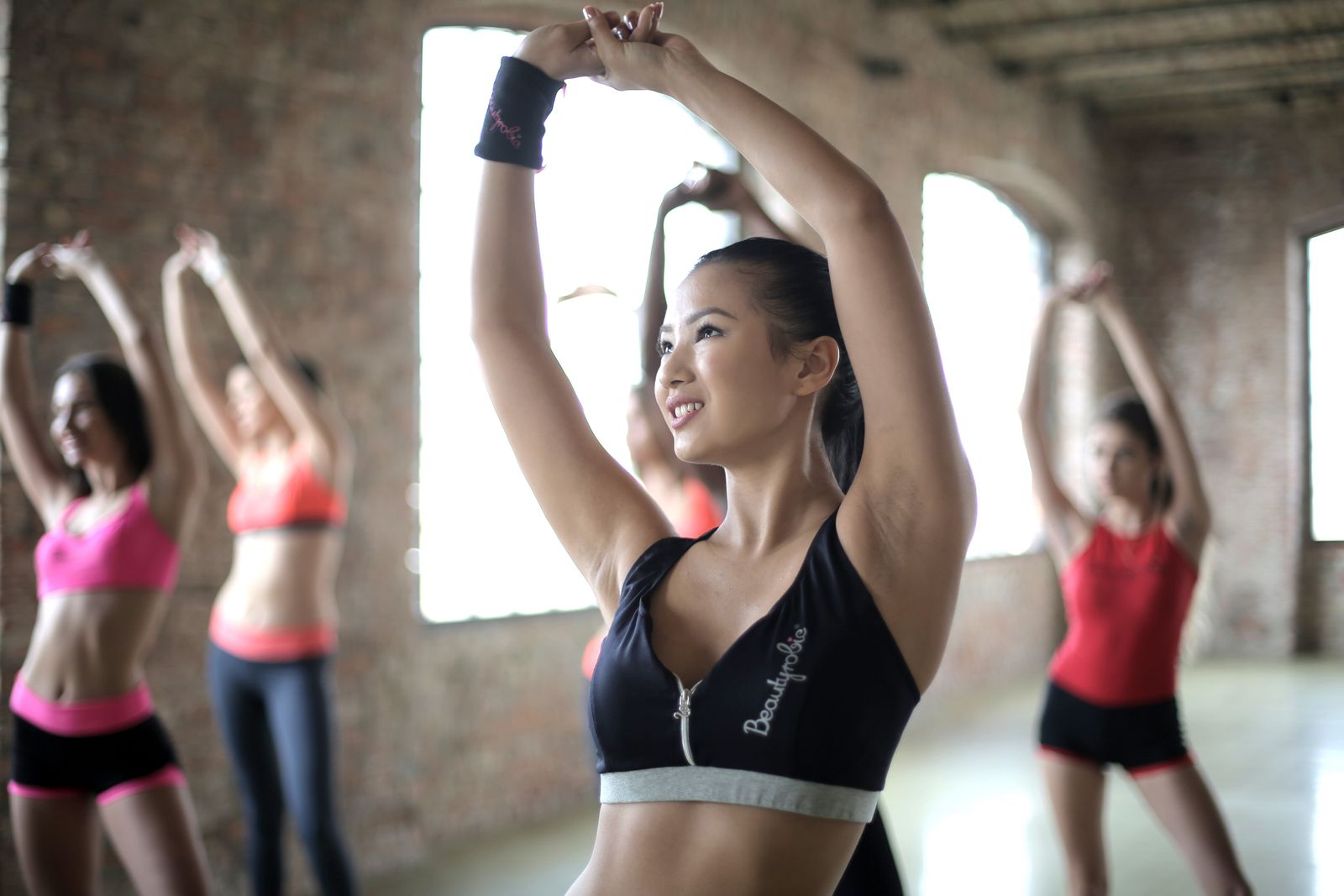
More time spent moving doesn’t automatically translate to more benefit. A well-structured session needs only a handful of quality movement patterns, five to eight, to effectively train your target muscles and cardiovascular system for that day. A shorter, focused, high-quality class can deliver as much genuine benefit as a longer one padded with filler content, which matters if time constraints have been part of why you’ve hesitated to start.
Why These Myths Persist Despite Being Inaccurate
Part of the reason these misconceptions stick around is that dance fitness looks and feels different from traditional gym-based exercise, upbeat music, group energy, and choreography can make it easy to underestimate as “just fun” rather than recognizing the genuine physiological demand happening underneath. This perception gap is worth naming directly, since it’s one of the more common reasons people rule out a format that would actually serve their fitness goals well.
Understanding the Broader Category
These myths make more sense to debunk once you understand what dance fitness actually is as a category, distinct from traditional dance instruction and specifically engineered around fitness outcomes. Our guide to what is dance fitness covers that foundational distinction and the main types within the category.
The functional training angle is also worth understanding, since dance fitness engages multiple planes of motion and builds real-world coordination in ways that go beyond simple calorie burn. Our guide to dance as functional fitness covers this in more depth.
Dance Workout Myths at a Glance
| Myth | Reality |
|---|---|
| You need dance experience | No formal training required for most formats |
| It’s not a “real” workout | Burns comparable calories to other cardio formats |
| Only for young or flexible people | Modifiable for all ages and fitness levels |
| Results take too long | Cardio and mood benefits appear within weeks |
Frequently Asked Questions About Dance Workout Myths
Do I really not need any dance background to start?
Correct. Dance fitness formats are specifically designed with beginners in mind, breaking choreography into simple, progressive steps rather than assuming existing dance skill or technique.
How many calories does a typical dance fitness class actually burn?
Research has found an average of 300 to 400 calories per hour for formats like Zumba, comparable to other recognized moderate-to-vigorous cardio activities rather than a lesser alternative.
Is once a week of dance fitness enough to lose weight?
Generally not on its own. Meaningful results typically require two to three sessions weekly combined with reasonable nutrition habits, the same baseline that applies to most exercise formats, not a limitation specific to dance fitness.
Are shorter dance fitness classes less effective than longer ones?
Not necessarily. A focused, well-structured shorter class can deliver comparable benefit to a longer one, since effective training depends more on movement quality and intensity than on total duration alone.
Why do people underestimate dance fitness as a real workout?
The upbeat, social, music-driven format can make the genuine physiological demand less obvious than a traditional gym workout, leading some people to dismiss it as purely recreational despite well-documented cardiovascular and strength benefits.
Ready to See Past the Myths for Yourself?
The best way to test these myths against reality is to try a class and feel the actual demand for yourself. Explore FitStrot’s Online Zumba Classes and see what a real dance fitness workout feels like.
Want to understand the category more broadly first? Check out our guide to what is dance fitness, explore dance as functional fitness, or head to Online Zumba Classes to get started.