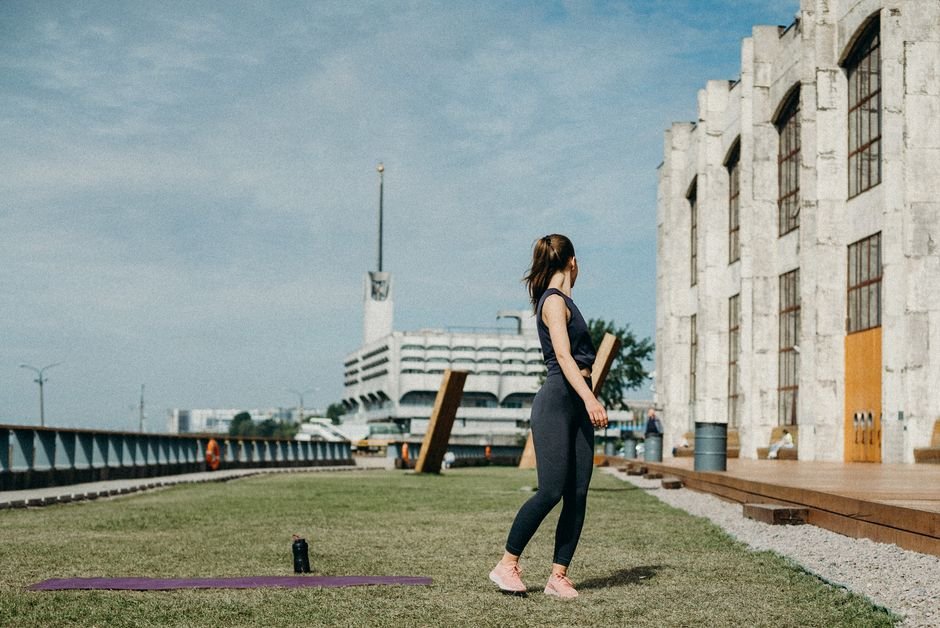
A boot camp workout is a group fitness class that combines cardio bursts with bodyweight and functional strength exercises, organized into rotating stations or circuits, usually led by one instructor coaching the whole room at once. Sessions typically run 30 to 60 minutes and mix squats, push-ups, sprints, kettlebell swings, and core work with short rest periods in between. At FitStrot, we think of it as one of the more social, high-energy formats in the wider world of workout styles, built for people who want intensity and variety rather than a slow, methodical lifting split.
How Does Boot Camp Style Training Actually Work?
Boot camp training is built around three ideas: group participation, high intensity, and constant movement. Instead of picking up a program and working through it at your own pace, you’re moving as part of a group, often 10 to 30 people, through the same sequence of exercises at the same time. The instructor calls out the moves, sets the pace, and keeps energy high, which is where the “drill sergeant” reputation comes from. In practice, it’s less about barking orders and more about pushing a room full of tired people through the last two minutes of a circuit.
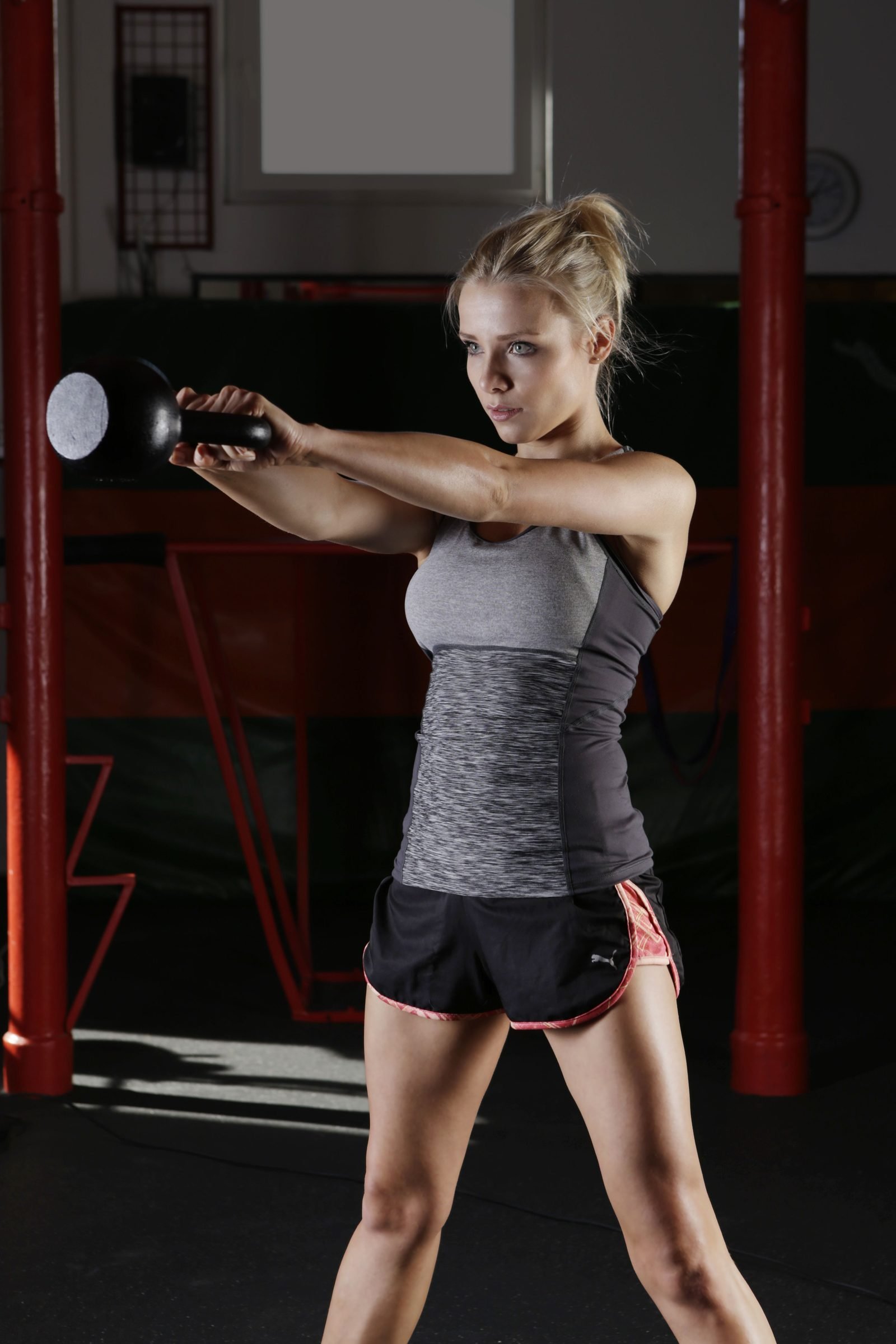
The exercises themselves rarely require machines. You’ll see burpees, mountain climbers, lunges, planks, sprints, jump rope, and resistance work with kettlebells, dumbbells, or bands. Cardio and strength are stacked together rather than separated into different days, so your heart rate stays elevated for most of the session while you’re also working muscle endurance. That combination is what makes boot camp feel different from a standard gym circuit or a quiet strength session.
What Does a Typical Boot Camp Class Structure Look Like?
Most boot camp classes follow a predictable shape: a warm-up, a series of circuit stations, and a cool-down. The warm-up usually runs 5 to 10 minutes and includes dynamic movement like jogging in place, arm circles, and bodyweight squats to raise your heart rate and loosen joints before load gets added. Then comes the main block, a set of stations arranged around the room, each targeting a different exercise or muscle group. Groups rotate through the stations on a timer, working for 30 to 60 seconds and resting for 10 to 20 seconds before moving to the next one. Depending on the class, you’ll repeat the full circuit two or three times. The session closes with a 5 to 10 minute cool-down of stretching and breathing work to bring your heart rate back down.
Here’s a sample circuit similar to what you’d see in a typical 45-minute class:
| Station | Exercise | Work Time | Rest |
|---|---|---|---|
| 1 | Jumping jacks or high knees | 40 sec | 15 sec |
| 2 | Push-ups | 40 sec | 15 sec |
| 3 | Kettlebell swings | 40 sec | 15 sec |
| 4 | Mountain climbers | 40 sec | 15 sec |
| 5 | Bodyweight squats | 40 sec | 15 sec |
| 6 | Plank hold | 40 sec | 15 sec |
That full circuit takes about 6 minutes. Most classes repeat it two or three times with a short water break in between rounds, then close with a cool-down stretch.
What Should You Expect at Your First Boot Camp Class?
Walking into your first boot camp class can feel intimidating if you’ve never trained in a group setting before, but most instructors expect a mix of experience levels in the room. You’ll usually be asked to arrive 5 to 10 minutes early to grab equipment and get a quick rundown of the exercises. During the class, expect the instructor to demonstrate each move before the group starts, and don’t be surprised if they call out modifications for people who need them, like knee push-ups instead of standard ones, or marching in place instead of sprinting.
If you’re brand new to structured exercise altogether, it’s worth spending a week or two on a beginner workout plan first so your body has some baseline familiarity with squats, push-ups, and basic conditioning before you’re doing them at speed in a group. It’s not a requirement, but it makes that first class feel a lot less overwhelming.
How Intense Is a Boot Camp Workout, Really?
Boot camp sits toward the higher end of the intensity scale compared to most group fitness formats, mainly because rest periods are short and the exercises stack cardio load on top of strength work. Your heart rate climbs early and tends to stay elevated through most of the session, which is why people often leave a class sweatier and more fatigued than after a typical weights session. That said, intensity is relative. Because the whole group moves together, you set your own effort within the structure, someone new to exercise can walk through the squats while an experienced athlete adds a jump.
How Does Boot Camp Compare to a Regular Gym Workout or 1-on-1 Personal Training?
A regular solo gym session usually means you pick your own exercises, rest as long as you want, and move through machines or free weights at your own pace. Boot camp strips that autonomy away in exchange for structure and energy. You don’t have to think about what to do next, the instructor decides, and the group around you keeps the pace honest. It’s one of many types of workouts built around social motivation rather than individual programming.
1-on-1 personal training works differently again. Instead of a shared circuit designed for a room, a coach builds a program around your specific goals, movement history, and any injuries or limitations you’re working around. At FitStrot, we build progressive programs for our clients that adjust week to week based on how their body is responding, something a group class simply can’t do because the workout has to work for everyone in the room at once. Boot camp gives you variety and energy. 1-on-1 coaching gives you precision and progression.
Who Is Boot Camp Training Best Suited For?
Boot camp tends to work best for people who:
- Enjoy training in a group and draw motivation from other people’s energy
- Want variety in their exercises rather than a repeatable routine
- Are already reasonably comfortable with basic movement patterns like squats and push-ups
- Prefer a set schedule and structure decided for them rather than planning their own sessions
On the other hand, some people are better served by 1-on-1 coaching instead of a boot camp class. If you’re recovering from an injury, managing a chronic condition, or new enough to exercise that form needs close attention, a group circuit moving at a fixed pace isn’t the safest environment to learn in. We see people who tried boot camp first, aggravated an old knee or shoulder issue because the class moved faster than their body was ready for, and came to us afterward wanting a program built specifically around what their joints could actually handle. If that sounds like you, our 1-on-1 personal training service is built to give you the same intensity and results without the guesswork of adapting a group workout on the fly.
Frequently Asked Questions
What is a boot camp workout?
A boot camp workout is a group exercise class that blends short cardio bursts with bodyweight and functional strength moves, organized into rotating stations or timed circuits. An instructor leads the whole group through each exercise, keeping intensity high and rest periods short. Classes usually run 30 to 60 minutes and combine strength, endurance, and agility work in one session.
How do you do a boot camp workout?
You do a boot camp workout by following an instructor through a set circuit of stations, each lasting 30 to 60 seconds with brief rest between. You move through exercises like squats, push-ups, sprints, and core drills, completing two or three rounds. No equipment mastery required, just a willingness to keep moving and push your own pace.
What are the benefits of a boot camp workout?
Boot camp workouts build cardiovascular fitness, muscular endurance, and full-body strength in one efficient session. The group format adds accountability and motivation that’s hard to replicate training alone, and the variety keeps workouts from feeling repetitive. Because sessions are high intensity, they also burn a significant amount of energy and improve conditioning over just a few weeks of consistent attendance.
Is Boot Camp Right for You?
Boot camp training earns its popularity honestly. It’s efficient, social, and hard to get bored of, and for a lot of people that combination is exactly what keeps them showing up week after week. But it’s a one-size-fits-most format, not a one-size-fits-all one. If you’ve got specific goals, a body that needs modification, or you just want a coach who’s paying attention to you and only you, that’s a different kind of training entirely. Yash Pathak built FitStrot around that gap, ten years of coaching taught him that most people don’t fail at fitness because they lack motivation, they fail because the program they’re following was never built for them in the first place. Whichever format you choose, the workout that gets you consistent results is the one you can actually stick with.