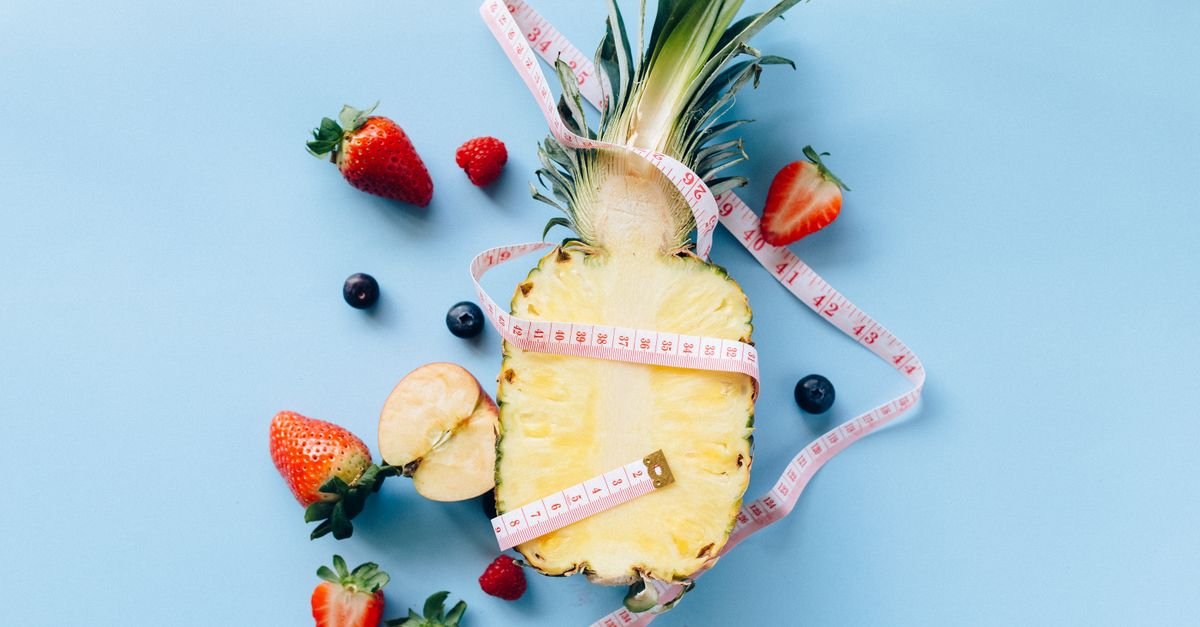
A 7-day flat stomach diet plan reduces bloating and water retention (through lower sodium and processed food intake) while starting a genuine calorie deficit — expect a visibly flatter stomach and 1.5-2.5kg of total change, mostly water weight with some initial fat loss, rather than significant spot fat reduction, which isn’t possible through diet in a single week.
I’m Yash Pathak, founder and lead trainer at FitStrot, and I want to set expectations honestly: no 7-day plan burns meaningful fat specifically from the stomach. What it can do is reduce the bloating and water retention that make the stomach area look and feel larger than it is.
Why “Flat Stomach in 7 Days” Needs a Caveat
Spot reduction — losing fat from one specific area through diet or targeted exercise — isn’t how fat loss physiologically works. What a focused 7-day plan achieves is reducing bloating (from salt, processed food, and certain digestive triggers) and starting an overall calorie deficit, both of which make the stomach area look flatter, even though the underlying mechanism isn’t localized fat loss.
The 7-Day Plan
Days 1-2: Cut bloating triggers. Reduce sodium, processed food, carbonated drinks, and excess dairy if you’re sensitive to it. Increase water intake — this reduces water retention rather than adding to it. Expect visible reduction in bloating by day 2-3.
Days 3-5: Build the calorie deficit. Protein at every meal, portioned carbohydrates, plenty of fibre-rich vegetables. A moderate deficit (400-500 calories) supports genuine fat loss starting this week, even if the visible change is still mostly from reduced bloating.
Days 6-7: Consistency and light activity. Daily walking or light core-and-full-body movement supports digestion and the calorie deficit without needing intense workouts.
Foods That Help Reduce Bloating
Ginger and fennel (traditionally used to support digestion), cucumber and watermelon (hydrating, low-calorie), plain yoghurt or curd (supports gut health for some people, though dairy-sensitive individuals may find the opposite), and leafy greens (fibre without the gas-inducing effect some cruciferous vegetables can have in large raw quantities).
Foods That Commonly Cause Bloating
Excess salt and sodium-heavy processed foods, carbonated drinks, large quantities of raw cruciferous vegetables (cabbage, broccoli) for some people, and artificial sweeteners, which can cause digestive discomfort in sensitive individuals.
A Sample Day
Breakfast: Moong dal chilla or a light vegetable-based option. Lunch: One roti, dal, a generous portion of cooked vegetables, salad. Snack: Cucumber slices or a small handful of nuts. Dinner: Light soup or a vegetable-and-protein stir-fry, eaten early.
Why Ab Exercises Won’t “Flatten” the Stomach on Their Own
Core exercises strengthen the abdominal muscles but don’t burn fat specifically from that area — you can have strong abs still covered by fat if the overall calorie deficit and body fat percentage aren’t addressed. Core work is valuable for posture, strength, and definition once overall body fat drops, but it’s not the primary driver of a flatter-looking stomach in the short term.
What Happens After 7 Days
The bloating reduction from week one is real but temporary if old habits (high sodium, processed food) return immediately after. Sustained results require continuing the underlying structure — moderate deficit, protein-forward meals, consistent movement — well past the initial week. Our diet to lose belly fat and leg workout for weight loss guides cover related approaches for continuing progress beyond the first week.
Why a Longer-Term Plan Beats a 7-Day Fix
A focused week is a strong starting point, but genuine, visible changes to your stomach area come from weeks of consistent calorie deficit and overall fat loss, not any single week’s plan. An online weight loss trainer can turn this 7-day reset into a sustained program that continues producing results well beyond the first week.
Why 7 Days Isn’t Enough for Real Fat Loss (and What It Is Enough For)
A 7-day flat stomach diet plan realistically delivers reduced bloating and water retention, visible within days of cutting sodium and processed food, plus a small amount of genuine fat loss — not the dramatic, lasting transformation the phrase implies. This is genuinely useful before an event or simply to reset eating habits, but treating it as a complete solution rather than a strong first week of a longer plan sets up disappointment once you return to normal eating and some of the water-weight change reverses.
The habits built in this week — reduced sodium, more vegetables, consistent protein — are worth continuing well past day 7 if lasting belly fat reduction is the actual goal, rather than treating day 7 as a finish line.
Why Stress and Sleep Affect Your Stomach More Than People Realize
People planning a 7-day flat stomach push almost always focus entirely on food, and completely overlook two factors that show up directly around the midsection: stress and sleep. Elevated cortisol from stress causes the body to hold onto water specifically in the abdominal area, which is exactly the region this kind of plan is trying to change. You can follow the diet perfectly and still look and feel puffier through a stressful week at work or during exam season, and it has nothing to do with the plan failing.
Poor sleep compounds this in two ways. First, it disrupts digestion and gut motility, which can make bloating worse the next day regardless of what you ate. Second, it drives cravings for exactly the foods this plan is trying to limit — refined carbs, fried snacks, sugary tea — making the whole week harder to stick to than it needs to be.
What actually helps: prioritizing seven to eight hours of sleep during this week, keeping a consistent wind-down routine, and avoiding heavy meals within two to three hours of bedtime, since undigested food close to sleep disrupts both sleep quality and next-morning bloating.
I’ve had clients start this exact plan during a high-stress week — deadline crunch, family event, exam pressure — and get frustrated that nothing seemed to change. In every case I’ve seen, once the stressful period passed and sleep normalized, the same food choices produced a visibly flatter stomach within days. The diet wasn’t the problem; the cortisol and disrupted sleep were working against it in the background.
Common Mistakes That Sabotage a 7-Day Reset
The biggest mistake I see is people assuming more raw vegetables automatically means a flatter stomach, so they load up on raw cabbage, cauliflower, and salads all week. Cruciferous vegetables in large raw quantities are actually a common trigger for gas and bloating, especially when your gut isn’t used to that volume of fibre. Lightly cooking or steaming these vegetables during this particular week, rather than eating them raw, usually produces a flatter result, not a more bloated one.
Reaching for detox teas or so-called slimming teas during this week is another common misstep. Most of these work through a mild laxative or diuretic effect, which creates a temporary drop from water and stool weight, not fat, and can leave you dependent on them to feel “regular” once you stop.
Drinking large amounts of water during meals, rather than between them, is a smaller but real mistake — it can dilute digestive juices and slow digestion for some people, contributing to the bloated feeling right after eating. Sipping water between meals and keeping meal-time intake modest tends to work better.
Finally, skipping meals to “save up” calories for later in the day backfires more often than it helps. It slows digestion, increases the odds of overeating at the next meal, and does nothing for the bloating this plan is targeting. Three or four steady, moderate meals across the day almost always outperform one large meal preceded by hours of skipped eating.
Why Your Cycle Timing Can Make or Break Your 7-Day Results
If you’ve ever done a version of this 7-day plan and felt like it worked brilliantly one month and did almost nothing the next, your menstrual cycle is very likely the reason, not the plan itself. Most women retain noticeably more water in the week to ten days before their period due to the natural rise in progesterone, and this shows up almost entirely around the midsection and face. If you happen to start your 7-day plan during this luteal phase, you’re fighting against your own hormones for water retention that has nothing to do with fat and everything to do with where you are in your cycle. Starting the same plan during the days right after your period ends, when estrogen is rising and water retention is at its lowest, can make the results look dramatically better even if your actual eating and effort were identical.
This isn’t a reason to avoid the plan during certain weeks, since you obviously can’t always time it perfectly around work and life commitments, but it is a reason to interpret your results with more nuance than the mirror or the scale alone gives you. If you’re three or four days out from your period and the plan doesn’t seem to be “working,” that’s expected physiology, not a failure of the approach. I’ve had clients get genuinely discouraged and quit on day 5 because their stomach looked no different, not realising they’d started the plan at the worst possible point in their cycle for visible change.
For women who menstruate regularly, the most reliable window to run this 7-day reset, if you have the choice, is days 6 through 13 of your cycle, counting day 1 as the first day of your period. This is when bloating tends to be lowest and energy for the daily movement in the plan tends to be highest, since some women also notice reduced motivation and slightly higher fatigue in the days leading up to their period. If your cycle is irregular, PCOS is a factor, or you’re on hormonal contraception that changes this pattern, the timing advice matters less, and you’re better off just tracking how your body responds over two or three attempts rather than assuming a fixed window.
The bigger point I want women to take from this is that a flat 15% difference in how your stomach looks from one week to the next can be entirely hormonal, and chasing that difference with more restriction or more cardio when it’s actually water retention is how people end up frustrated and quitting healthy habits that were working just fine. Track your cycle alongside your weight loss efforts for a couple of months and the pattern becomes obvious, and a lot less anxiety-inducing.
Frequently Asked Questions
How does a flat stomach 7-day diet plan work?
It works primarily by reducing bloating and water retention through lower sodium and processed food intake, while starting a genuine calorie deficit — the visible change is a mix of reduced bloating and early fat loss, not spot reduction.
Is a flat stomach 7-day diet plan safe?
Yes, when it involves reducing processed food and salt rather than extreme calorie restriction. This plan doesn’t require eliminating food groups or skipping meals.
How long does a flat stomach 7-day diet plan take to show results?
Visible bloating reduction typically appears within 2-3 days, with the fuller 7-day effect (combining reduced bloating and early fat loss) visible by day 6-7.
Can beginners follow a flat stomach 7-day diet plan?
Yes — this plan is straightforward, focused on cutting specific triggers (salt, processed food) rather than complex meal prep or calorie counting.
Ready to Turn a 7-Day Reset Into Lasting Results?
A flatter stomach after 7 days is a good start, but lasting change needs a longer plan. A FitStrot online weight loss trainer builds that plan around your body and keeps the progress from week one going.