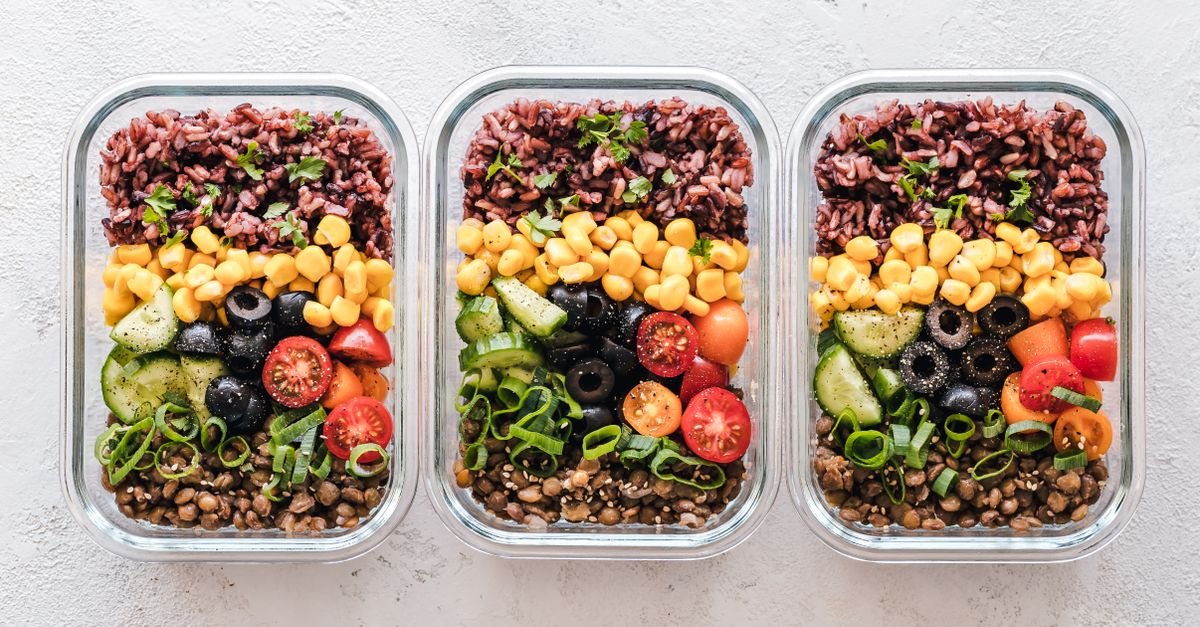
A 7-meals-a-day plan spreads your total daily calories across smaller, more frequent meals rather than 3 large ones — it can support weight loss by managing hunger and blood sugar more consistently, but the total calorie deficit still determines results, not the number of meals itself. Eating 7 times a day isn’t inherently better than eating 3 or 4; it’s simply a different structure that works well for certain people and lifestyles.
I’m Yash Pathak, founder and lead trainer at FitStrot. This eating pattern gets recommended often, and it’s worth understanding what it actually does versus the common myth that more frequent meals “boost metabolism.”
The Myth Worth Addressing First
A common claim is that eating more frequently “stokes your metabolism” and burns more calories overall. Research doesn’t support this — total calorie burn from digestion (the thermic effect of food) is based on total food and macronutrient composition across the day, not how many times you eat it. Someone eating 1,800 calories across 3 meals burns roughly the same total calories digesting that food as someone eating the same 1,800 calories across 7 meals. The real benefits of this structure lie elsewhere.
Where a 7-Meal Structure Genuinely Helps
Blood sugar stability. Smaller, more frequent meals can reduce the blood sugar spikes and crashes that come with large infrequent meals, which for some people translates to more stable energy and fewer intense hunger episodes.
Hunger management. Going 5-6 hours between large meals leads to significant hunger for many people, increasing the risk of overeating at the next meal. Smaller, more frequent meals can prevent this cycle.
Easier portion control. Smaller meals are naturally easier to portion appropriately than a large meal where it’s harder to gauge when you’ve had enough until you’ve already overeaten.
Better for certain training schedules. People training multiple times daily or with high activity levels sometimes find frequent smaller meals easier to digest around training sessions than 3 large meals.
What a 7-Meal Day Might Look Like
Meal 1 (7 AM): Moong dal chilla or eggs. Meal 2 (9:30 AM): A piece of fruit or a small handful of nuts. Meal 3 (12 PM): One roti, dal, vegetables, salad. Meal 4 (2:30 PM): Roasted chana or a small bowl of curd. Meal 5 (4:30 PM): Buttermilk or a protein shake. Meal 6 (7 PM): A protein source with vegetables, light portion of rice or roti. Meal 7 (9 PM, if needed): A small, light snack like a handful of nuts, only if genuinely hungry before sleep.
Each “meal” doesn’t need to be a full sit-down affair — several of these are appropriately small snacks, which is part of what makes the structure practical across a full day.
Total Calories Still Determine the Outcome
The critical thing to understand: spreading 2,000 calories across 7 meals versus 3 doesn’t change whether you lose weight — the total calorie deficit relative to your maintenance level does. If this eating pattern makes it easier for you to stay within your target calories (through better hunger management and portion control), it supports weight loss indirectly. If it leads to unconscious grazing and calorie creep across 7 “meals,” it can just as easily work against you.
Who This Structure Suits Best
People who experience significant hunger and energy crashes with fewer, larger meals. Those with very active schedules or multiple training sessions who find smaller meals easier to digest around activity. And people who find smaller portions easier to control than judging when to stop eating a large meal.
Who Might Do Better With Fewer, Larger Meals
People who find frequent meal planning and prep burdensome or impractical given their schedule. Those who don’t experience significant hunger between 3 larger meals. And people managing conditions like insulin resistance, where some evidence suggests fewer, larger meals with adequate spacing may support better blood sugar management than frequent grazing — this varies by individual and is worth discussing with a doctor if relevant to your situation.
Building a Structure That Fits You
Neither 3, 5, nor 7 meals is inherently superior — the right structure is the one that helps you consistently hit your calorie and protein targets without excessive hunger or difficulty sustaining the plan. Our diet plan for weight loss guide covers the core principles that apply regardless of how many meals you split them across.
Why a Personalized Meal Frequency Matters
Whether 3, 5, or 7 meals works best for you depends on your schedule, hunger patterns, and how your body responds — not a universal rule. An online weight loss trainer can help determine and structure the meal frequency that fits your actual life and produces the best consistency for you specifically.
Why Meal Frequency Matters Less Than Total Intake
Whether you eat 3 meals or 7 smaller ones, research consistently shows total daily calorie and protein intake matter far more for weight loss than meal frequency itself — the “7 meals boosts metabolism” idea has limited scientific support beyond the very small thermic effect of digestion itself. That said, more frequent smaller meals can genuinely help some people manage hunger and blood sugar more comfortably through a calorie deficit, which is a legitimate reason to choose this structure even without a direct metabolic advantage — the real benefit is behavioral and comfort-related, not metabolic.
If frequent meals lead to mindless snacking or portion sizes creeping up because “it’s just a small meal,” the structure can backfire — tracking total daily intake regardless of how many meals you’re splitting it across keeps this in check.
Blood Sugar Stability and Why Some People Feel Better on More Frequent Meals
Beyond the metabolism myth, there’s a real physiological reason some people do genuinely feel and perform better on a 7-meal structure, and it comes down to blood sugar stability rather than calorie burning. Eating smaller, more frequent meals tends to produce gentler rises and falls in blood glucose compared to three large meals, which can translate into steadier energy levels and fewer sharp hunger crashes through the day, particularly for people who are prone to feeling shaky, irritable, or overly hungry a couple of hours after a big meal.
This matters practically because those sharp hunger crashes are often what drive impulsive snacking on whatever is convenient, biscuits, namkeen, or sugary tea, which can undo a carefully planned calorie deficit within minutes. For someone whose eating pattern has historically been three large meals followed by an afternoon energy slump and an evening binge, restructuring the same total calories into six or seven smaller meals can reduce these crash-and-craving cycles considerably, not because the frequency itself burns more, but because it removes the physiological trigger that was driving the extra eating.
This effect tends to be more pronounced in people managing blood sugar sensitivity or early insulin resistance, though anyone with diabetes or a related condition should work with their doctor on meal timing rather than adjusting this independently, since medication schedules are often built around a specific meal pattern.
Making a 7-Meal Day Work With an Indian Office or College Schedule
The biggest practical obstacle to a 7-meal structure isn’t the eating itself, it’s logistics, especially for anyone commuting to an office, sitting through back-to-back college lectures, or working a job where breaks aren’t entirely in your control. Seven meals only works if at least four or five of them can survive being carried in a bag or a tiffin box without needing refrigeration or reheating for hours.
Practical staples that travel well include roasted chana or makhana in a small dabba, a boiled egg or two, fruit that doesn’t bruise easily like guava or apple, sprouts salad prepared the night before, and paneer or peanut chaat that holds up for a few hours at room temperature. For the meals eaten at home, first thing in the morning and last thing at night, you have more flexibility to include hot food like poha, upma, or dal-chawal.
I’d also suggest batching preparation on a weekly basis rather than trying to cook fresh for seven meals every single day, which is rarely sustainable alongside a full-time job or academic schedule. Boiling a batch of eggs, roasting a week’s worth of chana, and portioning fruit and nuts into small containers on a Sunday evening turns what sounds like a demanding structure on paper into something that takes only a few minutes of decision-making each day. Without this kind of batching, most people find a 7-meal plan collapses back into three meals within the first ten days simply from the friction of constant preparation.
Prepping a 7-Meal Day Without Spending Your Whole Evening in the Kitchen
The single biggest reason people abandon a 7-meal structure within the first ten days isn’t hunger or discipline, it’s logistics — nobody wants to cook seven separate times a day, and most people don’t have a kitchen staff to make that realistic. If this is why you’re hesitant to try a higher-meal-frequency approach, the fix isn’t more willpower, it’s a Sunday routine that front-loads most of the week’s prep into roughly 90 minutes so your weekday mornings and evenings involve assembly, not cooking.
Boil a dozen eggs at once and they’ll keep in the fridge for five days, giving you an instant protein-forward snack for meal two or meal five without touching a stove. Soak and sprout a large batch of moong or chana on Sunday — it needs almost no daily effort beyond a quick rinse and keeps for four to five days, and it works as a savoury mid-morning or evening option that doesn’t need reheating. Cut a week’s worth of cucumber, carrot and paneer into containers on the same day, and portion out roasted makhana or roasted chana into small bags so grabbing a snack takes the same effort as grabbing a packet of chips, which matters more than people admit when you’re tired at 5pm and the easy option usually wins.
For anyone eating several of these meals at an office or on campus, prioritize things that travel well and don’t need a microwave, since not every workplace or hostel has one readily available. A small box of sprouts with lemon and chaat masala, a fruit like guava or apple that doesn’t need refrigeration, a handful of roasted peanuts, or a small container of curd with roasted flax seeds all hold up fine in a bag for several hours. Save the meals that genuinely need to be hot and freshly cooked — your dal-rice or your main lunch — for whichever one or two windows in the day you’re actually eating at home or somewhere with proper facilities, rather than trying to force all seven meals to be freshly prepared.
The other piece that saves real time is reducing decisions, not just cooking. Pick three or four snack combinations you actually enjoy and rotate through them for the week instead of trying to plan something different for every single slot — variety matters over a month, not over every individual day. A 7-meal structure sounds demanding on paper, but in practice it’s rarely more total cooking time than a 3-meal day, it’s just distributed differently, and a bit of Sunday batching is usually all it takes to make it sustainable rather than something you quietly give up on by Wednesday.
Frequently Asked Questions
Does eating 7 meals a day boost metabolism more than 3?
No — total calorie burn from digestion depends on total food intake and composition, not meal frequency. The benefits of more frequent meals come from hunger management and blood sugar stability, not a metabolic boost.
Is a 7-meal plan better for weight loss than 3 larger meals?
Neither is inherently better — what matters is which structure helps you consistently maintain your calorie deficit without excessive hunger. Both can work depending on individual preference and lifestyle.
Is it safe to eat 7 times a day?
Yes, as long as total daily calories and macronutrients stay within your target — the total intake matters more than how many times it’s divided across the day.
Can beginners follow a 7-meal structure?
Yes, though it requires more planning and preparation than fewer, larger meals — beginners should choose based on which structure realistically fits their schedule and reduces excessive hunger.
Ready for a Meal Structure Built Around Your Schedule?
A FitStrot online weight loss trainer helps determine whether 3, 5, or 7 meals fits your life best, then builds your calorie and protein targets around that structure.