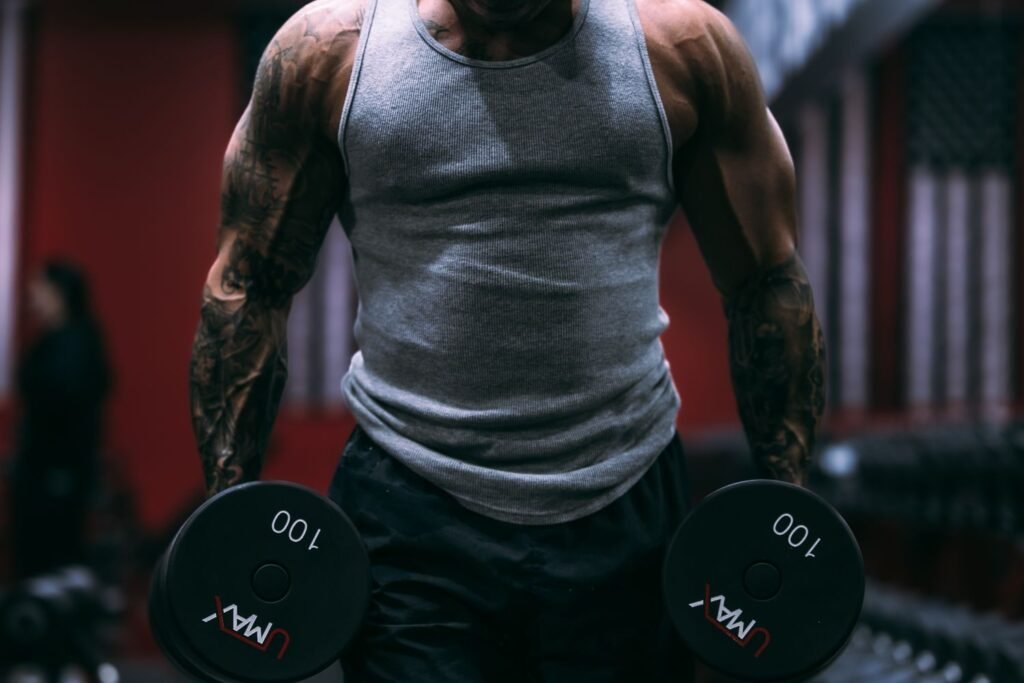
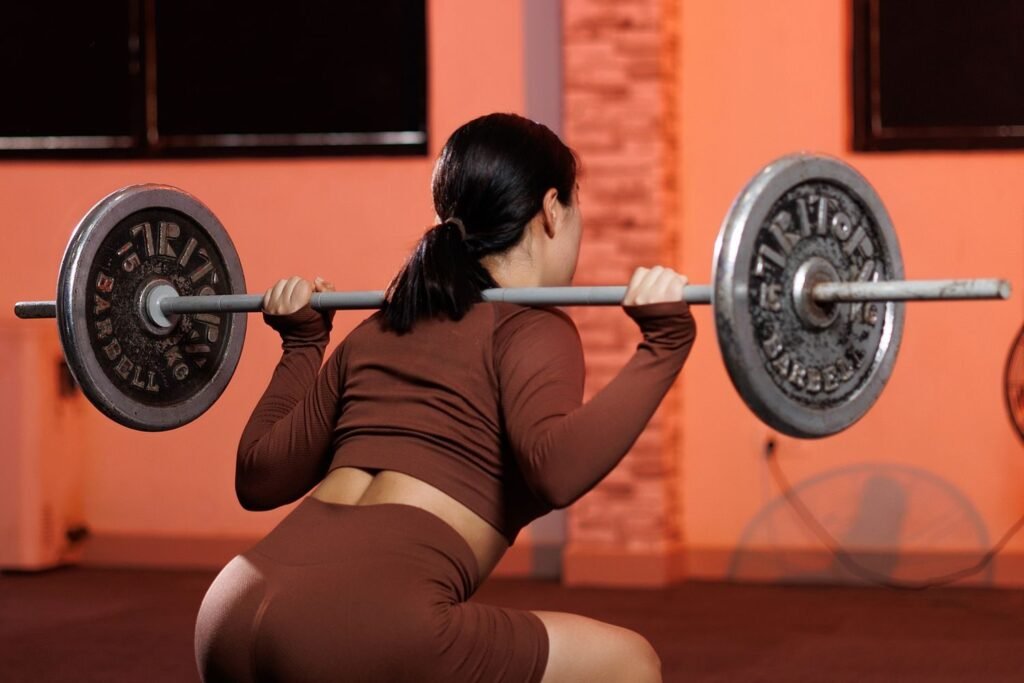
A superset workout means performing two exercises back to back with zero rest in between, then resting once you’ve finished both. Instead of doing a set, resting two minutes, then doing another set, you move straight from exercise one to exercise two before you take a break. It’s a way to pack more work into less time, push your muscles harder through added fatigue, and keep your heart rate up through a strength session. We build superset workouts for a lot of our FitStrot clients who train early in the morning or squeeze sessions into a lunch break, because the format cuts total workout time without cutting the training effect.
What Does a Superset Workout Actually Involve?
At its core, a superset pairs two exercises that you perform consecutively with no rest between them. You finish your set of exercise A, immediately move to exercise B, complete that set, and only then do you rest before starting the pair again. That’s the whole structure. What makes supersets useful is how you choose the pairing. Two exercises for the same muscle, two exercises for opposing muscles, or two exercises that don’t touch each other at all, each combination changes what the superset is doing for you physiologically.
This is different from a normal straight-set workout, where you rest fully after every set before moving on. Supersets compress the rest periods, which is exactly why they raise your heart rate and shorten your session. If you’ve got 30 minutes and a full-body plan to get through, supersets let you cover more ground than you would training one muscle group at a time with long breaks between sets.
What Types of Superset Pairings Should You Know?
Not all supersets are built the same way, and the type you pick should match your goal.
- Agonist-antagonist pairing. This pairs opposing muscle groups, like a bicep curl followed by a tricep extension, or a chest press followed by a seated row. While one muscle works, the other gets a brief break, so you can often keep your weights close to what you’d lift on a normal set. This is the most beginner-friendly type of superset because fatigue doesn’t stack as aggressively.
- Same muscle group pairing. Here you hit the same muscle twice in a row, like a leg press followed by a leg extension, or a lat pulldown followed by a bicep curl (both pull the same general chain). This is brutal in the best way. It’s a hypertrophy tool, built specifically to push a muscle past the point where a single set would take it, which drives extra metabolic stress and pump.
- Unrelated muscle group pairing. This one is purely about time efficiency. You pair something like a plank with a set of goblet squats, two exercises that don’t compete for the same energy systems or muscle fibers. Neither exercise suffers much from the other, and you save a chunk of time compared to doing them as separate straight sets.
How Do You Do a Superset Workout in Practice?
Start by picking your pairing type based on your goal for the day. Choose the exercises, set your rep range (we typically program 8 to 15 reps per exercise for hypertrophy-focused supersets), and move from the first exercise straight into the second with no rest. Rest 60 to 90 seconds after completing both, then repeat the pair for your target number of rounds. Keep your form tight even as fatigue builds. This is where a lot of people at gyms start rushing reps just to get through the pair, and that’s exactly where injuries creep in.
A simple way to structure a session is to build three or four superset pairs and cycle through them, treating each pair as one “block.” This works well inside a full body workout, where you’re trying to train multiple muscle groups without spending 90 minutes in the gym.
When Are Supersets Actually Useful?
Supersets earn their place in a program under a few specific conditions. If you’re short on time, they let you get through more exercises in a fixed window because you’re not sitting around between every single set. If your goal is hypertrophy, or you’re chasing that burning, pumped feeling that comes from metabolic stress, back-to-back sets with minimal rest push muscles into that zone faster than straight sets do. And if you’re trying to keep your heart rate elevated through a strength session for a conditioning effect, supersets do that naturally because you’re rarely standing still.
We see clients get the most out of supersets when they’re training three days a week and need each session to cover a lot without dragging past 45 minutes. That’s really the sweet spot for this format.
When Should You Skip Supersets?
Supersets aren’t the right tool for every goal, and pretending otherwise does people a disservice. If you’re training for pure maximal strength, chasing a heavier squat, deadlift, or bench press one-rep max, your nervous system needs full recovery between sets. Supersetting a heavy squat with anything else means you’re walking into your next heavy set already fatigued, and that’s going to cost you weight on the bar and increase injury risk on movements where technique under load matters most.
The same goes for complex, technical lifts where fatigue compromises your form fast, think Olympic lift variations or anything requiring sharp coordination. In those cases, stick to straight sets with full rest and save supersets for accessory work or separate hypertrophy-focused sessions.
What Does a Sample Superset Workout Look Like?
Here’s a full-body superset session we use with clients who want an efficient, muscle-building workout in under 45 minutes. It mixes agonist-antagonist and unrelated pairings so no single muscle group gets overloaded early.
| Superset Pair | Exercise A | Exercise B | Sets | Reps | Rest After Pair |
|---|---|---|---|---|---|
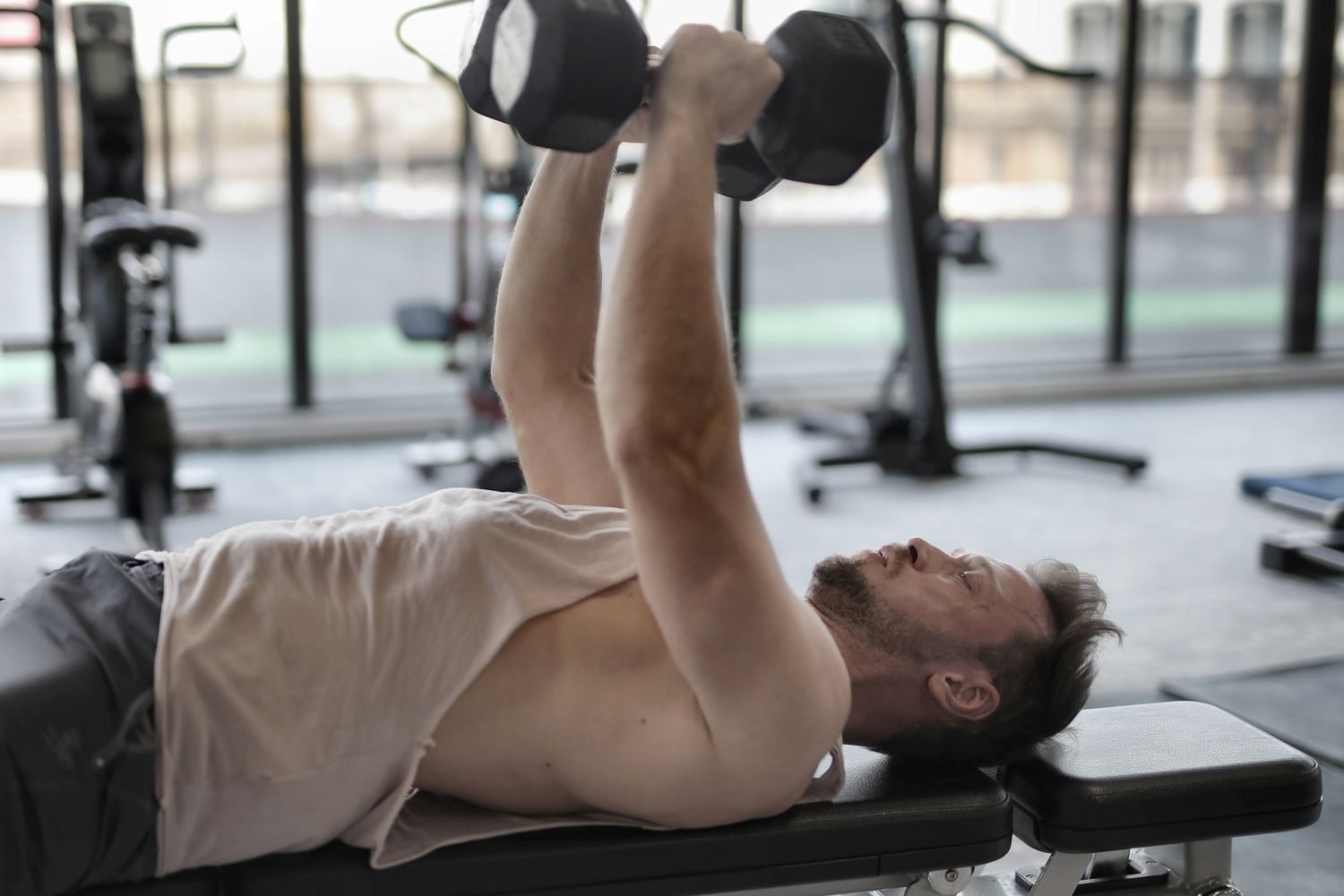
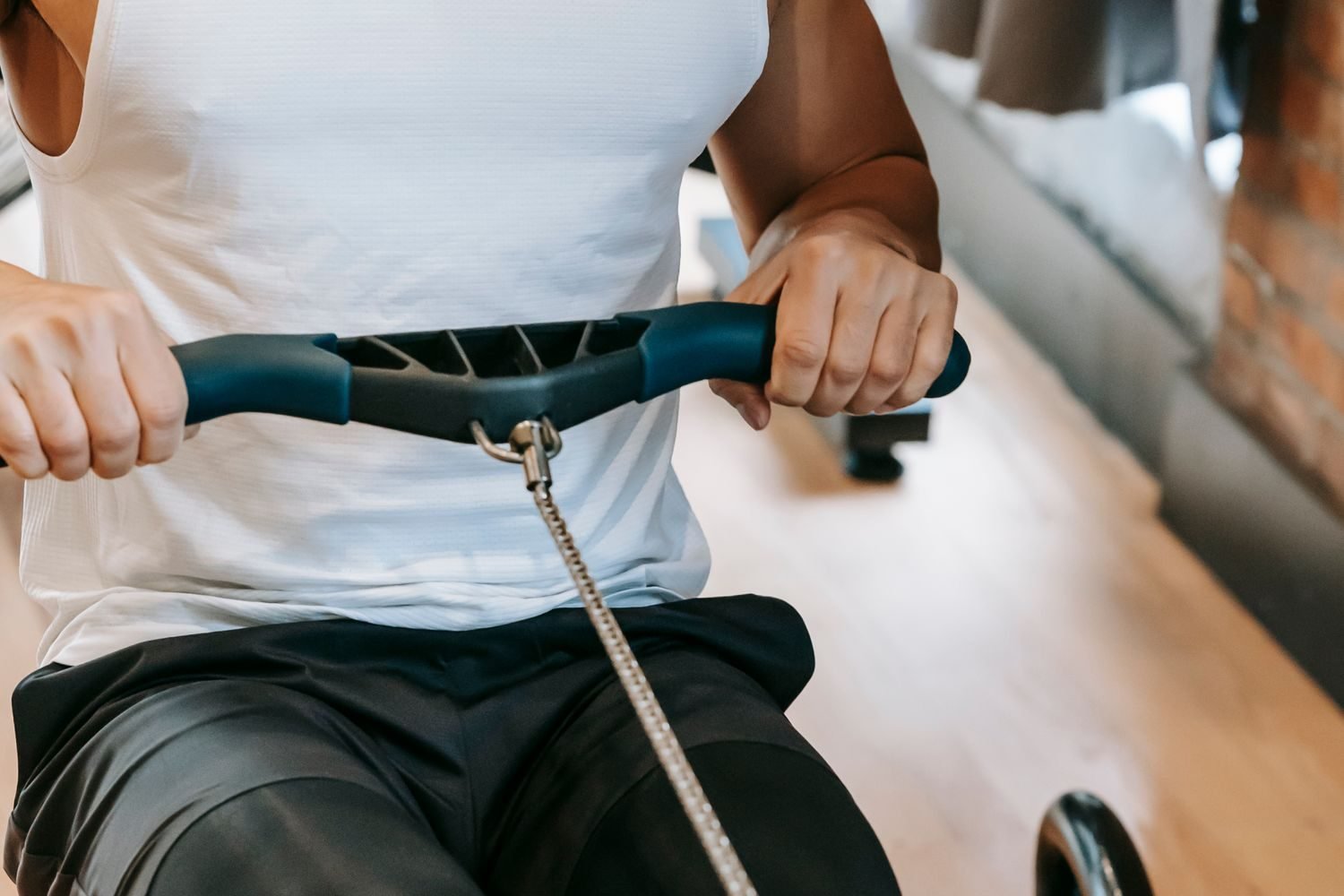
| Pair 1 | Dumbbell Chest Press | Seated Cable Row | 3 | 10-12 each | 60 seconds |
| Pair 2 | Goblet Squat | Plank Hold | 3 | 12 reps / 30-40 sec hold | 60 seconds |
| Pair 3 | Dumbbell Bicep Curl | Overhead Tricep Extension | 3 | 12-15 each | 60 seconds |
| Pair 4 | Romanian Deadlift | Standing Shoulder Press | 3 | 10-12 each | 75 seconds |
Run through all four pairs in order. If you’ve got the time and energy left, you can repeat pairs 1 and 2 for a fifth round, but for most people three rounds per pair is enough to feel it the next day.
How Many Sets Should a Superset Workout Include?
Volume still matters inside a superset structure, it’s just organized differently. A good starting point is 3 sets per superset pair, which gives you 6 total working sets per pairing once you count both exercises. For a full-body session with four pairs, that puts you around 24 total sets, which sits comfortably within general training guidelines. If you want a deeper breakdown of how set volume should scale with your goals and experience level, our guide on how many sets per workout walks through the numbers by muscle group and training age.
Don’t just keep adding pairs because the format feels efficient. More supersets means more accumulated fatigue, and quality drops off fast once your form starts breaking down mid-set.
Frequently Asked Questions
What is a superset workout?
A superset workout is a training method where you perform two exercises back to back with no rest between them, then rest once both are complete before repeating the pair. It’s used to save time, increase muscle fatigue for growth, or keep your heart rate elevated through a strength session, depending on how the exercises are paired.
How do you do a superset workout?
Pick two exercises based on your goal, agonist-antagonist, same muscle group, or unrelated muscle groups, then perform a set of the first exercise immediately followed by a set of the second with zero rest between them. Rest 60 to 90 seconds after finishing both, then repeat the pair for your target number of rounds.
What are the benefits of a superset workout?
Supersets cut your total training time since you skip rest between paired exercises, and they increase metabolic stress, which supports muscle growth. They also keep your heart rate elevated for a conditioning effect and let you cover more muscle groups in a single session, making them ideal for people training on a tight schedule.
Should You Add Supersets to Your Training?
If you’re pressed for time or chasing hypertrophy, supersets deserve a spot in your program. If you’re chasing a max lift or working through a technical movement pattern, leave them out and stick to straight sets with full recovery. The format isn’t complicated once you understand the pairing options, but getting the exercise selection, load, and rest periods right for your specific body and goals is where a lot of people go wrong on their own.
That’s exactly what we work through with clients inside FitStrot’s 1-on-1 personal training program. Yash Pathak and our coaching team build superset structures around your actual schedule, recovery, and goals, whether that’s fitting a full session into 30 minutes or programming around a strength plateau. If you want a plan that adapts as you progress instead of a generic template, that’s what 1-on-1 coaching is built for.