Yes, for most women it’s perfectly fine to work out during periods, and in many cases it actually helps. Light to moderate exercise can ease cramps, lift your mood, and keep your energy steadier through the week. The key is adjusting intensity to how you feel rather than forcing your usual heavy session. If you have severe pain, unusually heavy bleeding, or a diagnosed condition like endometriosis, that’s a different conversation, and we’d always tell you to check with a doctor first. For everyone else, movement on your period is not just allowed, it’s genuinely useful.
Is It Safe to Work Out During Periods?
This is the question we get asked the most at FitStrot, and the short answer is yes. There’s nothing about menstruation that makes exercise dangerous for a healthy woman. Your body is fully capable of walking, lifting, stretching, and even running while you’re on your period. What changes is how you might feel, not what your body can physically handle.
Some days you’ll have plenty of energy and can train close to normal. Other days you’ll feel heavier, more tired, or crampy, and that’s when scaling back makes sense. Safety isn’t really the concern here. Comfort and energy levels are.
How Can Exercise Actually Help With Cramps and Mood?
Movement increases blood flow, and better blood flow to the pelvic area can genuinely take the edge off cramps for a lot of women. Exercise also releases endorphins, which act as natural painkillers and mood lifters. So while it might feel counterintuitive to move when you’re achy, a short session often leaves you feeling looser and calmer than lying still does.
We see this play out often in our coaching sessions. Clients who show up feeling sluggish and irritable on day one or two of their cycle usually leave a light session in a noticeably better mood, even when they walked in saying they didn’t feel like training at all.
Exercise can also help with the bloating and low mood that often show up around this time. It won’t erase PMS symptoms completely, but it takes them down a notch for most people.
What Type of Exercise Works Best During Your Period?
This depends heavily on the day and how you feel, but as a general rule, lower-impact and moderate-intensity work tends to feel better than maxing out.
- Walking: Simple, low pressure on the body, and great for easing cramps and improving mood without draining you.
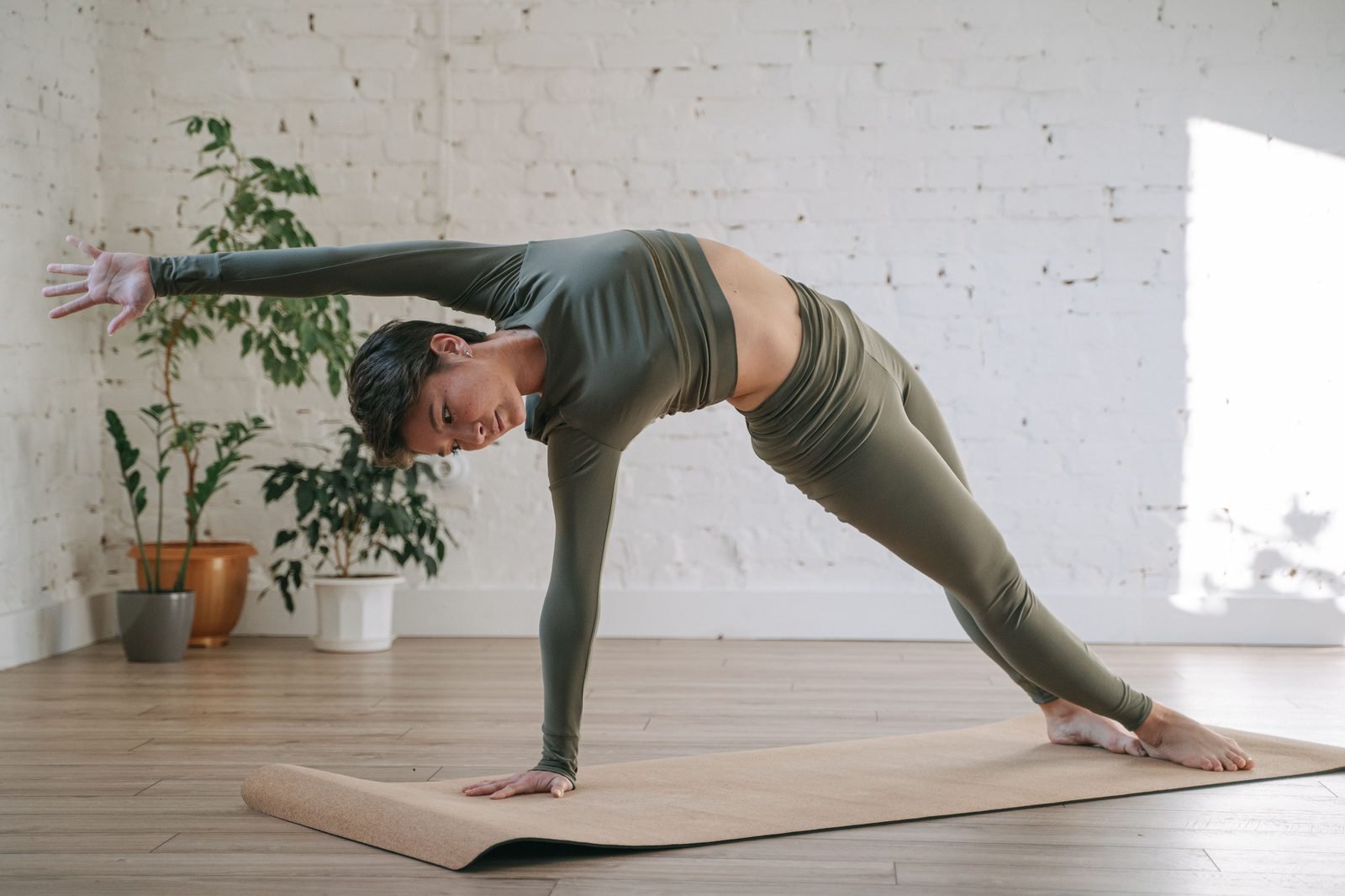
- Yoga: Poses like child’s pose, cat-cow, and gentle twists can relieve lower back and pelvic tension.
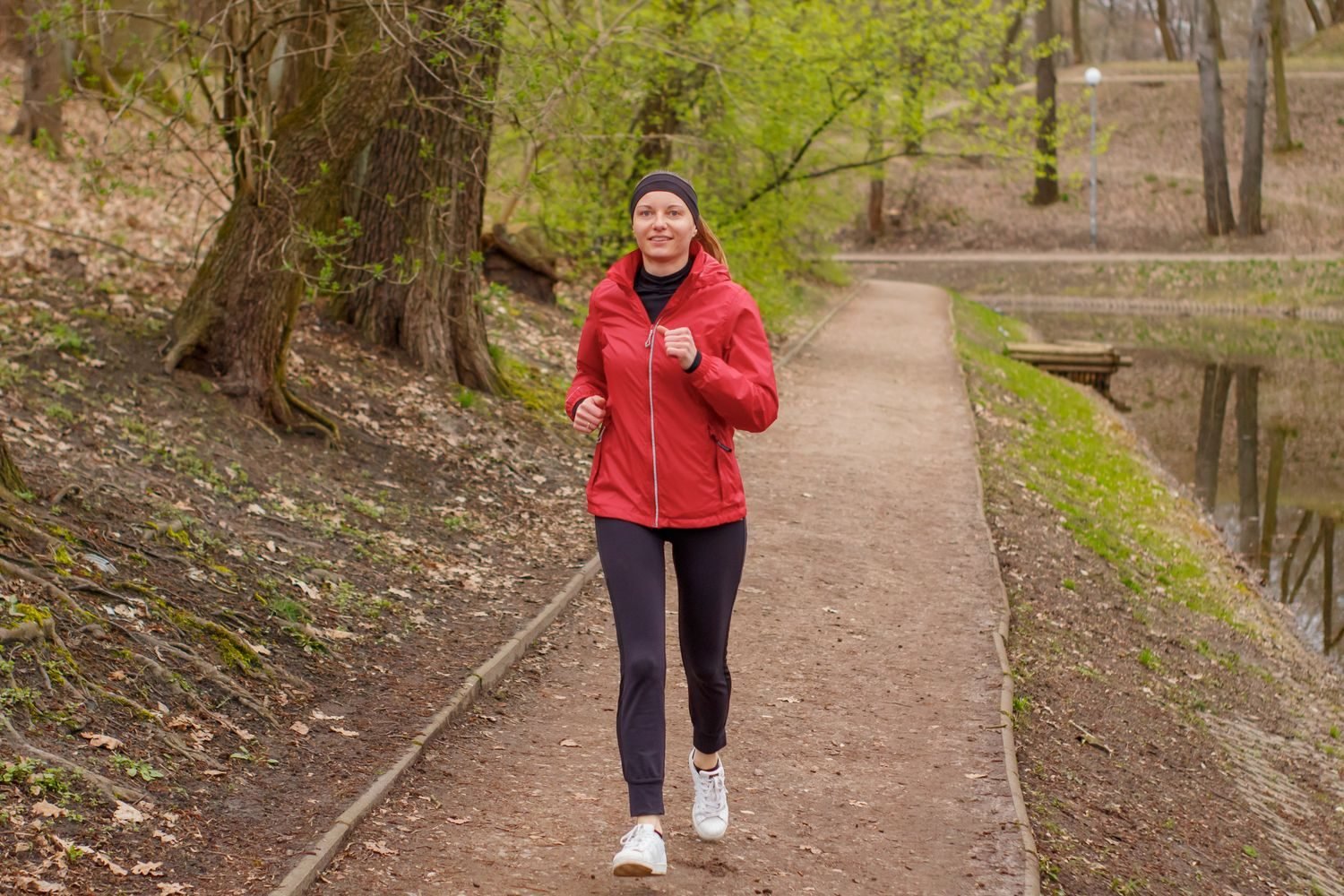
- Light cardio: Cycling on a low resistance or a light jog works fine for most women, especially past the first day or two.
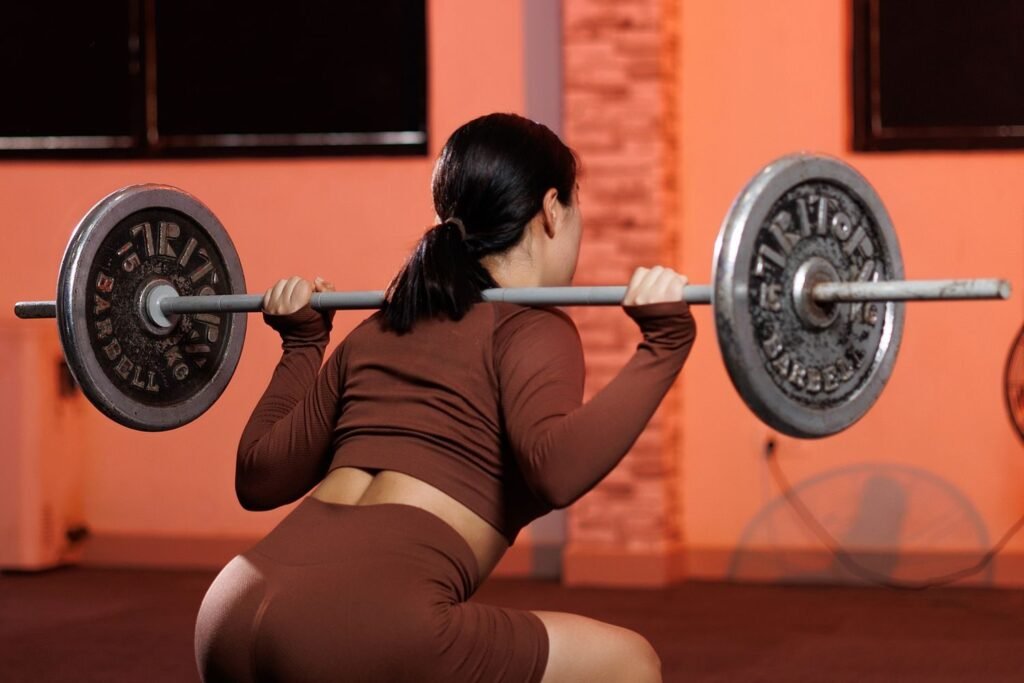
- Strength training: Totally fine, just consider trimming the load or the number of sets on your heaviest days. If you’re newer to lifting, a well-structured beginner workout plan already builds in lighter days you can lean on during your period.
Heavy lifting and high-intensity interval training aren’t off limits, but they’re best saved for days when you’re actually feeling strong rather than pushed through out of habit. Listen to what your body is telling you that day and pick accordingly.
How Do You Manage Cramps During a Workout?
Cramps during workout sessions are common, especially on the first two days of your period, and there are a few things that genuinely help.
- Warm up properly. Skipping this and jumping into intense movement tends to make cramping worse.
- Include gentle stretches for the lower back, hips, and abdomen before and after training.
- Slow down your pace the moment cramping spikes, don’t push through sharp pain.
- Pay attention to your breathing. Slow, deep belly breaths can help you relax through a cramp instead of tensing up around it. It’s a small thing, but knowing how to breathe during a workout in general, not just on your period, makes the whole session feel more controlled.
If cramps are mild and dull, movement usually helps. If they’re sharp and getting worse as you train, that’s your body asking you to stop and rest, not push harder.
Why Does Drinking Water During Workout Matter More on Your Period?
Hydration matters every day, but drinking water during a workout becomes even more important when you’re on your period. Hormonal shifts around your cycle can affect fluid balance, and dehydration tends to make cramps and headaches worse, not better.
Keep a bottle nearby and sip through your session rather than chugging afterward. If you notice you’re sweating too much during a workout on your period, that’s completely normal for some women due to hormonal fluctuations, just replace fluids a bit more consistently than usual.
On a related note, if you find yourself yawning during a workout, it’s often just your body signaling fatigue or mild dehydration rather than anything period-specific. It’s a good nudge to check your water intake and maybe your sleep the night before, and to ease off if you’re genuinely running low on energy that day.
One more thing worth mentioning here, since it often comes up around hydration and energy levels: if you’re someone who relies on coffee before a workout for a jolt, it’s worth going a little lighter on caffeine during your period, since it can sometimes intensify bloating and jitteriness for some women.
How Should You Adjust Intensity Across the Menstrual Cycle?
Your energy and strength levels naturally shift across your cycle, and building your training around that rhythm tends to feel a lot better than sticking to a rigid schedule no matter what. Here’s a general guide we use with clients.
| Cycle Phase | Typical Days | How You Might Feel | Suggested Intensity |
|---|---|---|---|
| Menstrual (Period) | Day 1-5 | Lower energy, cramps, fatigue possible | Light: walking, yoga, gentle mobility work |
| Follicular | Day 6-13 | Rising energy, improved mood | Moderate to high: strength training, cardio, HIIT |
| Ovulatory | Day 14-16 | Peak energy and strength | Normal to high: heavy lifts, personal bests |
| Luteal | Day 17-28 | Energy dips, possible bloating, PMS | Moderate, tapering to light closer to your period |
This is a general pattern, not a fixed rule. Cycle lengths vary, and how you feel on any given day should always take priority over what a chart says you should be doing. If you’re following a structured workout plan, it’s worth building in this kind of flexibility so you’re not fighting your own body every month.
When Should You Skip a Workout and Rest Instead?
There’s a difference between not feeling like training and your body genuinely needing rest, and it’s worth learning to tell them apart. Skip the workout, or at least scale it right down, if you’re dealing with any of the following.
- Severe cramping that doesn’t ease with light movement or stretching
- Heavy bleeding that leaves you dizzy, lightheaded, or unusually weak
- Migraines or severe headaches
- Extreme fatigue where even basic tasks feel hard
Mild fatigue and low motivation are normal and often improve once you get moving. Severe pain, unusually heavy flow, or symptoms that stop you from functioning normally are not something to push through, and they’re worth a conversation with your doctor, especially if they show up every cycle.
What Are Some Hygiene and Comfort Tips for Training on Your Period?
Comfort makes a bigger difference than most people expect when it comes to actually sticking with your training during your period.
- Choose a period product you trust for the type of movement you’re doing. Tampons or menstrual cups tend to work well for swimming or high-movement sessions, while pads are fine for walking or light yoga.
- Wear dark-colored bottoms if you’re worried about leaks, it takes the stress out of training.
- Change your product before and after your session, especially if you’ve been sweating.
- Keep a small kit with extra products, wipes, and a spare pair of underwear in your gym bag.
- Shower soon after training to stay fresh and comfortable.
None of this needs to be complicated. A little planning ahead means period days don’t have to derail your routine at all.
If you want a training plan that actually flexes around your cycle instead of ignoring it, that’s exactly the kind of thing our coaches build into your program. Our 1-on-1 personal training service adjusts intensity, volume, and exercise selection to how your body is actually doing that week, period included.
Frequently Asked Questions
Should we workout during periods?
Yes, for most healthy women it’s safe and often helpful to work out during periods. Light to moderate exercise can ease cramps and improve mood. Adjust intensity to how you feel each day, and see a doctor if you have severe pain or unusually heavy bleeding.
Should you workout during periods?
Generally yes. Exercise doesn’t harm your body during menstruation and can reduce cramping and boost energy through better blood flow and endorphins. Choose lighter activities like walking or yoga on tougher days, and save intense training for when you’re actually feeling strong.
Can we do workout in periods?
Yes, you can exercise during your period, including cardio, yoga, and strength training. There’s no medical reason to avoid movement unless you have severe symptoms or a specific health condition. Scale the intensity down on heavier or more painful days and stay well hydrated.
Is it good to workout during periods?
It’s often genuinely good for you. Exercise can ease cramps, reduce bloating, and lift your mood through improved circulation and endorphin release. Keep the intensity moderate, listen to your body, and rest instead if pain or fatigue becomes severe.