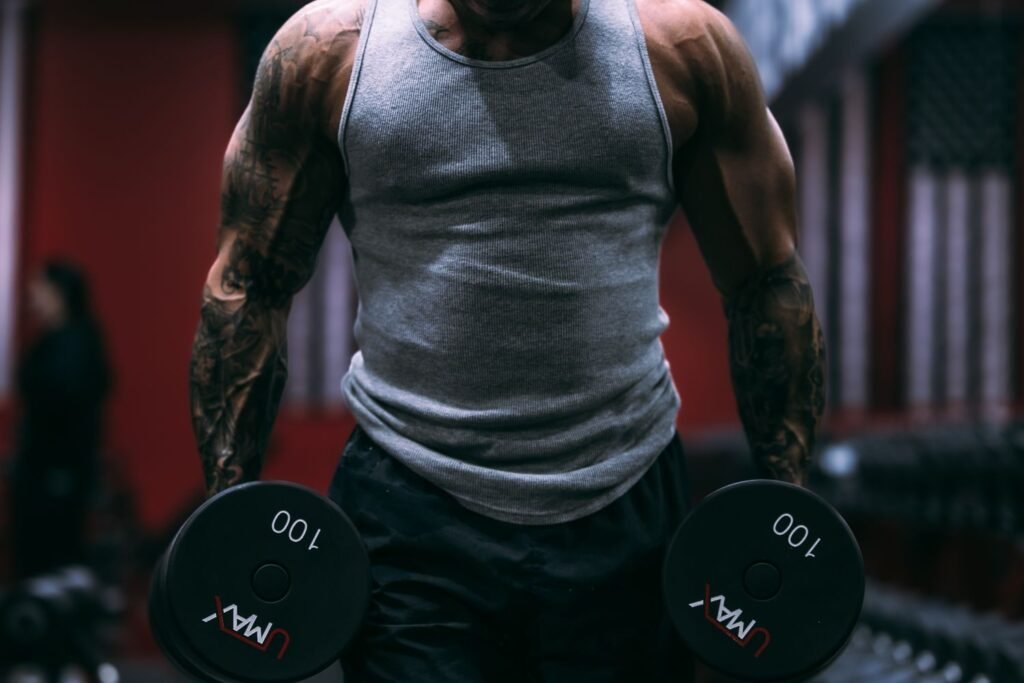
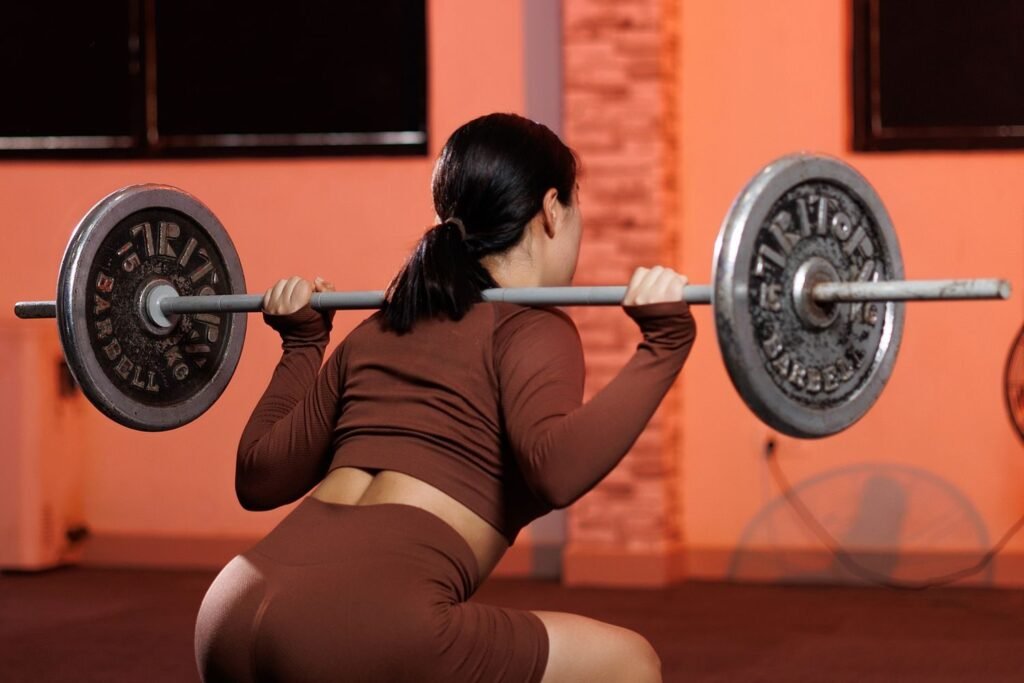
A powerlifting workout is strength training built around three lifts: the squat, the bench press, and the deadlift. Unlike bodybuilding, where the goal is building muscle size through higher reps and constant variety, powerlifting trains you to move the heaviest possible weight for a single rep on those three lifts. Sessions are organized around low rep ranges (1 to 6 reps), heavier loads, longer rest periods, and a lot of repetition of the competition lifts and their close variations. If you want to get strong in a measurable, testable way, this is the training style built for that exact goal.
What Is a Powerlifting Workout?
Powerlifting is a strength sport. Competitors get three attempts each on the squat, bench press, and deadlift, and the heaviest successful lift in each category gets added up for a total. That’s it. No presentation round, no posing, no judging on symmetry or muscle definition. Just weight on the bar, moved through a full range of motion, under strict rules.
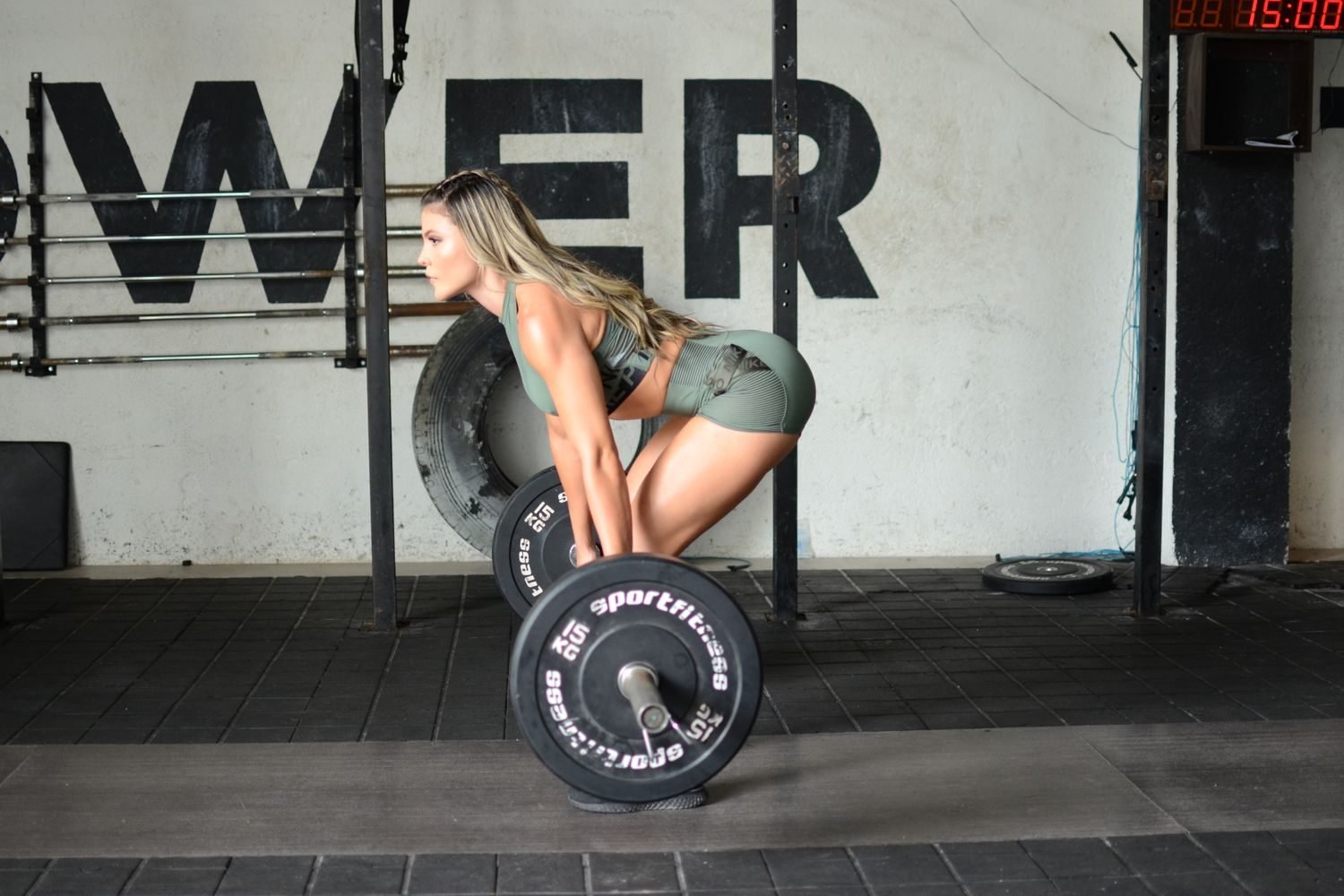
A powerlifting workout, then, is any training session built to improve your performance on those three lifts. It usually centers on the “big three” themselves plus a handful of accessory exercises that support them, like pause squats, close-grip bench, deficit deadlifts, rows, and leg press. Everything in the program exists to serve the total.
How Is Powerlifting Training Different From Bodybuilding?
This is where a lot of people get confused, because both styles use barbells and both build muscle. But the intent and the programming are different in almost every way that matters.
Bodybuilding training chases muscle growth and shape. It uses moderate to high reps (usually 8 to 15), shorter rest periods (60 to 90 seconds), a wide variety of exercises to hit muscles from different angles, and a focus on the “pump” and time under tension. You’ll see a bodybuilding split full of cable flyes, leg extensions, and isolation work for arms and shoulders.
Powerlifting training chases maximal strength on three specific movements. It uses low reps (1 to 6, sometimes up to 8 in off-season blocks), longer rest periods (3 to 5 minutes on heavy sets, because your nervous system needs to recover, not just your muscles), and far less exercise variety. You’ll squat, bench, and deadlift (or a close variant of each) multiple times a week, every week, for months. Accessory work exists to fix weak points in those three lifts, not to build a balanced physique.
Intensity also plays out differently. Bodybuilders often train close to failure on isolation movements. Powerlifters train with heavy weight but usually leave a rep or two in reserve on most sets, saving true maximal effort for planned peak weeks or competition day. Chasing failure on every heavy squat session is a fast way to burn out your joints and your central nervous system.
If you’re dealing with soreness that won’t go away between sessions, that’s usually a programming or recovery issue, not something specific to lifting heavy. We’ve written more on that here: muscle pain after workout.
How Do You Structure a Powerlifting Workout?
A well-built powerlifting session usually follows this order:
- Warm-up and ramp-up sets. Start light and add weight gradually until you reach your working weight for the day. This isn’t optional. Jumping straight to a heavy triple on squats without ramping up is how people tweak their lower back.
- Main lift. This is the priority for the day, squat, bench, or deadlift, done first while you’re fresh. Sets are usually in the 1 to 6 rep range at 70 to 90% of your one-rep max, depending on where you are in the training cycle.
- Secondary or variation lift. A close cousin of the main lift, done at slightly lower intensity. Think pause bench after a heavy bench day, or front squat after a heavy back squat day. This builds volume without adding as much fatigue as another all-out main lift session.
- Accessory work. Two to four exercises targeting weak points, triceps and shoulders for bench, upper back and hamstrings for deadlift, quads and core for squat. Reps here run higher, usually 8 to 12.
Rest between heavy main lift sets should be 3 to 5 minutes. Between accessory sets, 60 to 90 seconds is enough. We see a lot of people new to powerlifting rush their rest periods because they’re used to bodybuilding-style circuits, and then wonder why their squat numbers stall even though they’re training hard. Strength needs recovery between sets, not just between sessions.
What Does a Sample Powerlifting Training Week Look Like?
Here’s a straightforward four-day powerlifting week that hits each lift with a heavy and a lighter session. This is a general template, not a prescription, your actual sets, reps, and percentages should be adjusted based on your current strength level and recovery.
| Day | Focus | Main Lift | Sets x Reps | Accessory Work |
|---|---|---|---|---|
| Monday | Squat (heavy) | Back Squat | 5 x 3 @ 80-85% | Leg press 3×10, walking lunges 3×12, plank 3x45s |
| Tuesday | Bench (heavy) | Bench Press | 5 x 3 @ 80-85% | Close-grip bench 3×8, dumbbell row 3×10, triceps pushdown 3×12 |
| Wednesday | Rest or light mobility | – | – | Hip and shoulder mobility, light walking |
| Thursday | Deadlift (heavy) | Conventional Deadlift | 4 x 3 @ 80-85% | Romanian deadlift 3×8, back extension 3×12, farmer carry 3 rounds |
| Friday | Squat and bench (light) | Front Squat + Bench Press (pause) | 4 x 5 @ 65-70% | Bulgarian split squat 3×10, overhead press 3×8, face pulls 3×15 |
| Saturday | Optional accessory day | – | – | Core work, upper back volume, light cardio |
| Sunday | Rest | – | – | Full recovery |
Note that deadlift volume stays lower than squat and bench. Deadlifts are the most taxing lift on your lower back and nervous system, so most powerlifting programs cap heavy deadlift sessions at once, sometimes twice, a week.
What Are the Benefits of a Powerlifting Workout?
Strength gains are the obvious one, but they’re not the only reason people stick with this style of training.
It’s measurable. Every session has a clear number to beat. You either lifted more than last month or you didn’t. That kind of feedback keeps people consistent in a way vague goals like “tone up” rarely do.
It builds real functional strength. Squatting, pressing, and hinging under load carries over directly to daily life, lifting groceries, carrying kids, moving furniture, getting up off the floor without your knees complaining.
It protects bone density and joint health. Heavy, progressive loading is one of the best tools we have for maintaining bone density as you age, particularly important past your mid-30s.
It builds muscle too. Low reps at heavy loads still trigger hypertrophy, just through a different mechanical pathway than bodybuilding-style training. You won’t look like a bodybuilder from powerlifting alone, but you won’t stay small either.
If your goal is more muscle mass specifically rather than a pure strength total, you might want to pair some of these principles with a program built for size. We cover that combination in our double muscle workout plan guide.
How Do You Start Powerlifting as a Beginner?
Don’t start by maxing out. The biggest mistake beginners make is testing their one-rep max in week one, before their technique and joints are ready for that kind of load. Spend the first four to six weeks learning proper squat, bench, and deadlift form with moderate weight, 65 to 75% of what you think you can lift. Get a coach or an experienced lifter to check your bar path, depth, and bracing before you start adding real weight. Technique breakdowns under heavy load are how people get hurt, and bad habits picked up early are hard to unlearn later.
Progress slowly. Add small amounts of weight each week rather than jumping in big increments. Strength built this way sticks. Strength chased too fast usually comes with an injury attached.
Frequently Asked Questions
What is a powerlifting workout?
A powerlifting workout is a strength training session built around the squat, bench press, and deadlift, the three lifts contested in powerlifting competitions. It uses low reps, heavy loads, and longer rest periods, with accessory exercises added to strengthen weak points in those three specific lifts.
How do you do a powerlifting workout?
Warm up gradually, then perform your main lift for the day (squat, bench, or deadlift) in the 1 to 6 rep range at 70 to 90% of your max. Follow with a variation lift and two to four accessory exercises. Rest 3 to 5 minutes between heavy sets and keep sessions focused rather than long.
What are the benefits of a powerlifting workout?
Powerlifting builds measurable strength, improves bone density, and carries over directly to everyday movements like lifting and carrying. It also builds muscle, just through heavier loads and lower reps rather than the higher-rep approach used in bodybuilding. Many lifters also find the clear numeric progress keeps them more consistent long term.
How many days a week should you train powerlifting?
Three to five days a week works for most lifters, depending on experience and recovery capacity. Beginners often do well with three full-body sessions hitting all three lifts, while intermediate lifters move toward four-day splits like the one above that separate squat, bench, and deadlift focus days.
Is powerlifting safe for beginners?
Yes, when the technique comes first and the weight comes second. Beginners should spend several weeks building proper squat, bench, and deadlift form before loading heavily. Working with a coach early on to check technique reduces injury risk significantly compared to learning entirely on your own.
Powerlifting rewards patience and consistency more than any other training style, but getting your technique and programming right from day one matters just as much as showing up. If you want a structured plan built around your current strength level, recovery capacity, and goals, FitStrot’s 1-on-1 personal training pairs you with a coach who builds and adjusts your powerlifting program week to week, so you’re always progressing without guessing.