No single food meaningfully “boosts” your metabolism. The foods most often marketed this way — cayenne pepper, green tea, grapefruit, cinnamon — produce effects so small they’re often invisible outside a lab, typically adding somewhere between 0 and 50 calories a day at best. The one genuinely useful lever hiding inside this conversation isn’t an exotic ingredient at all: it’s protein, and specifically the extra energy your body spends digesting it. That effect is real, measurable, and roughly double what capsaicin manages, but it’s still a supporting player next to muscle mass and consistent eating patterns. If you want the full picture on how metabolism actually works, we’ve covered the mechanisms in our deep dive on human metabolism. This article is narrower: a food-by-food, evidence-based audit of what “metabolism boosting” claims actually hold up under research.
Your metabolic rate is driven overwhelmingly by body size, muscle mass, age, sex, and activity level — not by what spice you sprinkle on dinner. The supplement industry has spent decades selling “fat-burning” ingredients because a jar of cayenne capsules is an easier sell than “build muscle and eat enough protein for the next two years.” Below is what the clinical research actually says, without the marketing gloss.
Does green tea or caffeine actually speed up metabolism?
Yes, modestly and temporarily — this is one of the few claims with real backing. Studies on tea catechins combined with caffeine show increases in energy expenditure in the range of roughly 3-4% above baseline, measured over several hours after ingestion. A randomized, placebo-controlled crossover trial published in the European Journal of Nutrition found statistically significant increases in energy expenditure after catechin-plus-caffeine intake compared to placebo, though the effect size varied notably between individuals based on caffeine tolerance and genetics.
To put a 3-4% bump in perspective: for someone burning roughly 2,000 calories a day, that’s on the order of 60-80 calories — similar to the energy in a couple of bites of toast, and it doesn’t persist all day from a single cup. Some trials have shown resting metabolic rate increases as small as 44 kcal/day, others closer to 260 kcal/day, but the higher numbers tend to appear in studies where subjects were also doing resistance training, which muddies how much credit the tea itself deserves. The honest summary: caffeine and green tea catechins produce a real but small and inconsistent thermogenic effect, nowhere near enough to offset a poor diet or sedentary lifestyle. For the fuller explanation of why total energy balance matters more than any single ingredient, see our nutrition and fat loss guide.
Does spicy food with capsaicin really burn calories?
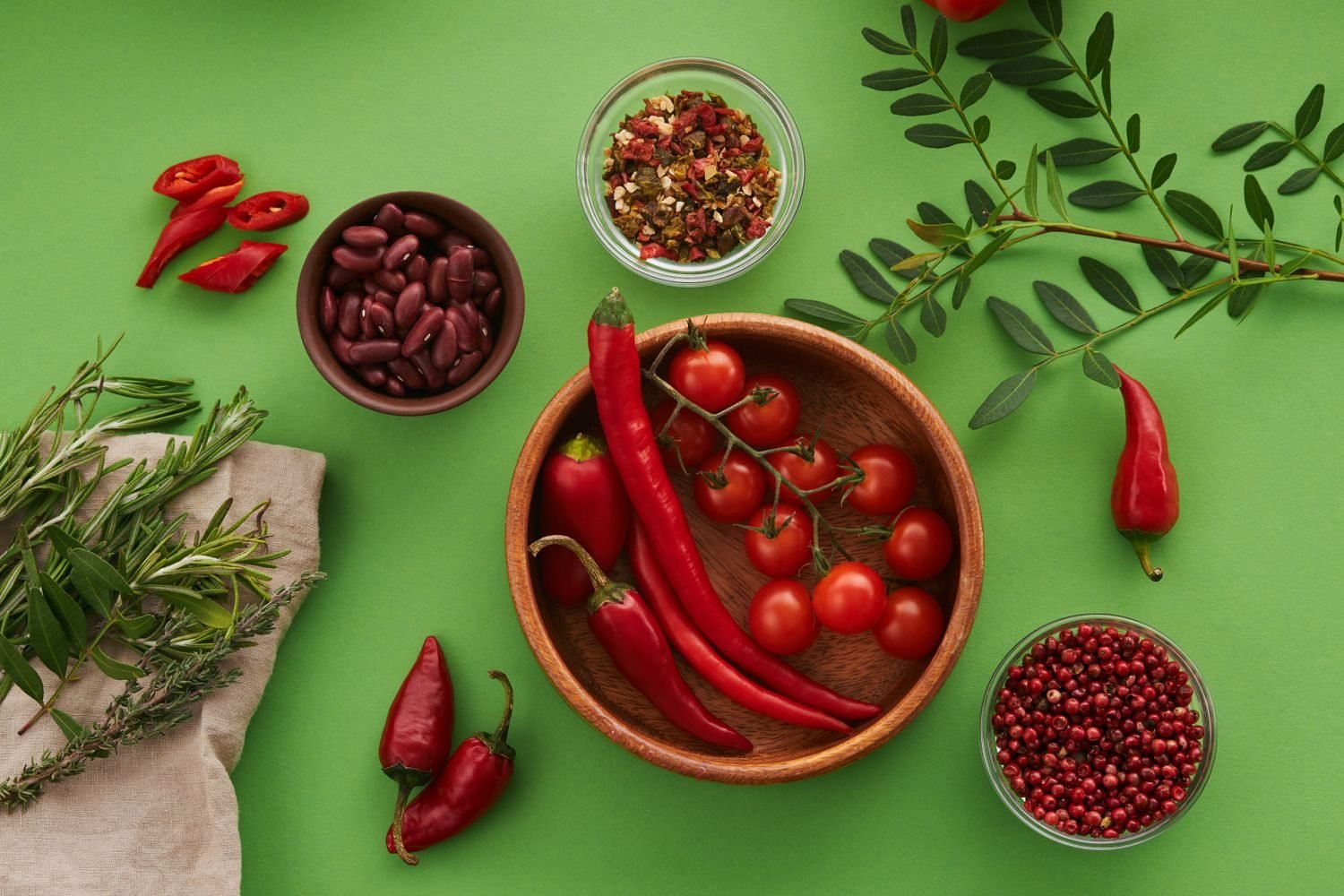
It does something — just not much. Capsaicin, the compound that makes chili peppers hot, activates TRPV1 receptors and can trigger brown fat activity and sympathetic nervous system responses that modestly raise energy expenditure. A meta-analysis in Chemical Senses reviewing multiple human trials found capsaicin and capsiate both increase energy expenditure and fat oxidation, but the practical magnitude is small — commonly cited figures put the effect around 34 extra calories burned per day.
Thirty-four calories is less than what’s in a single almond. It’s also less than half of what protein’s thermic effect can deliver (more on that below). Capsaicin may also modestly suppress appetite in some studies, which could matter more for total intake than its direct calorie-burning effect. If you like spicy food, there’s no reason to avoid it — just don’t expect chili flakes to substitute for a real fat-loss strategy.
What about cinnamon, grapefruit, apple cider vinegar, and other “fat-burning” foods?
This is where the evidence gets thin fast. Cinnamon has some research suggesting it may modestly improve insulin sensitivity and blood sugar handling in people with insulin resistance, but that’s a metabolic health effect, not a calorie-burning one. Apple cider vinegar has small studies suggesting modest effects on post-meal blood sugar and short-term satiety, but no credible evidence it raises metabolic rate. Grapefruit’s reputation as a fat burner traces back to outdated, poorly controlled studies from decades ago; more rigorous follow-up hasn’t reproduced meaningful metabolic effects.
The pattern across nearly all of these “superfood” claims is the same: a plausible-sounding mechanism gets tested in a small study, produces a marginal or statistically fragile result, and then gets amplified by supplement marketing into “burns fat while you sleep” copy. None of it means these foods are harmful — cinnamon and vinegar are fine additions to meals — but none of it should be the basis of a metabolism strategy either. For the underlying biology of why this is the case, our article on human metabolism mechanisms explains it in more depth.
Why is protein the one food factor that actually matters?
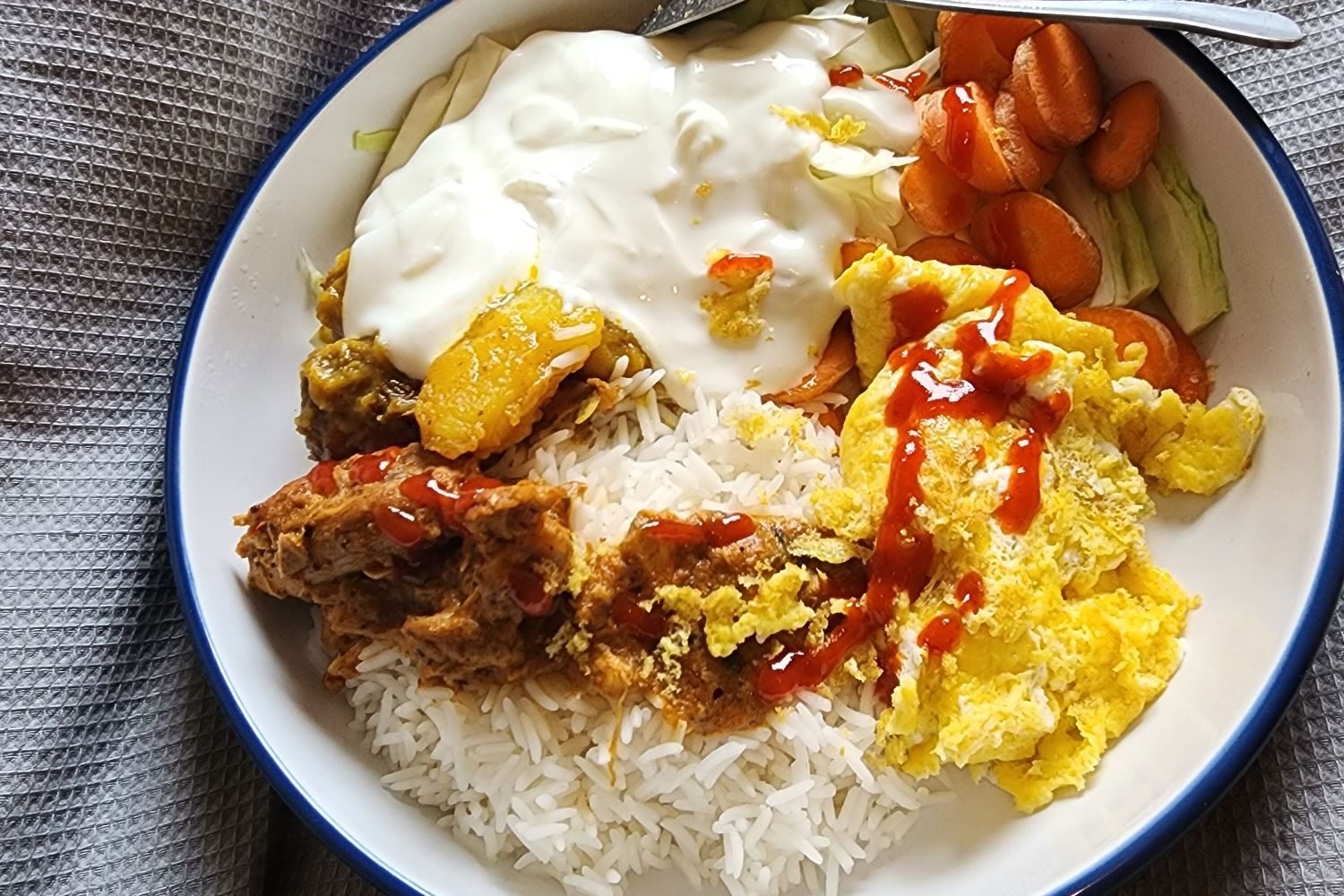
Because the effect is larger and better documented. Every time you eat, your body spends energy digesting, absorbing, and processing that food — this is called the thermic effect of food (TEF), and it varies dramatically by macronutrient. Digesting protein burns roughly 20-30% of the calories it contains, compared to about 5-10% for carbohydrates and just 0-3% for fat, according to a narrative review on diet-induced thermogenesis. That’s not a rounding error — it’s a several-fold difference.
Research comparing diets by protein content found the thermic effect of food rose to about 15.4% of calories consumed on high-protein diets, versus roughly 5.6-6.4% on normal or low-protein diets. In concrete terms, some analyses put protein’s thermic advantage at around 70+ extra calories burned per day compared to a lower-protein diet with equivalent calories — more than double capsaicin’s effect, and it doesn’t require a supplement, just eating enough protein at meals. Whey protein appears to have a slightly higher thermic effect than casein in head-to-head comparisons, though both outperform carbohydrate or fat-dominant meals.
This is genuinely the most useful, evidence-backed lever in the “food and metabolism” conversation — not because protein is magic, but because digesting it costs your body more energy than digesting anything else, every meal, for as long as you keep eating that way. See our protein and nutrition guide for sources, timing, and quantity.
Can you actually “boost” your metabolism through food alone?
Not in any way that moves the needle on weight. Total daily energy expenditure is dominated by your basal metabolic rate (roughly 60-70% of calories burned, driven mainly by muscle mass, body size, age, and sex) and physical activity — not by the 5-10% sliver that the thermic effect of food occupies. Even if you stacked every claim in this article on the same day — green tea, chili, high protein — you’re realistically looking at a combined effect of maybe 100-150 extra calories, an optimistic estimate since research hasn’t confirmed these effects are simply additive.
Compare that to what actually changes metabolic rate over time: building muscle. Muscle tissue burns more calories at rest than fat tissue, and resistance training is one of the few interventions shown to meaningfully raise resting energy expenditure over months, not just hours after a meal. If your metabolism feels sluggish, food swaps aren’t the fix — training and consistent eating patterns are. We outline what a genuinely slow metabolism looks like, and what doesn’t count, in our article on signs of a slow metabolism.
Does skipping meals or crash dieting slow your metabolism?
It can, and this matters more than any food choice on this list. Severe, prolonged calorie restriction triggers what researchers call adaptive thermogenesis — your body reduces energy expenditure beyond what would be predicted by weight loss alone, partly as a protective response to perceived scarcity. This is well documented in longer-term dieting studies and is a bigger metabolic risk than anything on a grocery list. Chronically under-eating, especially while losing muscle mass from inadequate protein, is far more likely to leave you with a genuinely lower metabolic rate than skipping the cayenne pepper ever would.
The takeaway isn’t to fear dieting altogether — sustainable, moderate deficits paired with adequate protein and resistance training preserve muscle and metabolic rate far better than extreme restriction. If visceral fat is part of what you’re trying to address, the strategy is the same: training, sufficient protein, and a realistic calorie approach rather than restrictive fixes. Our guide on reducing visceral belly fat covers this in more depth.

So what should you actually do if you want a faster metabolism?
Prioritize the things with real, sizable effects over the things with marginal ones. In order of actual impact:
- Build and maintain muscle mass through resistance training — the single biggest food-and-lifestyle-adjacent lever for long-term metabolic rate.
- Eat adequate protein at each meal (commonly cited targets run around 1.2-2.0g per kg of body weight for active adults) to capture the thermic effect of food and support muscle retention.
- Avoid chronic under-eating — don’t diet so aggressively or so long that you trigger adaptive metabolic slowdown.
- Stay active generally, not just during workouts — non-exercise movement (walking, standing, daily activity) is a meaningful chunk of total energy expenditure.
- Enjoy caffeine, green tea, and spicy food if you like them — they’re not harmful and offer a small, real bump, just don’t rely on them as a strategy.
None of this is as exciting as “this one food melts fat,” which is precisely why it doesn’t get marketed the same way. It’s also why it actually works.
Frequently Asked Questions
Can eating more often “keep my metabolism running” throughout the day?
Not meaningfully. The thermic effect of food depends on total calories and protein eaten across the day, not on meal frequency. Research comparing 3 meals versus 6 smaller meals with matched calories and protein shows no significant difference in total daily energy expenditure. Eat on a schedule that helps you hit your protein and calorie targets consistently.
Do metabolism-boosting supplements work better than the foods themselves?
Generally no — most supplements (green tea extract, capsaicin capsules, CLA, raspberry ketones) contain concentrated versions of compounds already covered here, with similarly modest, inconsistent effects in trials. Concentrated versions can also carry side effects, like elevated heart rate or GI irritation, that whole foods rarely cause at normal intake.
Is cold water or ice really a metabolism booster?
There’s a real but tiny mechanism: your body burns a small amount of energy warming cold water to body temperature, estimated at roughly 8 calories per 500ml. It’s measurable but negligible for weight management purposes — nowhere near enough to build a strategy around.
Why does muscle mass matter more than any food for metabolism?
Muscle tissue is metabolically active and burns more calories at rest than fat tissue, and it’s a much larger, more permanent share of your energy expenditure than any meal’s thermic effect. Resistance training is one of the few interventions shown to durably raise resting metabolic rate over months, unlike food-based effects that last hours.
Does drinking more water boost metabolism?
Adequate hydration supports normal metabolic function, and dehydration can modestly impair it, but drinking extra water beyond what your body needs doesn’t produce a meaningful additional boost. Staying hydrated is worthwhile for overall health, just not as a calorie-burning hack.
If you want a plan built around what your body actually needs rather than the next viral food claim, an online nutritionist consultation can help you translate this evidence into a realistic, personalized approach.