A nutritionist helps with diabetes by translating generic dietary advice into a plan that fits your actual labs, medications, schedule, and food preferences — then adjusting that plan as your numbers change. Nutrition counseling delivered by a registered dietitian has been shown to lower HbA1c by 0.3% to 2.0% within three months, according to a review of 18 clinical studies cited in the American Diabetes Association’s nutrition consensus report. That’s not a marginal improvement — for many people, it’s the difference between needing a medication increase and holding steady.
A printed diet chart can’t do that math, and it can’t watch what happens to your glucose after you eat rice at 8 PM versus 1 PM. This article covers the specific, practical value a nutritionist adds once you already know the basics of “eat more fiber, cut added sugar”: carb-counting precision, medication-timing coordination, and the ongoing recalibration that turns a static plan into a living one.
What does a nutritionist actually do differently than a diet chart?
A diet chart is a snapshot. A nutritionist is a feedback loop. The chart tells you what to eat on day one; it can’t know that your metformin dose changed in month two, or that your fasting glucose crept up after you switched to a plant-based breakfast. A nutritionist tracks those shifts and adjusts — three things a chart cannot replicate:
- Personalized carbohydrate targets based on your weight, activity level, medication type, and how your body responds to specific foods — not a one-size-fits-all “150g per day” rule.
- Real-time troubleshooting when post-meal glucose spikes unexpectedly, using food logs or continuous glucose monitor (CGM) data to identify the actual trigger.
- Coordination with your medical team so your eating pattern supports your prescribed medication rather than working against it.
If you’re still building foundational habits — reading labels, understanding glycemic load, structuring balanced meals — our diabetes nutrition basics guide is the right starting point. This article picks up from there.
How much can nutrition counseling actually improve HbA1c?
The numbers are more encouraging than most people expect. A 2019 consensus report published in Diabetes Care, the American Diabetes Association’s flagship journal, reviewed 18 studies across 21 study arms and found that medical nutrition therapy significantly lowered HbA1c by 0.3 to 2.0 percentage points at the three-month mark in adults with type 2 diabetes, with improvements continuing as nutrition support continued. In one clinical study cited in that research, average HbA1c dropped from 9.6% to 7.2% over roughly four months of structured therapy.
Other trials tell a similar story. A structured, individual-based lifestyle education program delivered by registered dietitians in primary care produced a 0.7% HbA1c reduction at six months, versus 0.2% in the control group — a statistically significant difference. A randomized controlled trial in Nepal found a 0.48-point HbA1c reduction in the dietitian-led group, while the control group’s HbA1c actually rose over the same period. A broader review found that with registered dietitian contact of any frequency, participants saw HbA1c reductions between 0.66% and 2.2%, with more frequent contact producing better results.
The American Diabetes Association considers even a 1-point drop in HbA1c clinically meaningful, since it’s linked to a lower risk of diabetes-related complications over time. These are outcomes from peer-reviewed trials, and they’re why the Academy of Nutrition and Dietetics holds the formal position that medical nutrition therapy from a registered dietitian nutritionist is clinically effective and cost-effective for people with prediabetes and type 2 diabetes. For the clinical process behind these numbers, see our breakdown of medical nutrition therapy for diabetes.

It’s worth being clear about what this evidence does and doesn’t say: nutrition counseling is a powerful tool for managing blood sugar alongside medical care, not a replacement for prescribed medication, insulin, or your endocrinologist’s treatment plan. The research shows nutrition therapy working as part of a coordinated care approach.
Why does personalized carb counting beat a generic meal plan?
“Eat fewer carbs” is advice. “Aim for 45-60g of carbs at lunch, split between a slow-digesting starch and a source of fiber, timed 30 minutes before your afternoon walk” is a plan you can execute — one that accounts for how carbs interact with your specific medication and activity pattern.
This distinction has research behind it too. A meta-analysis on carbohydrate counting found a statistically significant decrease in HbA1c compared with standard dietary education, across six separate studies in adults with diabetes. A randomized controlled trial known as the BCC Study found that structured, hands-on carb-counting training — including practice measuring carb content in real foods — outperformed standard dietary care for glycemic control in type 2 diabetes. In type 1 diabetes, structured carb-counting education has been shown to improve HbA1c, self-management skills, and quality of life.
What a nutritionist adds to carb counting specifically:
- Calibration to your insulin-to-carb ratio (if you’re on insulin), which only your care team can set safely and which changes as your dose or weight changes.
- Cultural and regional food translation — converting carb targets into actual portions of dal, rice, or roti, rather than generic exchange lists built around foods you don’t eat.
- The plate method, personalized — half non-starchy vegetables, a quarter protein, a quarter carbohydrate is the standard template, but a nutritionist adjusts the ratios based on your labs and goals rather than applying it uniformly.
For a deeper look at how the plate method and carb counting fit into the broader clinical process, see our guide to medical nutrition therapy for diabetes, which walks through the full clinical workflow a dietitian follows from initial assessment onward.
How does a nutritionist coordinate meal timing with medication?
This is one of the most underrated parts of working with a nutritionist, and it’s almost impossible to get right from a generic chart. Different diabetes medications interact with food timing in different ways:
- Sulfonylureas (like glimepiride or glipizide) stimulate insulin release regardless of whether you’ve eaten, raising hypoglycemia risk if a meal is delayed or skipped.
- Rapid-acting insulin needs to be dosed relative to the carbohydrate content of the meal it’s covering.
- Metformin is easier on the stomach taken with food, and consistent timing helps minimize GI side effects.
- GLP-1 receptor agonists slow gastric emptying, which can require smaller, more frequent meals initially.
A nutritionist works with the timing and dosing information from your doctor to build a meal schedule that reduces hypoglycemia risk and fits your actual routine — shift work, fasting practices, or irregular schedules included. This is coordination, not prescribing: a nutritionist doesn’t adjust your medication dose, but does structure your eating pattern to work with it, drawing on the same core principles covered in our diabetes nutrition guide. Any dose changes should always come from your endocrinologist.

What does ongoing accountability with a nutritionist look like?
The single biggest functional difference between a nutritionist and a diet chart is what happens after week one. A chart is static; a nutritionist relationship is iterative — and that iteration is where most of the real HbA1c improvement in the research comes from, since the studies showing the biggest gains involved repeated contact over weeks or months, not a single handout.
A typical rhythm: an initial assessment of your labs, medications, and eating pattern; a plan translating that into specific carb targets and timing; short-interval check-ins (every 1-2 weeks at first) reviewing food logs or CGM data to catch patterns like post-dinner spikes; adjustments as needed; and longer-interval maintenance once your numbers stabilize. This is also where a nutritionist catches things a chart never will — plateaus that need a different approach, or the quiet erosion of motivation around month three of any new routine. Our article on the benefits of online diet counselling breaks down what sustained coaching adds beyond a single visit.
Do you need a nutritionist if you already see an endocrinologist?
Yes — the two roles are complementary, not redundant. Your endocrinologist diagnoses, prescribes medication, orders and interprets labs, and manages the medical side of your condition. A nutritionist handles the day-to-day execution of the dietary component, which most endocrinologists don’t have appointment time to manage in detail. A typical endocrinology visit runs 15-20 minutes every few months; a nutrition relationship involves far more frequent contact around the one variable — food — that you control several times a day.
The two roles work best in communication with each other. Many nutritionists will ask for your recent lab reports and medication list so their recommendations stay aligned with what your doctor is managing. If you haven’t been formally diagnosed yet, or your medication needs adjusting, that decision belongs with your doctor — nutrition counseling supports the management of diabetes, it does not diagnose it or replace medication. See our guide on the nutritional management of diabetes mellitus for a broader view of how dietary planning fits into overall care.
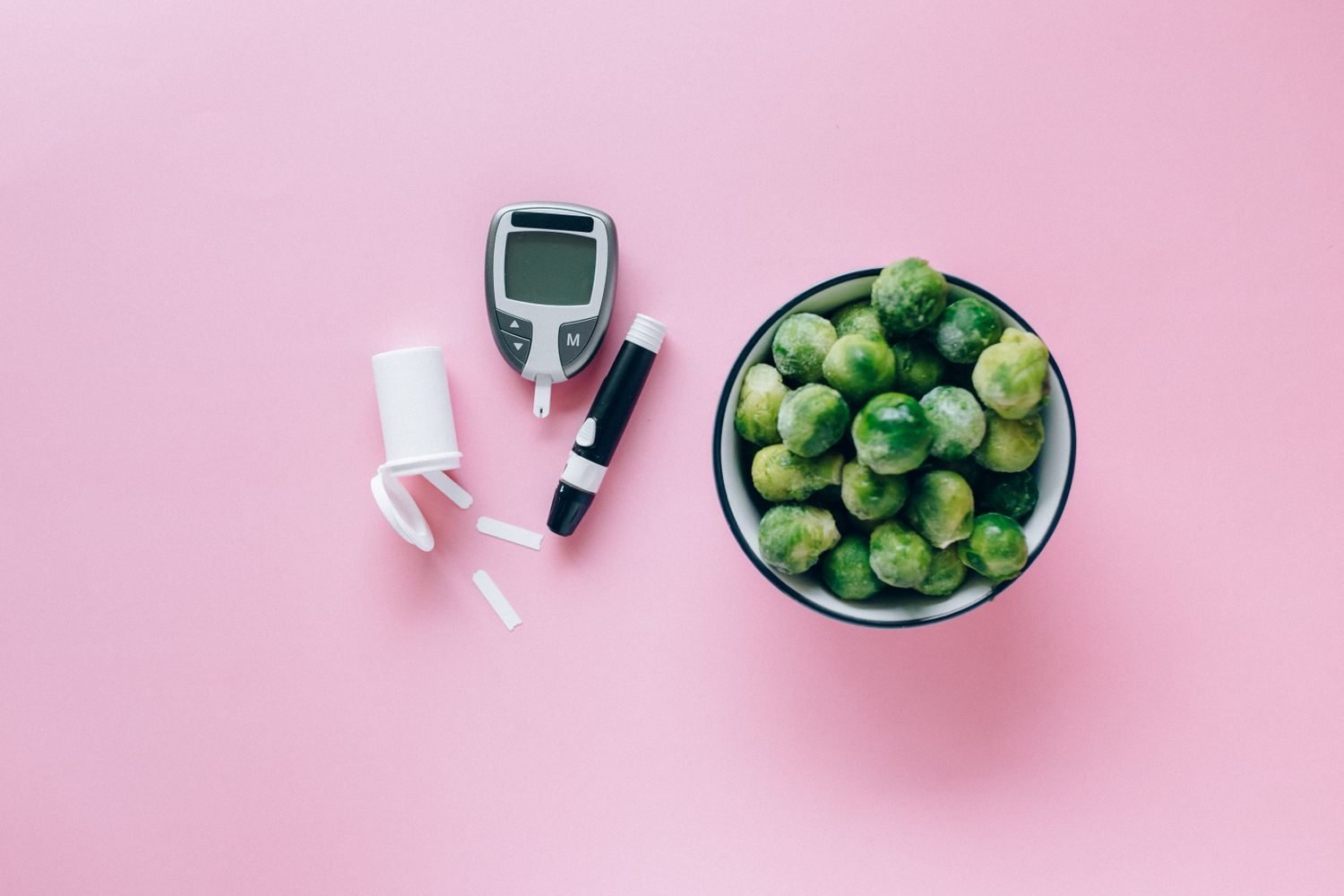
A good first session goes beyond a printed food list — expect a review of your HbA1c and glucose trends, medications, daily routine, and food preferences, with a nutritionist who explains the reasoning behind your targets. Whether online or in person, what matters is frequency of contact and quality of adjustments. Our explainer on what an online nutritionist does covers how virtual consultations and plan adjustments work in practice.
Frequently Asked Questions
Can a nutritionist replace my diabetes medication?
No. Nutrition counseling supports diabetes management alongside medical care, but it cannot diagnose diabetes or replace prescribed medication or insulin. Any changes to your medication or dosage must come from your endocrinologist or physician. A nutritionist’s role is to build an eating pattern that works with your treatment plan, not instead of it.
How often should I see a nutritionist for diabetes management?
Most people benefit from check-ins every one to two weeks initially, spacing out to monthly or quarterly as glucose levels stabilize. Research shows that more frequent registered dietitian contact is associated with greater HbA1c improvement, so consistency matters more than any single session’s content.
Is carb counting really more effective than just “eating healthy”?
Studies comparing structured carbohydrate counting to standard dietary advice show a measurably greater reduction in HbA1c with carb counting, largely because it gives you a specific, trackable number instead of a vague direction. It also allows more food flexibility, which tends to improve long-term adherence.
Will a nutritionist look at my HbA1c and glucose logs?
Yes, and this is central to the value they add. Reviewing your lab trends and glucose or food logs is how a nutritionist identifies specific patterns — like a consistent after-dinner spike — and adjusts your plan accordingly, rather than guessing at what might be going wrong.
The bottom line
A diet chart tells you what to eat once. A nutritionist tells you what to eat, why, how it interacts with your medication, and what to change when your next lab report looks different. The research is consistent across independent trials: structured, ongoing nutrition counseling produces measurable HbA1c improvements — often 0.3 to 2.0 percentage points — when layered onto your existing medical care.
If you’re managing diabetes or prediabetes and want a plan built around your actual labs, medications, and life rather than a generic printout, book an online nutritionist consultation and bring your most recent reports to the first session.