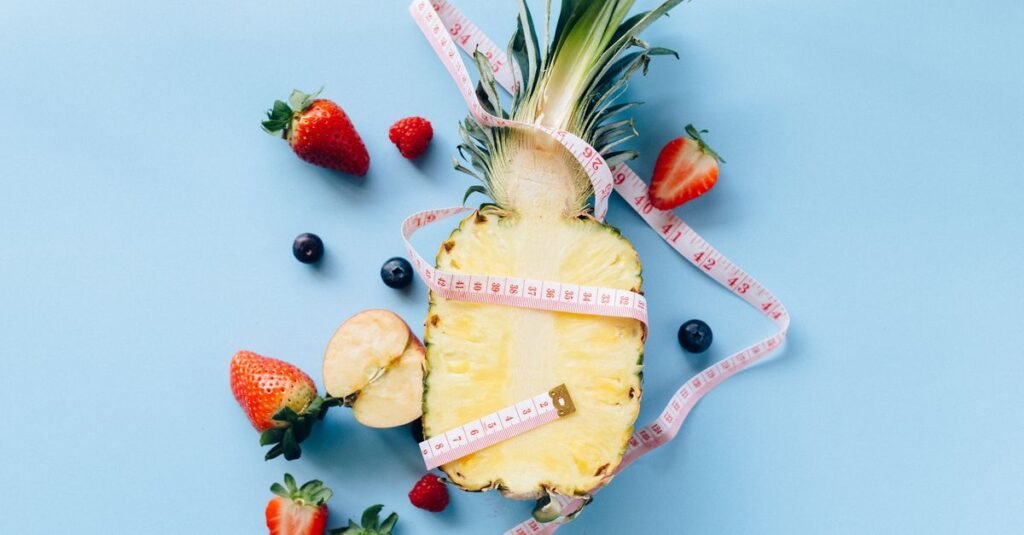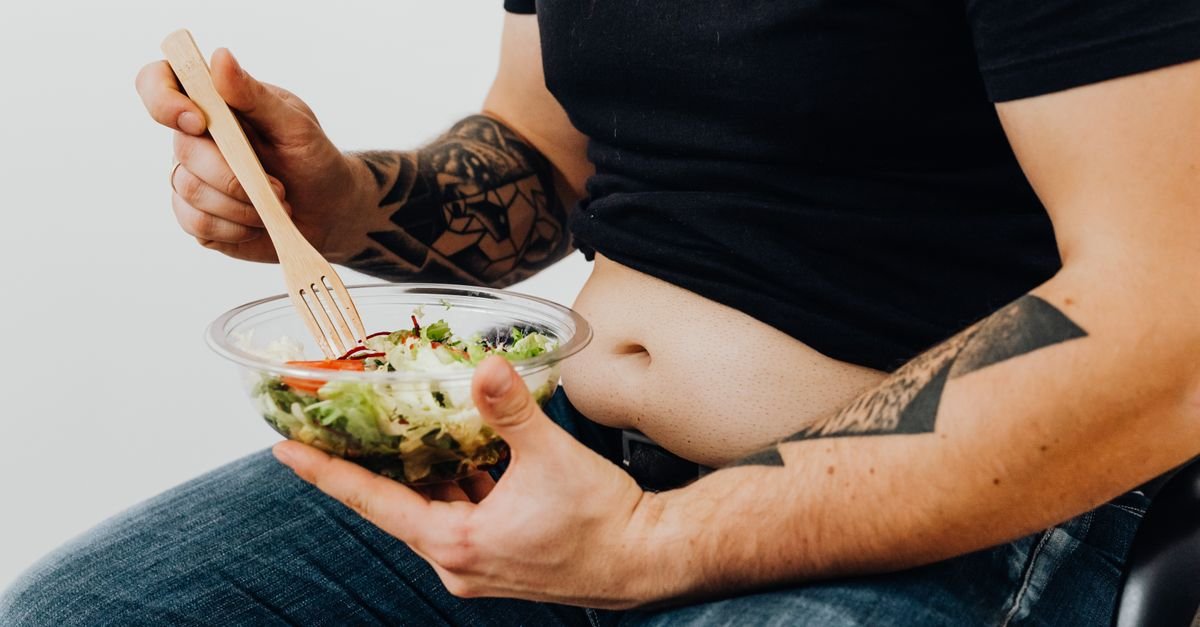
An effective diet for losing belly fat combines a moderate calorie deficit, high protein intake, reduced refined carbohydrates and sugar, and adequate fibre — since spot reduction isn’t possible, this diet reduces fat throughout the body, with the belly area often (though not always) among the more responsive areas, particularly for people carrying more visceral fat.
I’m Yash Pathak, founder and lead trainer at FitStrot. Belly fat gets asked about more than almost any other topic, and understanding why diet (more than any specific “belly fat food”) is the primary lever changes how effectively you can approach it.
Why Diet Matters More Than Specific “Belly Fat Foods”
No single food burns fat from the belly or anywhere else specifically. What actually reduces belly fat is an overall calorie deficit sustained over time, since fat loss happens throughout the body based on genetics and individual patterns — the belly, particularly visceral fat around the abdominal organs, often responds meaningfully to this overall approach, sometimes even more visibly than other areas for people who carry weight predominantly in this region.
Core Diet Principles
Moderate calorie deficit. 300-500 calories below maintenance supports steady, sustainable fat loss without the muscle loss and metabolic slowdown risked by more extreme restriction.
High protein. 1.4-1.8g per kg body weight supports satiety and muscle preservation, both of which support sustained fat loss and a more toned appearance as belly fat decreases.
Reduced refined carbohydrates and added sugar. These are strongly associated with increased visceral fat storage specifically — reducing white bread, sugary drinks, and heavily processed snacks has particular relevance for belly fat beyond general calorie reduction.
Adequate fibre. Vegetables, legumes, and whole grains support satiety, digestion, and have some evidence for specifically supporting reduced visceral fat over time.
Limiting alcohol. Alcohol is calorie-dense, can increase appetite, and some research links regular alcohol consumption specifically to increased abdominal fat storage.
A Sample Day
Breakfast: Moong dal chilla or eggs with vegetables (protein-forward, low refined carbohydrate). Lunch: One roti or a small portion of rice, dal or a protein source, a generous portion of vegetables, salad. Snack: Roasted chana or a handful of nuts. Dinner: Grilled protein with vegetables, lighter than lunch, eaten earlier in the evening.
Foods That Particularly Support This Goal
Vegetables and legumes for fibre and volume without excessive calories. Lean protein sources (dal, paneer, eggs, chicken, fish) for satiety and muscle preservation. Healthy fats in moderation (nuts, seeds, olive oil) supporting hormone function without excessive calories. And plenty of water, which supports metabolic function and can reduce the bloating that makes the belly area look larger independent of actual fat.
Why Reducing Refined Carbs Matters Specifically for Belly Fat
Refined carbohydrates and sugar cause sharper insulin spikes than whole grains and fibre-rich carbohydrates, and elevated insulin is associated with increased fat storage, particularly visceral fat around the abdomen. This is part of why reducing refined carbs and sugar tends to show particularly noticeable effects on belly fat specifically, beyond the general calorie reduction these changes also provide.
Why Exercise Still Matters Alongside Diet
While diet is the primary driver, combining it with both cardio (supporting the overall calorie deficit) and strength training (building muscle tone that becomes visible as belly fat decreases, plus supporting metabolic rate) produces better and faster results than diet alone. Our leg workout for weight loss and gym workout for weight loss guides cover complementary training approaches.
Setting Realistic Expectations
Belly fat reduction follows the same timeline as overall fat loss — visible change typically begins within 3-4 weeks of consistent adherence, with more significant results over 8-12 weeks. Some individuals notice belly fat responds relatively well to a consistent deficit, while others find it among the more stubborn areas — this variation is largely genetic and not a reflection of doing something wrong. Our flat stomach 7 day diet plan for weight loss guide covers a shorter-term, bloating-focused approach that complements this longer-term diet strategy.
Why a Personalized Plan Outperforms Generic Belly Fat Advice
Your specific calorie needs, how your body responds to different macronutrient ratios, and your starting point with visceral versus subcutaneous fat all affect how this framework should be calibrated for you. An online weight loss trainer builds a diet plan targeting overall fat loss (which drives belly fat reduction) specifically calculated for your body.
Why This Diet Emphasizes Fibre and Sodium Specifically
Beyond general calorie management, a belly-fat-focused diet leans particularly on fibre (which supports the digestive regularity that reduces visible bloating) and sodium reduction (which directly affects water retention, especially noticeable in the midsection for many people). Soluble fibre specifically — found in oats, legumes, and many fruits — has some research support for a modest specific benefit in reducing visceral (belly) fat over time, beyond its general role in satiety and digestion, making it worth prioritizing within your overall fibre intake.
Common Belly Fat Diet Mistakes
The most frequent mistake is skipping meals, usually breakfast, on the theory that eating less often equals eating less overall. In practice this almost always backfires — by mid-afternoon, hunger and blood sugar dips push people toward whatever’s fastest and most calorie-dense, and the dinner or evening snacking that follows a skipped breakfast is rarely well-controlled. A close second is replacing actual meals with protein shakes as a shortcut, which can leave real nutritional gaps — fibre, micronutrients, the simple satiety of chewing food — that a powder mixed with water doesn’t replace no matter how many grams of protein it lists.
Crash approaches are the second major category — detox teas, extreme low-carb resets, or juice cleanses promising fast belly fat loss in a week. These typically produce a quick drop that’s mostly water and reduced digestive content, not fat, and they’re almost never sustainable beyond a few days, which means the rebound eating that follows often puts back more than was lost. I’d rather see someone commit to a moderate, sustainable deficit for twelve weeks than a dramatic seven-day reset that ends in exhaustion and a binge.
The third mistake is fixating narrowly on a short list of “flat belly foods” — cucumber, ajwain water, green tea — while ignoring total calorie intake elsewhere in the day. No single food burns belly fat, and adding a few “good” foods on top of an otherwise unchanged diet doesn’t create the calorie deficit that’s actually required. These foods can be genuinely useful supporting habits, but only inside a diet that’s already structured around a real deficit, not as a substitute for one.
Alcohol, Bloating and Stress: Factors People Forget
Alcohol has a specific, well-documented link to abdominal fat storage that goes beyond its calorie count alone — your liver prioritises metabolising alcohol over burning fat when both are present, which means regular drinking can slow fat loss specifically around the midsection even when total weekly calories look reasonable on paper. Alcohol also lowers inhibition around food choices, which is why a couple of drinks so often leads to fried snacks or a late-night order that wouldn’t have happened otherwise.
It’s also worth clearly separating bloating from actual fat, because the two get confused constantly. A belly that looks and feels distended after a meal heavy in dairy for someone with mild lactose intolerance, or after carbonated drinks, or after a particularly salty restaurant meal, is gas and water retention — it typically resolves within a day or two and has nothing to do with fat gain. Genuine fat accumulation happens gradually over weeks and months, not overnight after one meal, and learning to tell the difference prevents a lot of unnecessary panic and unnecessary extreme reactions to a single bloated evening.
Chronic stress deserves equal attention here because of cortisol’s specific role in abdominal fat storage — elevated cortisol from ongoing work pressure, poor sleep, or general life stress encourages the body to preferentially store fat around the midsection compared to other areas. Poor sleep compounds this further by disrupting hunger hormones the next day. None of this means stress and sleep matter more than diet, but for someone doing everything right on the plate and still not seeing their midsection change, these are usually the next place to look before assuming the diet itself needs another cut.
Keeping the Belly Fat Diet on Track Through Weddings, Festivals and Eating Out
Almost every client working on belly fat asks me some version of the same worried question before a big wedding season or a festival stretch: is this going to undo everything? The honest answer is that a single event, or even a cluster of them, won’t meaningfully reverse weeks of progress, but the way most people handle the surrounding days often does more damage than the event itself.
The mistake I see constantly is the starve-before, binge-during, panic-after pattern. Someone skips breakfast and lunch on the day of a wedding to save calories, arrives ravenous, eats far more than they normally would because hunger overrides judgment, then feels guilty the next day and either skips meals again or gives up on the diet entirely for the following week. This does far more harm to belly fat progress than the event itself, partly because it disrupts the fibre and protein intake that keeps bloating and water retention down, and partly because it turns one event into a week-long spiral. What actually works is eating your normal meals earlier in the day, including your usual protein and vegetables, so you arrive at the function satisfied rather than starving, and can make reasonable choices from the buffet instead of eating on autopilot.
At the buffet itself, the belly-fat-specific concern isn’t really the roti or rice, it’s the combination of high sodium, fried starters, and sugary desserts that together cause visible bloating within hours, which is what makes people feel like they’ve gained overnight when it’s mostly water retention, not fat. I tell clients to fill the plate with the tandoor and grilled section first, take one moderate serving of a curry with rice or roti, skip the fried starters that arrive before the main meal since you rarely remember eating them but always feel them the next morning, and pick one dessert rather than sampling three. Alcohol at these events is worth flagging separately too, it doesn’t just add calories, it also relaxes your judgment around everything else on the table for the rest of the evening.
For a stretch of multiple events, like Diwali week or a full wedding season with several functions close together, I have clients pick two or three events that matter most and treat the rest more casually with smaller, simpler choices, a plate without seconds, skipping dessert, leaving slightly earlier. The day after any heavier event, don’t restrict further to compensate, just return to your normal fibre-rich, moderate-sodium routine, drink your usual water, and the bloating typically settles within 24-48 hours on its own. Belly fat responds to weeks and months of consistent pattern, not to any single evening, good or bad.
Frequently Asked Questions
What foods should I eat to lose belly fat?
Lean protein at every meal, fibre-rich vegetables and legumes, reduced refined carbohydrates and sugar, and healthy fats in moderation — the overall diet pattern matters more than any single “belly fat food.”
Is it possible to lose belly fat without losing weight elsewhere?
No — spot reduction isn’t physiologically possible. Belly fat reduces as part of overall body fat loss, though some people notice it respond relatively visibly compared to other areas, which is largely genetic.
How long does it take to see belly fat reduction from diet changes?
Visible change typically begins within 3-4 weeks of consistent adherence to a moderate calorie deficit, with more significant results over 8-12 weeks.
Can beginners follow a diet to lose belly fat?
Yes, the core principles (moderate deficit, adequate protein, reduced refined carbs) are approachable for beginners and don’t require complex meal prep or extreme restriction.
Ready for a Diet Plan Calculated to Reduce Belly Fat?
A FitStrot online weight loss trainer builds a diet plan targeting overall fat loss, calculated specifically for your body’s calorie and protein needs.