Multiple studies specifically on Zumba and menopausal women show real, measurable benefits: reduced menopausal symptoms, improved quality of life, better mental health and lower fatigue, and improved functional fitness including mobility, lower body strength, balance, and walking speed. This matters because general exercise research on menopause has historically shown mixed, ambiguous results, while Zumba-specific studies have been more consistently positive, particularly using the lower-impact Zumba Gold format designed with this population in mind.
Here’s what the specific research found, why Zumba Gold in particular shows up so often in these studies, and how to approach it if you’re managing menopausal symptoms.
What the Research Actually Found
A study evaluating a Zumba dance intervention in postmenopausal overweight women, referred to in the research as the ZumBeat study, found improved outcomes following the intervention, at a time when broader exercise-and-menopause research had shown inconsistent results across different activity types. A separate 12-week Zumba Gold intervention in postmenopausal, sedentary women from low socioeconomic backgrounds found increased quality of life alongside decreased menopausal symptoms and sports-related participation barriers, meaningful because this population often faces more obstacles to consistent exercise participation in the first place.
On the mental health side, research on Zumba Gold in postmenopausal women found significant improvements in mental health, general and physical fatigue, mental fatigue specifically, and social connectedness, along with significantly lower amotivation, the lack of drive to engage in an activity at all. A separate study on middle-aged women found 12 weeks of Zumba training improved functional performance measures: mobility, lower body endurance strength, dynamic balance, and walking speed, all of which matter directly for maintaining independence and reducing fall risk as women age through and beyond menopause.
One further finding worth noting directly: the research describes these Zumba interventions as feasible, with a low complication rate, low dropout, and good adherence, meaning menopausal women who started these programs were generally able to stick with them, not just theoretically benefit from them in a lab setting.
Why Zumba Gold Shows Up So Often in This Research
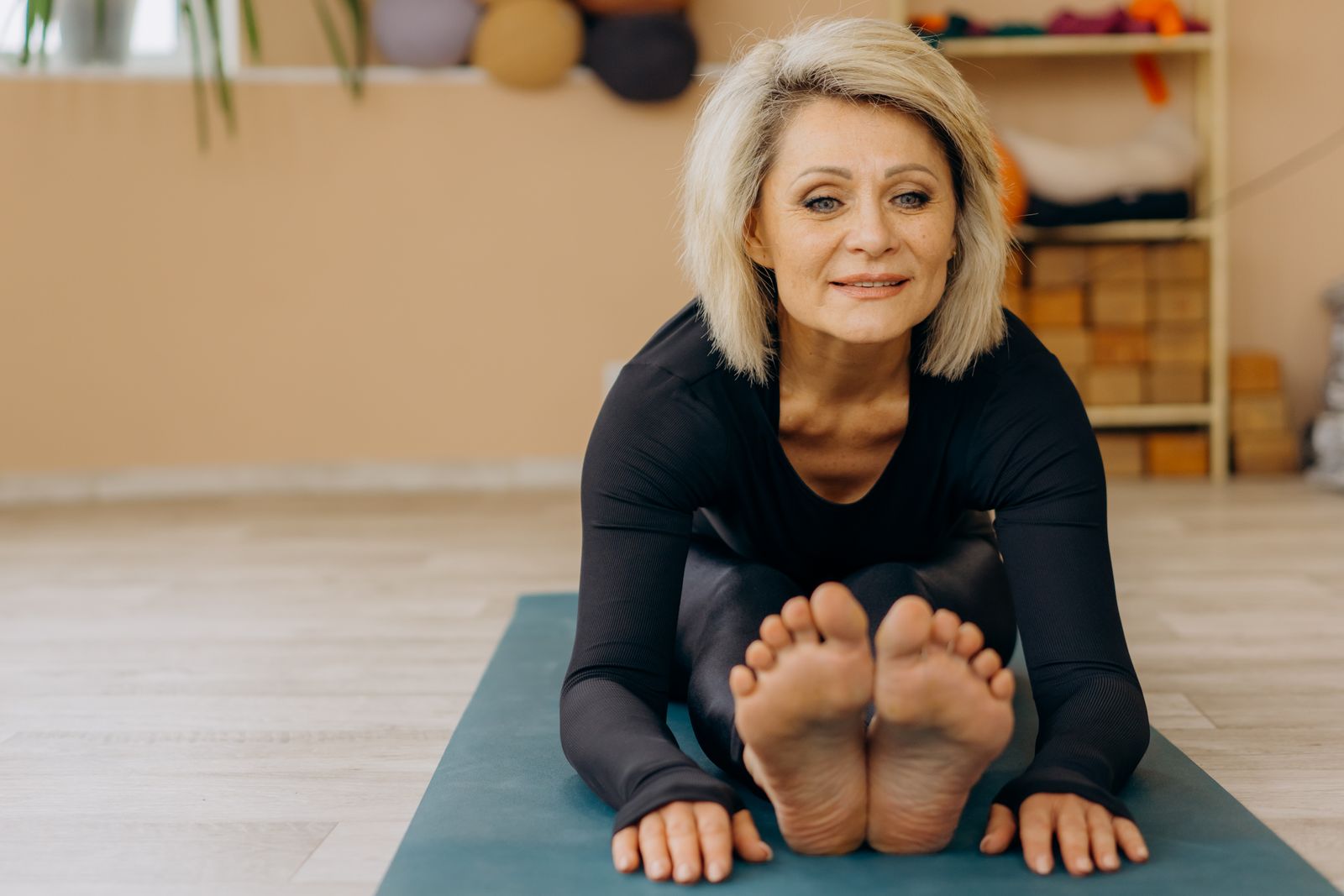
Zumba Gold is a lower-impact version of standard Zumba, designed with older adults and those newer to fitness in mind, removing high-impact jumps while retaining the rhythm, coordination, and cardiovascular demand of standard choreography. This makes it a practical match for menopausal and postmenopausal women, a population where joint health and impact tolerance can be more variable than in younger exercisers, without sacrificing the core benefits the research is measuring.
How Zumba May Help With Specific Menopausal Symptoms
The mechanisms behind these findings connect to patterns seen in Zumba research more broadly. Improved mood and reduced fatigue align with the endorphin and neurotransmitter release documented in general Zumba and mental health research. Better functional fitness and balance connect to the coordination and strength demands built into typical choreography. Social connectedness improvements likely reflect the group class format itself, which provides structured social interaction that can be harder to access during a life stage when some women report increased isolation.
Combining This With Broader Health Priorities
Menopause is also a period where bone density becomes an increasing concern, since declining estrogen accelerates bone loss for many women. Our guide to Zumba for bone health covers the research on Zumba as weight-bearing exercise, relevant background for menopausal women specifically, given the timing overlap between menopause and increased osteoporosis risk.
Sleep disruption is another common menopausal symptom, and exercise’s relationship with sleep quality is well documented in Zumba research specifically. Our Zumba and better sleep guide covers the mechanisms and timing considerations that apply here too.
Starting Safely If You’re Managing Menopausal Symptoms
Starting with Zumba Gold rather than standard high-impact Zumba is a reasonable default, particularly if joint discomfort, hot flashes, or general deconditioning are current concerns, since the format was specifically designed to be accessible for exactly this kind of transition period. Building up gradually, two sessions weekly initially rather than jumping straight to a demanding schedule, matches the research protocols that showed positive results, which generally used structured 12-week programs rather than sporadic attendance. Checking with a doctor before starting is worth doing if you have other health conditions alongside menopause, joint issues, cardiovascular concerns, or osteoporosis, since these may affect which format and intensity level is appropriate for you specifically.
Zumba for Menopause: Quick Facts
- Mood support: Helps offset hormonal mood swings through endorphin release
- Bone health: Weight-bearing movement supports bone density
- Weight management: Helps counter metabolism changes common during menopause
- Sleep benefit: Regular exercise supports better sleep quality
Frequently Asked Questions About Zumba for Menopause
Does Zumba actually help with menopausal symptoms?
Research specifically on Zumba interventions in menopausal and postmenopausal women has found reduced symptoms, improved quality of life, and better mental health outcomes, more consistently positive results than broader, more general exercise-and-menopause research has historically shown.
Should I do standard Zumba or Zumba Gold for menopause?
Most of the specific research showing strong results used Zumba Gold, the lower-impact version designed with older adults and joint sensitivity in mind. It’s a reasonable starting point, especially if impact tolerance or joint health are current concerns, though standard Zumba remains an option if you’re already comfortable with higher-impact exercise.
How long before I’d notice benefits from Zumba during menopause?
Research protocols showing measurable improvements generally used 12-week structured programs with regular weekly sessions. Some benefits, like mood lift, may appear sooner, while functional fitness improvements like balance and strength typically take the fuller 12-week timeframe to show clearly.
Can Zumba help with menopause-related weight gain?
Zumba contributes meaningful calorie burn and supports the broader activity levels that help manage weight during menopause, though it works best combined with attention to nutrition, since hormonal changes during this life stage affect metabolism independent of exercise alone.
Is Zumba safe for women with osteoporosis going through menopause?
Standard Zumba’s higher-impact movements carry some fracture risk with diagnosed osteoporosis, but Zumba Gold’s lower-impact format is generally considered a safer option. Getting medical clearance and discussing any bone density concerns with your doctor before starting is a reasonable precaution given the overlap between menopause and increased osteoporosis risk.
Ready to See What Zumba Can Do for You?
The research on Zumba during menopause is genuinely encouraging, and the best way to see how it applies to you is to start. Explore FitStrot’s Online Zumba Classes and find a format that fits where you are right now.
Want to explore related health topics too? Check out our guide to Zumba for bone health, explore Zumba for beginners, or head to Online Zumba Classes to get started.