Busy professionals can fit Zumba into a packed schedule because the format scales down without losing its core benefit, a focused 20 to 30 minute session or even broken-up 10 to 15 minute bursts across a workday still delivers real cardiovascular and mood benefit. A standard 40-minute class burns roughly 370 calories, but you don’t need a full class to get meaningful value, consistency across shorter sessions matters more than holding out for a rare hour of free time that may never actually appear on a busy week.
Here’s how to realistically fit Zumba into a demanding schedule, which shorter formats work best, and how to avoid the all-or-nothing trap that derails a lot of busy professionals’ fitness intentions.
Why Waiting for a Full Hour Usually Backfires
A common pattern among busy professionals is delaying exercise until a full uninterrupted hour appears, which on a genuinely demanding week may simply never happen. This all-or-nothing thinking is one of the most reliable ways a fitness intention quietly disappears. Shifting the standard down to what actually fits, even a 15-minute session between meetings, produces far more consistent results over months than waiting for ideal conditions that rarely materialize.
Shorter Formats Built for Time-Crunched Schedules
Zumba in the Circuit combines roughly 30 minutes of high-energy dance choreography with interval strength segments, delivering a complete workout in about half the time of a standard class. Breaking a routine into two or three 10 to 15 minute bursts across a day, one before work, one at lunch, works well for schedules too fragmented for a single continuous block. Chair Zumba, a modified seated version, is worth knowing about even if it’s not your primary format, since it offers a genuine option for office environments or days when even a short standing session isn’t feasible.
Building Zumba Into an Actual Workday
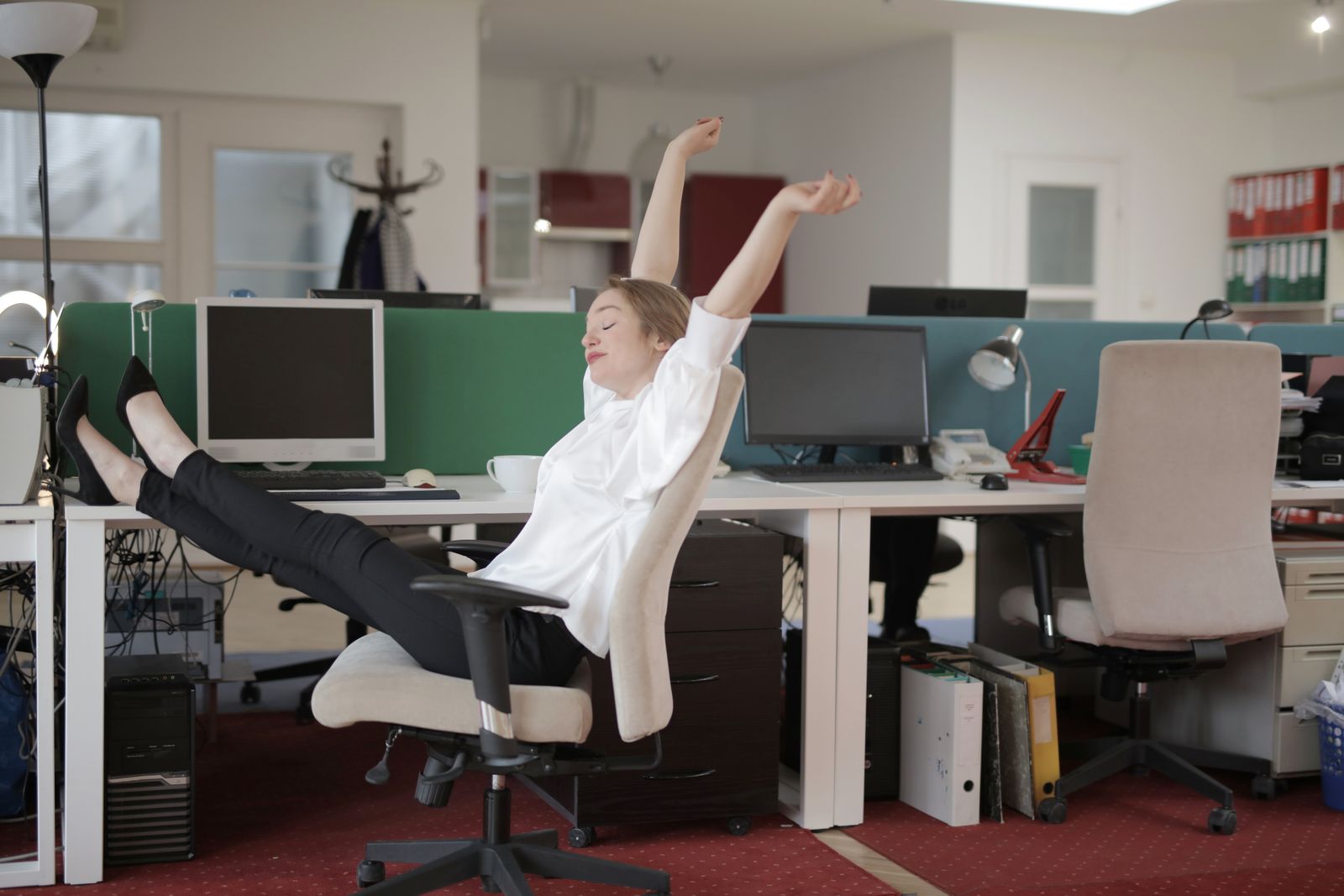
A few practical patterns tend to work for professionals with unpredictable schedules. Early morning sessions, before emails and meetings start competing for attention, tend to have the highest completion rate simply because nothing has yet had the chance to derail them. Lunch-break sessions work well for people with more flexible mid-day scheduling, provided a nearby space or a quiet corner of an office is available. Evening sessions are the most vulnerable to being pushed aside by a long day, but they can work well for people whose mornings are genuinely fixed and inflexible.
Making Peace With Inconsistent Weeks
Some weeks will simply not allow for a normal routine, travel, deadlines, and personal demands are real constraints, not excuses. Having a fallback plan, a single 10-minute home session on the worst days rather than nothing at all, keeps the habit alive through a rough patch instead of resetting to zero. Our guide to building a Zumba routine that sticks covers how to design a schedule that survives exactly this kind of disruption rather than falling apart at the first busy week.
Zumba While Traveling for Work
Business travel is one of the most common disruptions to a professional’s fitness routine, and it doesn’t have to be. Our Zumba while traveling guide covers how to maintain a version of your routine from a hotel room with zero equipment required, which matters enormously if travel is a regular part of your work life rather than an occasional exception.
Zumba for Busy Professionals: Quick Facts
- Time-efficient options: 30-minute or circuit-style classes
- Best scheduling tip: Treat class time like a calendar meeting
- Stress relief bonus: Doubles as a mental break from work pressure
- Flexible format: Online classes remove commute time entirely
Frequently Asked Questions About Zumba for Busy Professionals
Is a short Zumba session actually worth doing if I can’t do a full class?
Yes. A 15 to 20 minute session still delivers real cardiovascular benefit and mood lift, and consistent shorter sessions produce better long-term results than sporadic full-length classes squeezed in only when a rare free hour appears.
What’s the best time of day for busy professionals to fit in Zumba?
Early morning tends to have the highest completion rate, since it happens before the workday has a chance to introduce competing demands. The best time is ultimately whichever slot most reliably survives your actual schedule, not a universally ideal time.
Can I do Zumba at my desk or in a small office space?
Chair Zumba, a modified seated version, is designed for exactly this kind of constrained space and offers a genuine low-impact option for an office environment, even if it’s not a full substitute for a standing class.
How many calories does a shorter Zumba session actually burn?
A 40-minute class burns roughly 370 calories on average, a little over 9 calories per minute, so a 15 to 20 minute session still contributes a meaningful amount even though it’s a fraction of a full class’s total burn.
What if I can only manage Zumba two or three times a month during a busy season?
That’s still better than nothing, and treating a reduced schedule as a temporary adjustment rather than a failure prevents the all-or-nothing thinking that often leads people to abandon a routine entirely during a demanding period.
Ready to Fit Zumba Into Your Actual Schedule?
You don’t need a spare hour to benefit, you need a routine that fits the week you actually have. Explore FitStrot’s Online Zumba Classes and find a format that works around your schedule, not against it.
Traveling for work often, too? Check out our guide to Zumba while traveling, explore Zumba for beginners, or head to Online Zumba Classes to get started.