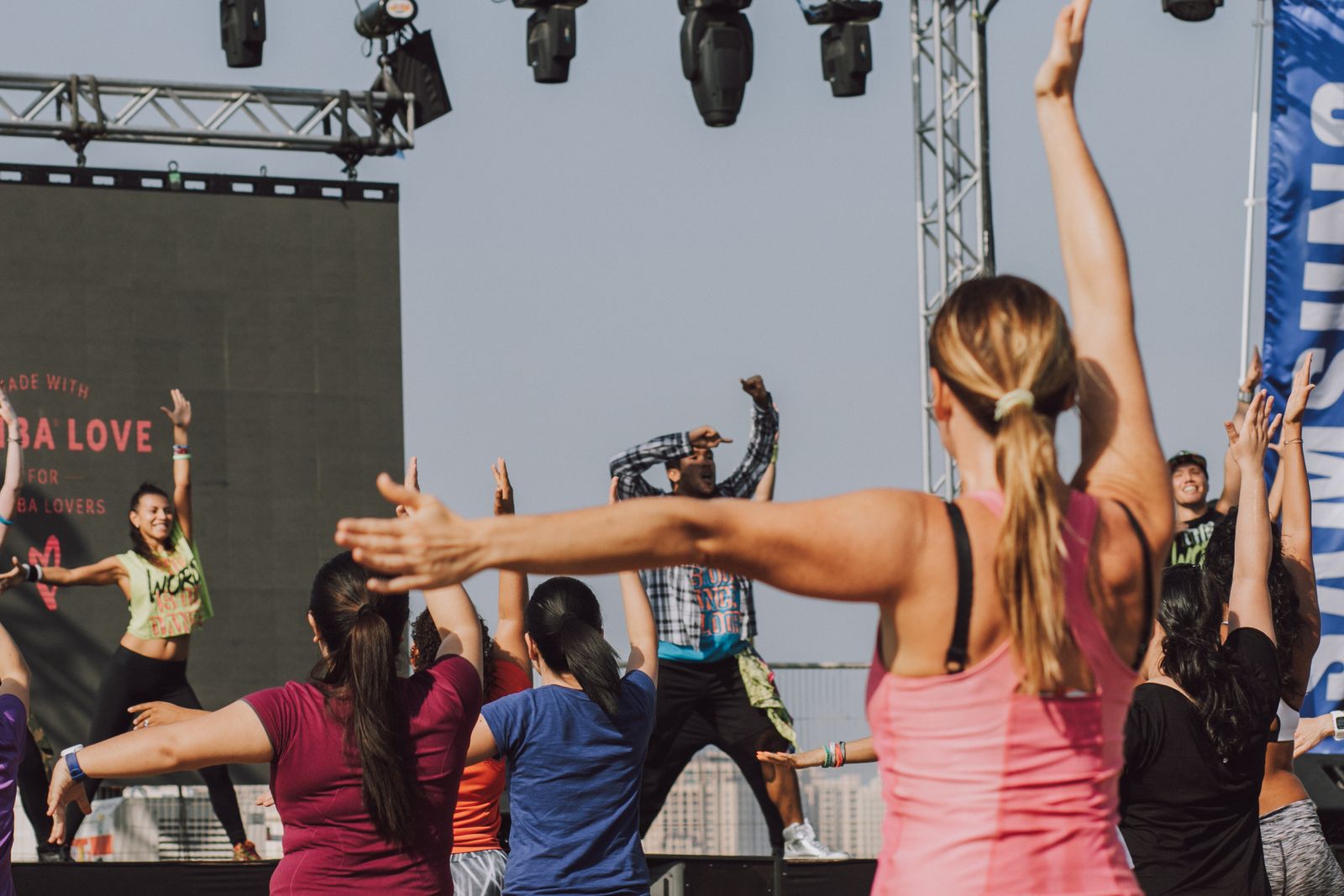
Zumba dance is a fitness-focused dance style built primarily on Latin American rhythms, salsa, merengue, reggaeton, and cumbia, layered with fitness elements like squats, lunges, and directional footwork to raise the cardiovascular demand beyond what social dancing alone would provide. Unlike a traditional dance style learned for performance or technical mastery, Zumba dance is engineered specifically as exercise, accessible to anyone regardless of dance background, with instructors breaking choreography into simple, repeatable patterns.
Here’s a clearer definition of what qualifies as Zumba dance specifically, how it differs from the traditional dance styles it borrows from, and how the movement itself is structured.
Defining Zumba Dance Precisely
Zumba dance refers to the specific choreographic style used within Zumba classes, distinct from Zumba as a broader fitness brand or program. It draws its core movement vocabulary from four mandatory rhythms, salsa, merengue, reggaeton, and cumbia, and layers in additional styles depending on the instructor, commonly bachata, hip hop, and others. The dance itself is intentionally simplified relative to the traditional social dance versions of these styles, prioritizing accessibility and cardiovascular demand over technical precision or partner-based choreography.
How Zumba Dance Differs From Traditional Latin Dance
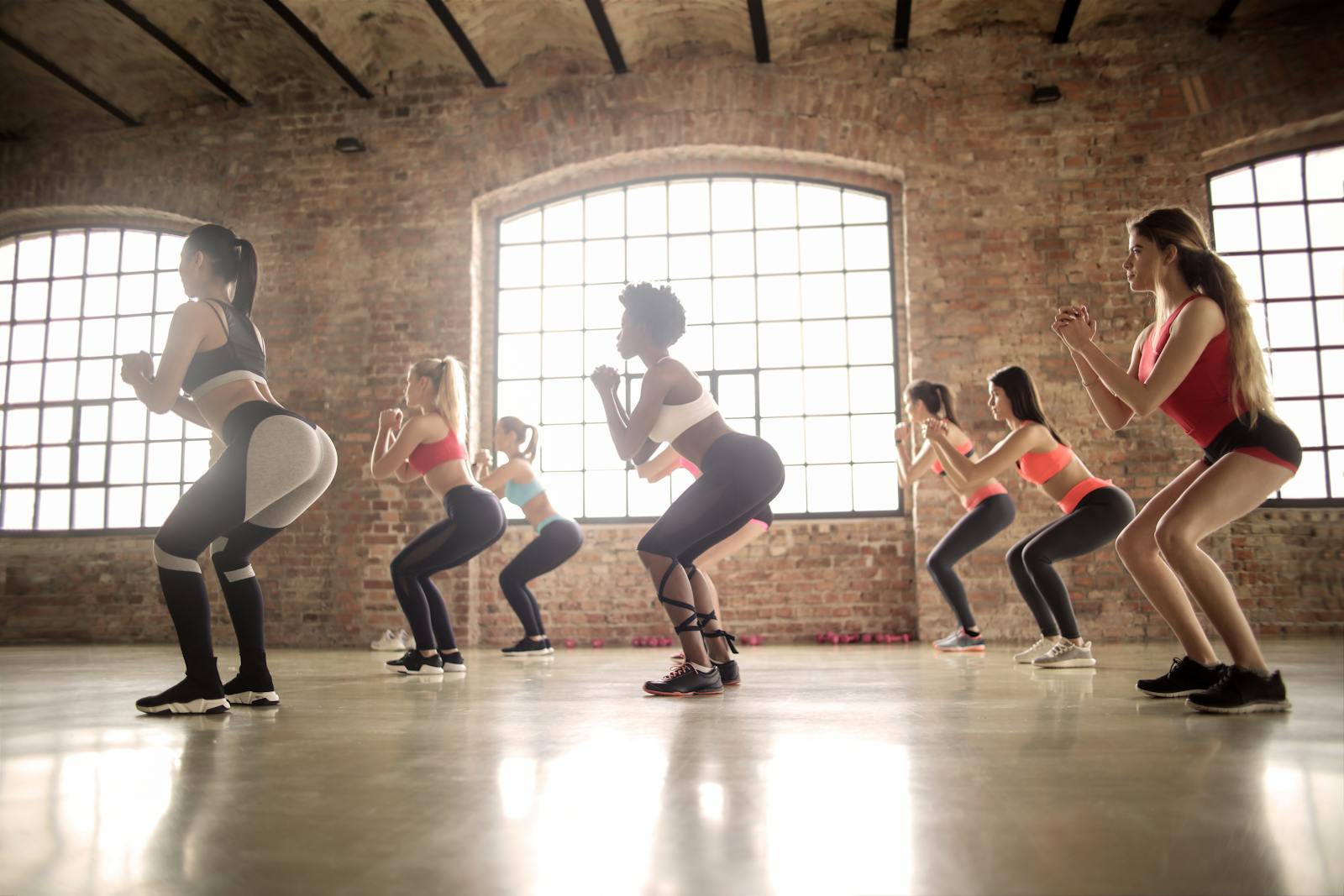
A traditional salsa or merengue class, danced socially or competitively, focuses on partner connection, lead-follow technique, and often regional stylistic nuance. Zumba dance strips out the partner element entirely, converting these rhythms into solo, fitness-oriented choreography that anyone can follow without a partner or formal training. Fitness elements get layered on top, deeper squats during footwork, added directional changes, that a traditional social dance context wouldn’t typically include, since the goal has shifted from social dancing to structured exercise.
The Basic Structure of Zumba Dance Movement
Each of the core rhythms used in Zumba dance has a set of basic steps that instructors build progressively, starting with simple leg movement, then layering in arm variations, rhythmic complexity, fitness intensity, and finally personal style. This progressive structure is what makes Zumba dance approachable for total beginners while still allowing experienced participants to add flair and intensity within the same basic framework.
Is Zumba a Dance or a Sport?
Zumba occupies a space between the two categories rather than fitting cleanly into either. It uses dance movement and rhythm as its foundation, which aligns it with dance as an art form, but its explicit purpose and structure, sustained cardiovascular exertion, measurable fitness outcomes, competitive certification pathways for instructors, align it more closely with fitness and exercise science. Most people reasonably describe it as a fitness program built on dance, rather than classifying it strictly as either a dance style or a traditional sport.
How Zumba Dance Fits Into the Broader Zumba Program
Zumba dance is the movement vocabulary; Zumba as a whole is the broader program, brand, and class structure built around that vocabulary. Our guide to what is Zumba covers the full program, including its history, class structure, and what to expect walking into a session, with Zumba dance representing the specific choreographic content within that broader experience.
What Is Zumba Dance: Quick Facts
- Core rhythms: Salsa, merengue, reggaeton, cumbia, bachata
- Skill level: No dance experience required
- Class structure: Interval-style, alternating fast and slow segments
- Primary goal: Cardiovascular fitness through enjoyable movement
Ready to try the actual steps? Our guide to Zumba dance moves breaks down the foundational movements covered in this article in more visual detail.
Frequently Asked Questions About Zumba Dance
What rhythms make up Zumba dance?
The four mandatory core rhythms are salsa, merengue, reggaeton, and cumbia, with many instructors adding further styles like bachata, hip hop, or samba depending on the class and studio.
Is Zumba dance the same as salsa or merengue dancing?
No. Zumba dance borrows the rhythmic foundation and some movement vocabulary from these traditional styles but removes partner work and simplifies the technical precision, adding fitness-focused elements instead to prioritize cardiovascular benefit over dance technique.
Do you need a partner for Zumba dance?
No. Zumba dance is designed as a solo activity performed in a group class setting, unlike the traditional partner-based versions of salsa, bachata, and merengue it draws inspiration from.
Is Zumba considered a real dance style?
It’s more accurately described as a fitness program built on dance movement rather than a traditional dance style in its own right, since its primary purpose is structured exercise rather than artistic or social dance performance.
Can Zumba dance help me learn to dance socially too?
To a limited degree. It builds general rhythm, coordination, and familiarity with Latin dance rhythms, but the simplified, partner-free, fitness-oriented nature of Zumba choreography doesn’t fully prepare you for the technical demands of social partner dancing.
Ready to Experience Zumba Dance for Yourself?
The best way to understand Zumba dance is to feel how it moves your body in a live class. Explore FitStrot’s Online Zumba Classes and see how the rhythms come together firsthand.
Want the fuller picture first? Check out our guides to what is Zumba and what a Zumba class is like, or head straight to Online Zumba Classes to get started.