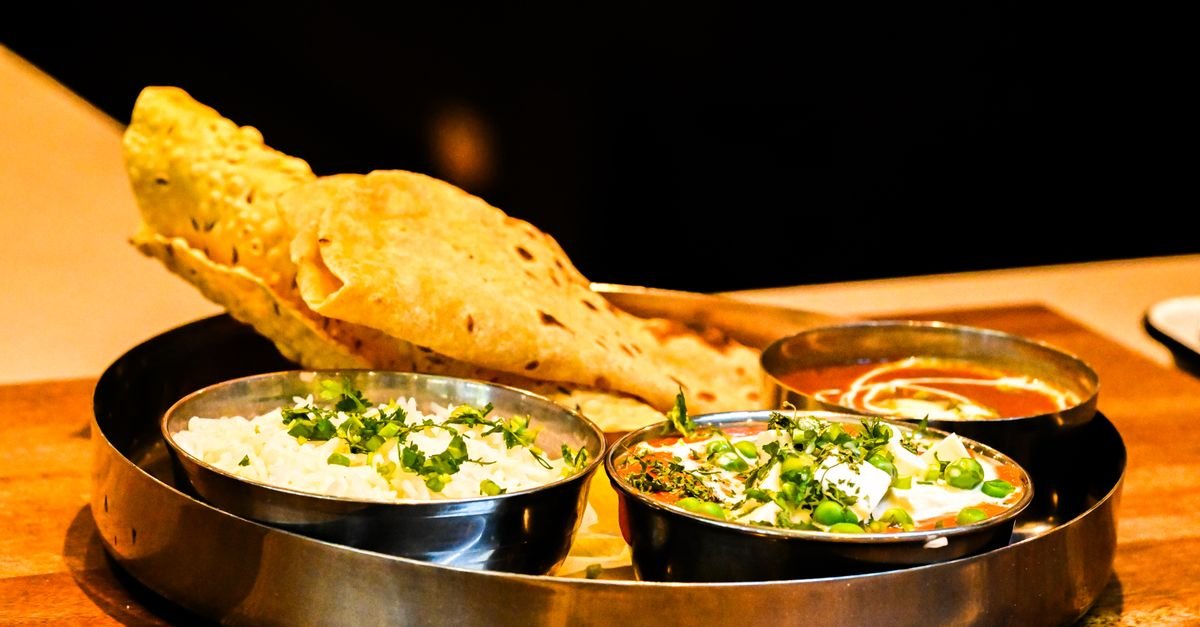
A good weight loss program in India should account for Indian food culture and staples rather than imposing Western meal templates, offer personalized calorie and protein targets, and provide ongoing coaching or check-ins rather than a static one-time plan — the combination of cultural relevance and personalization is what separates effective programs from generic diet charts.
I’m Yash Pathak, founder and lead trainer at FitStrot. I built our program specifically around this gap — most weight loss programs available in India either ignore how Indians actually eat, or they’re generic enough that they could apply to anyone, anywhere.
What to Look for in a Weight Loss Program
Personalization based on your actual body and lifestyle. A program that starts with an assessment — your weight, activity level, food preferences, work schedule, any health conditions — before building your plan, rather than handing everyone the same chart.
Food that fits Indian eating patterns. Dal, roti, rice, and regional staples should be the foundation of the plan, not foods you’re expected to replace entirely with Western alternatives that are harder to source and less familiar.
Ongoing support, not a one-time plan. Weight loss isn’t linear, and a program with regular check-ins (weekly or bi-weekly) that adjusts your plan based on real progress tends to significantly outperform a static plan you’re left to follow alone.
Realistic timelines. Programs promising extreme results (10kg in 2 weeks, for example) are a red flag. Effective programs typically target 0.5-1kg per week as a sustainable pace.
Attention to regional and dietary variation. India’s regional cuisines differ substantially — a program built around North Indian staples may not translate well for someone eating South Indian, Bengali, or Gujarati food regularly, and a good program adapts to this rather than forcing one template.
Types of Weight Loss Programs Available in India
In-person gym or clinic programs. Offer face-to-face coaching and equipment access, but require proximity to a physical location and fixed scheduling, which can be a barrier for many people balancing work and family commitments.
Generic diet apps. Widely accessible and often free or low-cost, but typically lack personalization — the same meal suggestions and calorie targets are applied broadly, without adjustment for your specific situation.
Online coaching programs. Combine personalization (a plan built around your specific profile) with the accessibility of working from home, on your own schedule, without geographic constraints — this is the model that closes the gap between generic apps and in-person coaching.
What a Structured Online Program Typically Includes
An initial assessment covering your current weight, activity level, food preferences, and goals. A personalized diet plan built around Indian staples and your specific calorie and protein needs. A activity or exercise plan appropriate to your fitness level and access (home workouts, gym, or a mix). Regular check-ins to track progress and adjust the plan. And education on the reasoning behind the plan, so you understand the “why” and can make better decisions in situations the plan doesn’t explicitly cover, like eating out or travel.
Why Personalization Matters More in the Indian Context
India’s dietary diversity — regional cuisines, vegetarian and non-vegetarian patterns, religious dietary practices, and varying access to specific ingredients — means a one-size-fits-all program underperforms more here than it might elsewhere. A program that asks about and adapts to your specific eating patterns, rather than assuming a generic diet, tends to produce plans people can actually sustain.
Cost Considerations
Programs vary widely in cost depending on the level of personalization and support offered — generic apps are often free or low-cost but provide minimal individual guidance, while personalized coaching programs cost more but provide the calibration and accountability that drive better long-term results. The right choice depends on your budget and how much value you place on individualized guidance versus a lower-cost, more generic starting point.
Related Guidance
Our personalized weight loss program and online weight loss coach guides go deeper into what to expect from a structured, coached program specifically.
What to Look for in a Weight Loss Program in India Specifically
Programs designed with Indian food culture, festival calendars, and regional cuisine variety in mind tend to produce better long-term adherence than generic international programs retrofitted with Indian food substitutes as an afterthought. Look for a program that addresses practical realities like joint family meals, festival eating, and regional dietary patterns (South Indian versus North Indian staples, for instance) rather than prescribing a rigid Western-style meal plan that doesn’t fit how most Indian households actually cook and eat.
Pricing and format vary widely — from app-based generic plans to fully personalized one-on-one coaching — and the right choice depends on how much individual guidance and accountability you personally need to stay consistent, which differs meaningfully from person to person.
Red Flags to Watch For When Choosing a Program in India
The Indian weight loss market has grown fast, and with that growth has come a fair number of programs that sell speed over substance. The clearest red flag is a promise of a specific, large number in a short window, ten kilos in ten days, or anything framed as guaranteed regardless of your starting point, medical history, or lifestyle. Genuine fat loss follows fairly predictable physiological limits, and any program that ignores this to make a bigger sales pitch is usually optimising for your first payment, not your actual health.
A second red flag is heavy reliance on unregulated supplements, detox teas, or fat-burner capsules sold as central to the plan rather than food and training. India’s supplement market has limited regulatory oversight compared to countries like the US, and I’ve seen clients arrive with products containing undisclosed stimulants or laxatives marketed as natural weight loss aids. If a program’s model depends on you buying a proprietary product every month rather than teaching you sustainable habits, that’s worth questioning closely.
The third thing to watch for is a coach or program that can’t clearly explain their own qualifications, or that assigns you a generic PDF meal plan within minutes of your first call with no real assessment. A credible program in India will typically ask about your regional food habits, work schedule, any medical conditions like thyroid or PCOS, and your activity level before recommending anything specific, because a plan built for a Delhi desk job doesn’t necessarily work for someone in shift-based work in Bengaluru or a physically active job in a smaller town.
Adapting a Program to India’s Regional Food Diversity
One thing that makes weight loss programs genuinely harder to standardise in India than in most countries is just how differently people eat from state to state. A program built around a generic “low carb” template can fall apart the moment it meets a South Indian breakfast of idli, dosa, and sambar, or a Punjabi household where parathas and dairy are central to daily meals, or a Gujarati thali built around multiple small dishes with jaggery worked into several of them.
A well-adapted program doesn’t ask you to abandon these foods, it works within them. For a South Indian client, that might mean keeping idli and sambar but watching the chutney and ghee portions, and swapping one dosa meal a week for a protein-forward alternative like a moong dal chilla. For someone eating a North Indian thali daily, it often means keeping the same dishes but adjusting roti count, choosing tandoori over creamy gravies more often, and being deliberate about rice portions rather than eliminating the food group entirely.
This regional flexibility is exactly where cookie-cutter international apps and templates tend to underdeliver in the Indian market, because they’re rarely built with dal-chawal, thepla, or fish curry and rice as reference points. A program that understands these regional patterns from day one saves you the frustration of trying to force-fit your actual kitchen into someone else’s template, which is usually where good intentions quietly fall apart within the first two weeks.
Online Coaching vs a Local Gym or Dietitian — What Actually Works Depends on Where You Live
I get asked constantly whether online coaching is genuinely as good as walking into a gym in your neighbourhood or sitting across from a dietitian in person, and the honest answer is that it depends heavily on which Indian city you’re asking from. In Mumbai, Bangalore or Delhi NCR, you have real choice — reputable gyms with in-house nutritionists, sports medicine clinics, certified dietitians within a 20-minute drive. The trade-off there isn’t access, it’s time: with a 90-minute one-way commute being normal in these cities, fitting in a gym session plus a dietitian visit plus actual cooking becomes the real barrier, and that’s exactly where an online program that works around your existing commute tends to outperform an in-person one that demands more travel.
Move to a tier-2 or tier-3 city — a Nagpur, an Indore, a Coimbatore, a Bhubaneswar — and the picture flips. Qualified dietitians who understand structured, evidence-based weight loss rather than generic diet charts are genuinely thin on the ground in many of these cities, and gyms, while plentiful, often don’t have anyone on staff qualified to combine nutrition guidance with training design. I’ve had clients from smaller cities tell me they’d been driving 40 minutes each way to see a dietitian who then handed them the same printed diet chart she gives everyone. For this group, online coaching isn’t a convenience upgrade over local options — it’s often the only way to access someone who will actually look at their specific numbers, their local food availability and their schedule.
What online genuinely can’t replace, in any city, is hands-on correction of exercise form for someone who’s completely new to structured training, or the kind of walk-in accountability some people need when motivation dips — showing up because your trainer is physically standing there. If you’re in a metro with good gym access and you know you’re the type who needs a person in the room to push you, a hybrid approach works well: in-person sessions for training form, online coaching for the nutrition and progress-tracking side, which is usually the part that determines the outcome anyway.
My honest advice when deciding: don’t pick based on what sounds more premium, pick based on what you’ll actually be able to sustain for six months. A gym membership you attend twice a month because of traffic delivers worse results than an online program you actually engage with daily from your desk. Match the format to your real life, not to which option looks more serious on paper.
Frequently Asked Questions
What makes a weight loss program effective in the Indian context?
Personalization to your specific body and lifestyle, food plans built around Indian staples and regional cuisine rather than Western templates, and ongoing support through regular check-ins rather than a static one-time plan.
Is an online weight loss program as effective as an in-person one in India?
Yes, when it includes genuine personalization and regular check-ins — online programs remove geographic and scheduling barriers while still providing individualized guidance, often making consistency easier to maintain.
How long does a weight loss program in India typically take to show results?
Most well-structured programs show visible results within 4-6 weeks, with more substantial changes over 3-6 months, depending on your starting point and consistency.
Can beginners join a structured weight loss program?
Yes — in fact, beginners often benefit most from structured programs, since the personalized guidance reduces the trial-and-error that self-directed weight loss usually involves.
Ready for a Program Built Around Indian Food and Your Life?
FitStrot’s online weight loss coaching starts with a real assessment of your body, food preferences, and goals, then builds a plan around Indian staples with ongoing check-ins as you progress.